 Cover image via Westone & RinggitPlus
Follow us on Instagram, TikTok, and WhatsApp for the latest stories and breaking news.
Malaysia is starting to feel the strain of a growing plastic shortage amid ongoing tensions in the Middle East, which are disrupting global supply chains
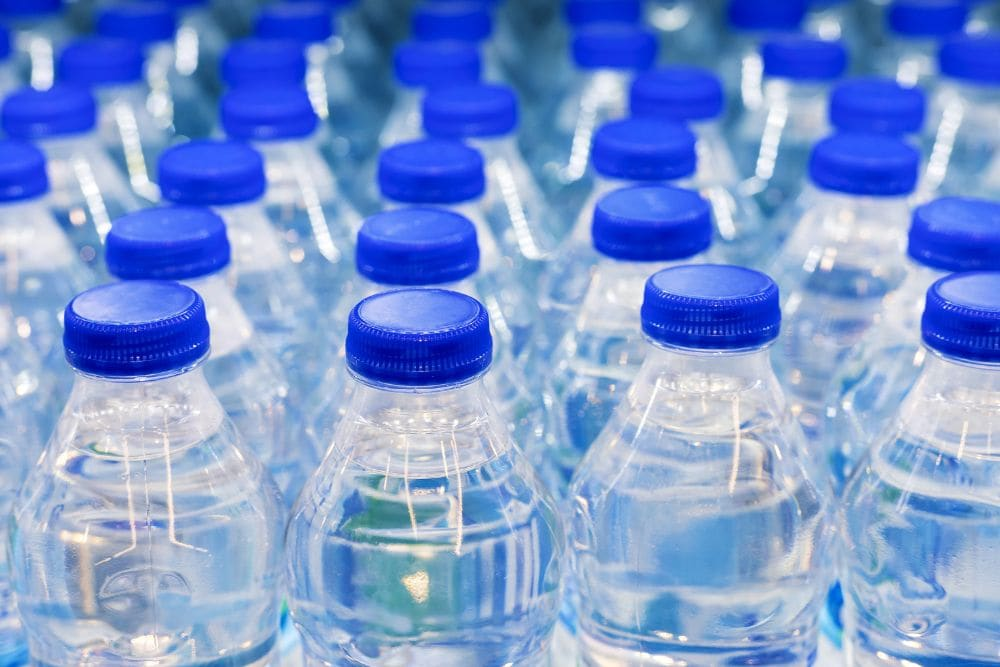
At the centre of the issue is polyethylene terephthalate (PET) resin, a key raw material used to produce plastic bottles and food containers.
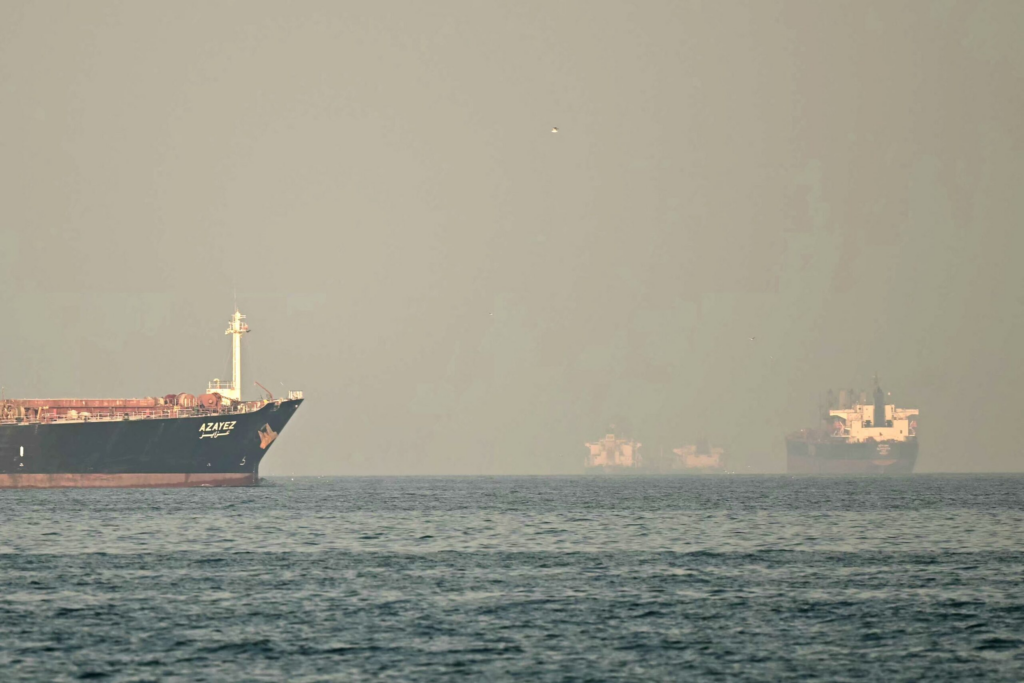
With crude oil shipments through the Strait of Hormuz affected since the conflict escalated in February, manufacturers are now struggling to secure enough supply.
The knock-on effects are already beginning to surface, with industry players warning that shortages could soon reach consumers more directly, according to reports.
Mike Tan, chairman of the Johor branch of the Malaysian Plastics Manufacturers Association, told Utusan Malaysia the situation could worsen if the conflict drags on.
"Normally, crude oil needs to be sent for PET processing before we can make plastic bottles and so on, so when crude oil is unavailable, manufacturers simply cannot produce," he said.
Prices have already begun rising, with the situation expected to become worse
According to Tan, some manufacturers have already started raising prices, with increases ranging between 15% and 40%, depending on the type of plastic material.
"In the next two weeks, we can only wait and see; if Iran truly allows all vessels to pass through the Strait of Hormuz, things may improve somewhat. Prices may ease a little.
"But if US President Donald Trump chooses to prolong the war, supplies will be hit even harder," he added.
While switching to alternatives such as glass may seem like an easy fix, Tan said it comes with its own set of challenges
"If you switch to glass bottles, the cost is higher, recycling becomes more difficult, and the added weight also lengthens delivery times," he explained.
He added that in countries like South Korea, consumers have already begun stockpiling plastic items such as rubbish bags in anticipation of worsening shortages.
"For decades, plastic has been so cheap and so readily available that most people barely gave it a second thought. But the West Asian tensions have shown just how essential plastic packaging really is," he said.
The plastic shortage is also affecting local businesses, with the food & beverages sector feeling the pressure in particular
Farm Fresh chief operating officer Azmi Zainal told the New Straits Times that the company is already facing difficulties due to limited plastic bottle supply.
"Farm Fresh uses a lot of plastic bottles, so we definitely feel it," he said.
As a temporary measure, the dairy company has started shifting to carton boxes and other alternative packaging.
"We don't know how long the conflict will last, but when it happens, prices go up, and supplies become hard to come by. If the war drags on, the impact will be severe," Azmi added.

Malaysian consumers may soon feel the impact on their wallets
Dr Lee Nan Sang, honorary adviser of the Consumer Movement Organisation of Malaysia, warned that rising packaging costs could translate into higher food and beverage prices.
"As consumers, we should always keep reusable containers or recycled plastic on hand when purchasing food and beverages to cushion ourselves against these price increases," he said.
He also urged traders not to take advantage of the situation.
"Traders should not raise prices excessively to the point of burdening buyers," he said.
At the same time, he noted that the crisis could have an unintended upside, pushing Malaysians to rethink their reliance on plastic, a material long associated with environmental concerns.