


 Cover image via
Follow us on Instagram, TikTok, and WhatsApp for the latest stories and breaking news.
When we reported in late March that the Middle East war, though far from Malaysia, would soon affect the country, we weren't exaggerating.
That soon is now.
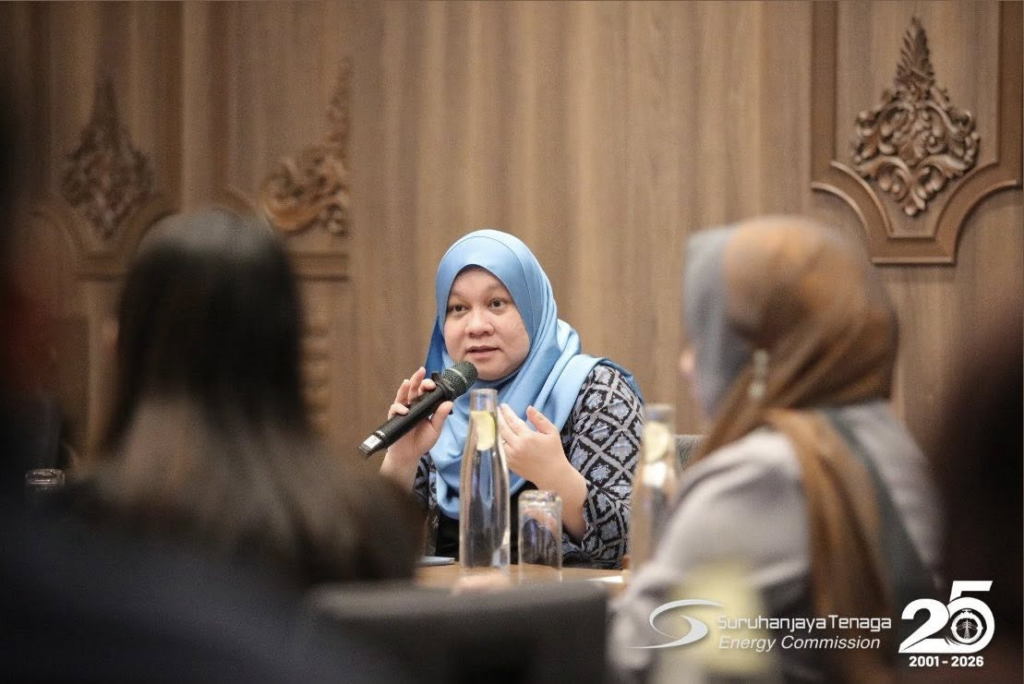
At a media briefing in Putrajaya today, 1 April, Energy Commission chief executive officer Siti Safinah Salleh outlined Malaysia's position. In short, we're not fully insulated, and Malaysians should brace for higher electricity costs.
So what's going on?
The ongoing conflict in West Asia has sent global fuel prices into turmoil. Oil has crossed USD100 a barrel, supply chains are disrupted, and the ripple effects are reaching Malaysia's electricity sector.
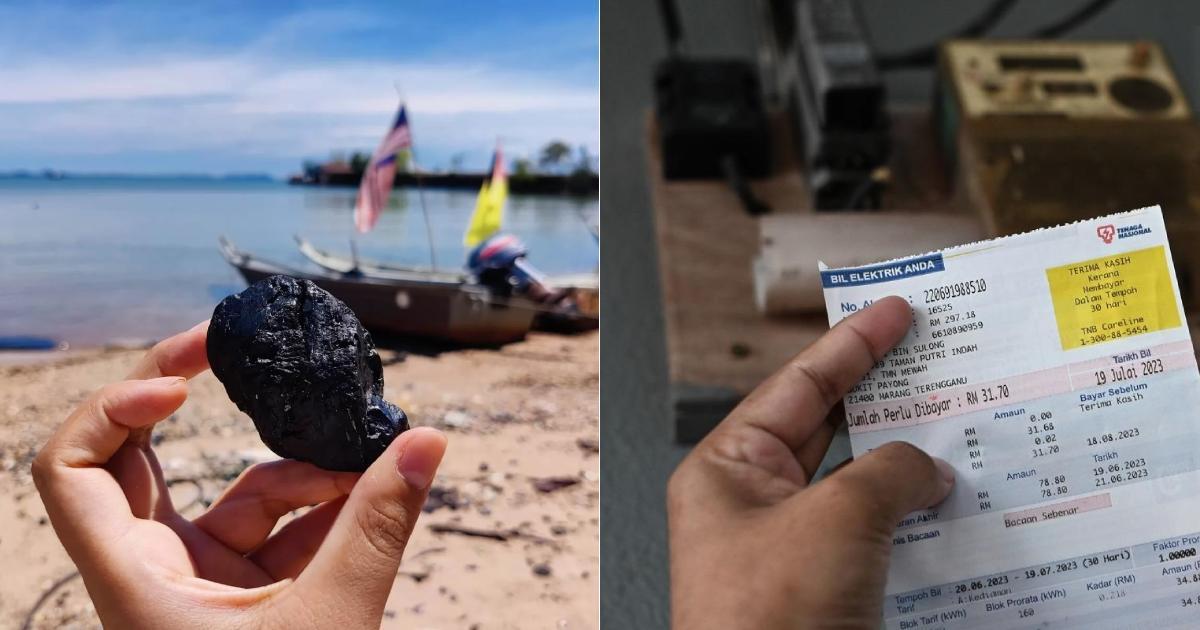
Electricity generation in Malaysia relies mainly on natural gas (33.5% of our energy mix in 2025) and coal (58.5%). Both are exposed to global price pressures, just in different ways.
The natural gas situation
About 80% of the natural gas used to generate Malaysia's electricity is tied to domestic gas prices, so it's somewhat shielded. The remaining 20% is imported and exposed to global market prices.
Most of that imported gas comes from Australia, and those contracts are already locked in. But even those are indexed to oil market prices, so there's still a knock-on effect.
As Siti Safinah explained, "There will still be an impact on the price, but there is a ceiling cap. That ceiling is lower than the exposure that would occur based on global market prices."
So yes, there's a cap, but it's not zero.
The coal situation is actually more concerning
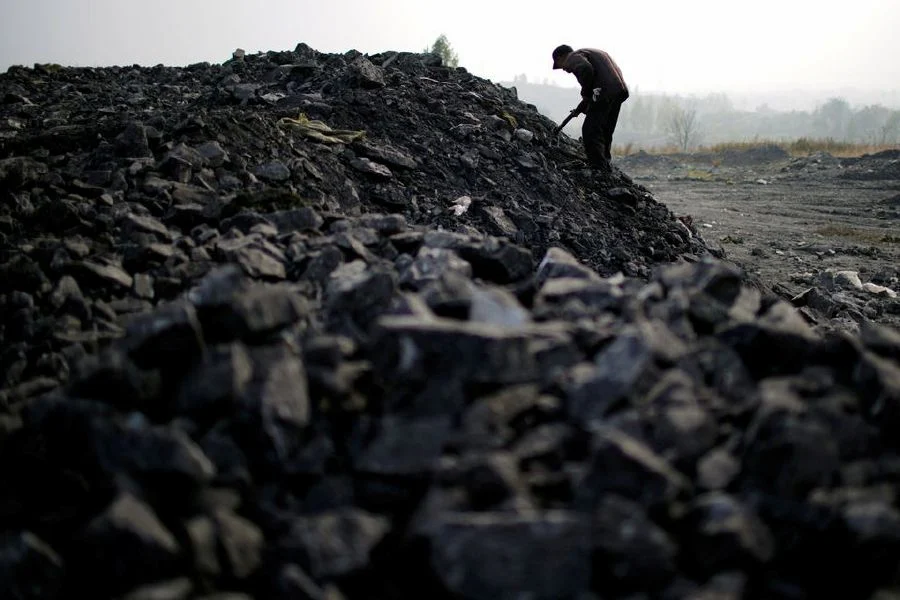
Coal accounts for the largest share of Malaysia's electricity generation, and we import 100% of it. About 65% comes from Indonesia, 20% from Australia, and the remainder from other countries.
The commission has already observed coal prices starting to climb. No dramatic spike yet, but the trend is upward.
Siti Safinah pointed to the Ukraine-Russia war in 2022 as a reference point, when a surge in global coal demand pushed prices up, something Malaysia experienced firsthand.
The same dynamic could play out again.
What does this mean for your bill?
When fuel costs rise, they eventually feed into your electricity bill through a mechanism called the Automatic Fuel Adjustment (AFA). It adjusts monthly based on actual fuel cost changes.
"If costs increase, then consumers must pay the additional amount. Adjustments through the AFA are made monthly as long as the cost change remains within a 10% threshold. When it exceeds that 10% threshold, we will apply for government approval, and it will depend on the government's decision," Siti Safinah explained.
"Cost is still cost, it must be paid, but how it is channelled depends on the government's decision," she added.
Tenaga Nasional Berhad has already reduced its AFA rebate for April from RM0.0215 per kWh to just RM0.0047 per kWh. If your monthly bill exceeds RM216, roughly 600kWh or above, you'll notice the difference this month.
And with the hotter months ahead and air-conditioning use on the rise, demand is only going to climb further.
How does Malaysia compare to Singapore?
Singapore announced electricity tariff hikes yesterday.
Siti Safinah noted that Malaysia's situation is different because our energy mix is more diversified, unlike Singapore, which depends almost entirely on imported natural gas and is therefore more sensitive to global price swings.
That said, she was clear: Malaysia is not completely protected either.
While there's no tariff review happening immediately, the Energy Commission is being straight with Malaysians: fuel costs are rising, the global situation is uncertain, and your bill is likely going to reflect that in the coming months.
