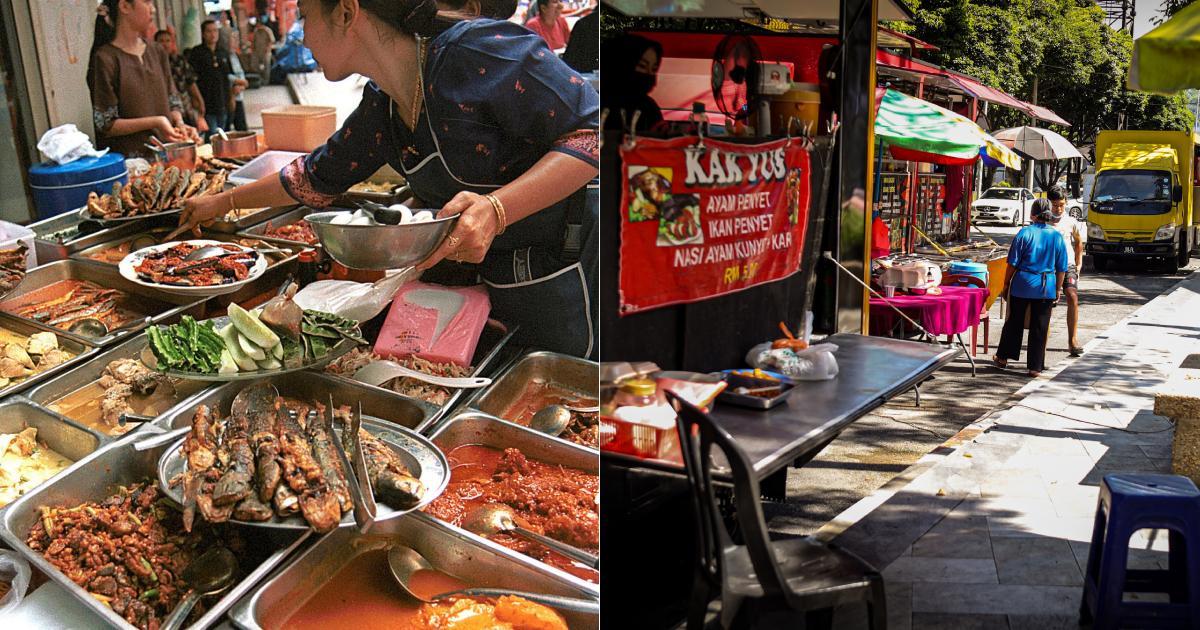
 Cover image via Ahmad Yusni/AFP & Syaiful Redzuan/Anadolu/AFP
Follow us on Instagram, TikTok, and WhatsApp for the latest stories and breaking news.
Food prices in Malaysia are expected to increase by up to 50% following the latest fuel price hike, according to the Federation of Malaysian Hawkers and Traders Associations
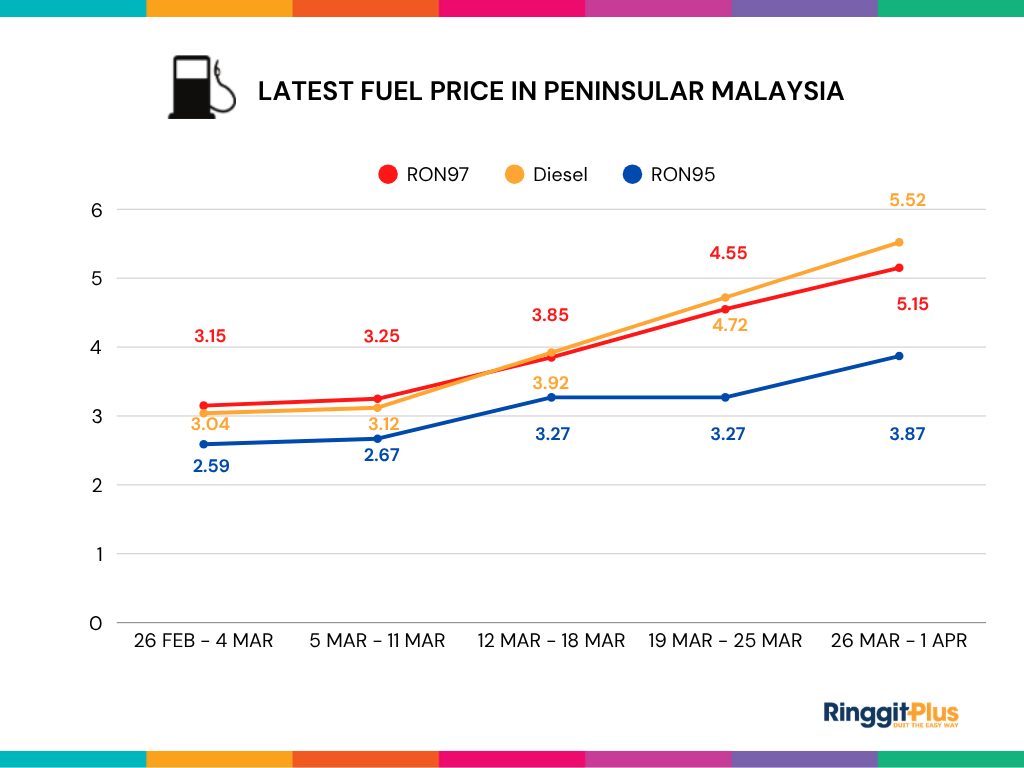
Its president, Datuk Seri Rosli Sulaiman, told Harian Metro that traders were already struggling with rising costs even before the fuel price adjustment, which saw non-BUDI RON95 being sold at RM3.87 per litre, RON97 at RM5.15 per litre, and diesel at RM5.52 per litre in Peninsular Malaysia.
"Even before the fuel price increase, prices had already risen by around 20 to 30%. Moving forward, we do not rule out the possibility that it could rise by another 50%."
According to Rosli, many traders have had to start buying less stock from suppliers and wholesalers due to rising prices. At the same time, customers are reducing spending, buying less whenever prices inch up, which dampens demand.
"When costs are high, and there are no profits in return, traders are forced to raise their selling prices, even with only a small margin. Those most affected are small traders, hawkers and the public," he said.
Rosli explained that the increase is largely driven by higher transportation costs, as most raw materials and goods are delivered using diesel-powered vehicles.
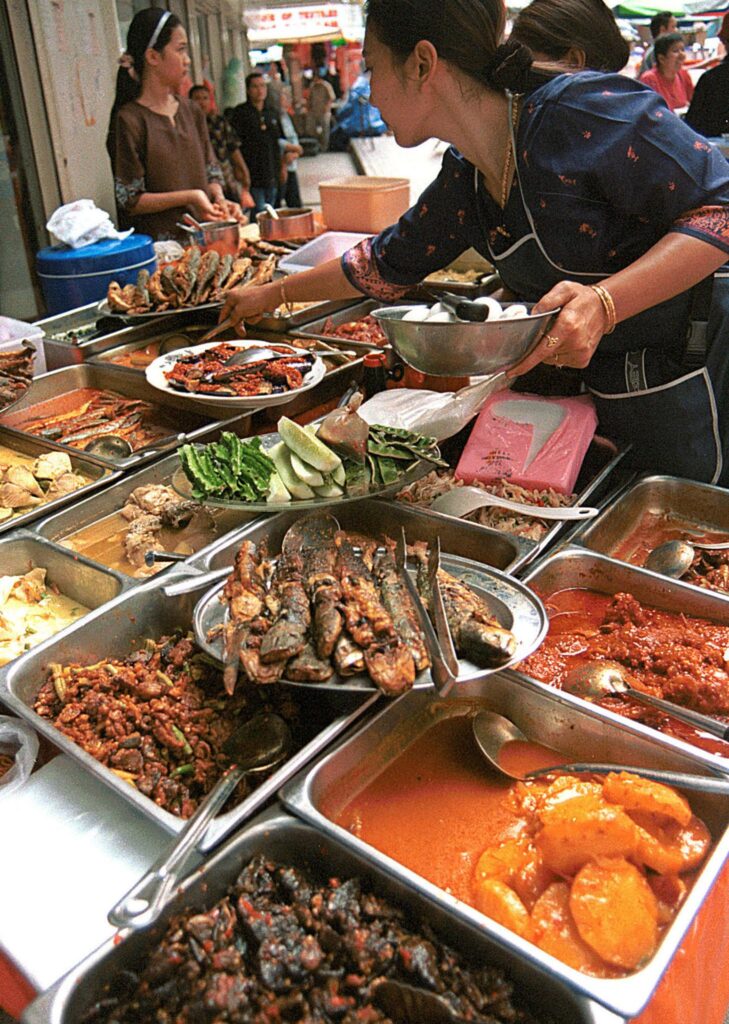
Despite the warning, not all traders have raised prices yet
Nasi lemak seller Mohammad Syah Bedoh Lahata, 30, said he is holding off on any price increase for now, as his ingredient costs have remained stable.
He said he currently sells plain nasi lemak at RM2, while versions with side dishes are priced between RM7 and RM8, rates he has maintained for the past two years.
"For nasi lemak traders, they are usually affected by increases in the price of coconut milk and raw materials such as meat, lung or chicken.
"For now, the costs of these ingredients remain the same, despite concerns that prices may rise due to higher transportation costs following the fuel hike," he said.
According to Mohammad Syah, he would be forced to raise his prices if the cost of raw materials spikes sharply.
"I last raised my prices after Aidilfitri two years ago due to extreme raw material costs. This time, if costs spike again, traders will have no choice but to increase prices to cover expenses," he added.
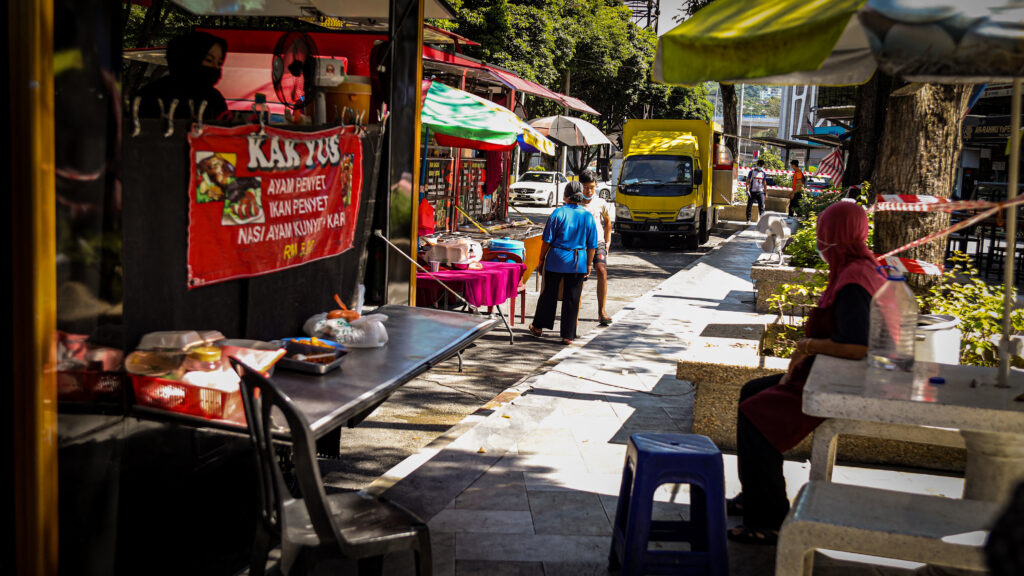
Food Truck hawker area in Ampang, Selangor.
Image via Syaiful Redzuan/Anadolu/AFPThe concern comes after the government announced a fresh round of fuel price increases last week
There has been a massive jump in fuel prices in Malaysia over the past month, driven largely by the escalating conflict in the Middle East.
Last month, specifically during the week of 19–25 February, fuel prices were much lower and relatively stable. RON97 was at RM3.10 per litre, while unsubsidised RON95 stood at RM2.54. These prices held steady for several weeks until a 5-sen hike was announced on 25 February.
Since then, RON97 has surged from RM3.10 to RM5.15, and unsubsidised RON95 from RM2.54 to RM3.87 — increases of more than 66% and 52%, respectively, in just about five weeks.
While unsubsidised rates, mainly used by foreigners, have skyrocketed, the government continues to maintain the BUDI95 subsidised rate at RM1.99.
Starting this Wednesday, however, the quota will be capped at 200 litres per eligible Malaysian. Once that limit is reached, the market rate of RM3.87 will apply instead of the subsidised price.
The difference is staggering. Filling a 50-litre tank with RON97 would have cost RM155 in February; today, the same tank costs RM257.50. Similarly, a 50-litre tank of unsubsidised RON95 would have been RM99.50 in February; now it costs RM193.50.