


 Cover image via
Follow us on Instagram, TikTok, and WhatsApp for the latest stories and breaking news.
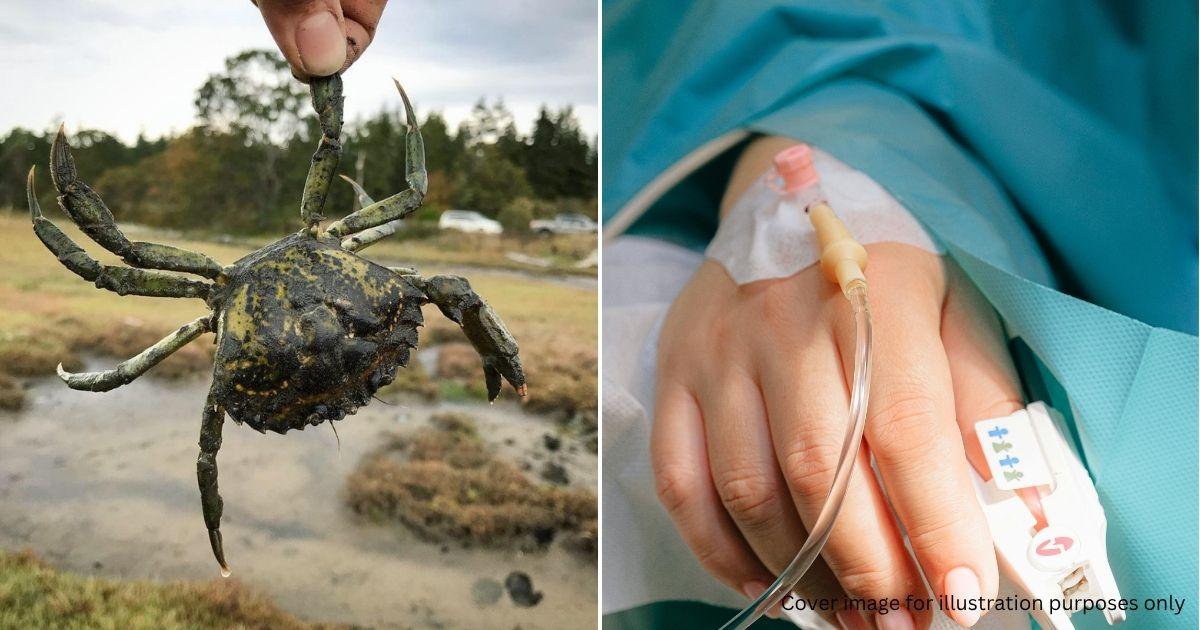
An elderly man in Wenzhou, China, died after contracting a rapidly spreading flesh-eating bacteria from a seemingly minor injury inflicted by a green crab
According to the Chinese news outlet The Paper, the incident occurred when the man was preparing green crabs at his home. He accidentally pricked his left hand on a crab claw, leaving a tiny wound that he initially dismissed as harmless.
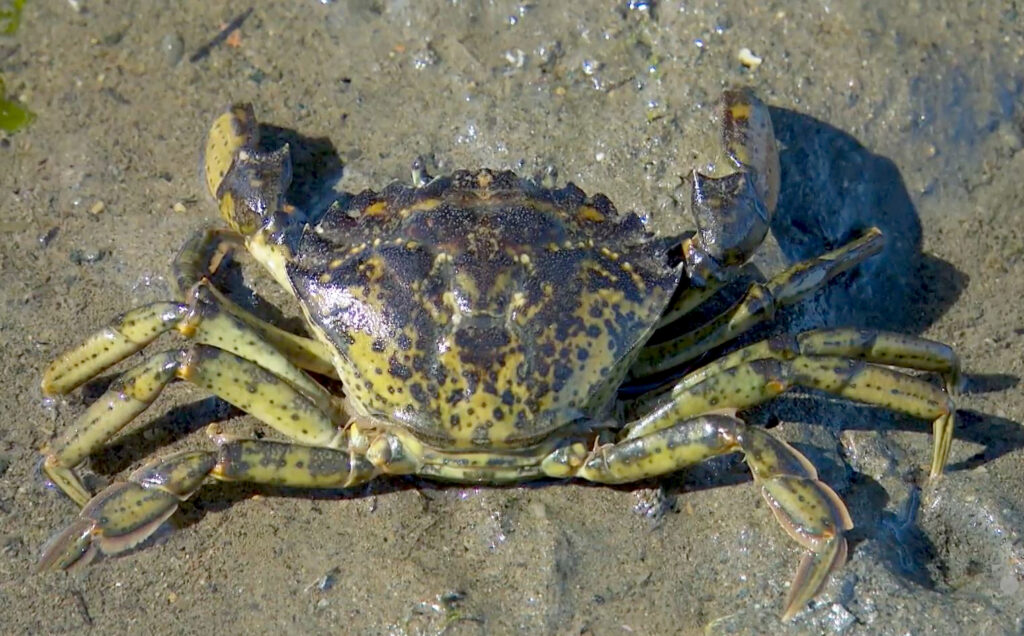
Image used for illustration purposes only.
Image via OPBHe simply covered the wound with a bandage and went about his day
However, within just 23 hours, his arm became inflamed and swollen, with pus oozing from the wound and fever setting in.
His family rushed him to the hospital, where medical professionals quickly identified the cause: Vibrio vulnificus, a bacterium known for triggering necrotising fasciitis.
Often referred to as 'flesh-eating disease', necrotising fasciitis is a severe infection that rapidly destroys the body's soft tissues.
The man's condition rapidly deteriorated within an hour of being admitted
Doctors observed his skin turning black and pus oozing from the wound. Within 24 hours, he went into septic shock.
Despite emergency surgery, multiple rounds of wound cleaning, and ultimately the amputation of his left arm, the aggressive infection proved uncontrollable.
He passed away nine days after suffering from the initial injury.
The bacterium Vibrio vulnificus is commonly found in coastal seawater and typically becomes detectable as early as May or June
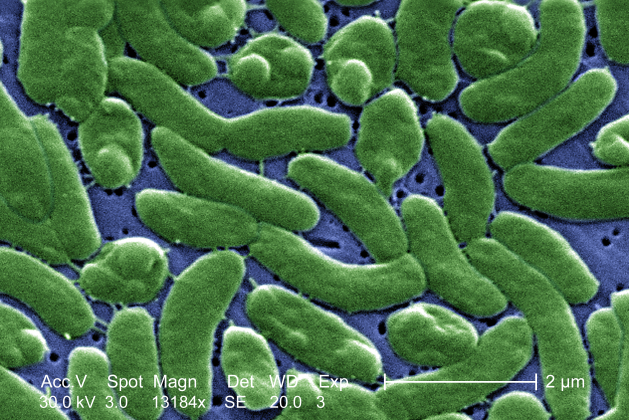
There are two ways humans can contract this bacteria: either by consuming contaminated raw or undercooked seafood, or via open wounds that are exposed to seawater.
Wound infections develop when an open cut comes into contact with coastal seawater or undercooked seafood, such as clams or oysters. These cases can lead to severe localised symptoms including significant swelling, redness, blistering, and extensive skin damage.
Primary septicemia, on the other hand, primarily impacts high-risk individuals, such as those with liver disease, alcoholism, diabetes, or compromised immune systems, who consume contaminated seafood. Early symptoms often include high fever, chills, vomiting, diarrhoea, and fatigue.
Within 30 hours of symptom onset, patients may develop swelling, bruising, blisters, or skin ulcers, particularly on the hands or feet. If left untreated, this severe form of infection can prove fatal within 48 hours, with severe cases sometimes necessitating surgical intervention, ranging from tissue excision to even amputation.

