


 Cover image via
Follow us on Instagram, TikTok, and WhatsApp for the latest stories and breaking news.
Monitor lizards may give you a jump scare at the longkang, but they're more fascinating than frightening
They're big, they're scaly, and sometimes randomly show up in your neighbourhood park.
But despite their intimidating size and stealthy ways, monitor lizards (a.k.a. biawak to many Malaysians) are surprisingly complex creatures.
Here are 9 interesting facts about monitor lizards more Malaysians need to know:
1. They're legally protected in Malaysia (to an extent)
In our country, monitor lizards (especially the larger species) are protected under wildlife conservation laws in certain areas.
While trading them is illegal, harvesting some species for meat is permitted with strict regulations.
Threats like illegal trade, habitat loss, and more put them at risk. So if you ever come across one in the wild or in trouble, don't try to catch it. Call a local wildlife rescue like Perhilitan (03-5510 6328).
2. They're named "monitors" for a reason
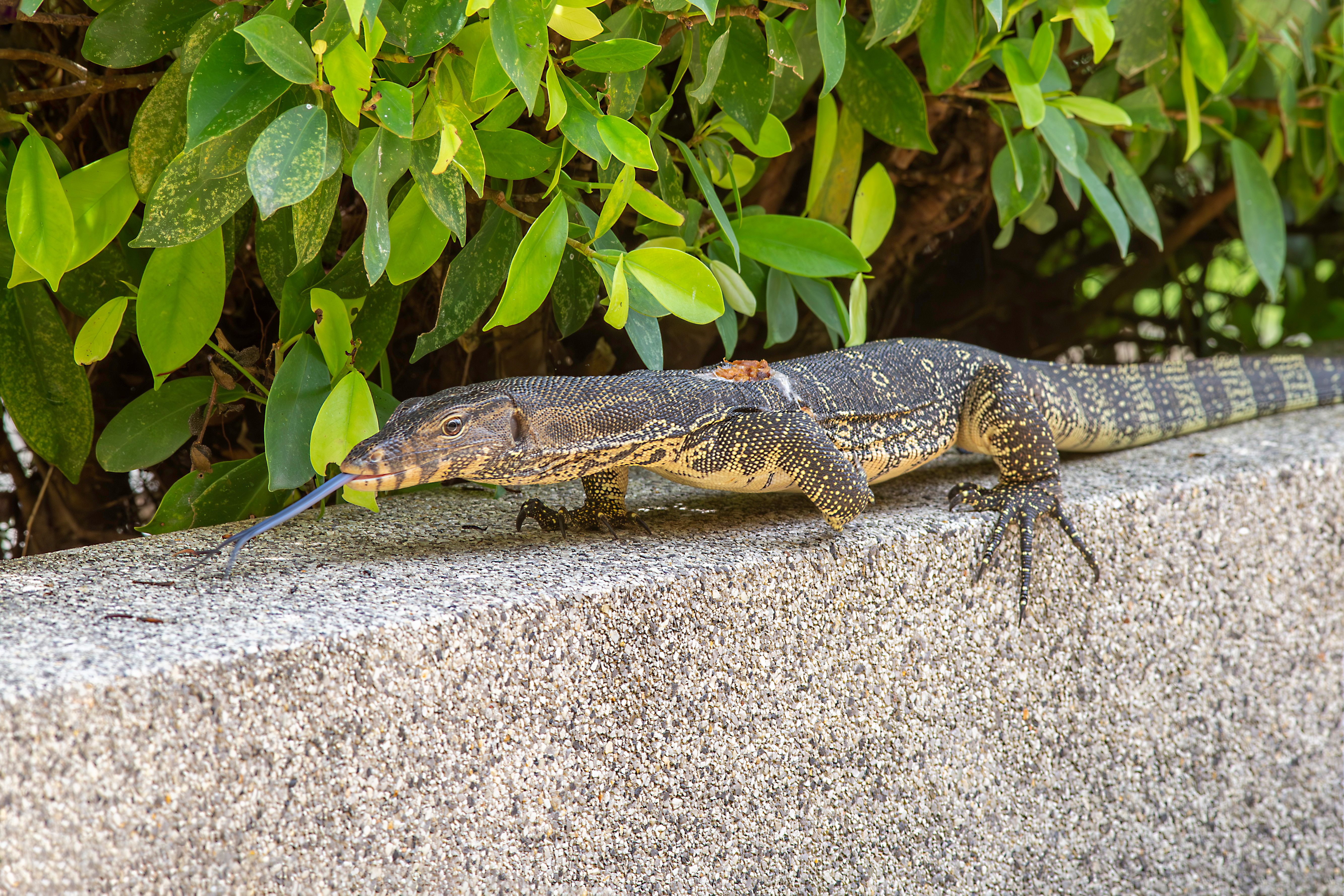
Ever seen a monitor lizard stand tall and look around before slinking away?
Turns out that upright pose is a real behaviour, not just something out of a wildlife documentary.
They stand on their hind legs to monitor their surroundings, which is how they got their name. Basically, these creatures are nature's original CCTV system.

3. Some grow up to 3 metres, but not all are giants
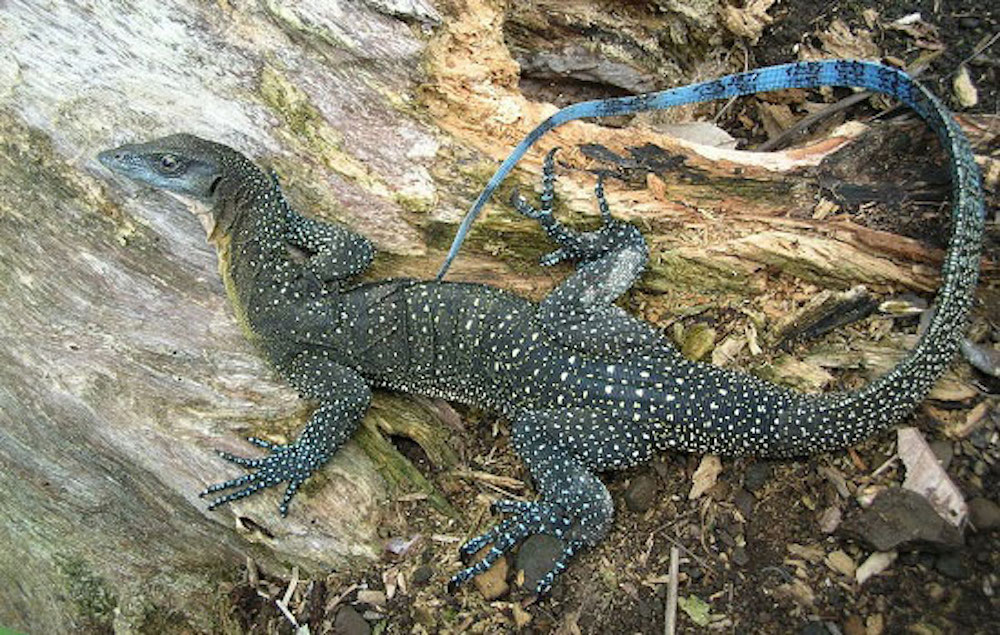
In Malaysia, the most common species is the Asian water monitor (varanus salvator), which usually grow between 4 to 6 feet. These critters are often spotted chilling near rivers, mangrove forests, or even inside of drains in the city.
But globally, they come in all sizes. The smallest ones, like the pygmy monitor, only grow up to about 25cm.
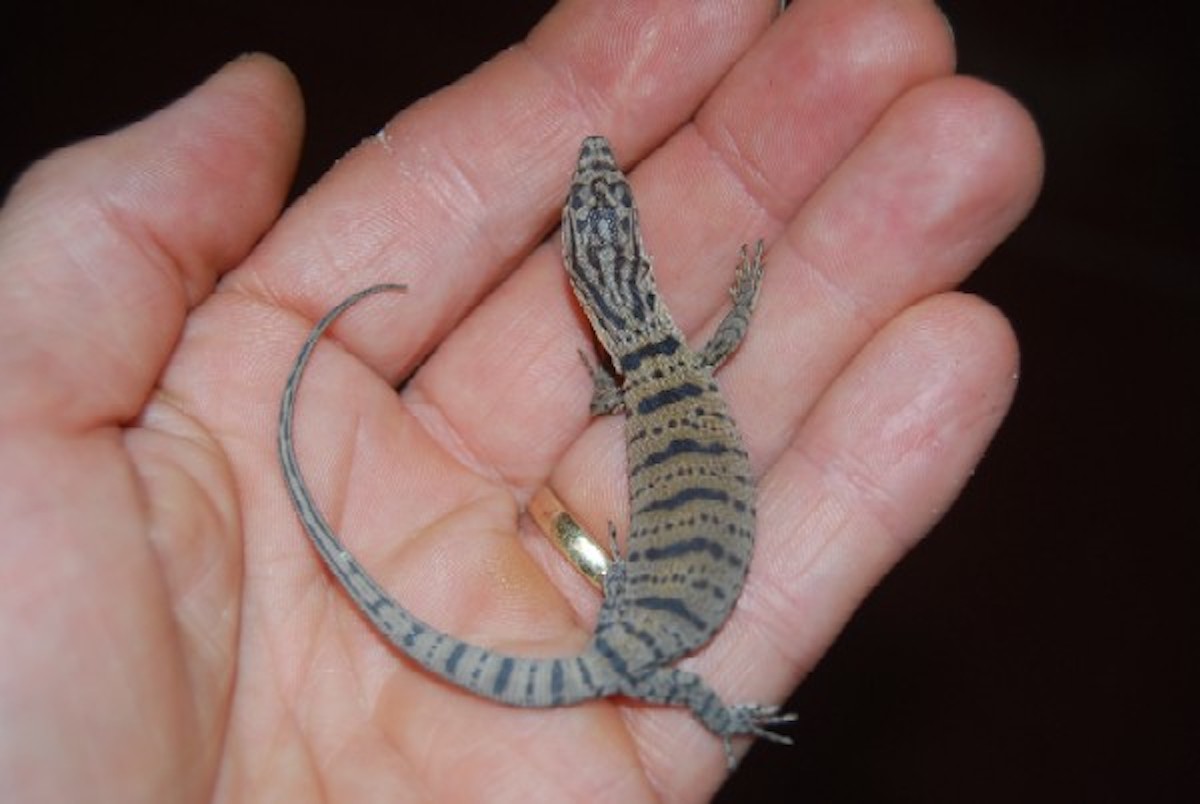
The largest? The infamous Komodo dragon in Indonesia that grow up to 3 metres long.
4. They "smell" the air like snakes
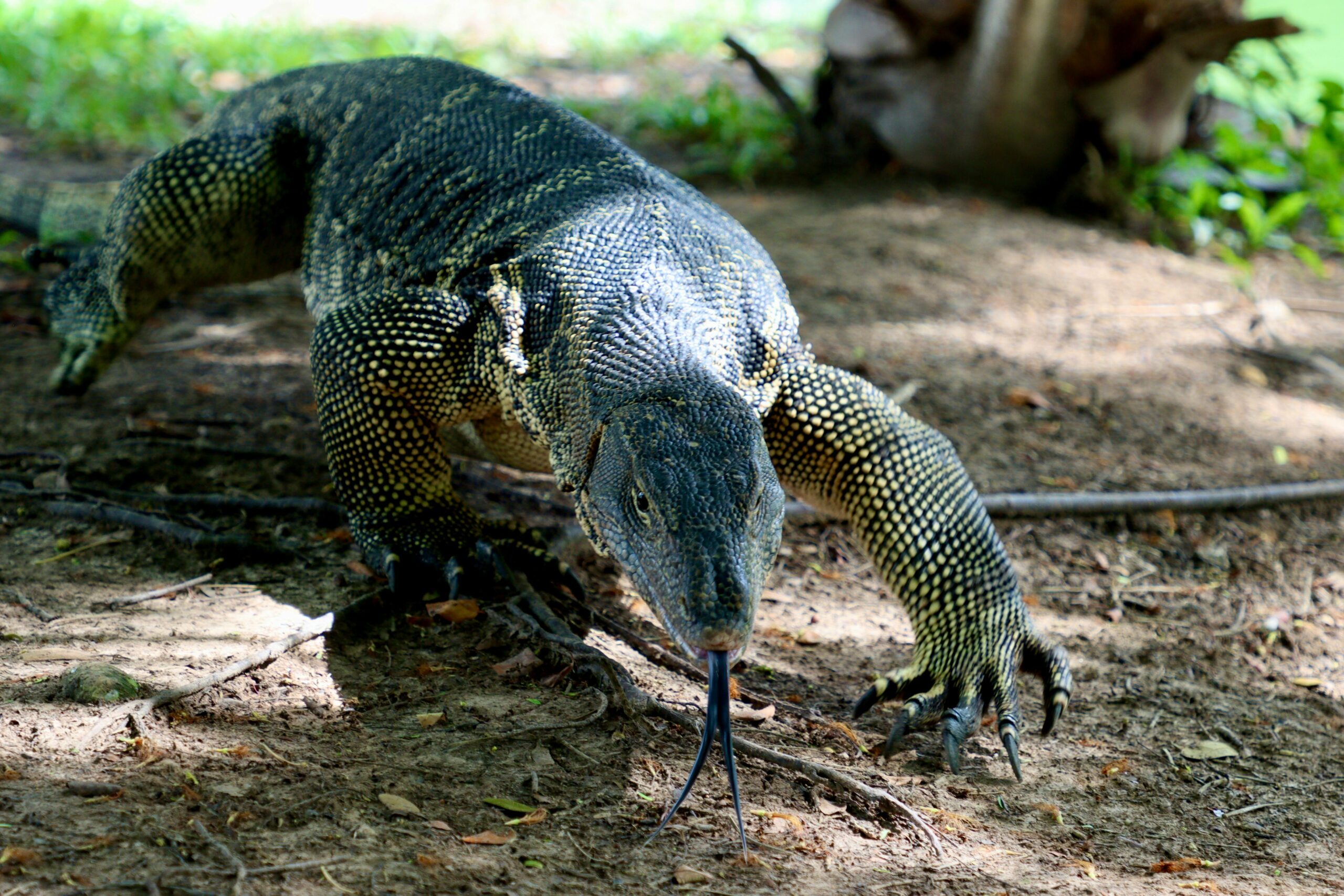
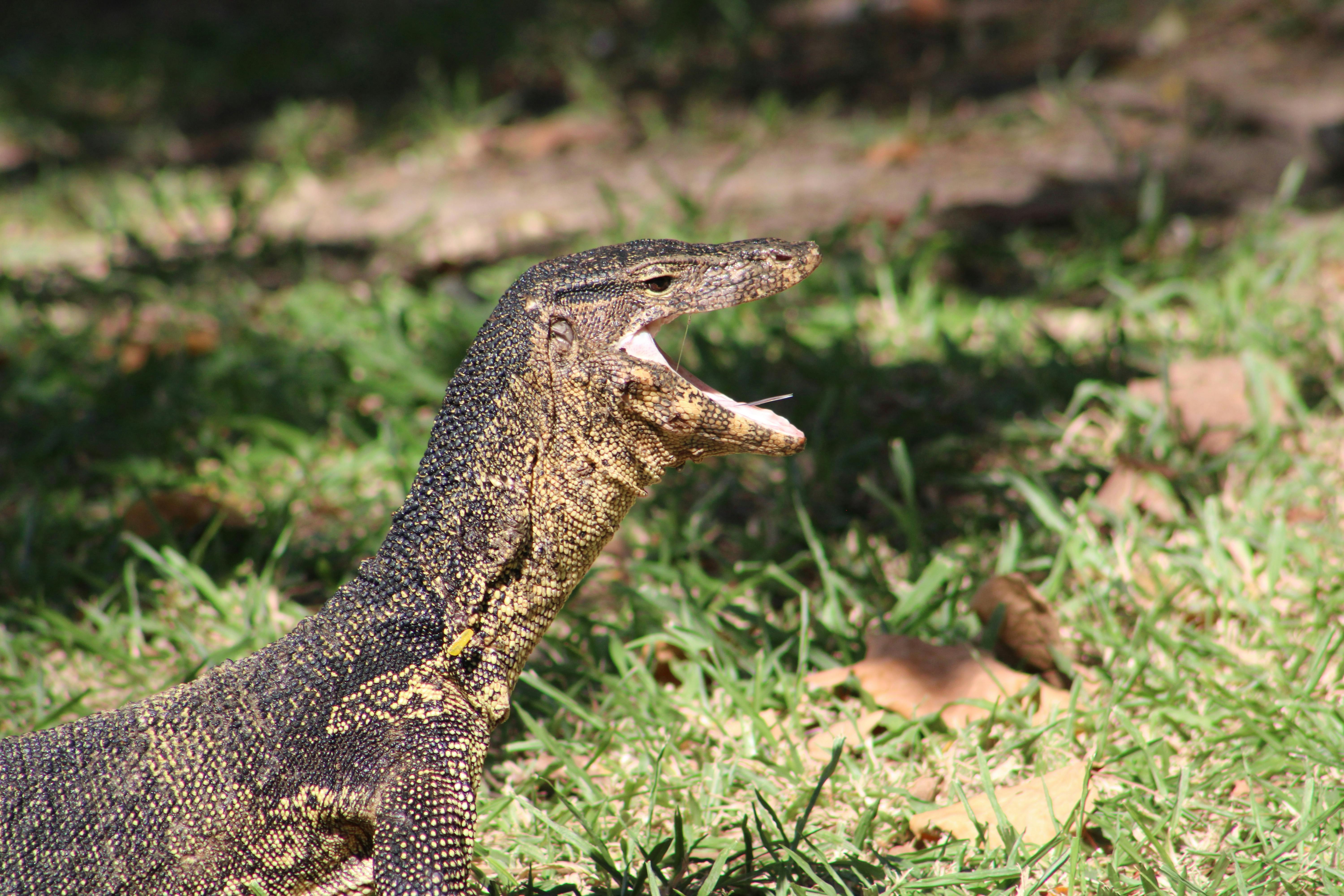
If you've seen one flick its tongue, it wasn't just being sassy. That's how they pick up scent particles in the air, according to Wildlife SOS.
Their tongues collect chemical clues from their surroundings, then transfer it to a special part of the mouth called Jacobson's organ. It's basically a lizard's way of sniffing things out… but cooler.
5. They're venomous, but not deadly to humans
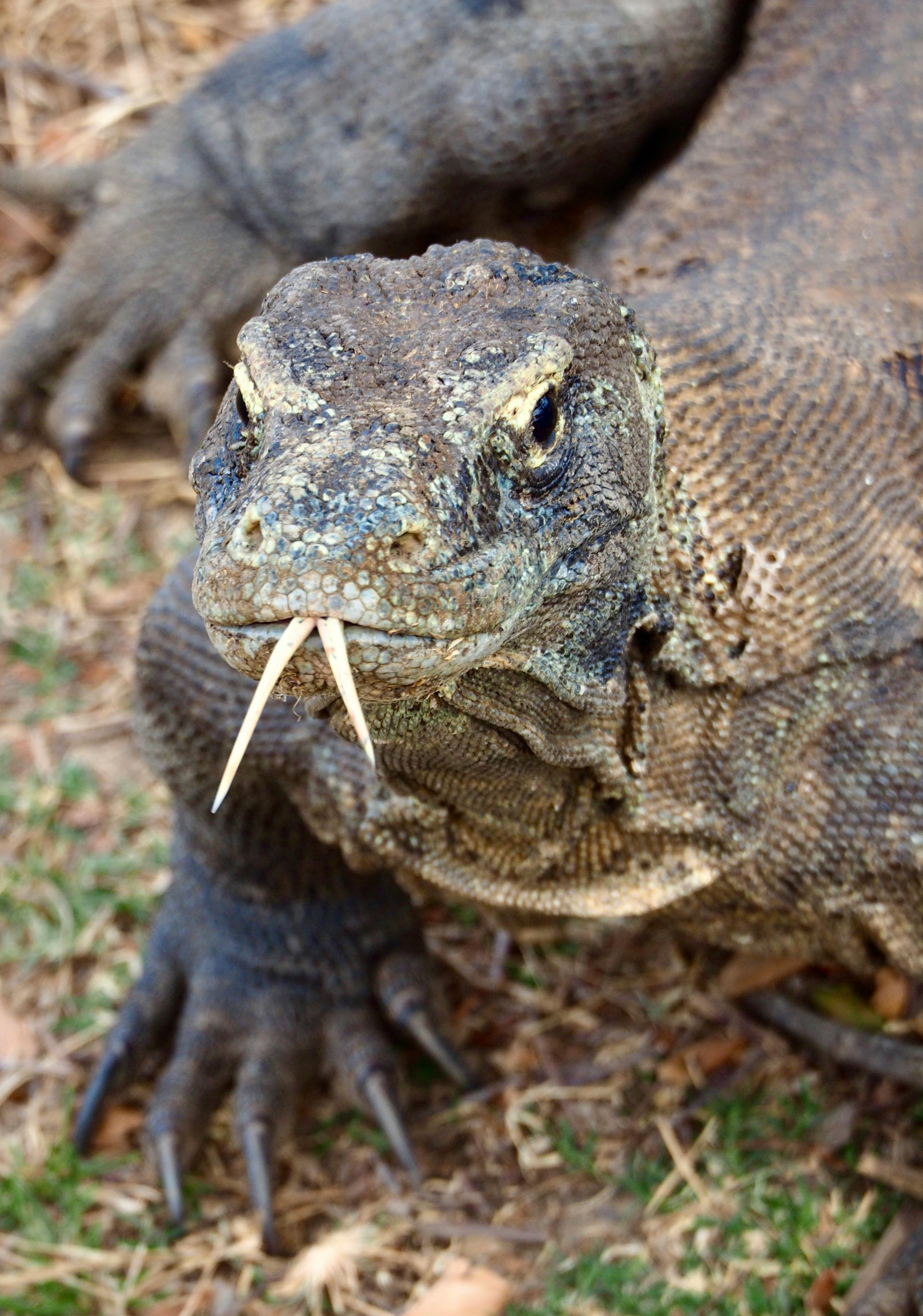
According to A-Z Animals, monitor lizards do have venom in their saliva, which helps slow down prey. But don't panic — it's not deadly to our species.
Still, if you do get bitten (please don't try), seek medical help. It's better to admire these creatures from afar than test their bite strength.
However, if we're talking about Komodo dragons, they pose actual danger to humans since their bites can be fatal.
According to Smithsonian's National Zoo & Conservation Biology Institute, their sharp, curved teeth and sturdy claws are strong enough to rip apart flesh and cause severe blood loss. Furthermore, unlike monitor lizards, harmful bacteria from their saliva can cause untreated bite wounds to become septic.
6. Their massive tails are both weapons and survival tools
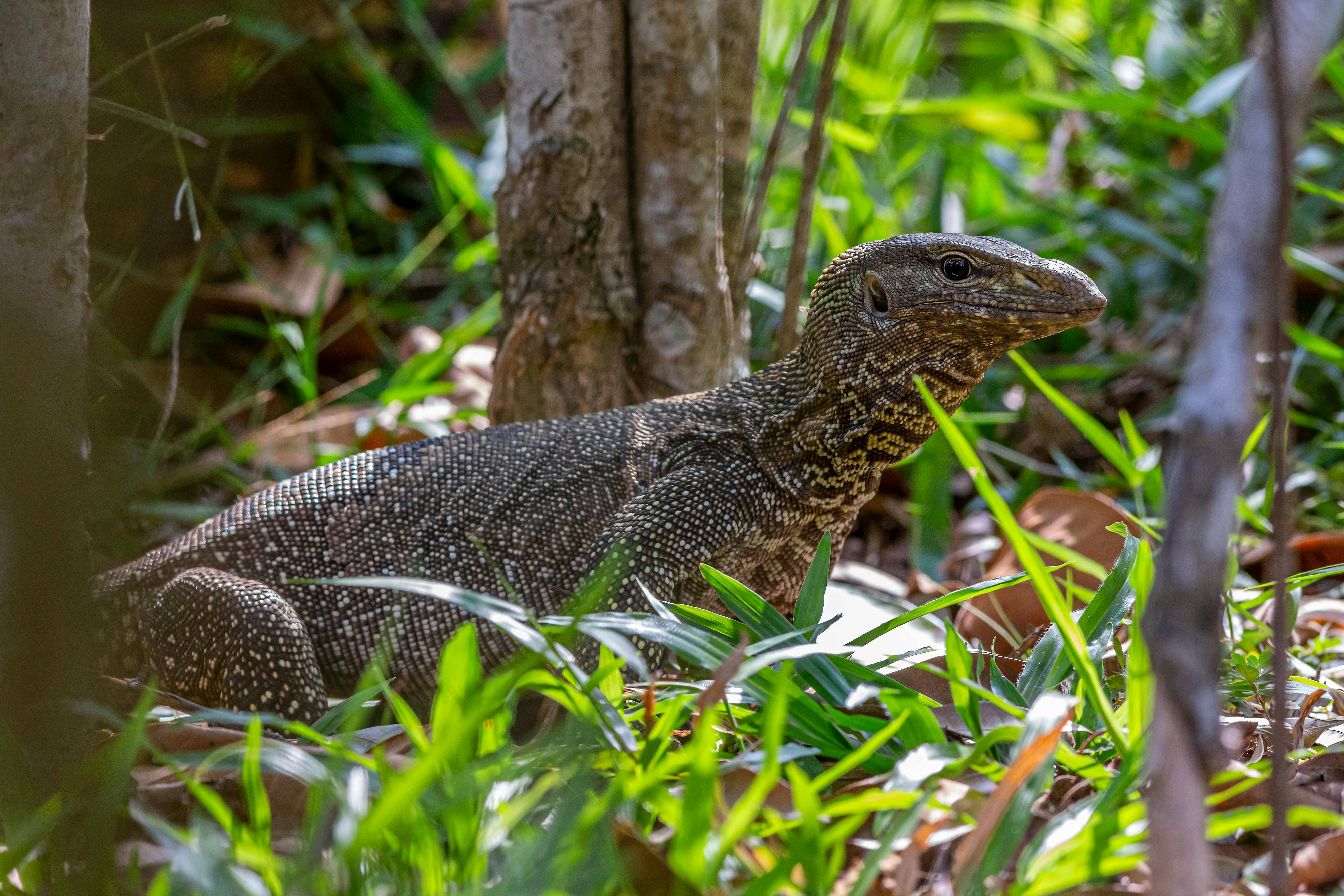
That long, heavy tail? It's not just for dramatic effect. They use it to defend themselves, swim, and even store fat to survive during food shortages.
If you've seen one whip its tail (especially when it's startled), you'll know it's not playing around. These reptiles don't do tail drops like geckos. They mean business.
7. Some can breathe like birds, not just like reptiles
Unlike most reptiles that breathe in a single direction, some monitor lizards (like the savannah monitor) use a unidirectional airflow system in their lungs, according to Scientific American.
This means air moves through their lungs in one continuous loop, similar to birds, allowing for more efficient oxygen exchange.
This unique respiratory system supports their active hunting style and high stamina, setting them apart from many cold-blooded cousins.

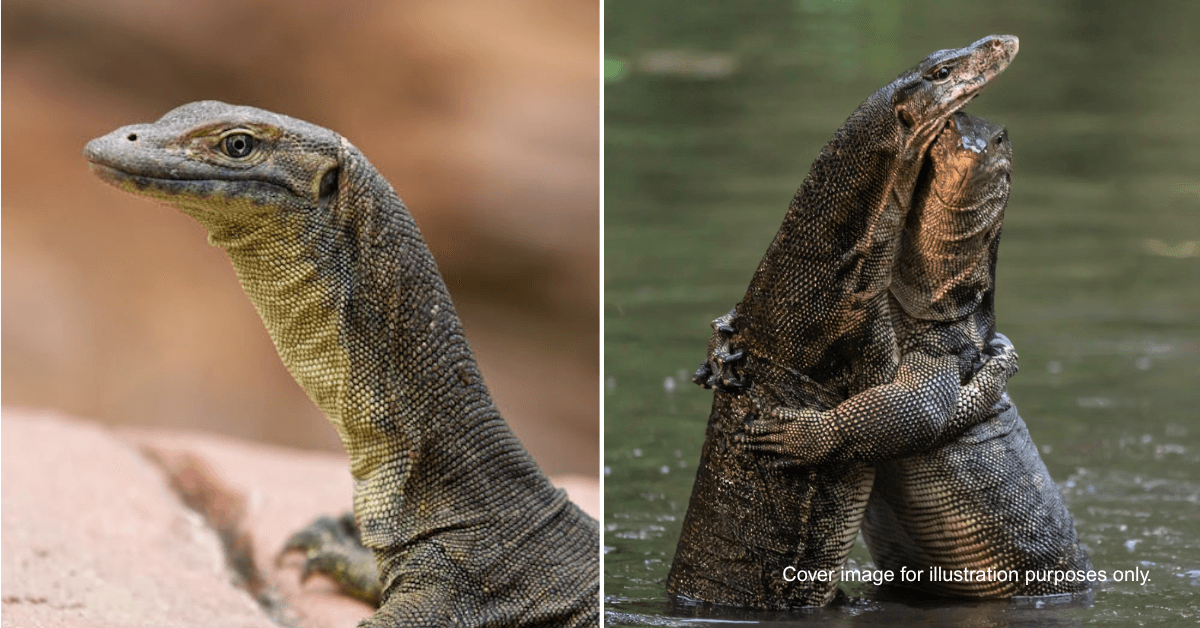
8. They appear to be "hugging" other monitors sometimes
Despite how wholesome it is, that's not what they're actually doing.
According to Wild Shores of Singapore, this means that they're actually are wrestling one another. Typically, the males fight with each other like this to assert dominance.

9. Monitor lizards are among the most intelligent reptiles
According to JSK River Cruise, monitor lizards can even count. Some can remember hiding spots, show self-control, and even "smell" scents from far away.
And yes, they've been spotted solving simple problems and navigating mazes in research studies. So, next time you see one doing its thing near your rumah or a hiking trail, now you know that it probably didn't just aimlessly end up there.
Paws what you're doing and check out Furever Friends for more stories, videos, and updates!

