


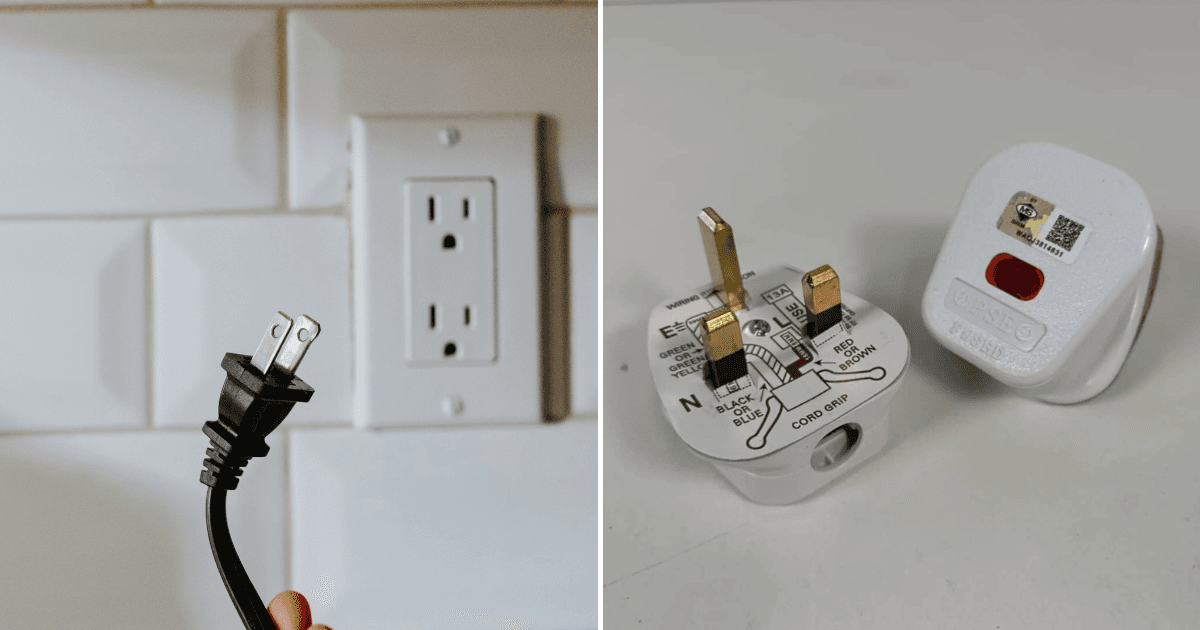
 Cover image via
Follow us on Instagram, TikTok, and WhatsApp for the latest stories and breaking news.
If you've travelled overseas before, you'd know that not every country uses the same sockets that we do
In fact, there are 15 different plugs and sockets used globally. These plugs and sockets are all different in terms of the shapes.
But why so many different plugs and sockets to begin with?
Once a country builds its entire electrical grid around a certain plug type, it becomes extremely expensive and disruptive to change it. You'd have to replace sockets in millions of homes and buildings, update appliances, and phase out old stock.
So instead of switching, most places just kept their original standard and built on top of it.
This is why travel adapters exist and are an essential item for those who travel a lot.
Here's a comprehensive guide to every plug and socket type around the world:
1. Type A and B plugs
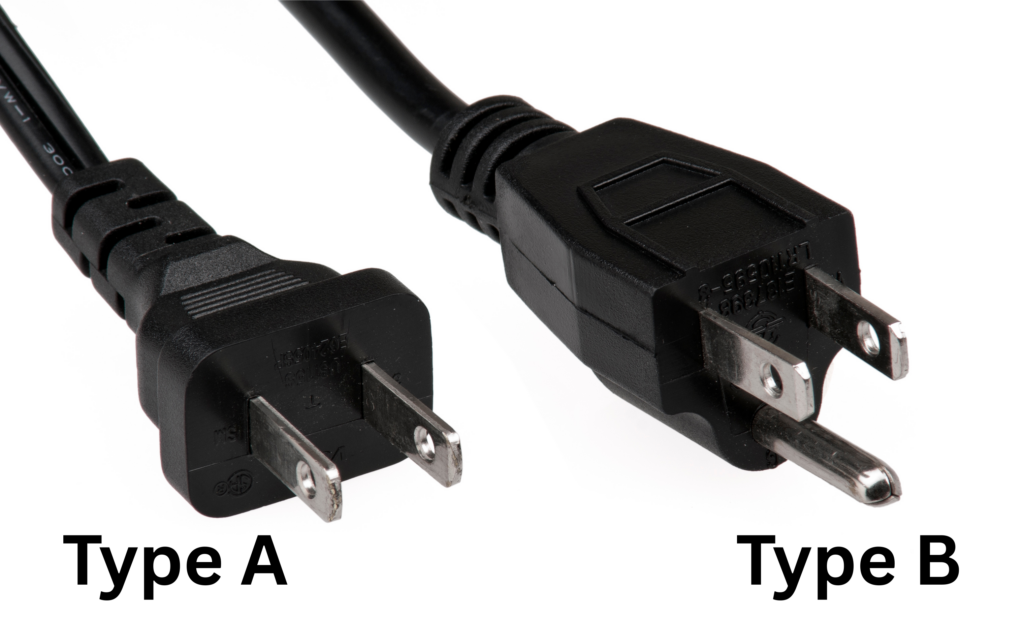
Type A and Type B plugs are typically found in the United States, Canada, Mexico, Japan, and parts of Central America.
The main difference between them is that Type B has a grounding pin while A doesn't.
Both plugs are used to power 100 to 127V systems (Japan: 100V, US/Canada: 120V).
2. Type C plugs
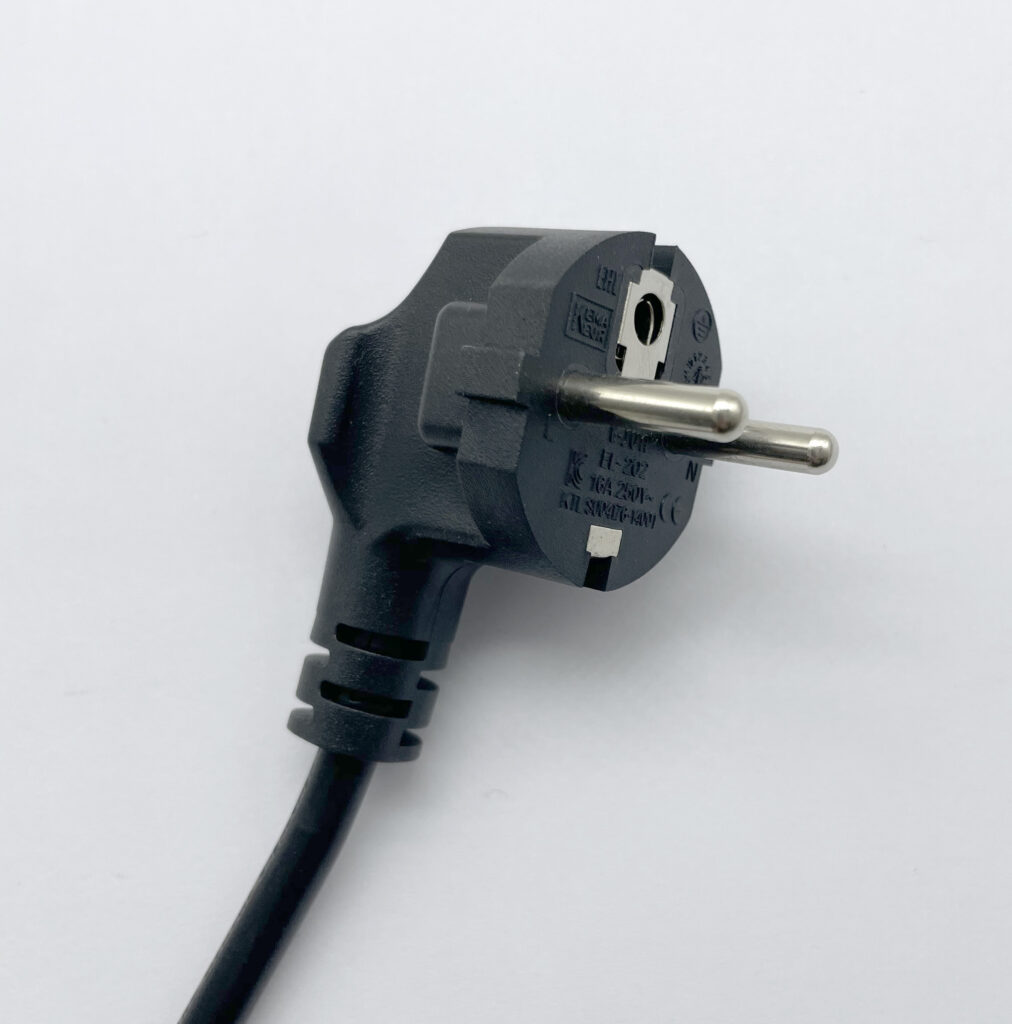
Type C plugs are common across:
- France
- Germany
- Spain
- Italy
- Thailand
- Indonesia
- South Korea
Type C plugs are characterised by their two round pins and can power voltages from 220V to 240V.
They are typically ungrounded and used for low-power devices.
3. Type D plugs
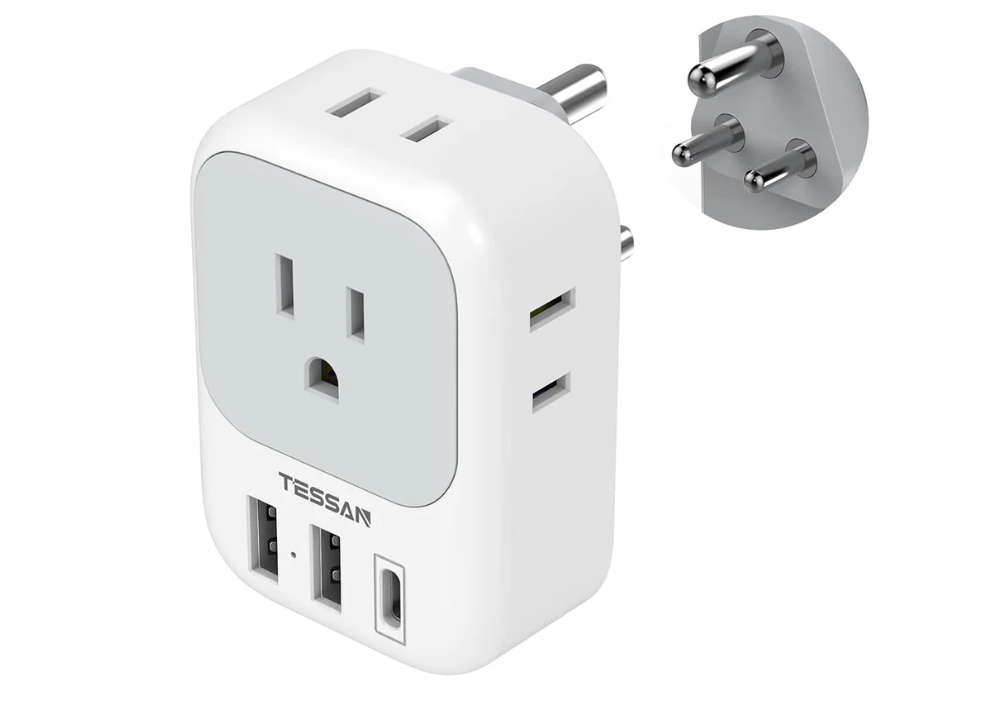
Type D plugs are commonly found in countries like India, Nepal, Sri Lanka, and some parts of Africa.
They can be recognised by three large round pins in a triangular layout with a thick and sturdy construction.
The plugs are usually rated for 220V to 240V systems.
4. Type E plugs
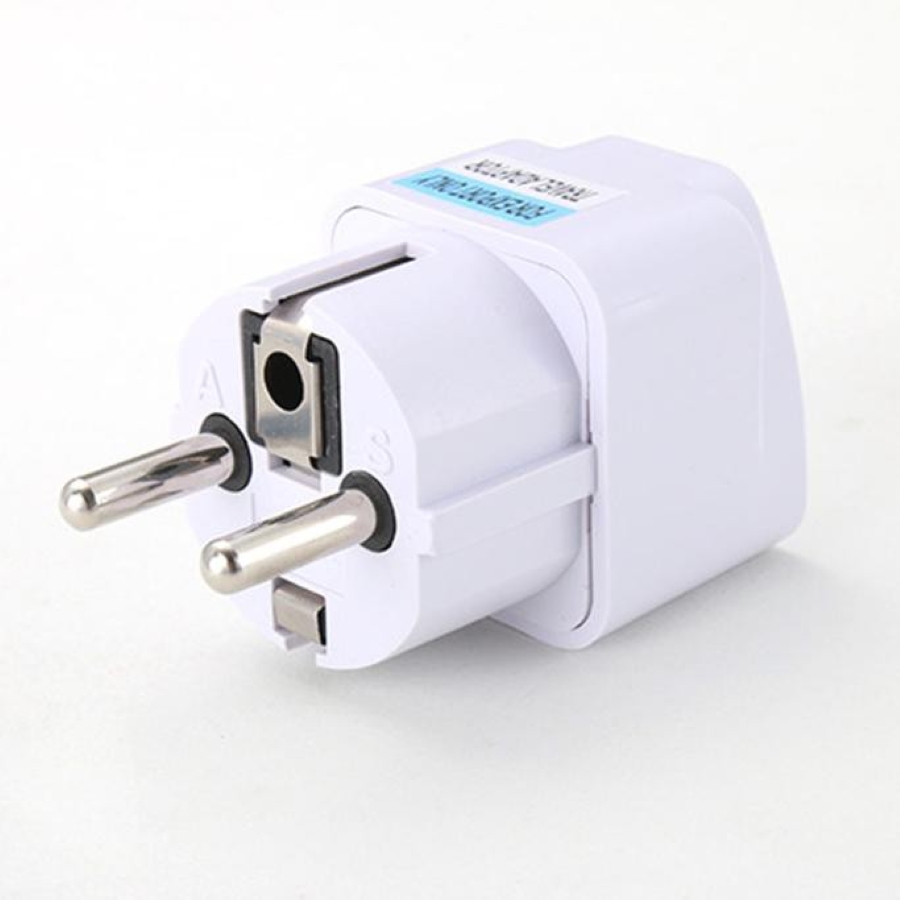
Type E plugs are more commonly found in countries like France, Belgium, Poland, and the Czech Republic.
These plugs have two round pins, a grounding hole built into the plug, and it features socket-based grounding pins. They are typically used to power 220V to 240V systems.
5. Type F plugs
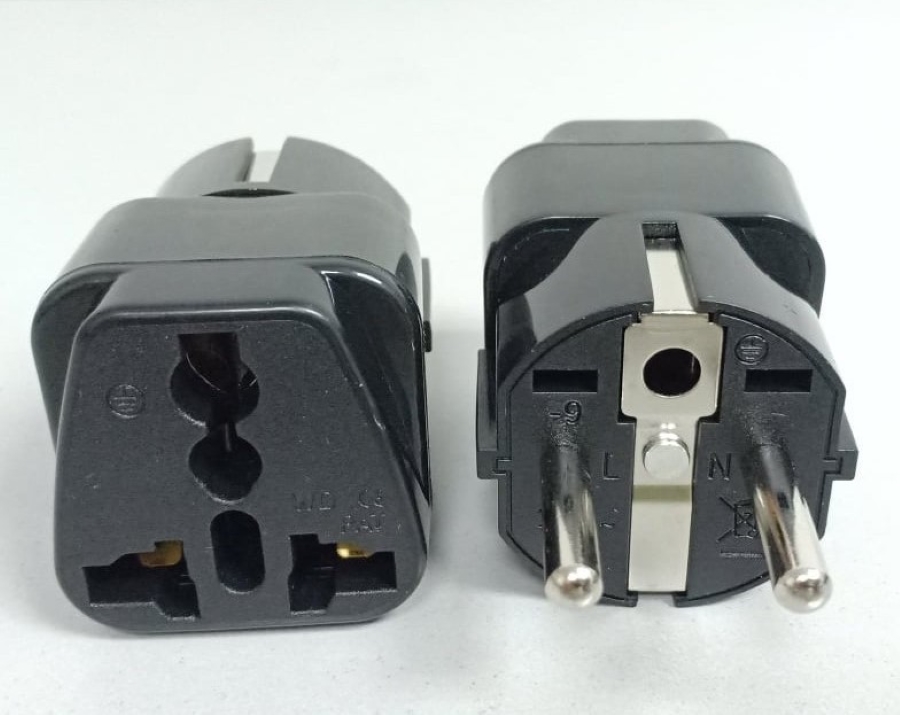
Type F plugs are very similiar to the Type E plugs, the only difference between them is that Type F uses side grounding clips.
Thankfully, many modern European plugs are designed to support both systems, which saves you the effort of bringing multiple adapters for your appliances.
Type F plugs are widely used across:
- Germany
- Netherlands
- Spain
- Portugal
- Austria
It's one of the most common grounded systems in continental Europe, especially for larger appliances and electronics, supporting voltages between 220V to 240V.
6. Type G plug
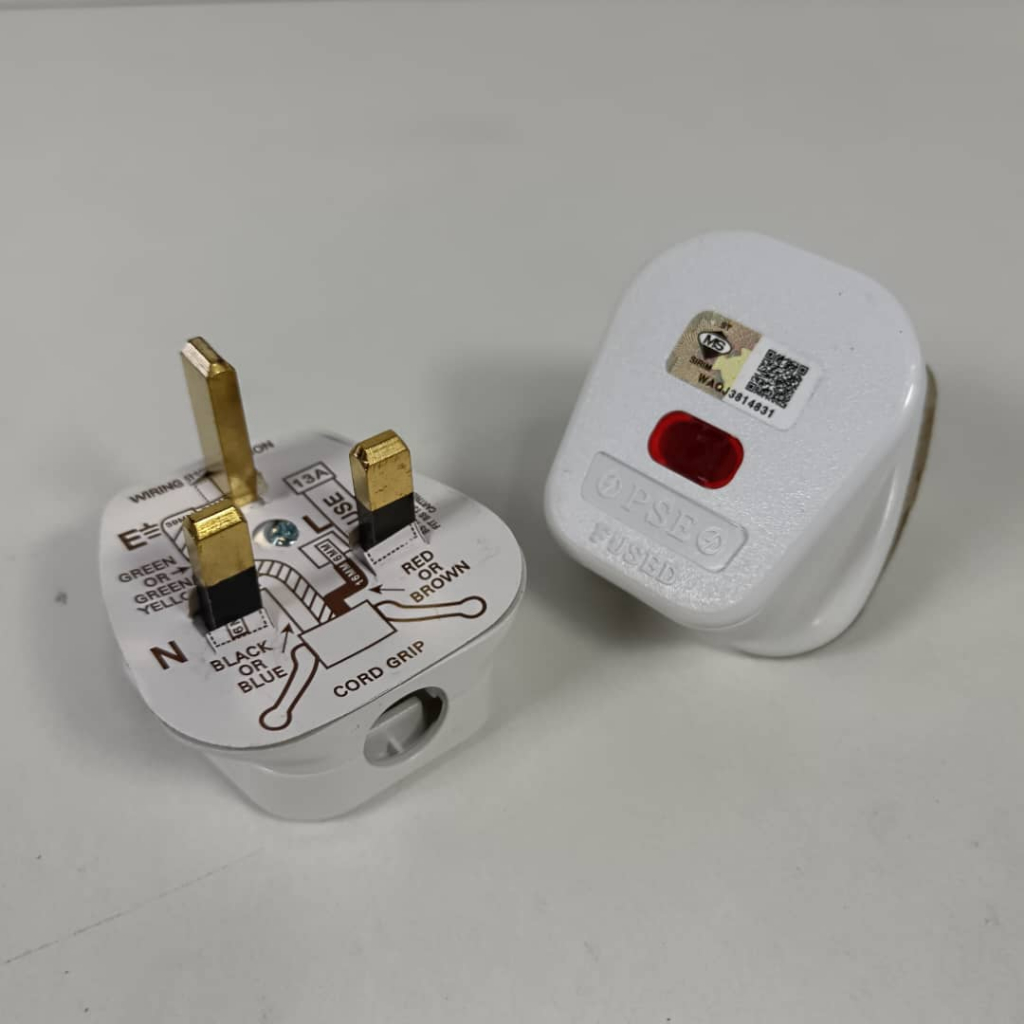
Type G plugs are used in Malaysia, Singapore, Hong Kong, and the United Kingdom.
They have three rectangular pins, a built-in fuse that supports 3A-13A, and can power 220V to 240V systems. They are also designed to be fully grounded.
This makes it one of the safest plug systems globally.
7. Type H plugs
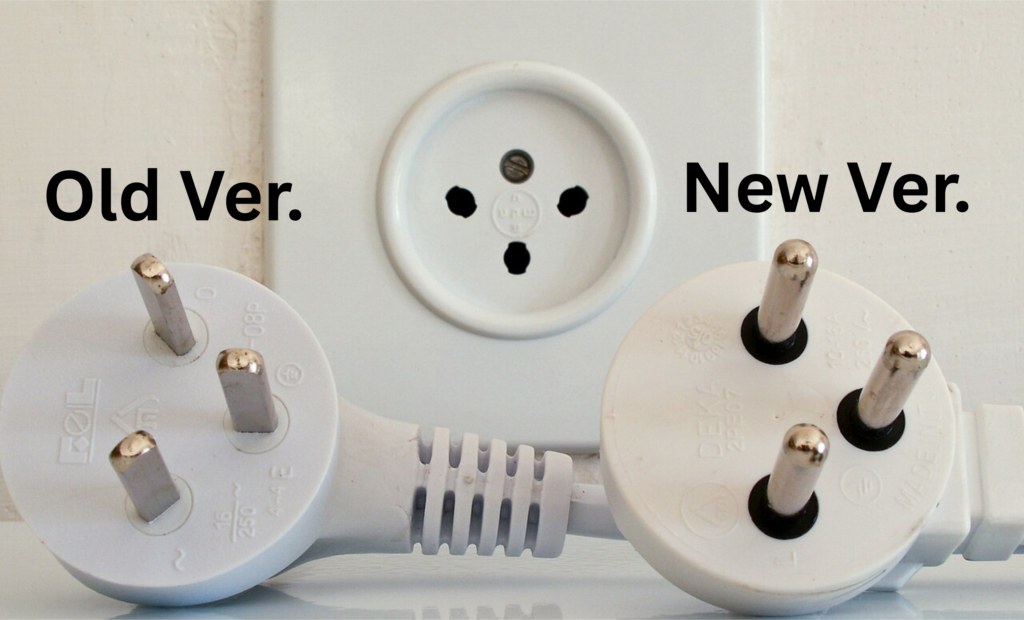
Type H plugs are mainly found in Israel and Palestine. Older Type H plugs originally used flat pins before transitioning to round-pin versions over time.
Currently, they use three pins arranged in a Y-shaped pattern and have unique grounding configurations. It supports 220V to 240V systems and some modern sockets even accept Type C configurations.
8. Type I plugs
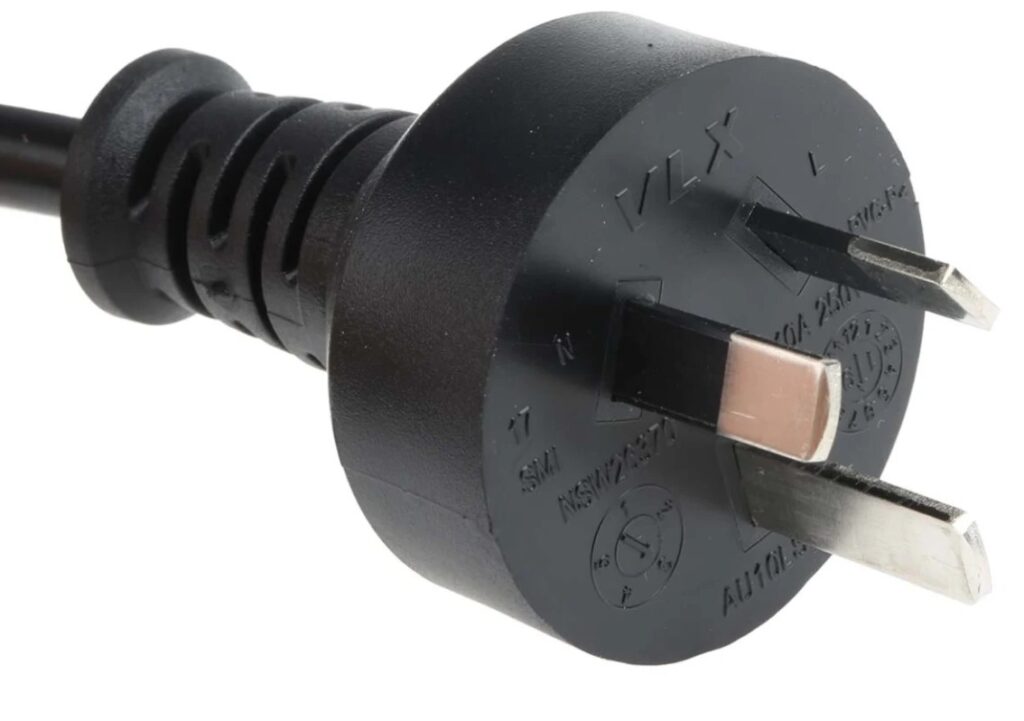
These plugs are typically used in countries like:
- China
- Australia
- New Zealand
They feature angled flat pins and an optional grounding pin. Plus, countries like Australia uses the same 230V system as Malaysia, so you don't need a voltage converter to use their sockets.
9. Type J plug
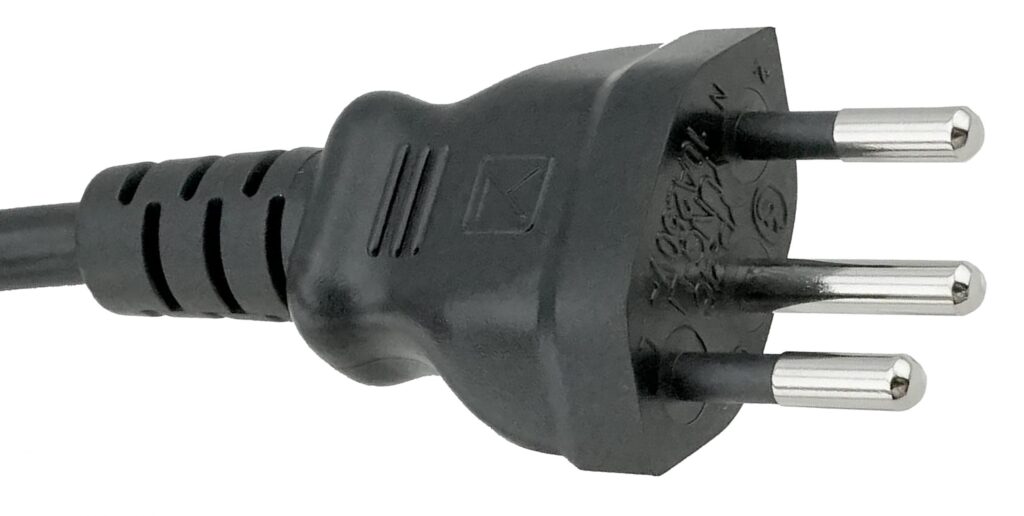
This plug features three round pins that carry a voltage of 220V to 240V.
Exclusive to Switzerland and Liechtenstein, the Type J socket has a slightly recessed design and can also be used with Type C plugs in certain places.
10. Type K plug
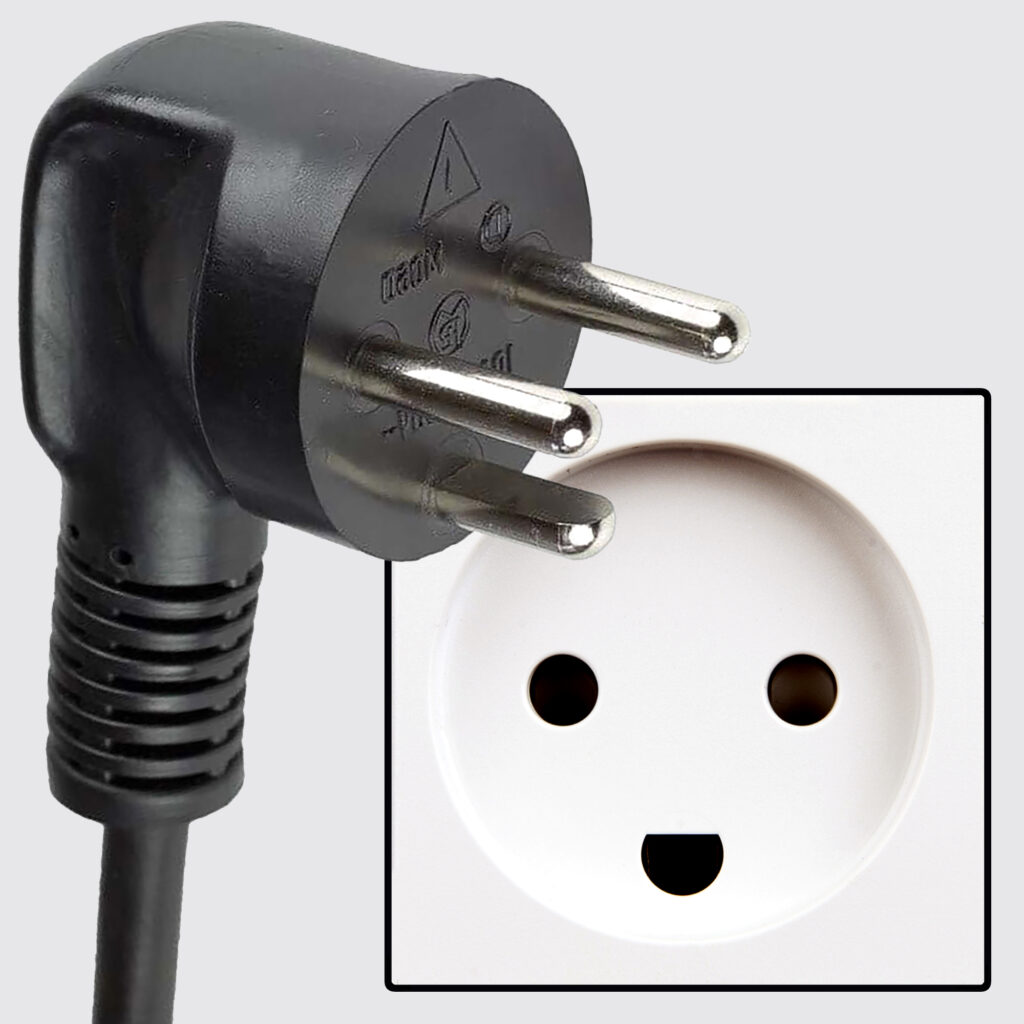
This plug is exclusive to Denmark, Greenland, and the Faroe Islands.
It features two round pins and a grounding pin, with the socket designed to resemble a 'smiley' face.
It's compatible with 220V to 240V systems and is similiar to Type E and F plugs, but not fully compatible.
11. Type L plug
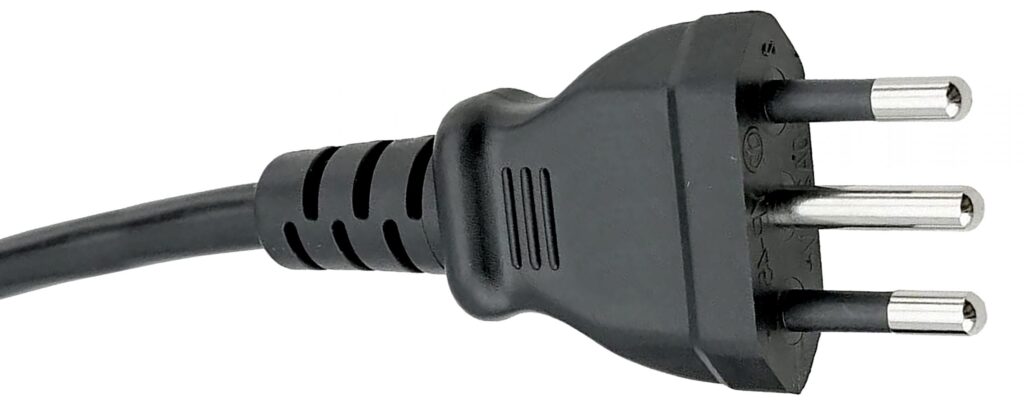
This plug is mainly found in Italy and some areas of Chile, featuring three round pins in a straight line. Modern sockets often accept multiple plug standards.
It comes in two variants: one rated at 10A and another rated at 16A. However, both support systems that range between 220V to 240V.
12. Type M plug
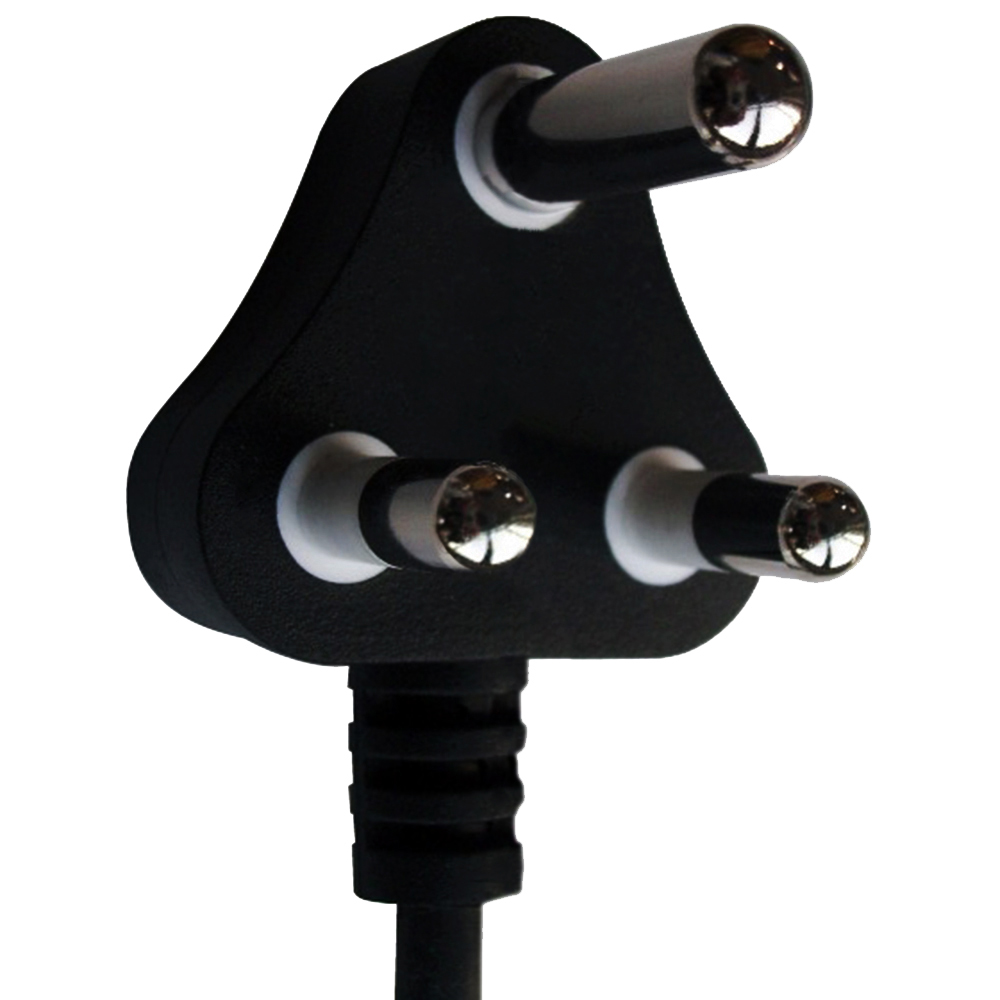
Used in Africa and some parts of India, this plug is characterised by its three large round pins that support higher currents between 16A to 20A.
It's also rated for 220V to 240V of voltage and is often used for air conditioners and industrial equipment.
13. Type N plug
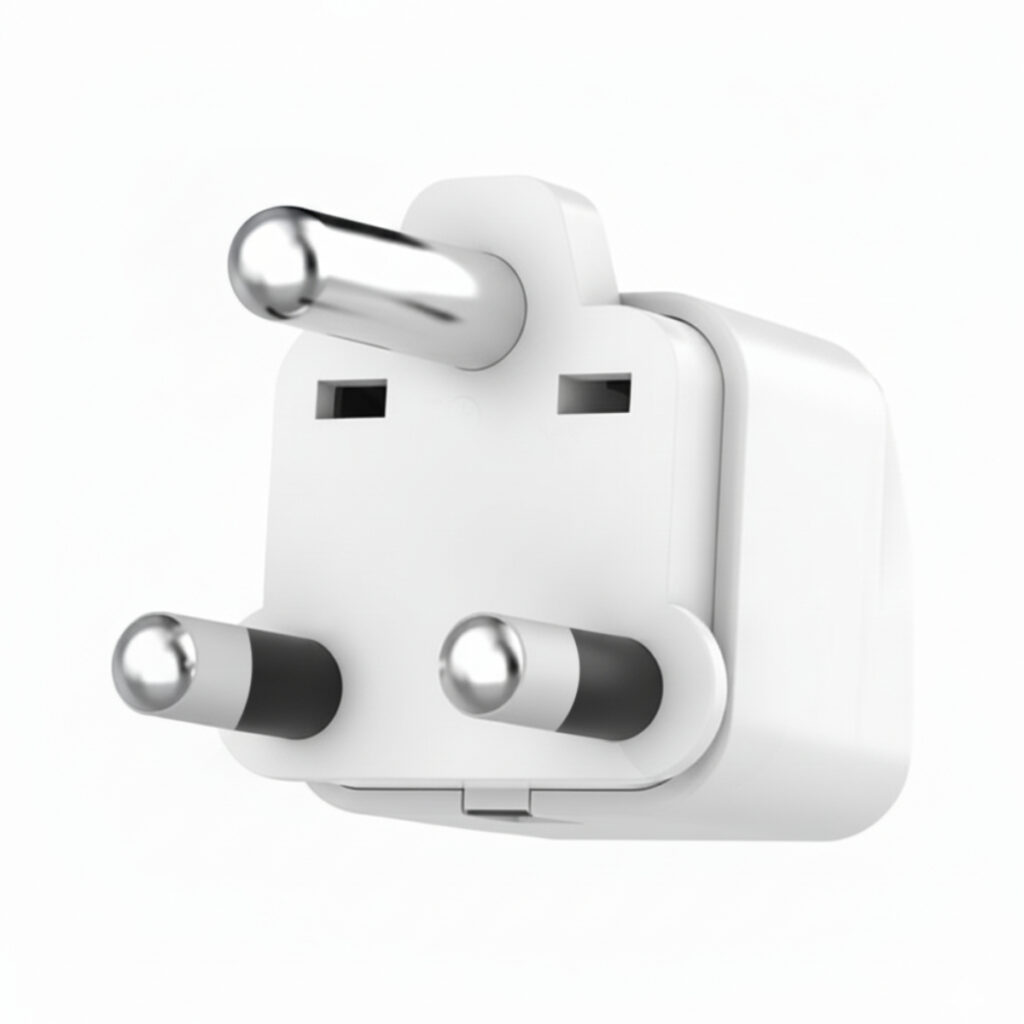
This plug is typically used in Brazil and certain parts of South Africa, and is designed to unify multiple older plug systems into one standard.
They come in 10A and 20A variants, powering 220V to 240V systems.
14. Type O plug
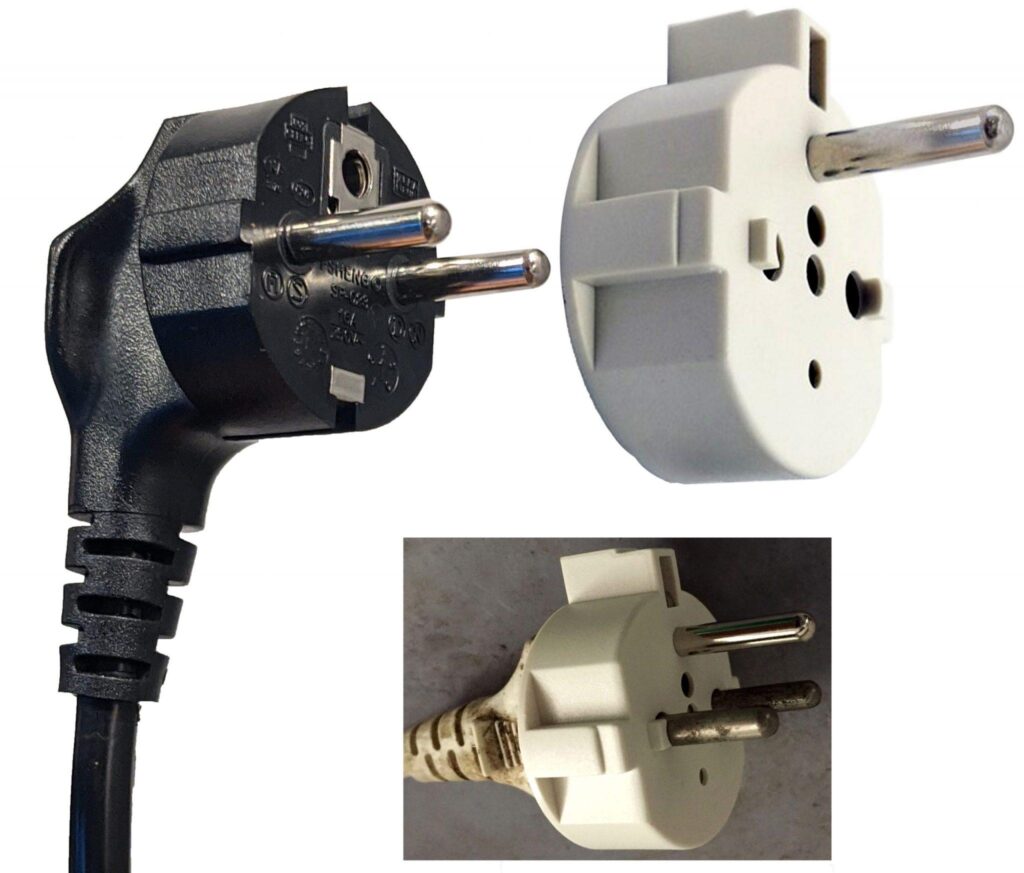
The Type O plug is especially unique to Thailand and it was designed for compatibility with older Thai systems.
It features three round pins that can power 220V to 240V systems.
