


 Cover image via Bernama via Sinar Daily & Rockstar Games via Polygon & Destructive Creations via Steam
Follow us on Instagram, TikTok, and WhatsApp for the latest stories and breaking news.
In the wake of the fatal stabbing at SMK Bandar Utama (4), several Chinese schools have posted a list of 10 games on Facebook, warning parents about the potential harm they could pose to children
The list originated from SJK(C) Nan Yik, a Chinese-medium primary school in Kuala Lumpur, before being reshared by other schools, including SJK(C) Kuen Cheng 2 in Kuala Lumpur and SJK(C) Kong Hoe in Klang.
The post claimed that while children are not inherently evil, the virtual world has the potential to continuously expose and condition them to violence.
"Their hearts may also become indifferent and numb without them realising it. Please remember: Games are not just entertainment; they can also be a hidden killer quietly eroding a child's moral values.
"Controlling your child's game time is not being outdated or mean. It is an expression of parental love and care," read the viral post.
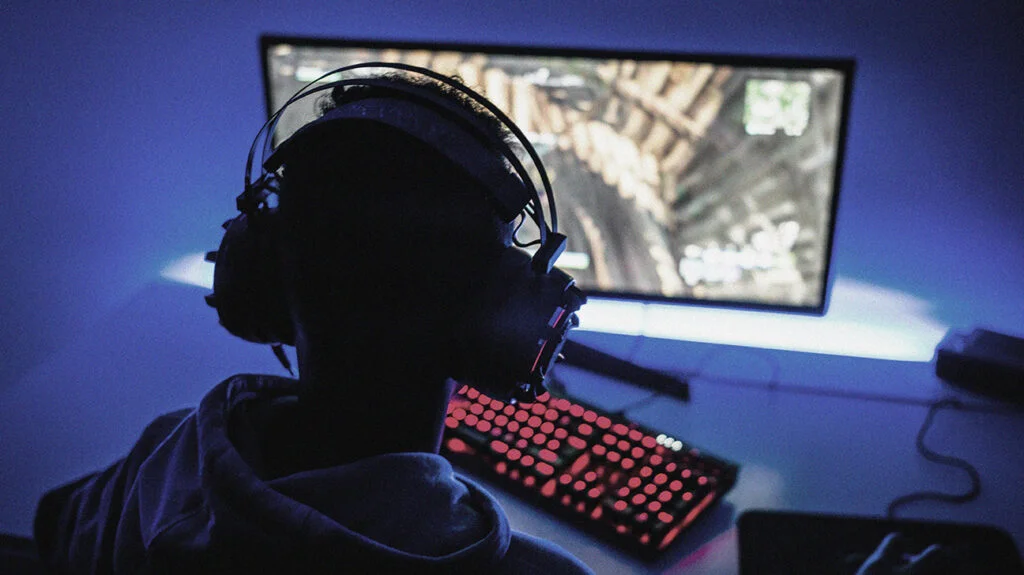
Image for illustration purposes only.
Image via ViejunatorHere are the 10 games and their descriptions as shared by the schools:
1. GTA V (Grand Theft Auto V)
Rating: 18+
Game content includes stealing cars, beating people up, hitting pedestrians, and shooting the police. The more violent the action, the greater the reward. The danger lies in children mistakenly believing that "as long as they can win, doing bad things is fine".
2. PUBG
Rating: 16+
100 people enter a battlefield, and only one can survive in the end. To win, you must eliminate everyone else. Children are unknowingly trained to become "efficient killers", and their brains begin to associate violence with pleasure.
3. Mortal Kombat 11
Rating: 18+
The way battles end involves decapitation, bone-ripping, and tearing bodies apart. The scenes are extremely realistic. Many children under 13 are playing and say, "Oh well, it's just a game."
4. Manhunt
Rating: 18+ (Banned in some countries)
Teaches players to kill in the most brutal ways. The more horrific the kill, the higher the score. This game is banned in the UK and Australia, but can still be downloaded in Malaysia.
5. Yandere Simulator
Rating: 17+
A female student kills people and hides the bodies for the sake of love. The game normalises and romanticises negative emotions like "revenge" and "obsessive love".
6. Resident Evil / The Last of Us
Rating: 18+
Filled with blood, zombies, and violent scenes. Research shows that long-term exposure to such imagery can diminish a child's empathy for others.
7. Doom Eternal
Rating: 18+
The sole mission is to "kill all living things". Over time, children may start to view violence as normal.
8. Tetris Effect (with VR Mode)
Rating: 10+
Seems harmless, but if played for too long, it can cause the 'Game Transfer Phenomenon', where game visuals continue to appear in the mind even after stopping play, affecting the child's sleep and concentration.
9. Postal 2
Rating: 18+ (banned in 12 countries)
Players can urinate on corpses, burn down schools, and shoot civilians. It possesses absolutely no humanistic value.
10. Hatred
Rating: 18+
The only goal: Kill all humans. No morals, no positive messages — only hatred and violence.
While some netizens understood that the post aimed to highlight disturbing and violent games available online, others pointed out that several titles on the list were outdated
Several Facebook users noted that some of the games are AAA titles that most children cannot afford, making it unlikely that teenagers or younger players would have access to them, as such games are primarily marketed to adults with disposable income.
Some netizens also argued that they had played these games during their childhood and did not grow up to become violent, urging schools and parents not to blame video games for what they see as failures in proper guidance.
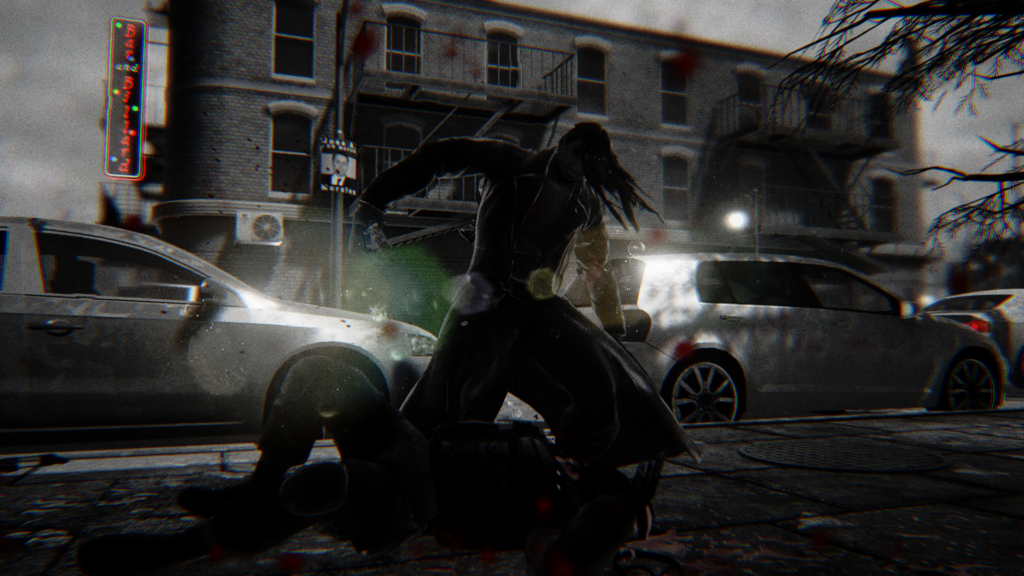
'Hatred', one of the games featured on the list.
Image via Destructive Creations via SteamTo better understand the issue, we spoke to Tan Cheng Yi, a chartered educational psychologist, who shared her insights on how gaming influences children's behaviour
According to Tan, who has more than two decades of experience working with children, parents should monitor their children's gaming habits the same way they monitor their diet.
"Just like food and nutrition, parents need to be aware of what children are consuming through their screen time.
"While food affects their physical health, games and media impact their brain development and behaviour," she said.
Tan emphasised that parents must take an active role in managing what their children play, especially for those under 12.
She advised parents to be the ones installing or uninstalling games after vetting them, and to set clear limits and rules for when, where, and how long screens can be used.
When asked whether such a viral post helps or creates unnecessary fear, Tan said it could be both.
"It's information that can make us more aware," said Tan, who is also a mother of three.
"I had never heard of most of the games listed, so it was enlightening. It made me search them up."
However, she cautioned that social media can easily amplify fear and anxiety among parents.
Instead of reacting by banning all games, she said it would be more constructive for parents to use such information as a starting point to reflect, have open conversations with their children, and stay observant without overreacting.

Chartered educational psychologist Tan Cheng Yi.
Image via BFM The Bigger Picture (Facebook)Tan said research has long shown that exposure to violence can influence behaviour, but the relationship between video games and aggression is complex
"As far back as the 1960s, behavioural psychologists showed that violence begets violence.
"However, not all children who play violent games become violent themselves."
She explained that children who grow up with proper supervision, healthy social interactions, and strong emotional guidance are less likely to be affected by violent game content.
"Children can learn to think for themselves and distinguish between virtual and real life.
"If they grow up in a supportive environment with healthy activities, games will just be a small part of their lives.
"But if possible, avoid violent ones. Why choose them when there are so many better games to play?" she asked.
Beyond gaming, Tan believes schools and parents must prioritise character and emotional development alongside academics
She argued that the current school curriculum often leaves little room for moral and social learning.
"Schools have too many non-essential subjects.
"We should focus less on textbooks and more on social, physical, and character development. Moral values are not something you memorise to pass an exam. You learn them from real-life experiences and good role models."
Tan also noted that teachers play a crucial role in shaping students' moral growth, yet their efforts are often undervalued.
"Teachers are burdened by exam-oriented goals. We need to empower them to guide children ethically and emotionally, not just academically."
Ultimately, Tan did not downplay the effects of excessive gaming, which she said can hinder children's ability to develop empathy, communication, and other interpersonal skills. She said these qualities are best nurtured through real-world interactions and social experiences.
She urged parents and teachers to encourage children to spend more time with them and others to learn how to navigate relationships.
"It's only by engaging with others that children truly develop their self-identity and understand their role within the community," Tan said.
Learn more about the case here:

Mum Of Bandar Utama Victim Thanks Malaysians For Outpouring Of Love After Tragedy
"In this time of unimaginable sorrow, our hearts are filled with both grief and gratitude," she wrote.