 Cover image via
 Follow us on Instagram, TikTok, and WhatsApp for the latest stories and breaking news.
Polycystic Ovary Syndrome (PCOS) has officially been renamed following 14 years of global consultation and campaigning by researchers, clinicians, and patient groups
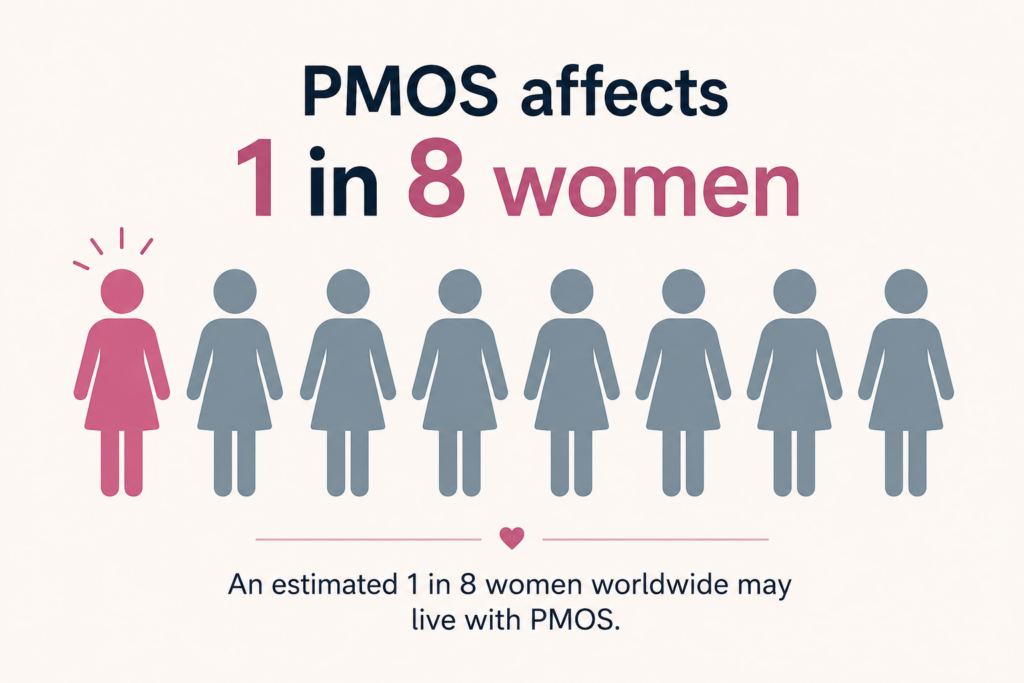
The condition will now be known as Polyendocrine Metabolic Ovarian Syndrome (PMOS) — a name experts say better reflects the complex hormonal disorder that affects up to one in eight women worldwide.
The name change was published in The Lancet medical journal on Tuesday, 12 May, after years of consultation involving more than 50 patient and professional organisations.
It followed calls to move away from a term many say is medically misleading.
For years, the name "polycystic ovary syndrome" suggested the condition was mainly gynaecological, involving cysts in the ovaries.
However, experts say this is inaccurate, as the condition is primarily endocrine — meaning related to hormones.
The term "cyst" has also long been considered misleading, as the ovaries typically contain multiple small immature follicles — not true pathological cysts. These follicles form when ovulation is disrupted by hormonal imbalance and are one possible feature used in diagnosis.
Under current diagnostic criteria, the condition is diagnosed when a patient meets at least two out of three features: excess androgen hormones, irregular menstrual cycles, or ovaries containing multiple arrested follicles visible on ultrasound.
While those diagnostic criteria remain unchanged, PMOS is now understood as a broader endocrine and metabolic disorder involving hormonal imbalances that can affect multiple systems in the body, including reproductive, skin, mental, and long-term metabolic health.

Professor Helena Teede, who led the renaming initiative, said the previous term oversimplified a complex condition and contributed to confusion, delayed diagnosis, and inadequate treatment
"What we now know is that there is actually no increase in abnormal cysts on the ovary, and the diverse features of the condition were often unappreciated," said Teede, director of the Monash Centre for Health Research and Implementation.
According to the Endocrine Society, researchers now describe PMOS as a neuroendocrine-metabolic-reproductive disorder. At its core, PMOS is driven by imbalances in insulin and androgen hormones.
Insulin resistance, where the body struggles to regulate blood sugar, affects most people with the condition and can raise androgen levels. High androgen levels are linked to symptoms such as acne, excess facial or body hair, scalp hair thinning, and irregular periods.
These hormonal changes can also increase the risk of serious health conditions, including type 2 diabetes, gestational diabetes, fatty liver disease, high blood pressure, and cardiovascular disease.

Professor Helena Teede
Image via MCHRI (YouTube)Experts say the new terminology shifts understanding away from the outdated idea of a "cystic ovary condition" to recognising PMOS as a "whole-body endocrine and metabolic disorder that also affects ovarian function"
The proposed renaming reflects the science:
P = polyendocrine (multiple hormone systems)
M = metabolic (insulin resistance, diabetes risk)
O = ovarian (reproductive dysfunction is real and central)
S = syndrome (multi-system condition)
A global implementation strategy is now underway, including a transition period, educational efforts, and updates to medical classification systems.
Researchers hope the change will improve awareness, diagnosis, and treatment for a condition that has long been misunderstood despite affecting millions worldwide.
Watch Teede explain the name change here:
Let's normalise conversations around women's health through education, community, and action
Click here to Just Flow With It.