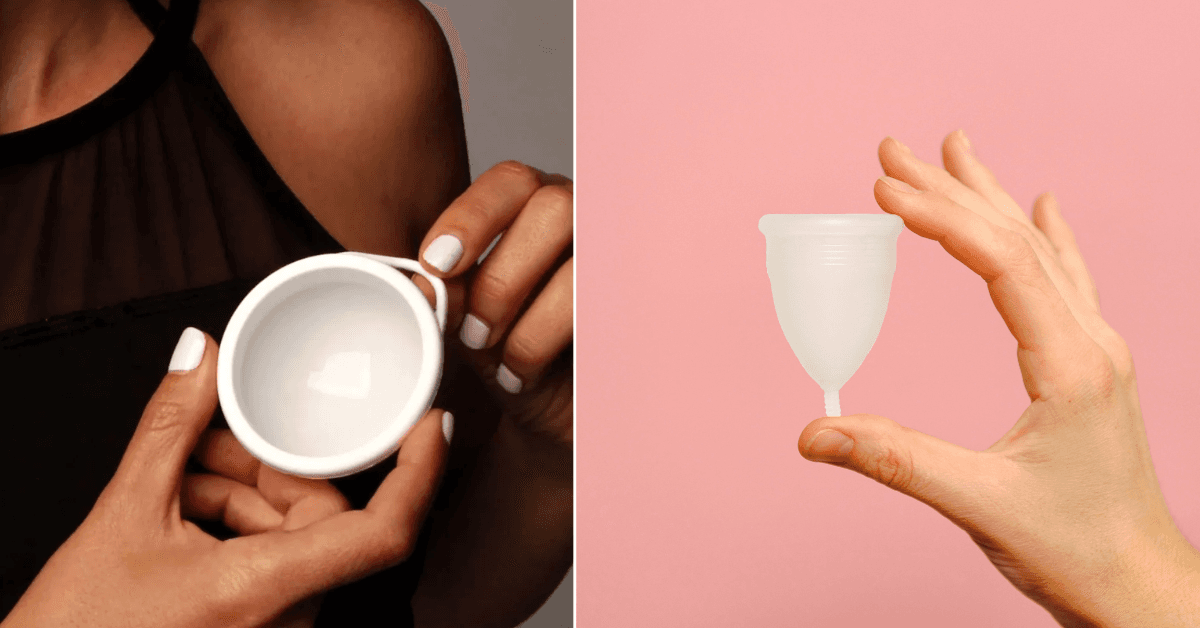
 Cover image via
Follow us on Instagram, TikTok, and WhatsApp for the latest stories and breaking news.
Menstrual cups and discs have been getting more popular over the past few years, especially among people looking for more comfortable, eco-friendly, and long-lasting alternatives to pads and tampons
But while they may look similar at first glance, they actually work quite differently, and choosing between them depends a lot on your body and lifestyle.
Here's a simple breakdown to help you decide which one might suit you better
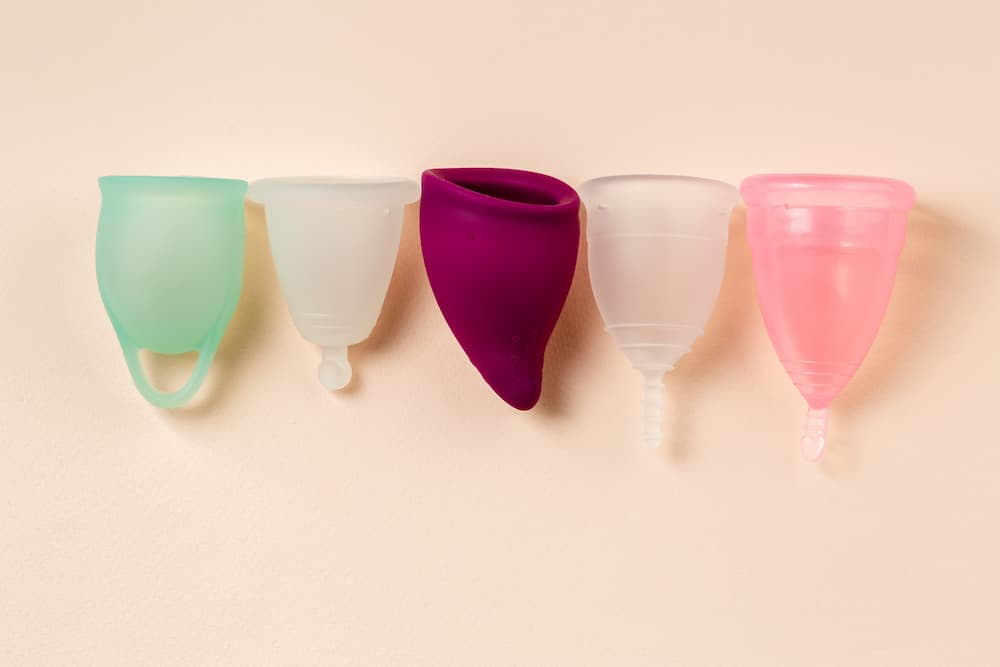
A menstrual cup is a small, flexible cup, usually made from medical-grade silicone, that sits inside the vaginal canal and collects blood instead of absorbing it
Once inserted, the cup opens and creates a gentle seal against the vaginal walls to prevent leaks.
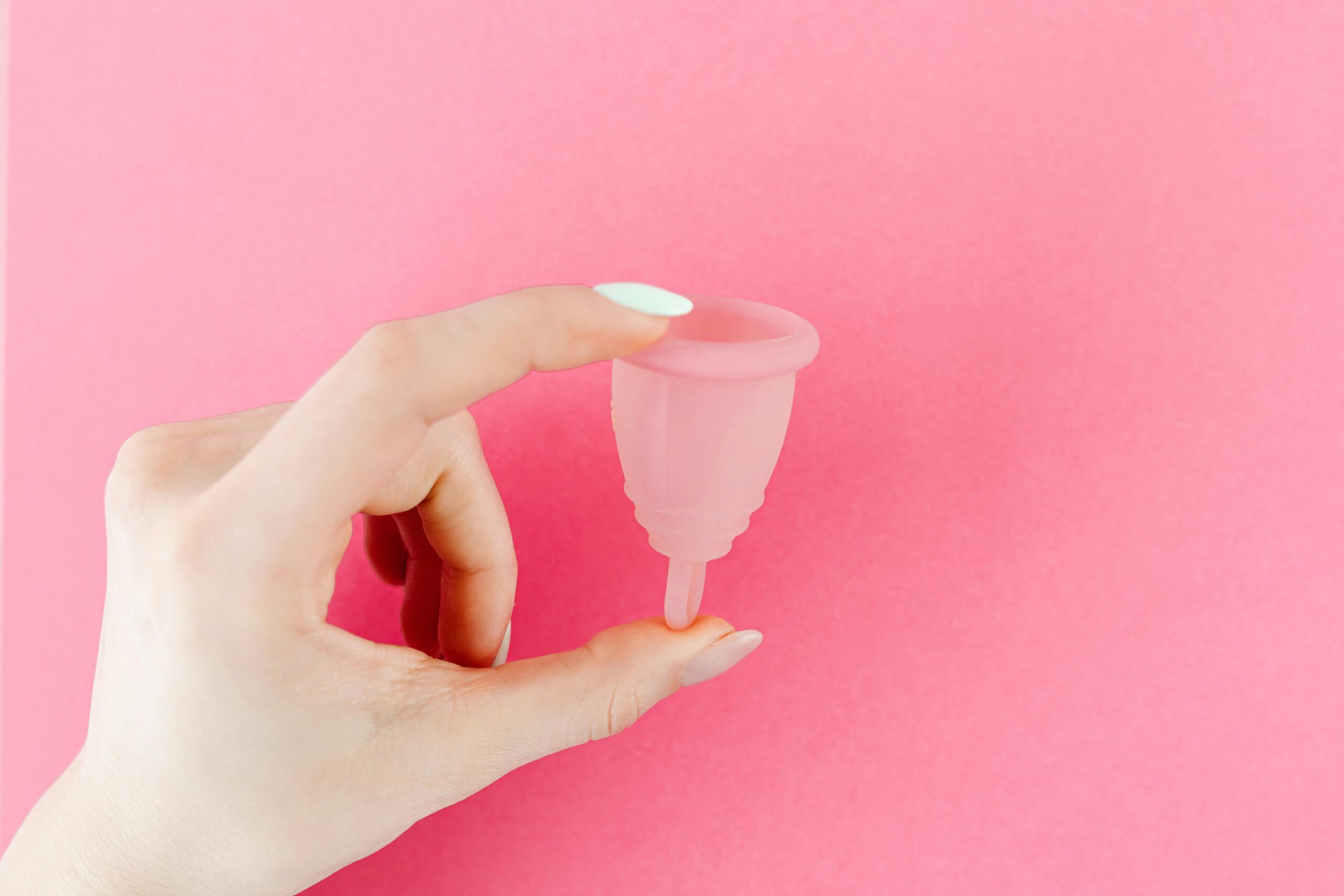
Most cups:
- Can be worn for up to eight to 12 hours
- Hold more fluid than tampons
- Are reusable for several years with proper care
To remove it, you pinch the base to release the seal, empty it, rinse, and reinsert.
Best for:
People who want a reliable, low-maintenance option that stays securely in place throughout the day, including during workouts or long work hours.
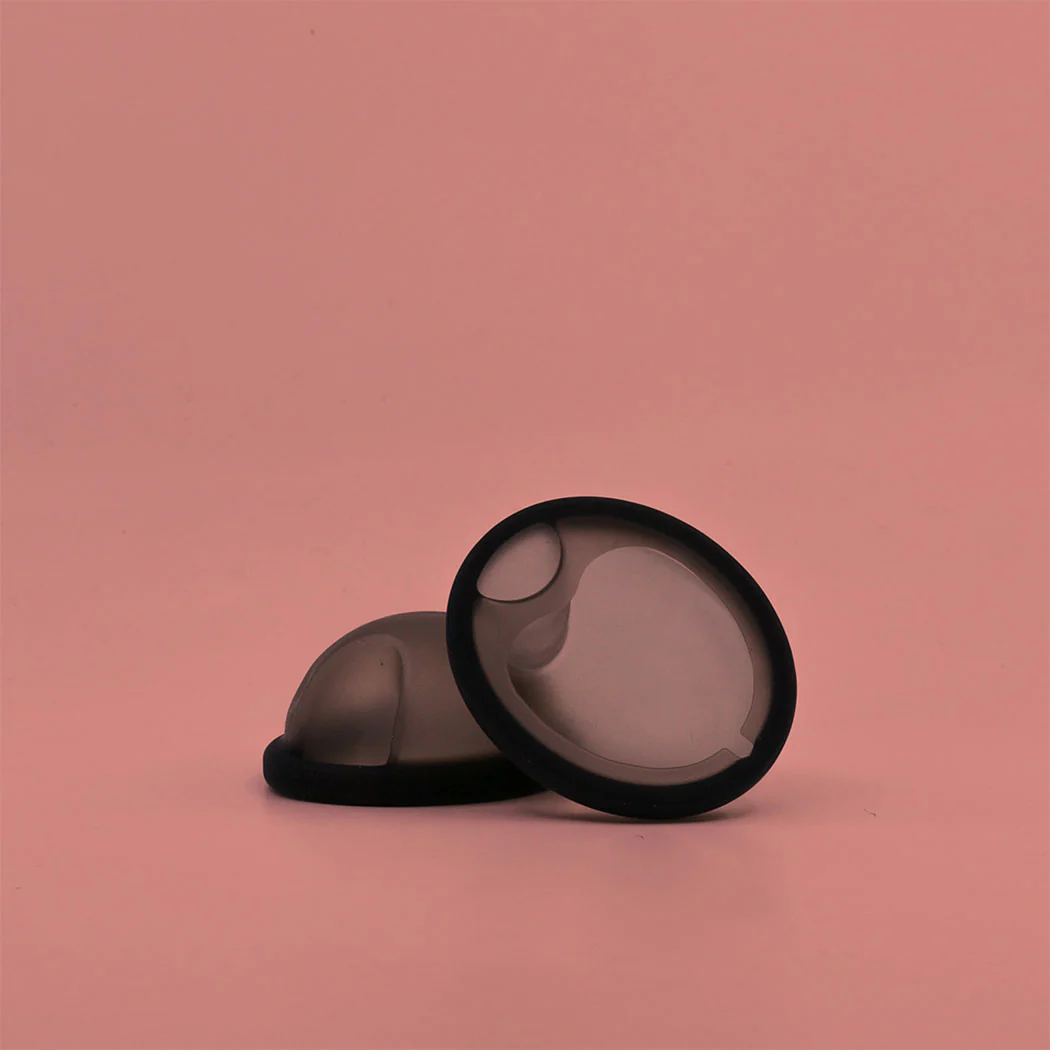
A menstrual disc looks flatter and wider than a cup, almost like a soft bowl with a flexible rim
Instead of sitting in the vaginal canal, a disc sits higher up, tucked behind the pubic bone at the base of the cervix. It doesn't rely on suction to stay in place. It's held by your anatomy instead.
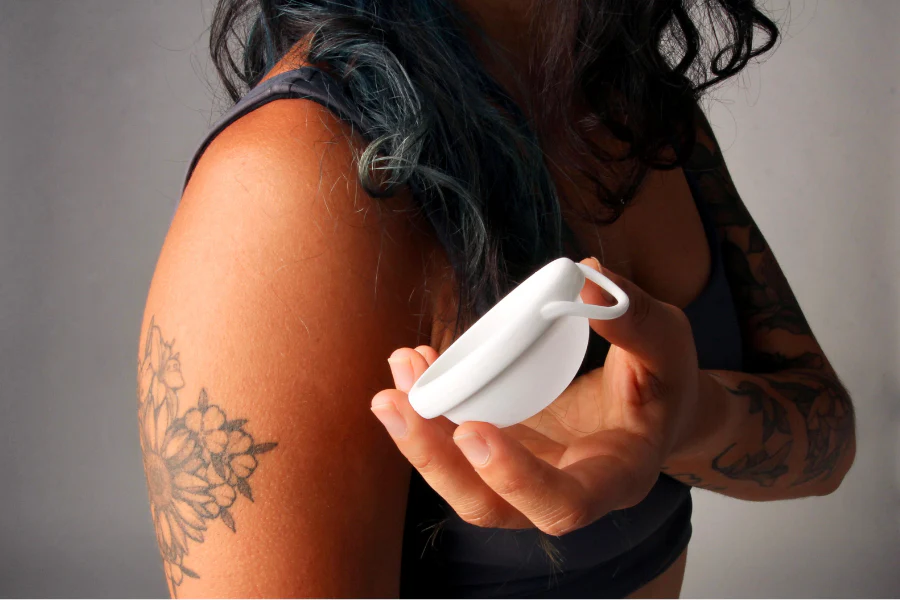
Most discs:
- Can also be worn up to 12 hours
- Typically hold even more fluid than cups
- May allow mess-free period sex (because of their higher placement)
Removal involves hooking a finger under the rim and gently pulling it out.
Best for:
People who find cups uncomfortable, experience bladder pressure, or want something that feels less noticeable once inserted.
So… how do you actually choose?
This is where personal anatomy plays a huge role.
Some cup users love the secure seal, but others notice pressure on their bladder or feel the suction during removal.
Discs, on the other hand, don't create suction, which can make them feel more natural for some bodies.
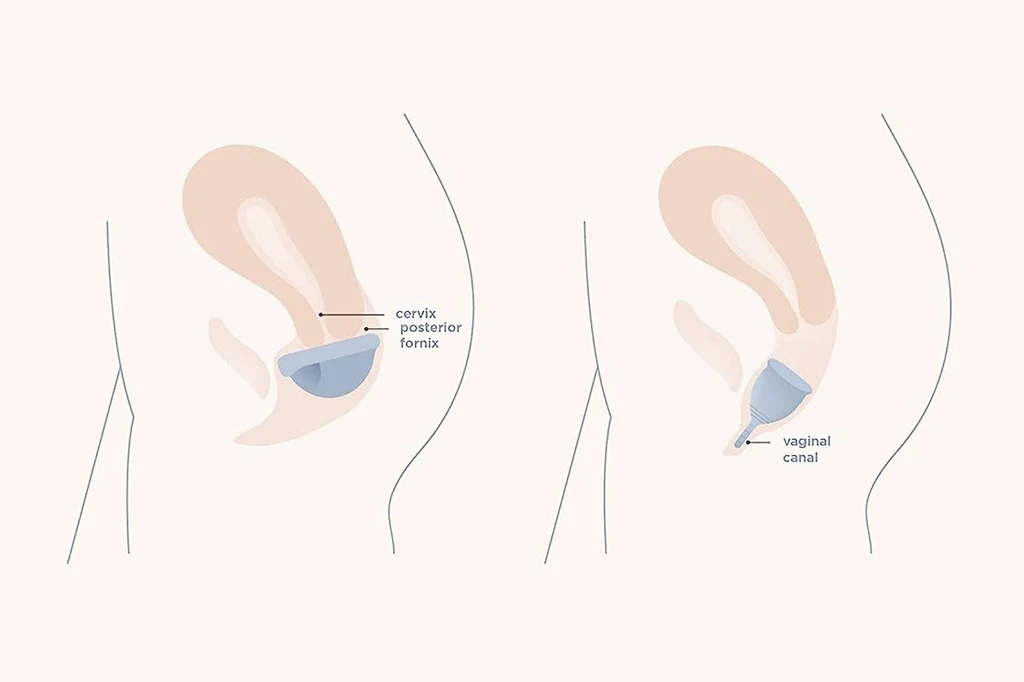
If you:
- Have a low cervix, a smaller cup may work better.
- Have a high cervix, discs are often easier to position comfortably.
- Feel discomfort with tampons, a disc might surprisingly feel better because it sits higher.
There's often a bit of trial and error involved, and that's completely normal.
Of course, everything is subjective and based on personal preference.
People with a very high cervix may sometimes find discs difficult to reach for removal, especially if the disc doesn't have a removal tab or loop.
Your daily routine can influence which option fits better
A menstrual cup might suit you if you:
- Exercise or run regularly
- Want minimal movement once inserted
- Prefer a structured shape that's easier to grip during removal
A menstrual disc might suit you if you:
- Want something you barely feel
- Experience cramps worsened by tampons
- Prefer less suction or pressure internally
Both options are reusable and significantly reduce waste compared to disposable products
Typical care of menstrual cups and discs includes:
- Rinsing between uses during your cycle
- Sterilising in boiling water before and after each period
- Storing in a breathable pouch
With proper care, many reusable products last three to 10 years, making them more cost-effective over time.
It is important to note that neither a cup nor a disc is a form of contraception. They do not protect against pregnancy or STIs.
There isn't a universally "better" option, only what works best for your body
A simple way to decide:
- Choose a menstrual cup if you want stability, familiarity, and a secure seal.
- Try a menstrual disc if comfort, flexibility, or curiosity about a suction-free option appeals to you.
Many people actually end up trying both before finding their favourite, and some switch depending on flow days or activities.
At the end of the day, the goal isn't to find the perfect product immediately, but to discover what makes your period feel a little easier to manage.
The information provided is for educational and communication purposes only and it should not be construed as personal medical advice. Information published in this article is not intended to replace, supplant or augment a consultation with a health professional regarding the reader's own medical care.
Sources: myDoctor.au, Cleveland Clinic, Healthline, JAMA Network
Let's normalise conversations around women's health through education, community, and action
Click here to Just Flow With It.