 Cover image via
 Follow us on Instagram, TikTok, and WhatsApp for the latest stories and breaking news.
As access to medical care improves and more research is dedicated to women's health, we now have better awareness of conditions that commonly affect people with uteruses
Many reproductive system conditions — including PCOS, endometriosis, fibroids, and ovarian cysts — can affect periods, fertility, and overall quality of life. Yet despite how common they are, confusion about what they actually mean remains widespread.
Understanding the differences starts with knowing the basics, including the common types of growths that can develop in the uterus and ovaries.
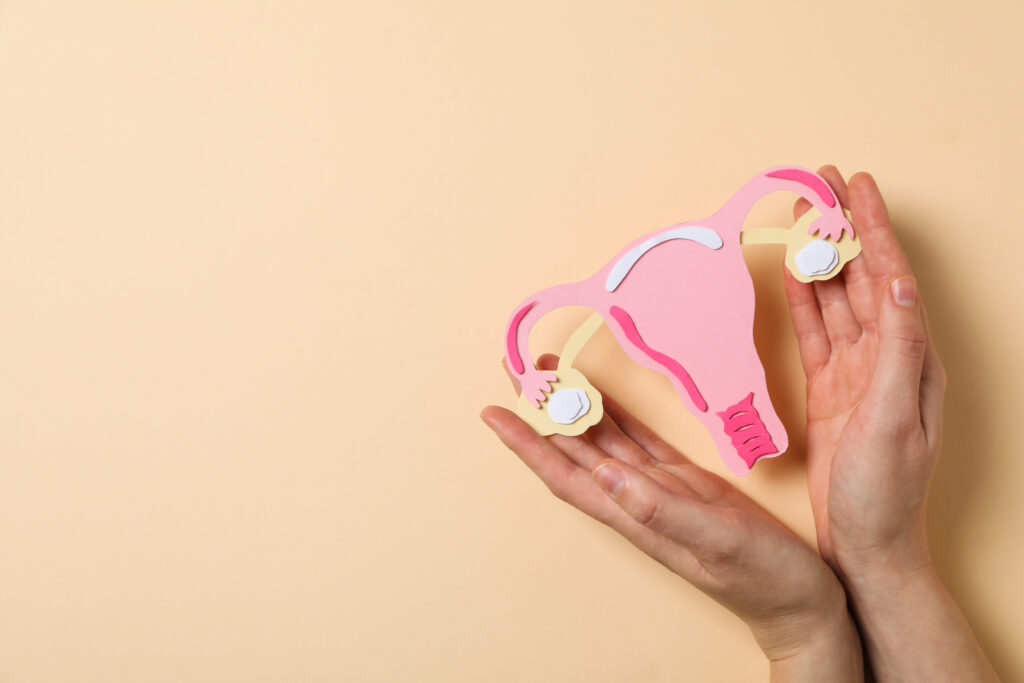
Here's a breakdown of the differences between polyps, fibroids, and cysts:
1. Uterine polyps
These are usually benign growths that develop on the inner lining of the uterus.
They form due to an overgrowth of endometrial tissue and can range from very small to several centimetres in size. You can have one polyp or many of them at once. While some people may not experience any symptoms, others may have heavy periods, irregular menstrual bleeding, or difficulty conceiving.
2. Uterine fibroids
These are also very common benign growths, but unlike polyps, they develop in the muscular wall of the uterus rather than the lining inside.
Fibroids can vary greatly in size — from tiny growths that are barely detectable on ultrasound to large masses that can distort the uterus. They most commonly affect women during their reproductive years.
Like polyps, they can also cause heavy bleeding. However, fibroids are known to cause severe pelvic pain or pressure, frequent urination, backache, and constipation.
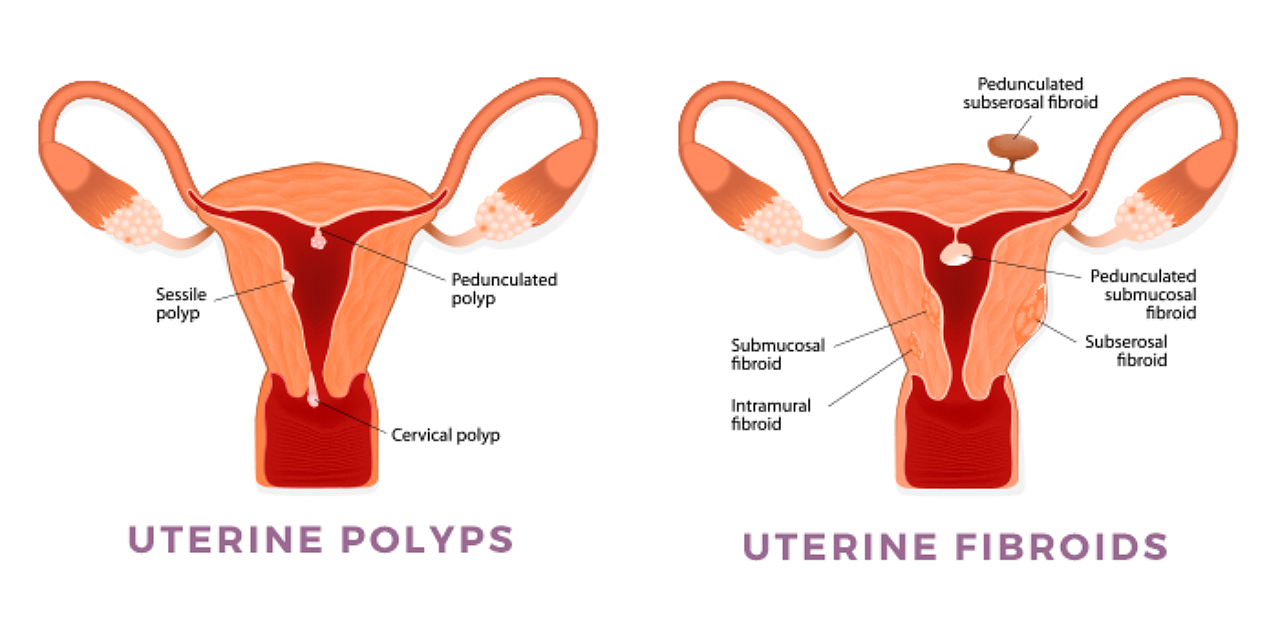
Uterine polyps occur on the inner lining of the uterus, while uterine fibroids develop in the muscular wall.
Image via The Fibroid Treatment Collective3. Ovarian cysts
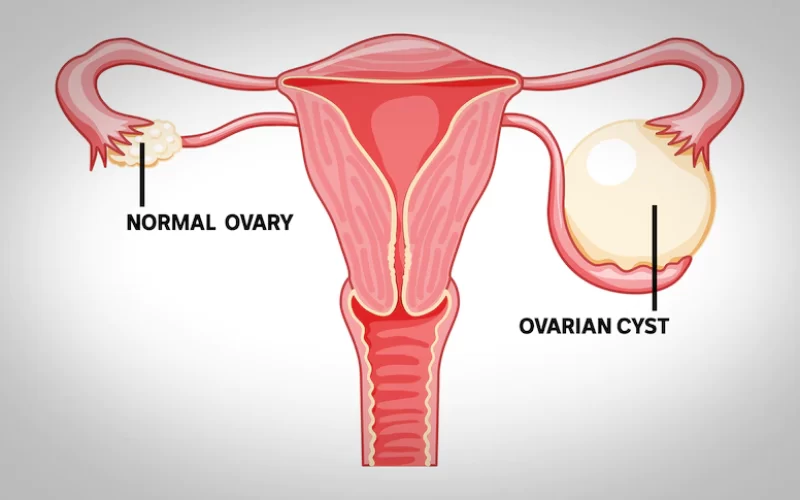
Ovarian cysts are fluid-filled sacs that form in the ovaries. Most cysts in the ovaries are actually a normal part of the menstrual cycle.
Each month, the ovaries form small cysts called follicles that produce oestrogen and release an egg during ovulation. Normally, they break down and disappear after completing this process.
However, cysts may sometimes persist, grow larger than expected, or form abnormally.
Most ovarian cysts cause no symptoms. However, a large ovarian cyst can cause pelvic pain and pressure on one side of the abdomen.
Treatment for polyps, fibroids, and cysts depends on their size, location, and severity of symptoms
Many people do not require treatment and may only need regular monitoring.
However, if symptoms persist, treatment options include medication to manage pain or bleeding, hormonal therapy, or surgery.
With that in mind, here are two other common reproductive system conditions:
1. Polycystic ovary syndrome (PCOS)
PCOS is one of the most common hormonal disorders affecting women of reproductive age.
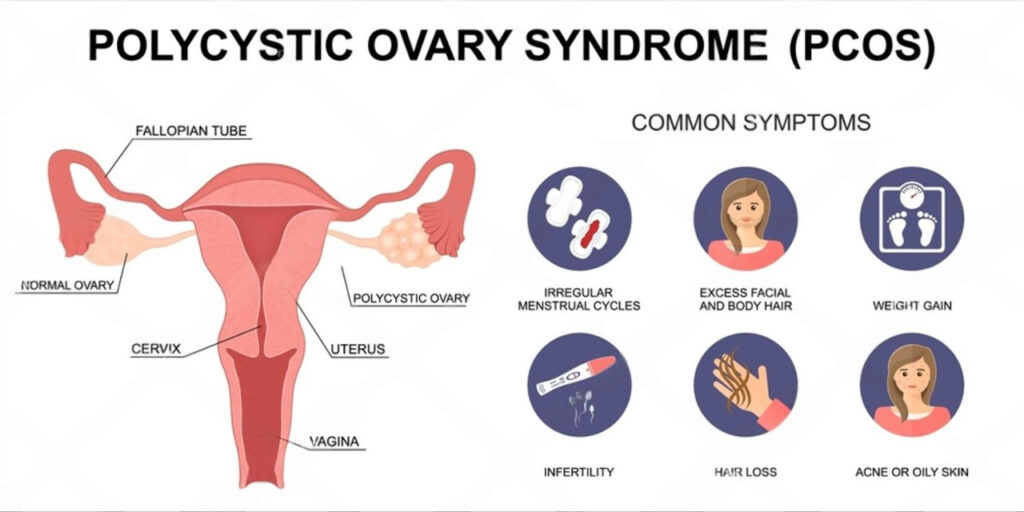
Despite its name, PCOS is not simply a disease of ovarian cysts. It is a complex hormonal and metabolic condition often characterised by excess androgens (male hormones), irregular periods, and insulin resistance.
These imbalances can contribute to symptoms such as irregular or missed periods, weight gain, excessive hair growth, acne, fertility challenges, and an increased risk of developing type 2 diabetes and cardiovascular issues.
Although PCOS is a lifelong condition, symptoms can often be significantly improved through treatment and lifestyle changes. Research shows that even modest weight loss can help improve symptoms, regulate menstrual cycles, and improve fertility outcomes.
2. Endometriosis
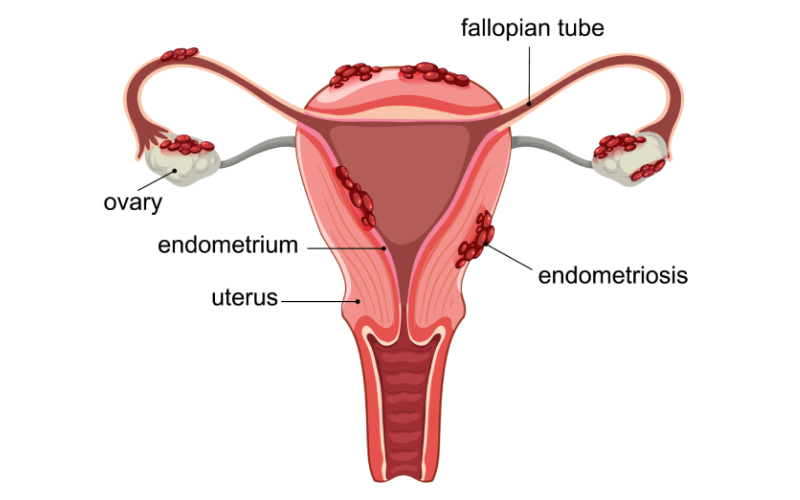
Endometriosis is a chronic and often painful condition in which tissue similar to the lining of the uterus grows outside the uterus, such as on the ovaries, fallopian tubes, or pelvic lining.
This misplaced tissue behaves similarly to the uterine lining — it thickens and breaks down in response to hormonal changes during the menstrual cycle. However, because it is located outside the uterus, it can trigger inflammation, irritation, and the formation of scar tissue and adhesions. It affects about 1 in 10 women of reproductive age worldwide.
The most common symptom is severe pelvic pain, particularly during menstruation. Those with endometriosis often describe period pain that is significantly worse than typical menstrual cramps and may worsen over time.
Treatment focuses on managing symptoms and may include pain relief, hormonal treatments to suppress menstrual cycles, and in some cases, surgery to remove the endometriosis lesions.
Understanding the differences matters
While PCOS, endometriosis, fibroids, polyps, and cysts are often discussed together, they are very different gynaecological conditions. Some involve structural growths in the uterus, while others are hormonal and inflammatory disorders.
Understanding these differences is important because symptoms like painful periods, irregular cycles, or heavy bleeding are often normalised, causing many to delay seeking medical advice.
If you experience persistent period pain, unusual bleeding, or ongoing pelvic discomfort, it may be worth speaking to a healthcare professional. Early diagnosis can make a significant difference in improving your quality of life.
As research into women's health continues to grow, awareness remains one of the most powerful tools we have — because understanding our bodies is the first step toward advocating for better care.

The information provided is for educational and communication purposes only and it should not be construed as personal medical advice. Information published in this article is not intended to replace, supplant or augment a consultation with a health professional regarding the reader's own medical care.
Sources: WebMD, Mayo Clinic, WHO – Polycystic ovary syndrome, WHO – Endometriosis
Let's normalise conversations around women's health through education, community, and action
Click here to Just Flow With It.