 Cover image via
 Follow us on Instagram, TikTok, and WhatsApp for the latest stories and breaking news.
Some days, you're glowing with confidence, your brain feels sharp, and life just flows.
Other days, your clothes feel irritating, your partner gets on your nerves, and the smallest thing can tip you into tears or rage.
If you have ovaries, this emotional rollercoaster probably feels very familiar.
While men don't experience a monthly hormonal cycle, women do — and understanding it matters, whether you're experiencing it yourself or supporting someone who is.
So, what is the menstrual cycle?
The menstrual cycle is a monthly, hormone-driven process that prepares a woman's body for pregnancy. While it's often said to last 28 days, it can vary from person to person.
It consists of four main phases — menstruation, follicular phase, ovulation, and luteal phase — each influenced by key hormones like oestrogen and progesterone.
These hormonal shifts don't just affect the body — they also influence your mood, energy levels, and mental state.
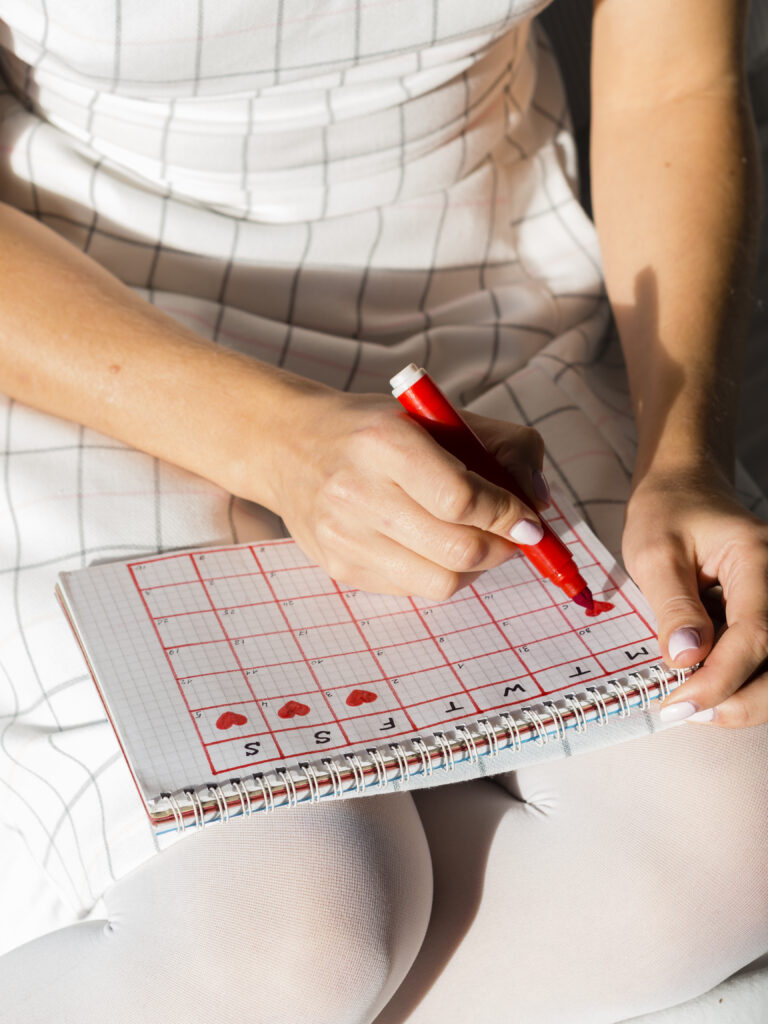
1. Menstruation (Days 1–5)
This is when your period happens. The uterus sheds its lining, resulting in bleeding that typically lasts three to seven days.
Hormonal state: Progesterone and oestrogen are at their lowest.
What this means for you:
This phase is often like a reset for the body. For many, it is physically challenging due to bleeding and cramps.
How you might feel:
– Fatigue or low-energy
– Irritable and in pain
– Decreased ability to concentrate
– Wanting to rest or withdraw
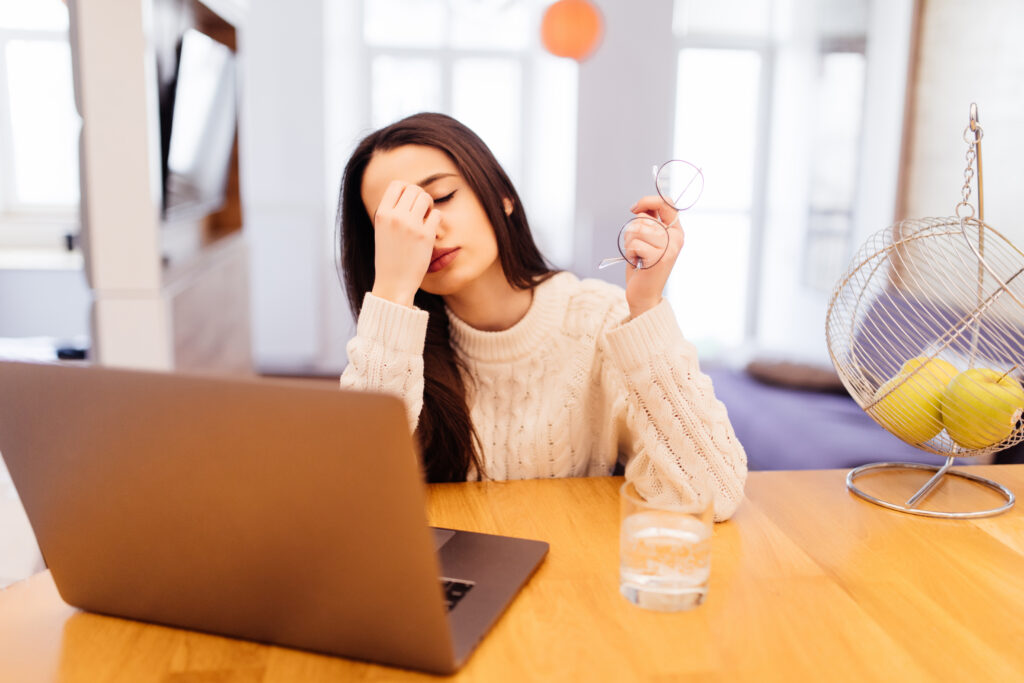
2. Follicular Phase (Days 1–13)
This phase overlaps with your period at the start. As your period ends, oestrogen levels begin to rise, helping the uterine lining thicken while an egg matures in the ovary.
Hormonal state: Rising oestrogen.
What this means for you:
As oestrogen increases, energy, motivation, and clarity typically improve.
How you might feel:
– Motivated and productive
– Clear-minded and focused
– More sociable and optimistic
– Energised and ready to get things done
This is often when you feel most like your "best self".
3. Ovulation (Around Day 14)
Ovulation occurs when the ovary releases an egg. This is when oestrogen peaks.
Hormonal state: Peak oestrogen (and a slight rise in testosterone).
What this means for you:
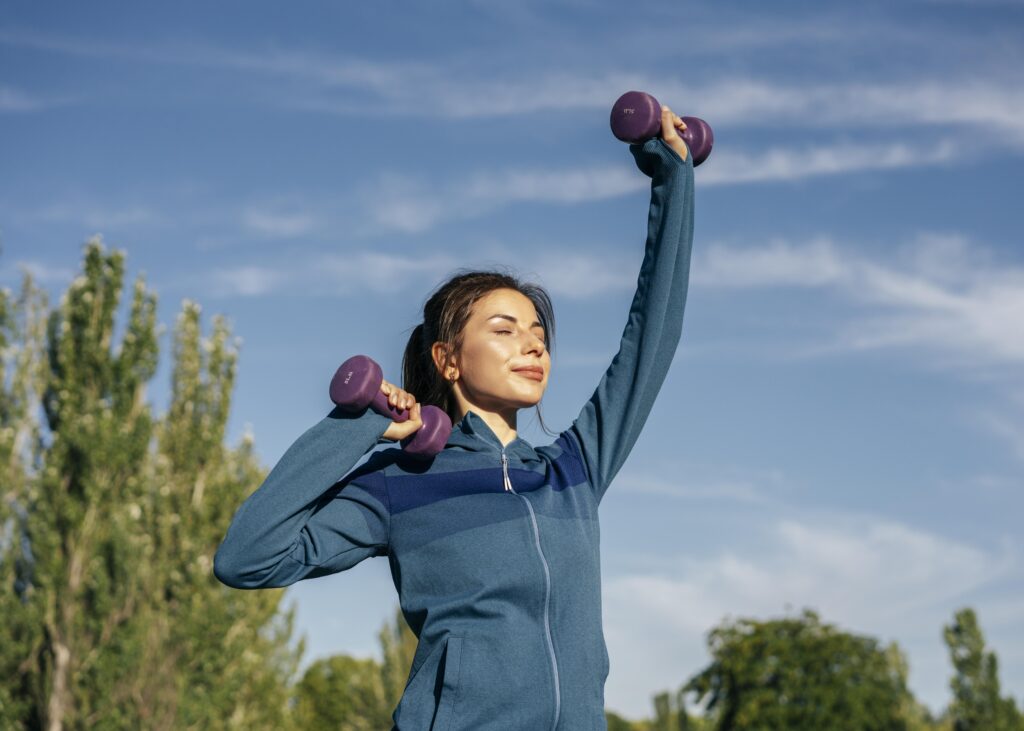
This phase often brings higher energy, a stronger desire to connect with others, and a noticeable boost in mood and libido.
How you might feel:
– Confident and attractive
– More social and self-assured
– Heightened senses and awareness
From an evolutionary standpoint, this is when your body is primed for reproduction, so feeling magnetic makes sense.

4. Luteal Phase (Days 15–28)
If pregnancy doesn't occur, hormone levels drop, leading to pre-menstrual syndrome (PMS) and your next period.
Hormonal state: High progesterone, followed by a drop in both hormones.
What this means for you:
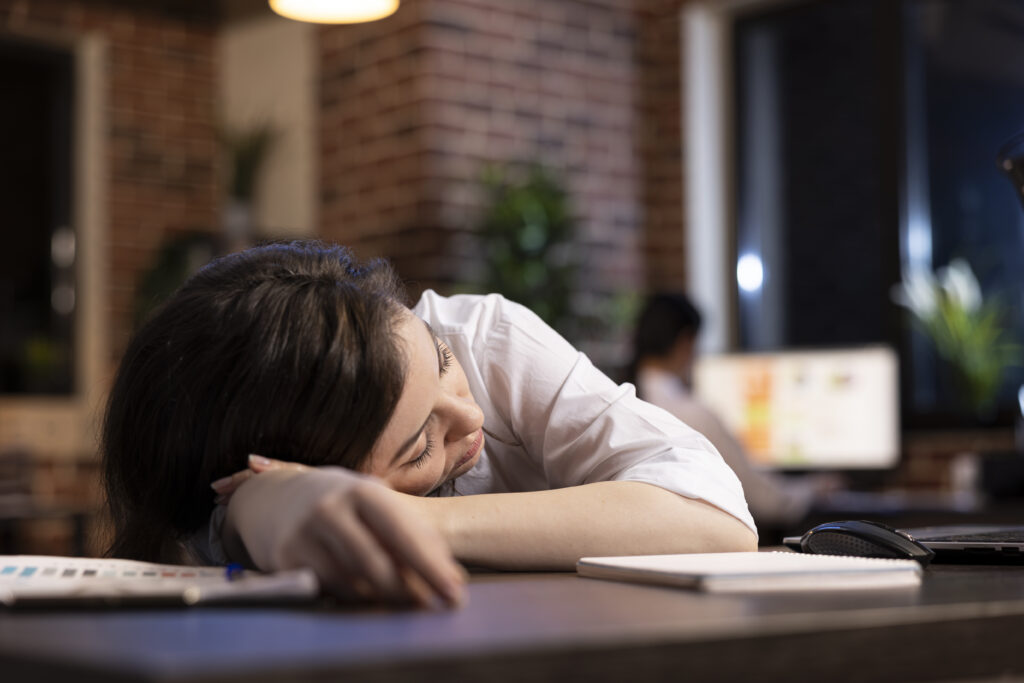
This phase can feel like a slow dip in energy and mood. This is often the most emotionally challenging phase.
How you might feel:
– Fatigue or low motivation
– Irritable or mood swings
– Bloating and sore breasts
– Cravings, acne, headaches, cramps
However, remember that not everyone experiences their menstrual cycle the same way
While science explains these patterns, the intensity of symptoms varies from person to person.
Some people experience minimal changes, while others feel significant emotional and physical shifts.
If you've ever felt like your emotions are "too much", tracking your cycle can help you make sense of them.
When you understand why you feel a certain way, it becomes easier to:
– Be kinder to yourself
– Communicate your needs
– Plan your time, diet, sleep, and activities to support each phase
And if you're supporting someone who menstruates, this awareness can help you show up with more patience and empathy.
It's not about "fixing" your cycle — it's about working with it.
The information provided is for educational and communication purposes only and it should not be construed as personal medical advice. Information published in this article is not intended to replace, supplant or augment a consultation with a health professional regarding the reader's own medical care.
Sources: Everyday Health, Healthily, NYP – Health Matters
Let's normalise conversations around women's health through education, community, and action
Click here to Just Flow With It.