


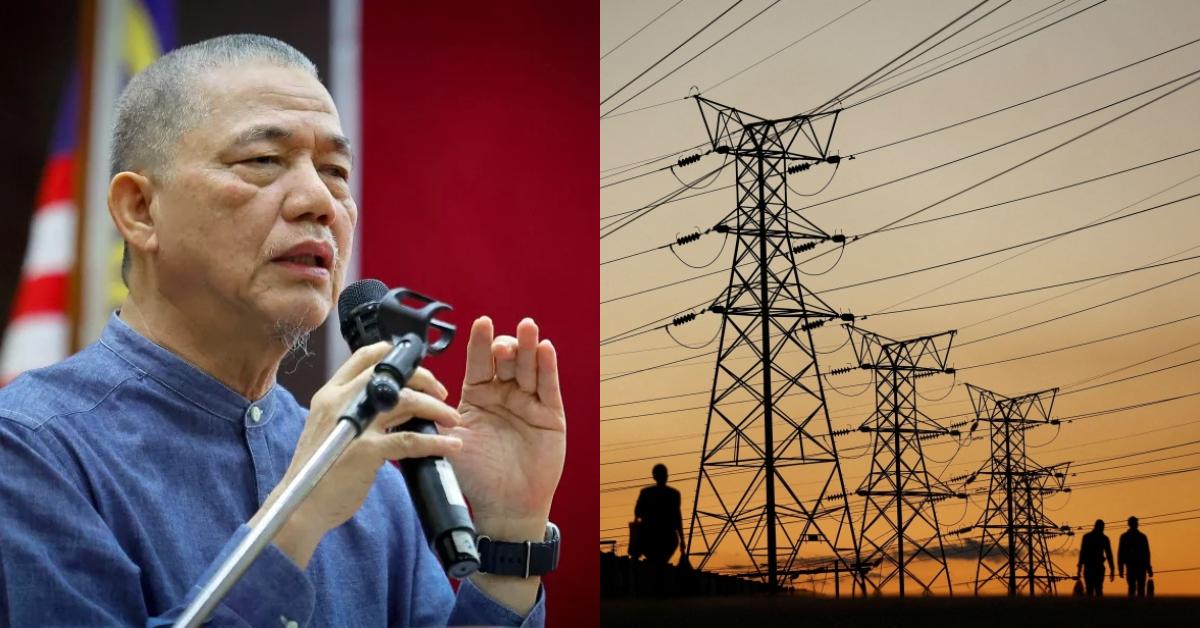
 Cover image via
Follow us on Instagram, TikTok, and WhatsApp for the latest stories and breaking news.
About 85% of Malaysian households will remain unaffected by electricity cost increases despite global energy market uncertainty caused by Middle East tensions, said Deputy Prime Minister Datuk Seri Fadillah Yusof
According to Sinar Daily, Fadillah, who is also the Energy Transition and Water Transformation (PETRA) Minister, said Malaysia's electricity supply remains stable as the country continues to rely largely on domestic natural gas sources.
He said around 40% to 45% of electricity generation in Peninsular Malaysia comes from natural gas, with much of the supply sourced locally from Kerteh, Terengganu, as well as the Thailand–Malaysia Joint Development Area.
"PETRA is closely monitoring the latest developments in the geopolitical crisis in West Asia, particularly following the closure of the Strait of Hormuz by Iran on 2 March 2026, which has affected the global energy market.
"However, these developments do not affect the current availability and security of Malaysia's electricity supply," he said in a statement on Sunday, 15 March.
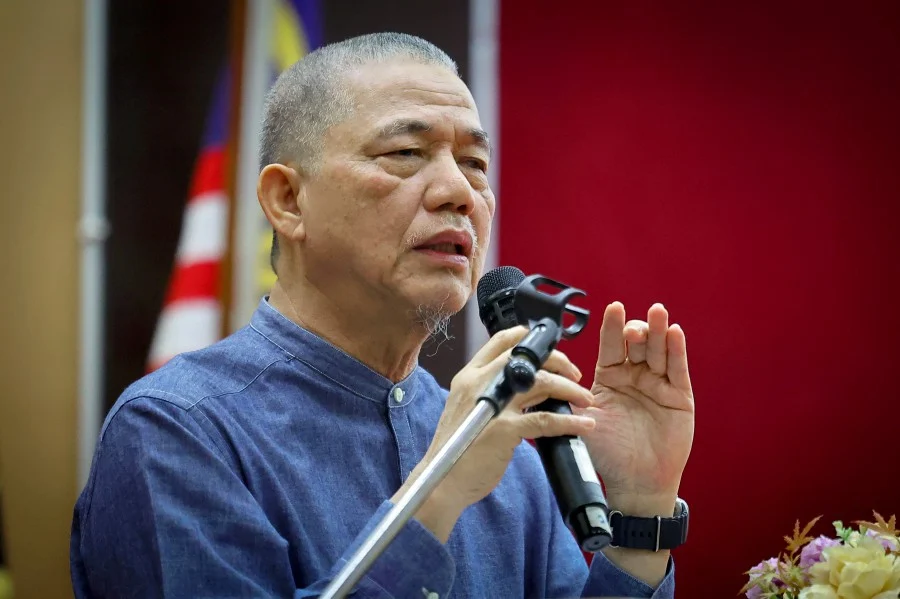
Fadillah said the government remains committed to protecting consumers through the Incentive-Based Regulation framework for 2025 to 2027
Under this framework, fuel cost changes involving gas and coal are adjusted monthly through the Automatic Fuel Adjustment (AFA) mechanism based on market prices.
At present, he said domestic households using 600kWh of electricity or less per month are fully exempted from these adjustments.
"As a result, about 85% of domestic consumers nationwide will not be affected by fluctuations in international fuel prices, providing stability to household spending," he said.
He added that the AFA rate is also expected to remain at a rebate level until April 2026, although this may change if global fuel prices continue to rise due to prolonged geopolitical tensions.
Global energy markets have been volatile following escalating military tensions involving Iran in late February
Iran later declared the Strait of Hormuz closed — a critical route that carries about one-fifth of the world's oil supply — triggering oil price increases and concerns over supply disruptions.
Fadillah said PETRA will continue balancing energy security and affordability while encouraging Malaysians to practise energy-saving habits to help maintain the sustainability of the national power system.
