 Cover image via
Follow us on Instagram, TikTok, and WhatsApp for the latest stories and breaking news.
A new study from Adelaide University has found a link between extreme heat and low birth weights
Health data from more than 85,000 mothers and babies in Pakistan were used for the study published in BMC Medicine, which utilised 10 years of birth data from 2008 to 2017 and average monthly temperature exposures to study the link between heat and birth weight.
Babies who weigh less than 2.5kg at birth or smaller than average were defined as underweight, accounting for 18% of births.
Among these cases, 13% were attributed to extreme hot weather.
In some areas of Pakistan more vulnerable to hotter climates and greater socioeconomic pressures, the risk of underweight births was up to 70% higher.
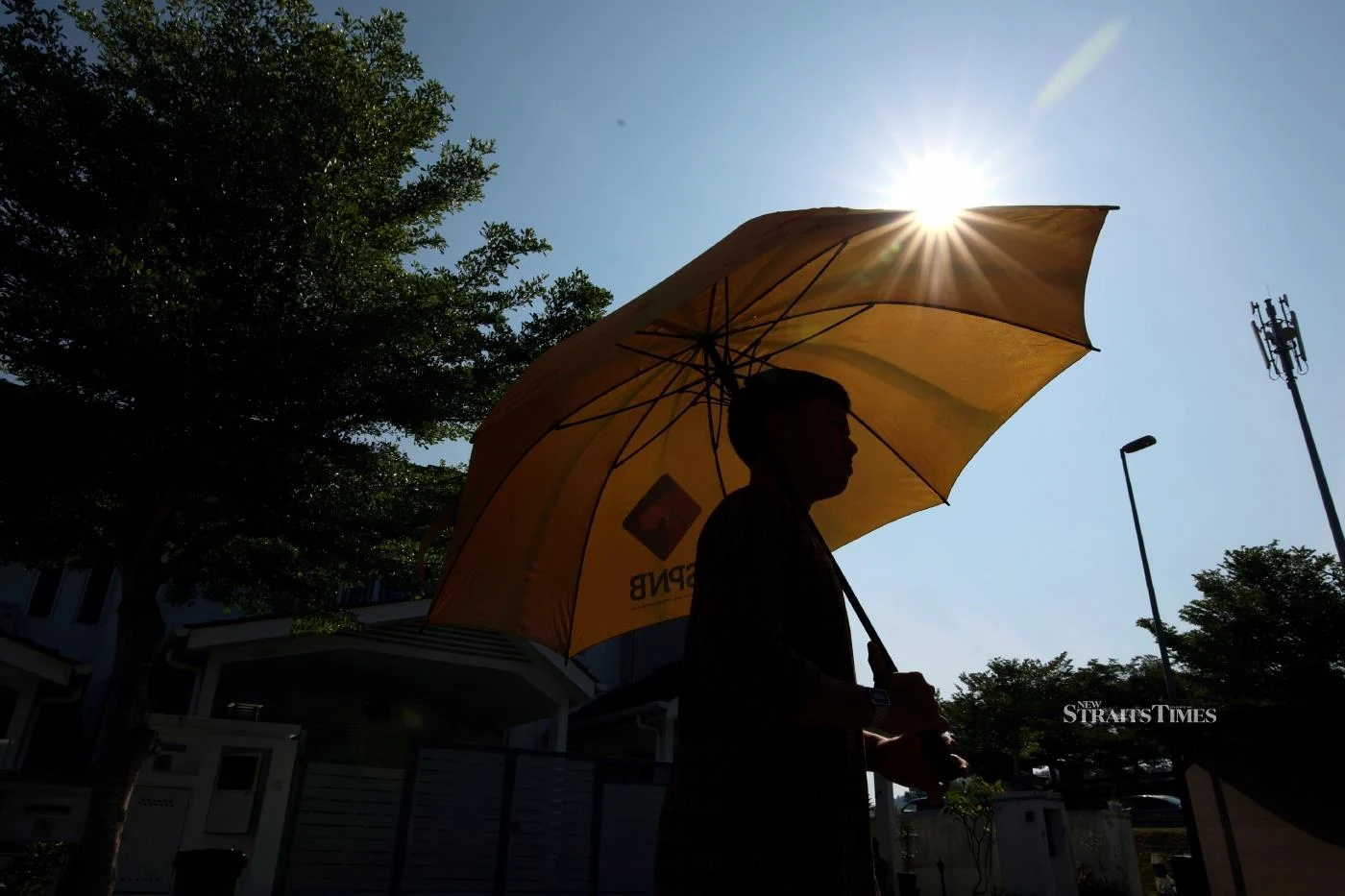
Image used for illustration purposes only.
Image via New Straits TimesImage viaPregnant women exposed to extreme temperatures were found to be at higher risk of delivering underweight babies, said project lead Associate Professor Zohra Lassi
The risk is projected to rise 8 to 10% by the 2060s, due to climate change.
Lassi said low birth weight is linked to long-term health conditions such as stunted growth or cognitive effects, in addition to greater neonatal mortality.
Lead author Dr Hiro Fatima from the University of Canberra said adapting to climate conditions cannot stop at heat warnings alone, as stronger maternal health services and better protection for vulnerable women were needed.
"Interventions designed to mitigate the effects of climate change, enhance access to essential healthcare services, and promote sustainable development are urgently required."

Image used for illustration purposes only.
Image via Ivan S / PexelsWhile the study focused on data from Pakistan, the researchers believe their findings are relevant to other countries facing extreme temperatures
Lassi said the study highlights the need for public health preparedness and climate-adapted maternal care strategies.
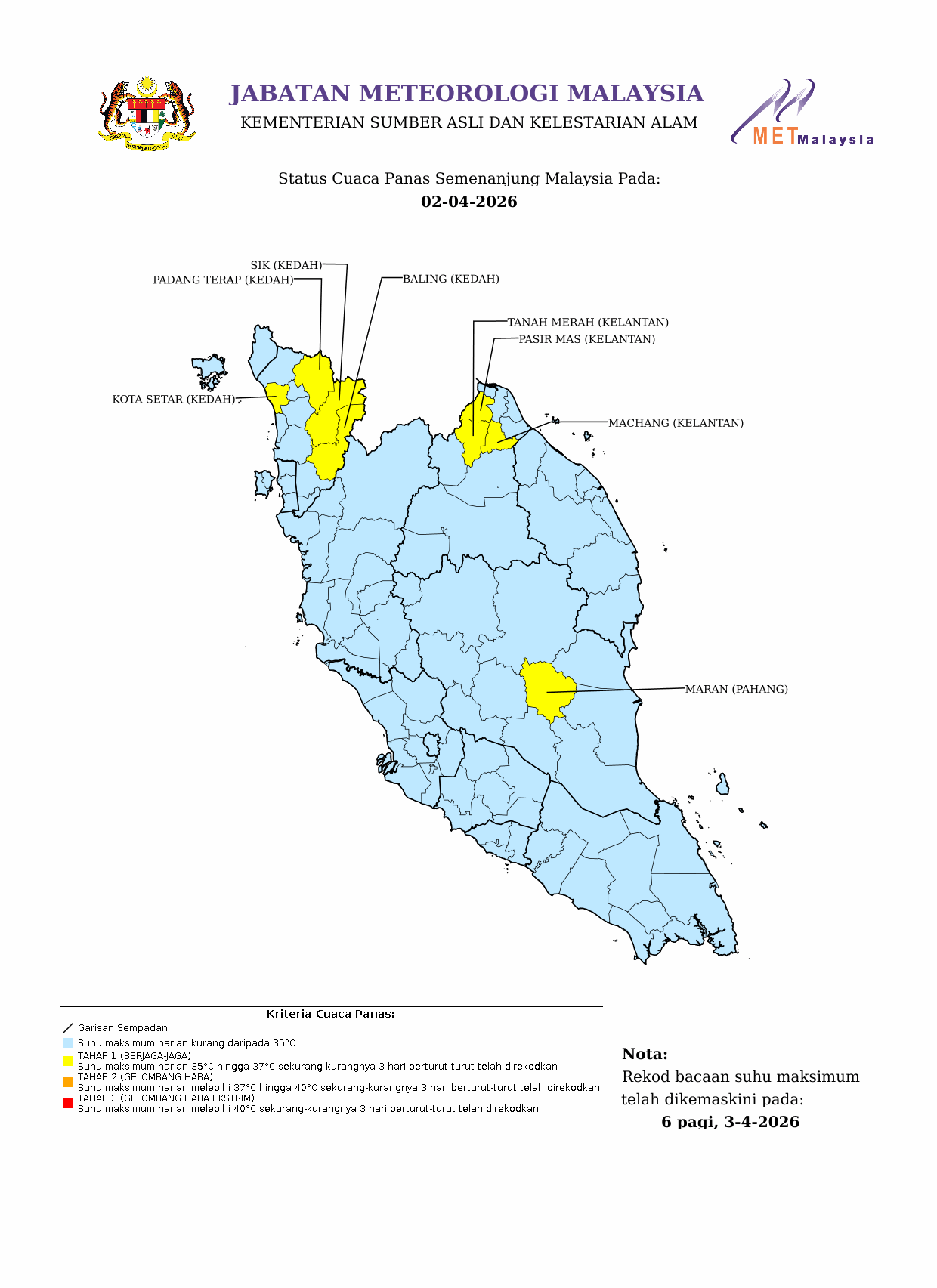
In the meantime, Malaysia is facing a severe heatwave as the monsoon season comes to an end, with temperatures expected to rise to 37°C and 40°C, particularly in northern states.