


 Cover image via
Follow us on Instagram, TikTok, and WhatsApp for the latest stories and breaking news.
If you're looking to buy an air conditioner, don't just walk into a shop and pick the one with the prettiest remote
You could end up with a unit that eats your electricity for breakfast — or worse, barely cools your room at all.
Here is everything you need to know about buying an air conditioner in 2026 so you can stay cool without breaking the bank.
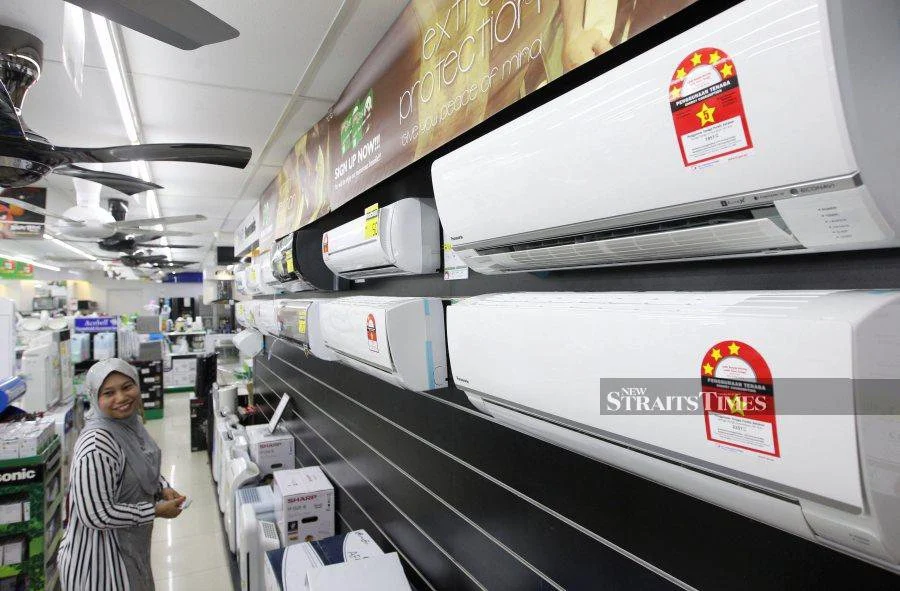
Image for illustration purposes only.
Image via New Straits Times1. Do the math for HP
While Malaysians love talking about Horsepower (HP), the number you actually need to check is the BTU (British Thermal Units). This is the true measure of cooling power.
If the unit is too small, it'll struggle and burn out. If it's too big, it'll cycle off too quickly, leaving your room feeling damp and "clammy".
Follow this sizing guide:
- 1.0 HP (~9,000 BTU): Perfect for small bedrooms or study rooms (up to 150 sq ft).
- 1.5 HP (~12,000 BTU): The sweet spot for master bedrooms (150–250 sq ft).
- 2.0 HP (~18,000 BTU): Best for medium-sized living rooms (250–400 sq ft).
- 2.5 HP (~24,000 BTU): For those large, open-concept studio apartments or big halls.
Pro-tip: If your room faces the afternoon sun (West-facing) or you're on the top floor directly under the roof, always go one size up. That extra heat from the ceiling is no joke!
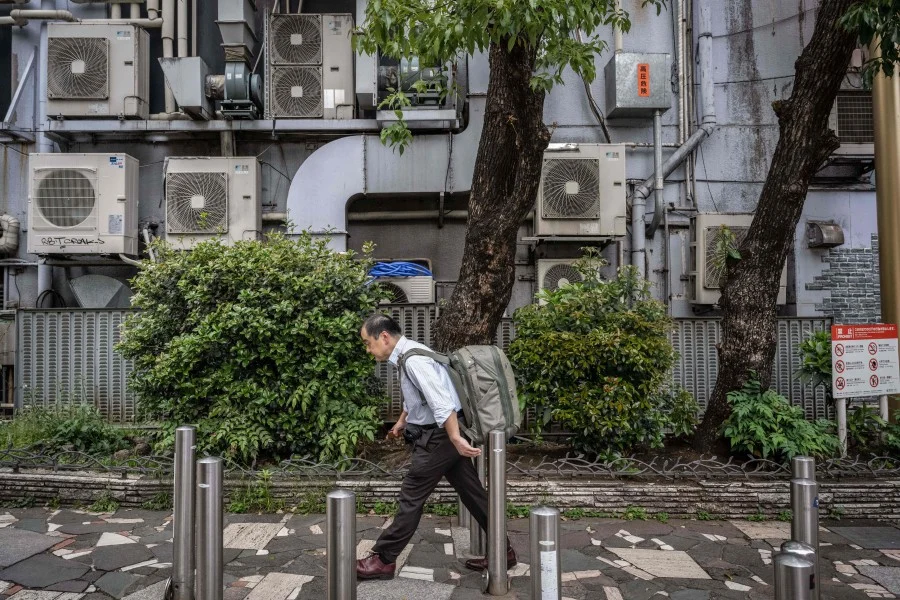
Image for illustration purposes only
Image via New Straits Times / AFP2. Understand the difference between inverter vs non-inverter
Which one is actually worth it and right for you?
Inverter units: Think of this like cruise control in a car. The motor slows down once the room is cool. It's quieter and can save you up to 50% on electricity if used for more than four hours.
Non-inverter units: These are "all or nothing". The compressor is either 100% on or 100% off. They are cheaper upfront, but will make your TNB bill scream if you use them all night.
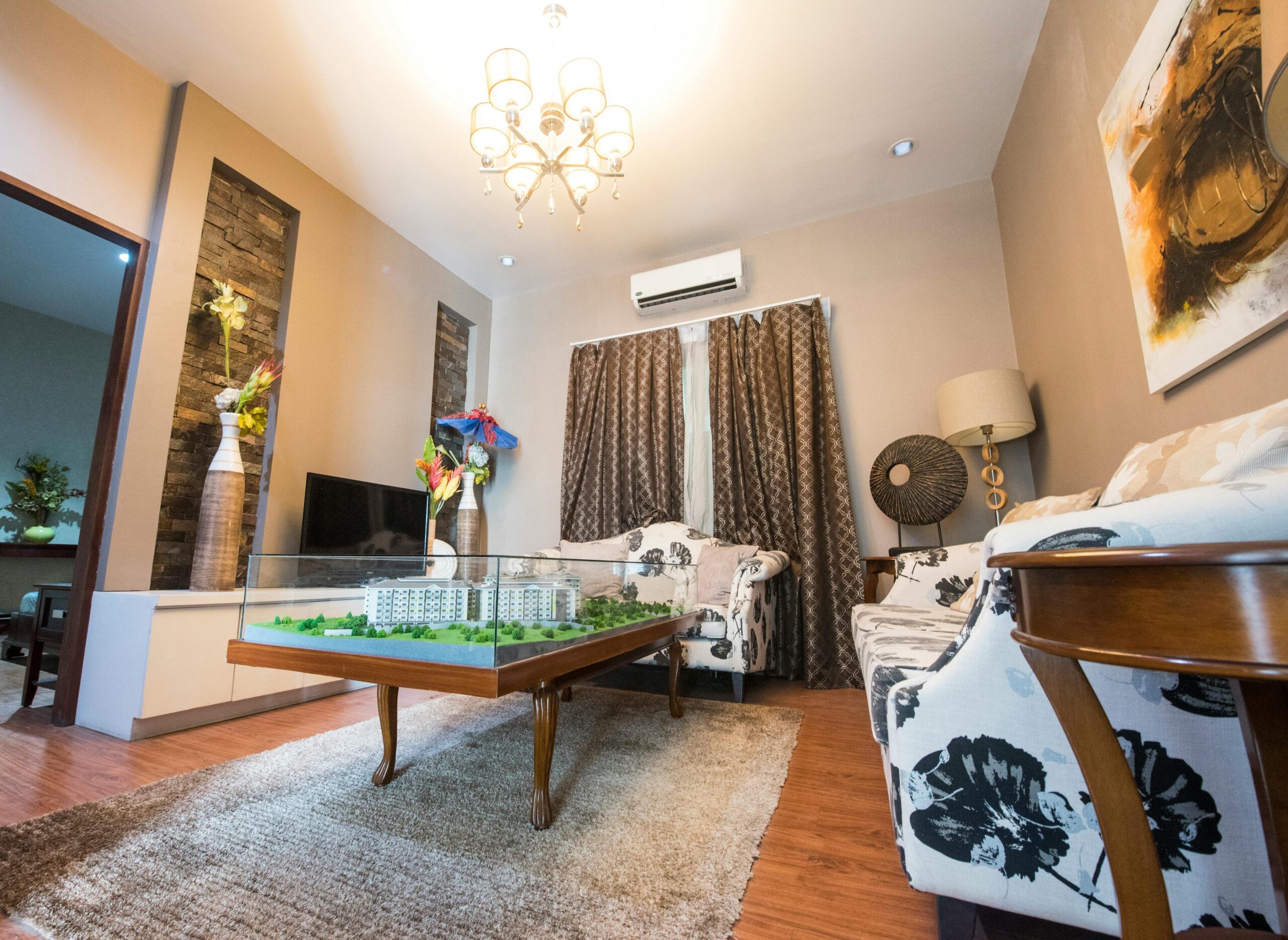
Image for illustration purposes only.
Image via Tristan Paolo / Pexels3. Check the new 2026 star rating
Don't get cheated by old stock! As of January 2026, the Energy Commission (Suruhanjaya Tenaga) has updated its star-rating standards.
A 5-star model from two years ago might only qualify as a 3-star or 4-star model today. When shopping, look for the 2026 label to ensure the unit handles extreme temperatures efficiently.
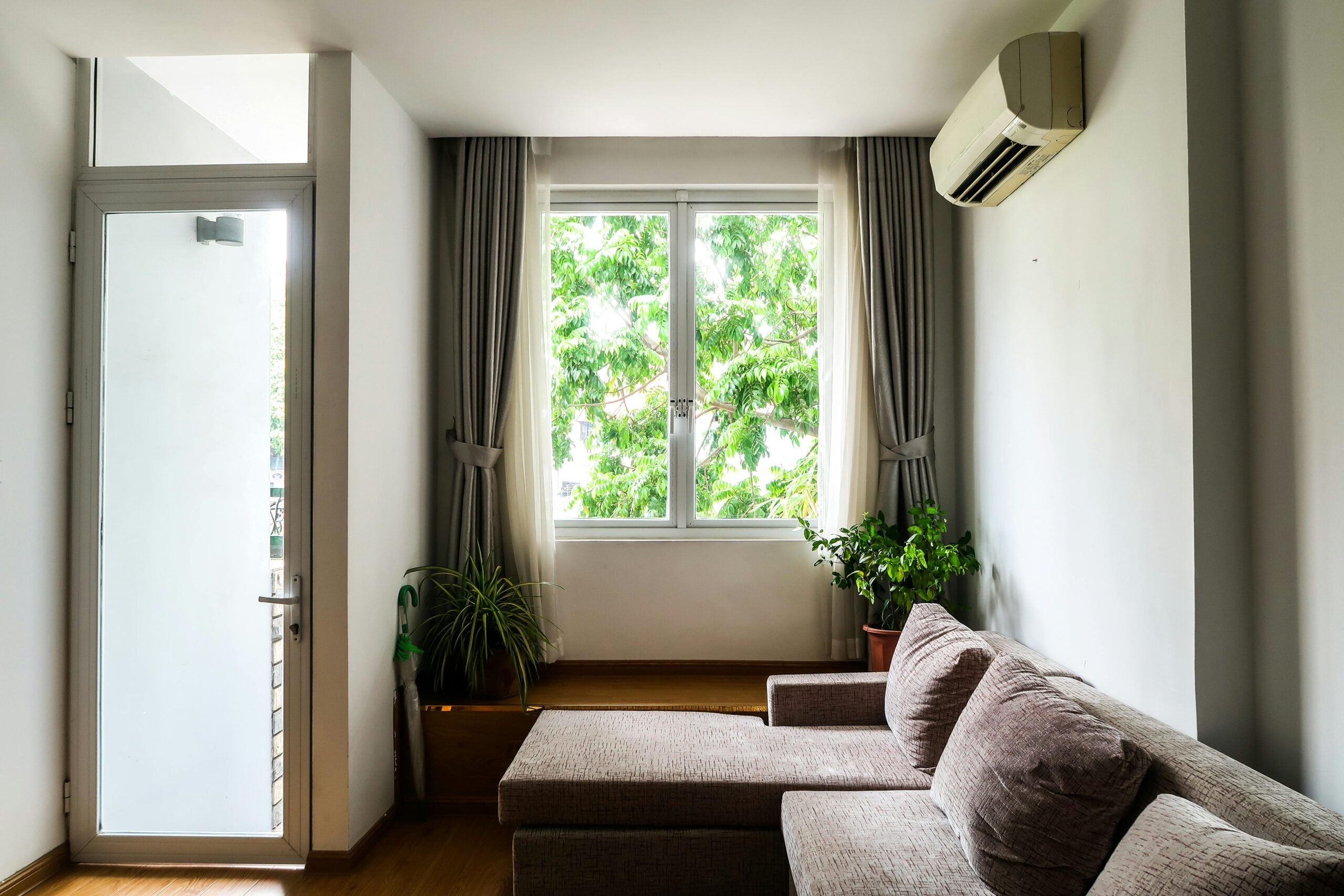
Image for illustration purposes only.
Image via Aleks Michajlowicz / Pexels4. Features you actually need to survive a heatwave
Modern aircons in 2026 come with plenty of "high-tech" features.
Here are the ones that actually matter:
- Extreme Ambient Cooling: With outdoor temperatures hitting 40°C+, you need a compressor rated to work even when the outdoor unit is baking. Look for "T3 Tropical Climate" ratings.
- Fast Cooling / Jet Mode: Because nobody wants to wait 30 minutes for the room to stop feeling like an oven.
- Air Purification: Heatwaves often bring dust and haze. Models with HEPA filters or ioniser tech help keep the air fresh while it cools.
- Smart App Control: There is no greater luxury in 2026 than using your phone to turn on the AC while you're stuck in traffic so you can walk into a freezing cold house.
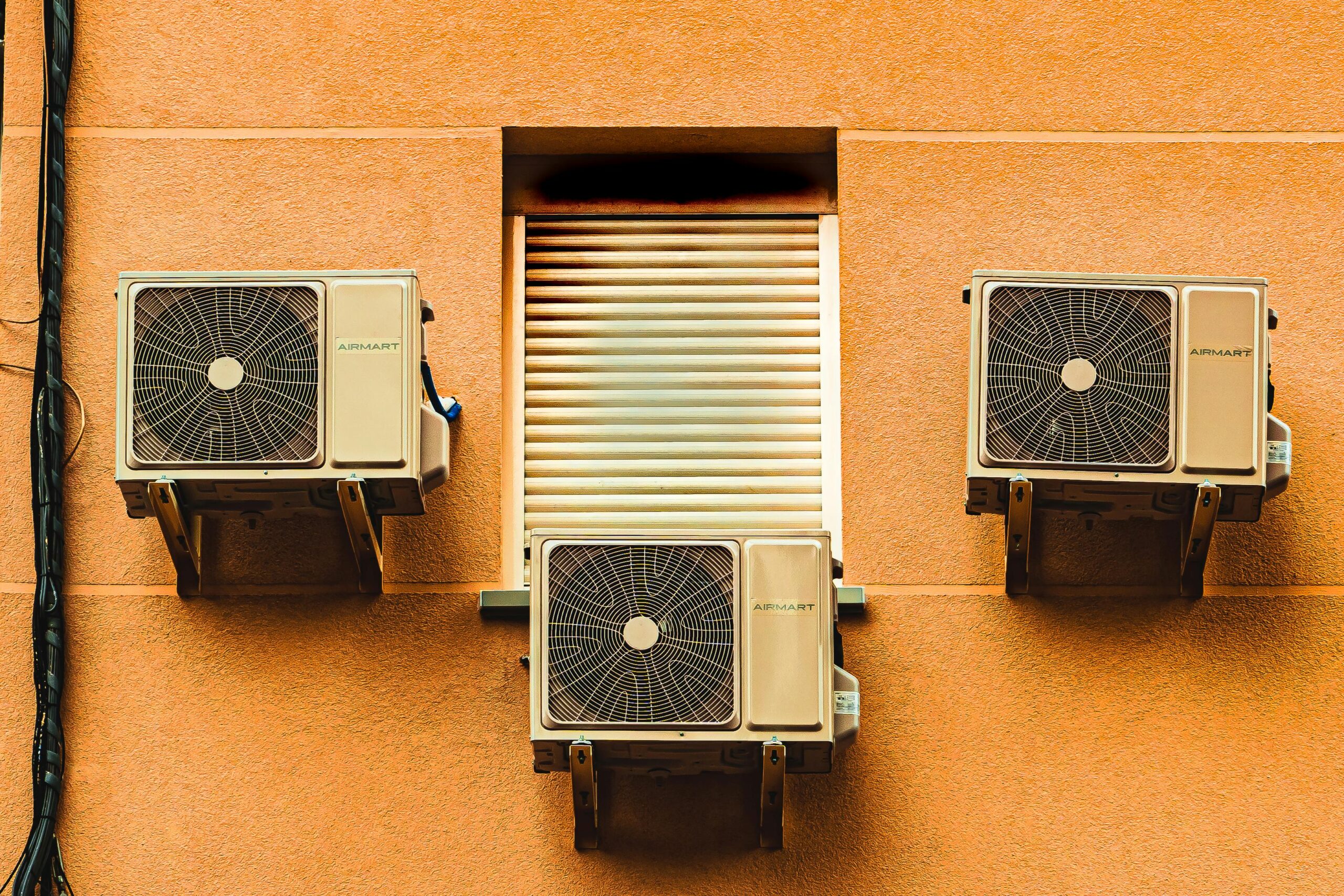
Image for illustration purposes only.
Image via Jose Antonio Gallego Vázquez / Pexels5. Don't forget the "hidden" costs
The price on the tag usually isn't the final price. Always ask:
- Does it include installation? Standard installation usually covers 10 feet of copper piping. If your compressor is located far away, expect to pay more.
- What's the warranty? In 2026, many top brands offer a 10-year warranty on the compressor. If they only offer one or two years, walk away.
- Gas Type: Ensure it uses R32 or the newer R454B refrigerant. They are better for the environment and cool much more effectively than the old R22 gas.
