


 Cover image via Mohd Rasfan/AFP
Follow us on Instagram, TikTok, and WhatsApp for the latest stories and breaking news.
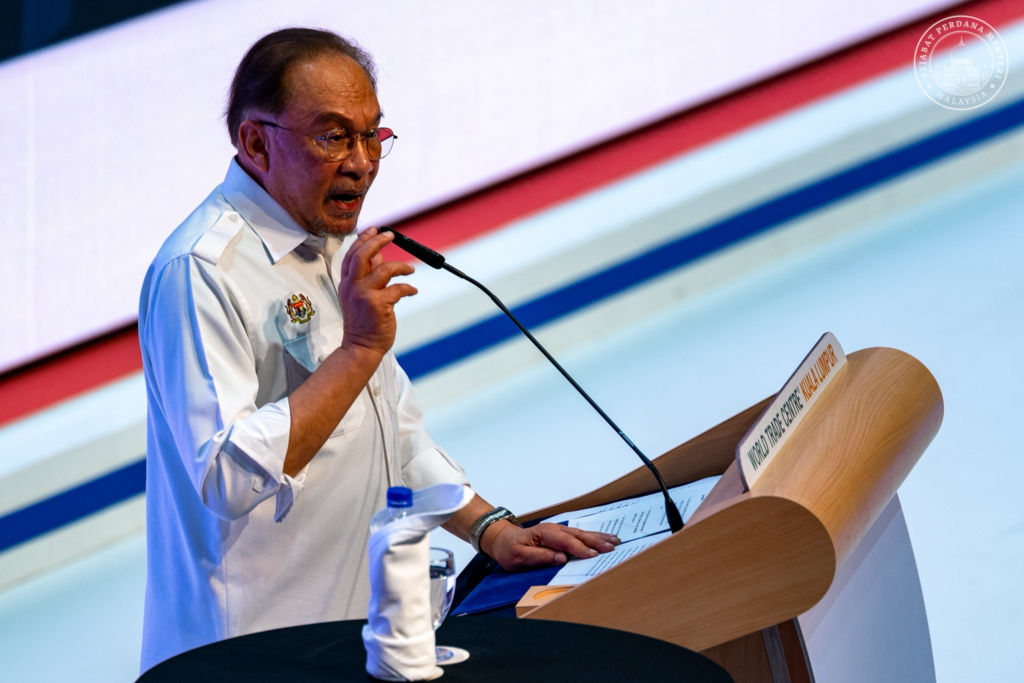
Prime Minister Datuk Seri Anwar Ibrahim has announced a series of targeted measures aimed at easing the rising cost of living
The plan focuses on lowering business costs, improving access to cheaper goods, and supporting food production.
The move comes as households and small businesses continue to feel the strain of higher prices, while the government itself absorbs an additional RM5 billion a month in fuel and diesel subsidies.
Here's a breakdown of what was announced yesterday, 5 May, and how it could affect you.
1. Lower rent for small traders and hawkers
The government is moving to reduce operating costs for small businesses, particularly food vendors and micro-traders.
Federal agencies, including Majlis Amanah Rakyat (MARA) and Uda Holdings Bhd (UDA), will reduce rental rates for their business premises starting this month.
At the same time, Anwar has called on all state governments and local authorities (PBT) to follow suit. He pointed to Dewan Bandaraya Kuala Lumpur (DBKL) and the Selangor government as early examples already implementing similar reductions.
For small traders, rent is one of the highest fixed costs. Lowering it gives them more room to absorb rising supply prices without passing those costs on to customers.
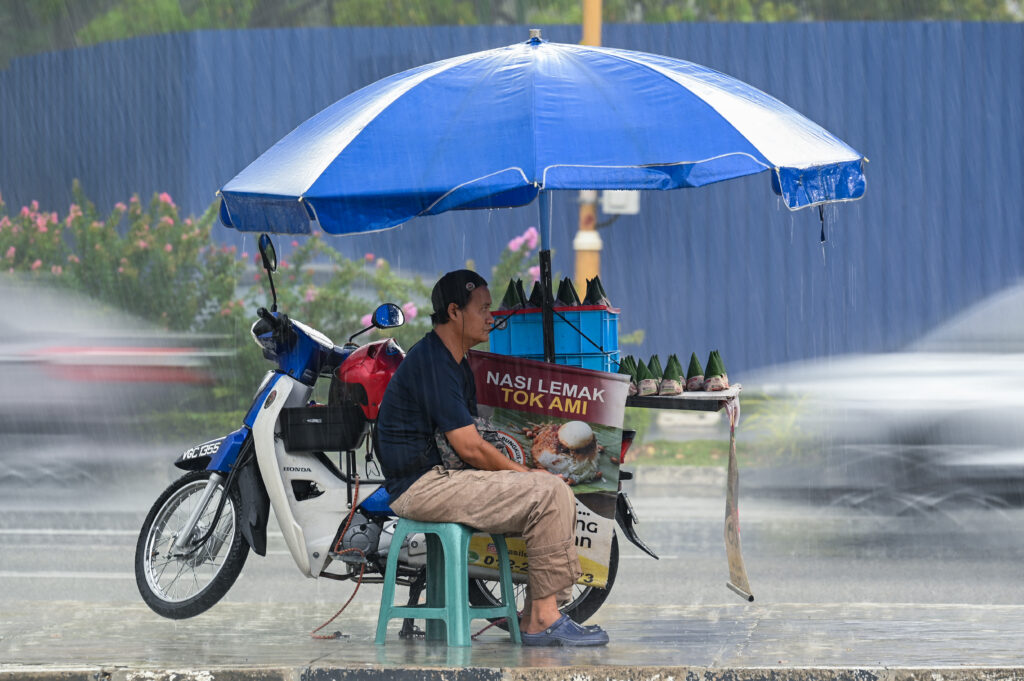
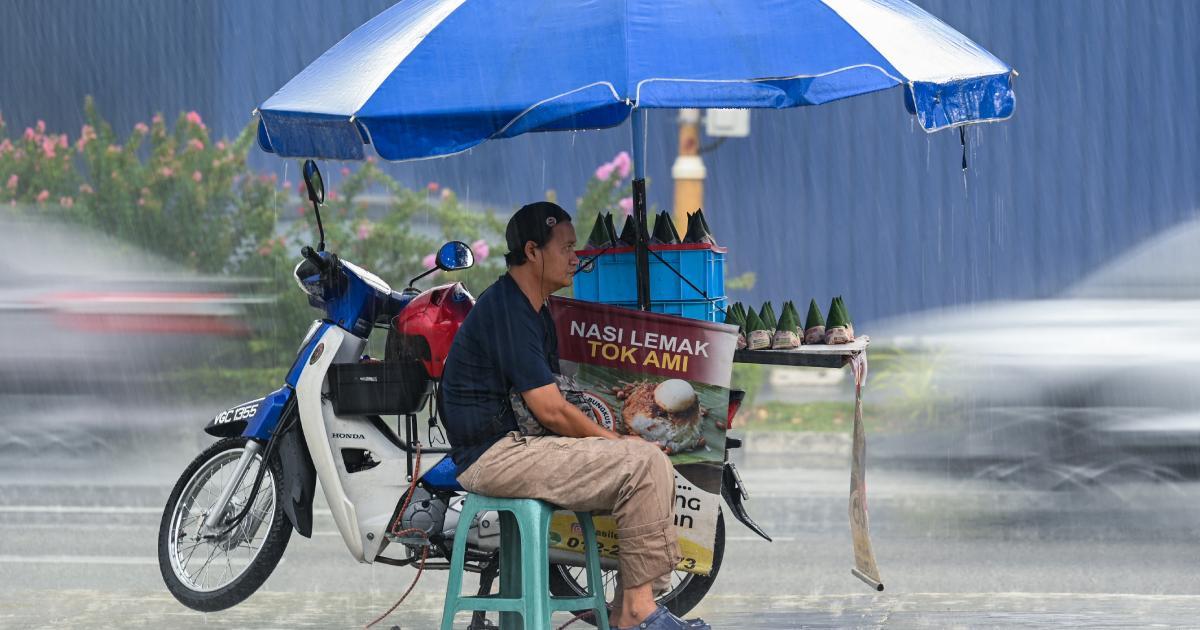
A nasi lemak vendor waits by his roadside stall for customers as heavy rain pours down in Kuala Lumpur.
Image via Mohd Rasfan/AFP2. Weekly Jualan Rahmah in every constituency
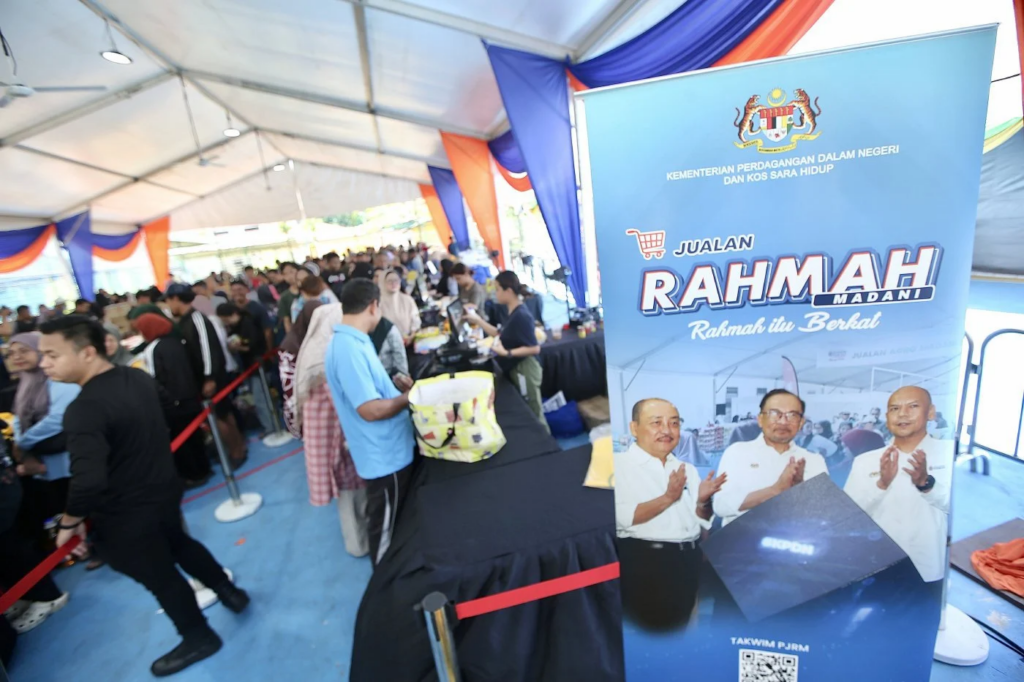
The Jualan Rahmah MADANI programme is being significantly expanded to improve access to affordable essentials.
Instead of occasional sales, the programme will now be held once every week in every state assembly constituency.
The government has also raised its 2026 target to 30,000 sales events, up from 25,000 previously.
These sales typically offer essential goods at 10% to 30% below market prices, giving households a more predictable way to manage grocery spending.
There is also a shift in focus, with more events planned in rural and village areas, and stronger participation from small traders rather than just large suppliers.
3. RM200 advance for paddy farmers
To stabilise food production, especially rice supply, the government is providing direct financial support to farmers.
An RM200 advance per hectare has been approved under the Special Ploughing Incentive Rate, benefiting 240,000 registered paddy farmers nationwide.
The allocation, amounting to RM48 million, is meant to help farmers cover upfront costs such as machinery rental, particularly as commercial diesel prices rise.
In response to prolonged dry weather in northern Kedah, the Royal Malaysian Air Force, with support from the Fire and Rescue Department, has also been tasked to intensify cloud seeding operations.
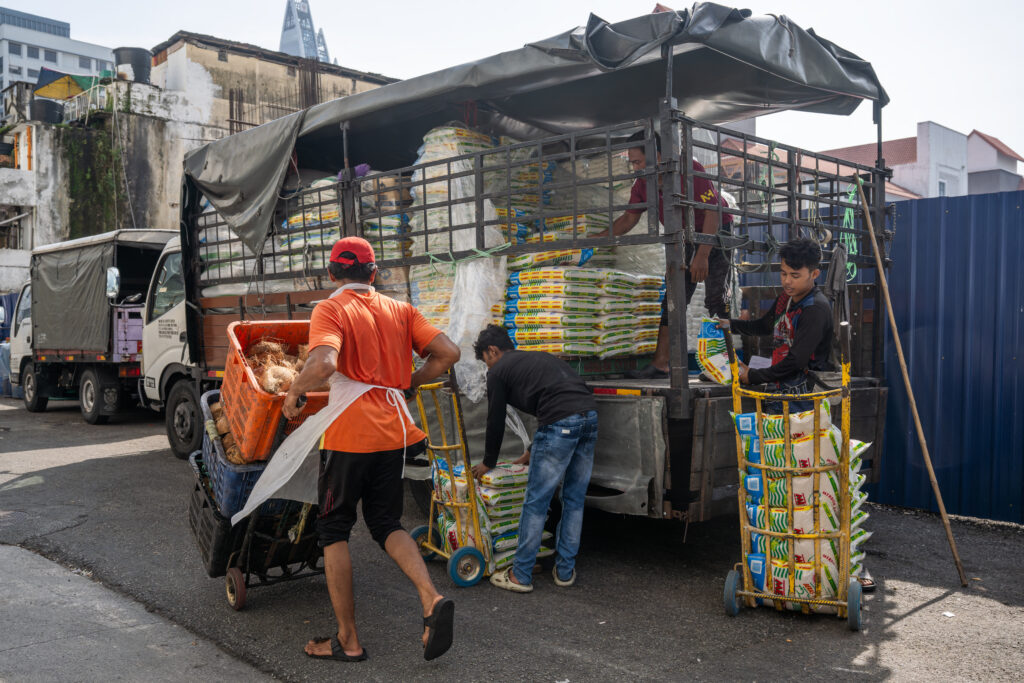
Workers unload sacks of rice outside a market in Kuala Lumpur.
Image via Mohd Rasfan/AFP4. Opening up opportunities for small vendors
Beyond helping consumers, the government is also pushing to ensure that smaller businesses benefit directly from these initiatives.
Anwar has stressed that Jualan Rahmah should not be dominated by large corporations, calling for greater inclusion of small-scale traders as vendors.
This creates an additional sales channel for micro-businesses, helping them reach more customers and maintain cash flow during uncertain economic conditions.
The bigger picture
While these measures are targeted, Anwar acknowledged the broader fiscal pressure facing the government.
Malaysia is currently spending an additional RM5 billion each month on fuel and diesel subsidies alone, underscoring the challenge of balancing public assistance with long-term financial sustainability.
For now, the approach is focused on immediate relief, reducing daily costs, stabilising food supply, and keeping small businesses afloat, rather than sweeping structural changes.
