 Cover image via Liew Chin Tong
Follow us on Instagram, TikTok, and WhatsApp for the latest stories and breaking news.
UPDATE:
Deputy Finance Minister Clarifies He Never Announced New 150L BUDI95 Fuel Limit
Malaysia's targeted RON95 subsidy programme is increasingly evolving beyond a traditional cost-of-living measure and into what appears to be a broader fuel demand management system
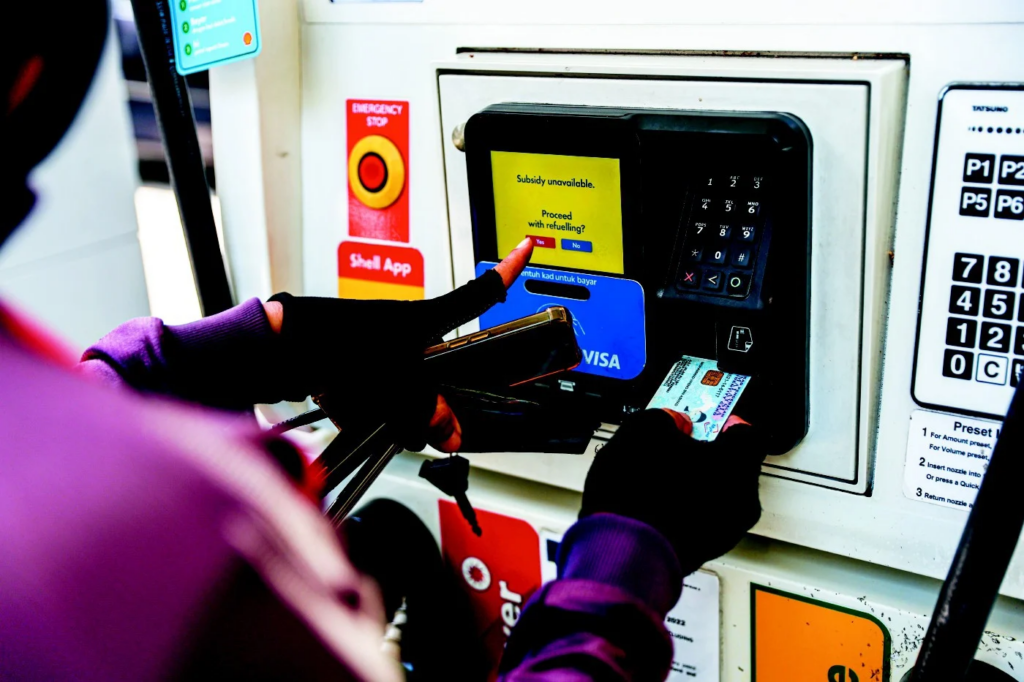
The latest signal came from Deputy Finance Minister Liew Chin Tong, who revealed that Putrajaya is now considering further reducing the monthly subsidised RON95 fuel quota under the BUDI95 programme from 200 litres to 150 litres.
The proposal comes just a month after the government lowered the cap from 300 litres to 200 litres, suggesting a gradual tightening of subsidised fuel access as authorities attempt to contain rising subsidy costs and preserve domestic fuel supply.
"The data consistently show that 80% of Malaysians use less than 200 litres. The next step is 150 litres because 60% of the population uses less than 150 litres," Liew said during a fireside chat at the Affin Market Outlook 2026: Propelling Malaysia Forward event earlier today, 12 May.
But the significance of the proposal goes beyond fuel quotas alone
For the first time, a senior government leader has openly described BUDI95 not merely as a subsidy programme, but as a "demand management tool", language that signals a wider policy shift in how Putrajaya now views fuel consumption.
The change in tone comes as Malaysia grapples with mounting pressure from global oil market volatility following the sharp escalation of geopolitical tensions in the Middle East earlier this year.
According to Liew, the government's monthly fuel subsidy bill has surged almost tenfold since crude oil prices spiked after the conflict intensified at the end of February.
Against that backdrop, the government appears to be moving on multiple fronts simultaneously:
- lowering subsidised fuel quotas,
- tightening eligibility criteria,
- studying the exclusion of T20 earners,
- and refining targeted subsidy mechanisms across different fuel categories.
Together, the measures point towards a longer-term strategy aimed at controlling fuel consumption while reducing subsidy leakages and fiscal pressure.
Liew also revealed that current projections previously showed Malaysia's oil supply was secure only until early July, raising concerns about the need to preserve stable domestic fuel availability should geopolitical disruptions persist longer than expected.
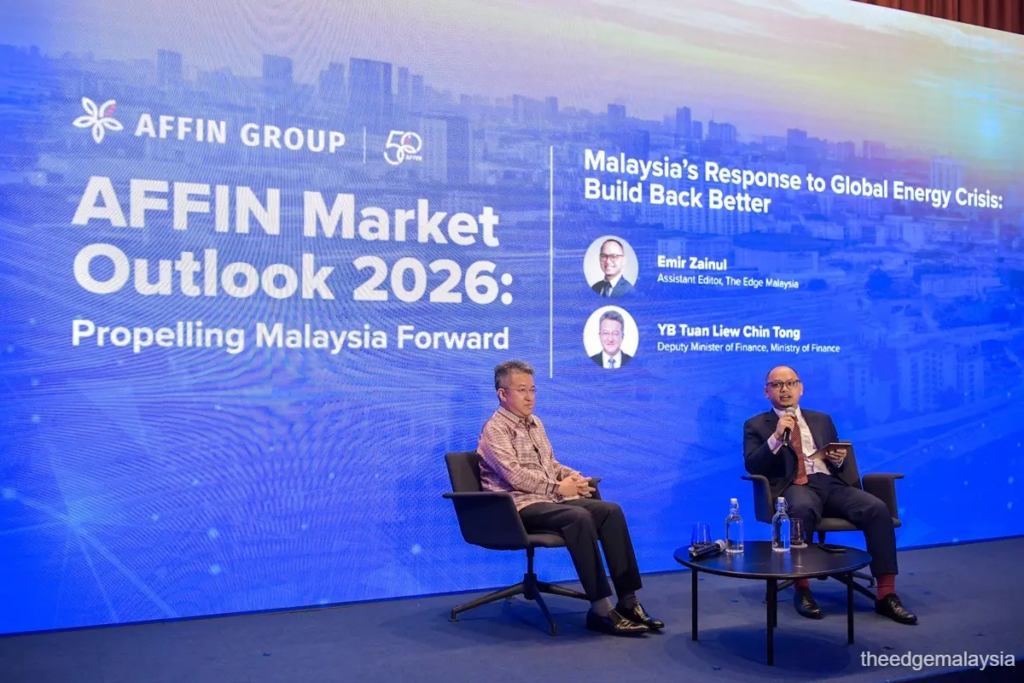
Deputy Finance Minister Liew Chin Tong (left) speaking at the Affin Market Outlook 2026: Propelling Malaysia Forward fireside chat today, 12 May.
Image via Zahid Izzani/The EdgeStill, the government appears aware of the political risks involved in tightening fuel access too aggressively
Liew stressed that vulnerable groups, particularly lower-income households and motorcyclists, must continue receiving strong protection under any future subsidy structure.
"Politically, I want to ensure that motorcyclists continue to enjoy highly subsidised rates. They use 50 litres per month. That is very important because if the precarious class is affected by high prices, you may have to pay a high political and societal price," he said.
The government is also still studying a targeted diesel subsidy mechanism for Sabah and Sarawak, similar to the BUDI95 programme currently used for RON95 fuel.
Over the longer term, Liew said Malaysia must accelerate investments in public transport, electrification and more compact urban planning, a sign that policymakers may increasingly see reducing fuel dependency itself, rather than simply subsidising it, as the country's longer-term economic objective.