
By 2040, Older Malaysians Will Outspend Youth For The First Time. Here’s Why That Matters Now
A new government report shows Malaysia is heading towards a "Longevity Economy", where older adults will drive more spending than the young, reshaping families, jobs, and the cost of living.


 Cover image via Afif Abd Halim/NurPhoto/AFP
Follow us on Instagram, TikTok, and WhatsApp for the latest stories and breaking news.
Malaysia is on track to hit a major demographic turning point within the next 15 years, one that will reshape how the country spends, works, and supports families
According to the National Transfer Accounts Malaysia 2022 report released on 29 April, the country is projected to become a "Longevity Economy" by around 2040.
This means that, for the first time in Malaysia's history, older persons aged 60 and above will collectively consume more goods and services than those under 20.
"Within 15 years from today (around year 2040), Malaysia is projected to become a 'Longevity Economy' — when for the first time in Malaysia's economic history, consumption of goods and services by its older persons will exceed that consumed by its youth," the report read.
Malaysia's consumption is shifting from young to older ages
How consumption is distributed across age groups in Malaysia, 2022 and 2060
Data source: Computed from NTA Malaysia and population projection of DOSM.
Consumption includes both private and public consumption. The sum of consumption across all ages is consistent with total national consumption reported in the National Income Accounts.
From a young country to an ageing one
In 2022, Malaysia was still largely a youth-driven economy.
People aged 0 to 19 accounted for about 30% of total consumption, roughly double that of seniors aged 60 and above, who made up about 15%.
At the same time, half of all goods and services in the economy were consumed by individuals under the age of 33, reflecting a relatively young population.
But that balance is expected to shift sharply over the coming decades.
By 2060, seniors are projected to account for 30% of the country's consumption of goods and services, while youth consumption drops to 18%.
The median age of consumption will also rise significantly, from 33 in 2022 to 46 by 2060.
What this actually changes
This isn't just about who spends more; it directly affects what the economy produces.
As the population ages, demand is expected to shift away from education and childcare-related services, and towards healthcare, eldercare, and long-term support systems.
The report notes that this transition will be driven by "population ageing", with long-term effects on industries, workforce needs, and public spending priorities.

People are seen in front of the Petronas Twin Towers in Kuala Lumpur.
Image via Metin Aktas/Anadolu/AFPMalaysia's 'demographic dividend' is running out
Malaysia is currently benefiting from what economists call a "demographic window", a period where more working-age people are supporting fewer dependants.
Up until around 2035, this dynamic is expected to continue improving, potentially increasing consumption per person by about 0.5% annually.
But after that, the trend reverses.
The country is projected to enter a period of "demographic tax", where fewer workers support more dependants, especially older ones. Without major productivity gains, overall living standards could decline.
Families will carry a heavier burden
The shift won't just affect the economy; it will also reshape family life.
In 2022, there were about 0.48 youth dependants for every working adult in a family.
By 2060, the number of older dependants is expected to nearly double, rising from 0.23 to 0.49, overtaking youth dependency entirely.
"As family responsibilities move away from childcare and towards support for older persons, the effects will be far-reaching, altering household dynamics, shaping women's participation in paid work, and increasing the need for formal long-term care," the report states.
In simple terms, fewer children may need support, but more elderly parents will, and for longer.
Within families, dependency is shifting from the young to the old
Family dependency ratios, Malaysia, 2022-2060
Data source: Computed from NTA Malaysia and population projection of DOSM.
Note: Family dependency ratio is the number of beneficiaries, weighted by age-specific per capita private transfer inflows, to providers of family support, weighted by age-specific per capita private transfer outflows.
Right now, families are still the main safety net
Current data shows that most older Malaysians are still supported by their families.
In 2022:
- Families funded about 55% of old-age consumption
- Savings and asset income covered 33%
- Public transfers like pensions and assistance made up just 17%
This means the financial and caregiving burden largely falls on households, a setup that may become harder to sustain as the ageing population grows.

Customers enjoy their morning breakfast in Malacca.
Image via Afif Abd Halim/NurPhoto/AFPWhere government spending is focused today
Public spending patterns already reflect different life stages.
Education spending peaks at age 8, reaching RM10,455 per person annually.
Healthcare spending, on the other hand, is highest at birth and rises again from age 60 onwards, with those aged 65 and above receiving the highest per capita allocation at RM2,824.
As Malaysia ages, these priorities are expected to shift further towards healthcare and long-term care services.
The bigger picture
The move towards a "Longevity Economy" marks a structural change in Malaysia's future, not a temporary trend.
It signals a country where ageing, not youth, becomes the main driver of demand.
And how Malaysia adapts, through policy, productivity, and support systems, will determine whether that shift becomes a strain or an opportunity.
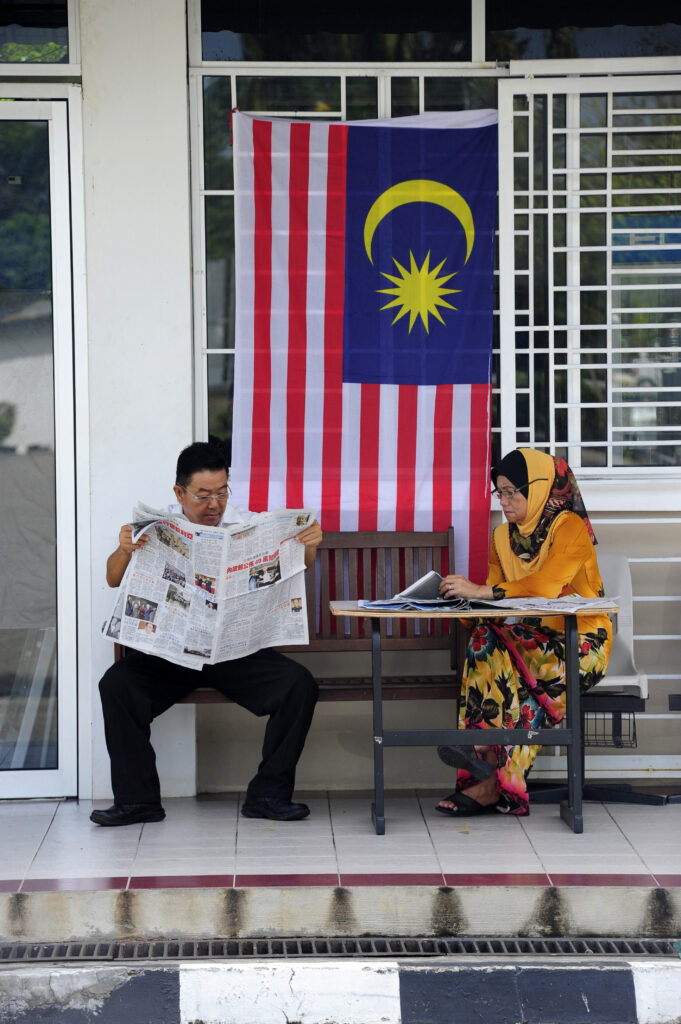
An old couple reading newspapers.
Image via Frederic Soreau/Photononstop/AFP