


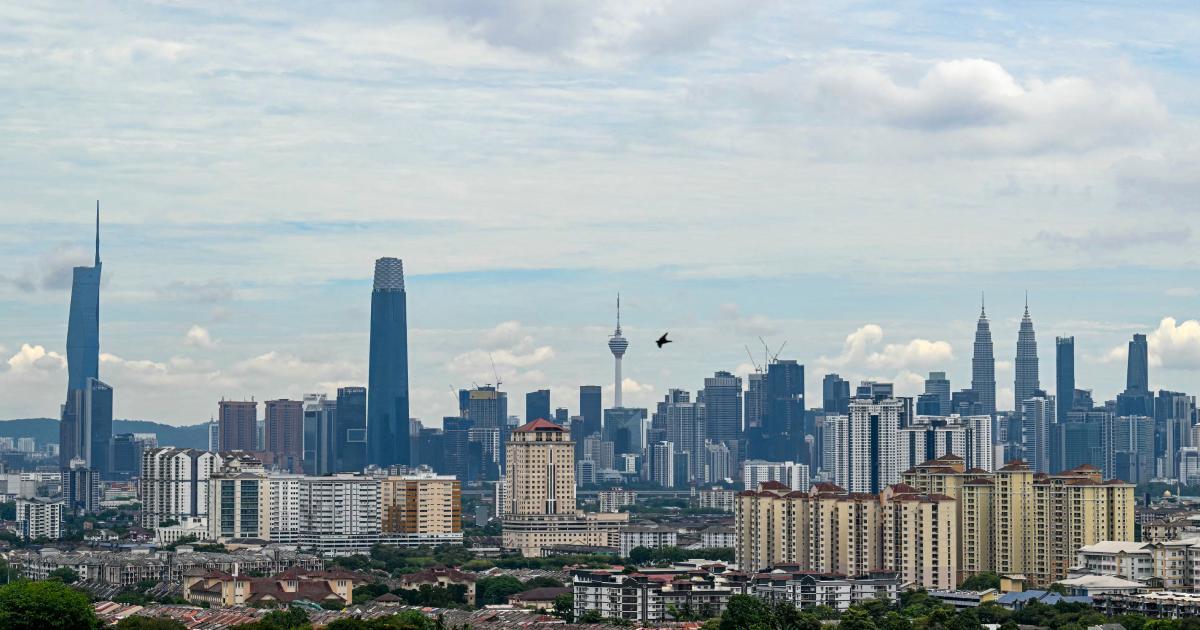
 Cover image via Mohd Rasfan/AFP
Follow us on Instagram, TikTok, and WhatsApp for the latest stories and breaking news.
Malaysia's labour market has remained relatively stable in early 2026, with the unemployment rate holding at 2.9%, according to the latest data from the Department of Statistics Malaysia (DOSM)
As of February 2026, the country recorded 16.79 million employed persons, reflecting a steady level of workforce participation.
But zoom in a little, and the growth isn't evenly spread.
Some industries are clearly expanding faster than others, and that's where most of the hiring activity is happening.
The three industries hiring the most right now
Food, Beverages & Tobacco
This sub-sector recorded the strongest increase in employment, growing by 1.9%.
It points to continued demand behind the scenes, not just in restaurants, but in manufacturing, processing, and supply chains that keep the food ecosystem running.
In simple terms, as long as people are eating (and they are), this segment keeps moving.
Electrical & Electronics (E&E)
Malaysia's E&E sector continues to be a major employment driver.
Employment in this segment grew by 1.5%, supported by strong expansion in related manufacturing activities, especially computers and optical products, which surged by 15.7%.
This is where demand for more specialised and technical roles tends to sit, particularly across production and supply chain operations.
Tourism & Services
Tourism is doing more than just bringing people into the country; it's creating jobs across multiple layers of the economy.
Driven in part by initiatives like Visit Malaysia 2026, the sector is generating employment not only in hospitality but also in retail, transport, and other service-based roles.
It's less a single industry, more a ripple effect across several.
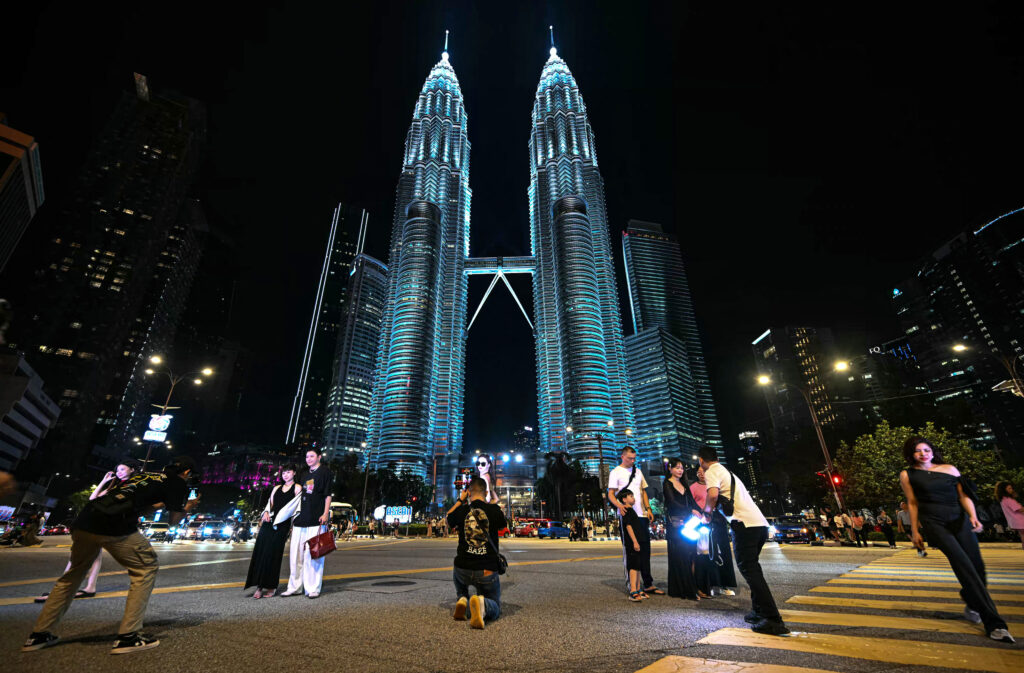
Photographers taking photos of tourists in front of the Petronas Twin Towers.
Image via Mohd Rasfan/AFPWhat the broader job market looks like
A few numbers help put things into perspective:
- 17.30 million people make up Malaysia's total labour force
- Around 75% of workers are employees (working for an employer)
- About 18.7% are own-account workers, including freelancers and small business operators
- The average monthly salary in manufacturing stands at RM3,550
A quick reality check
While some sectors are clearly expanding, the broader labour market isn't without friction.
Early 2026 has also seen what policymakers describe as a "workforce recalibration", as companies adjust to shifting global demand.
In the first quarter of the year alone, a total of 24,100 workers were retrenched — a 47% increase compared to roughly 16,500 cases in the same period last year.
The trend was front-loaded. Layoffs peaked in January at 10,700 cases before easing to 7,500 in February and 5,900 in March. However, a total of 4,708 workers lost their jobs in the first 16 days of April.
The manufacturing sector remains the most exposed, largely due to its dependence on external trade and global market conditions.
Geographically, retrenchments are also concentrated. More than half took place in the Klang Valley, with Selangor accounting for 29.3% and Kuala Lumpur 25.6% of layoffs in March.
So where does that leave job seekers?
Despite the spike in job losses, the overall picture hasn't shifted dramatically.
Malaysia's unemployment rate is still holding at 2.9%, which suggests that many displaced workers are being absorbed elsewhere, particularly into expanding sectors like services and construction.
In other words, jobs are still being created. Just not always in the same sectors where they're being lost. That makes timing, skills, and industry choice more important than before.
So, if you're looking to move, it's less about whether jobs exist and more about whether your skills line up with where growth is actually happening.
Right now, that growth is being driven by a mix of everyday demand (food), global supply chains (E&E), and travel recovery (tourism).
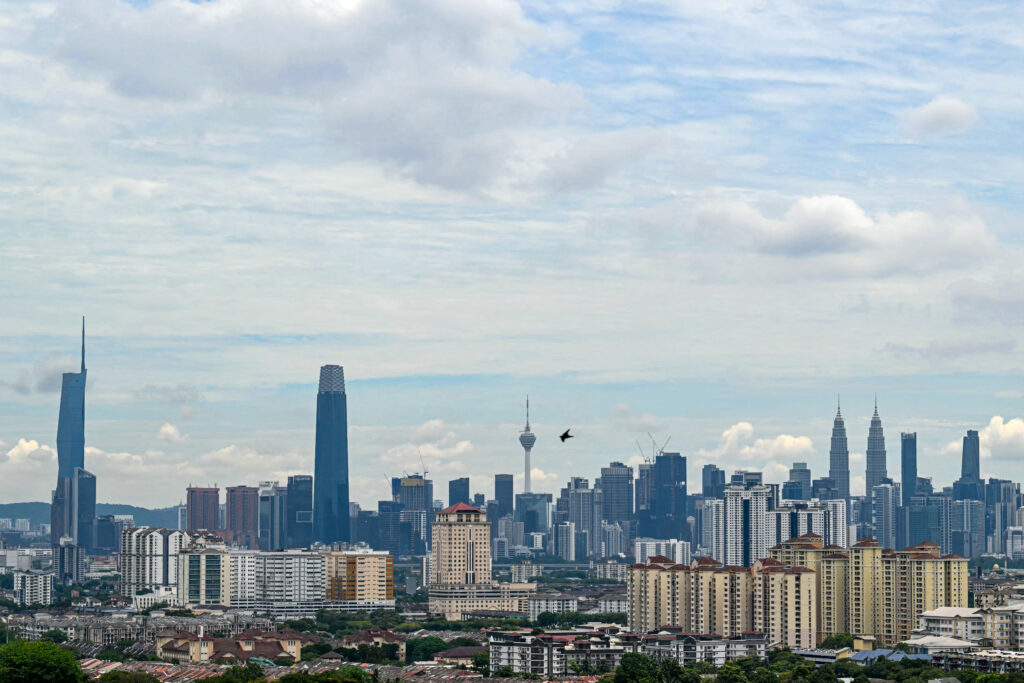
A general view of the Kuala Lumpur skyline.
Image via Mohd Rasfan/AFP