


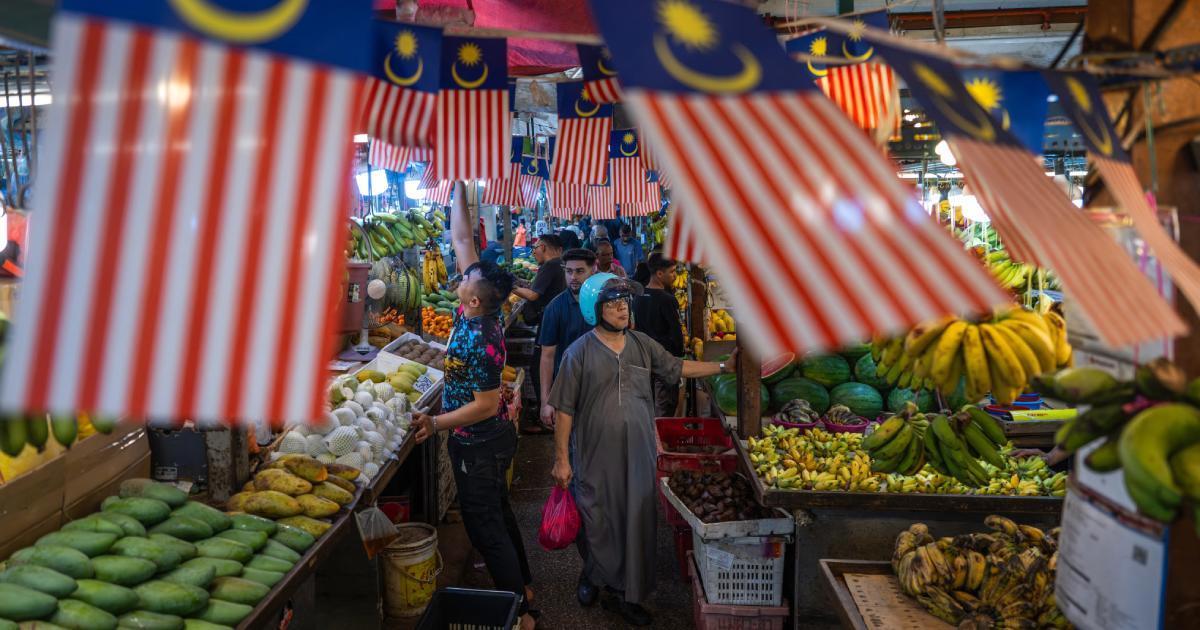
 Cover image via Mohd Rasfan/AFP
Follow us on Instagram, TikTok, and WhatsApp for the latest stories and breaking news.
Even with inflation looking relatively "calm" on paper, your daily spending might tell a different story
According to the latest data from the Department of Statistics Malaysia (DOSM), Malaysia's Consumer Price Index (CPI) rose 1.4% in February, suggesting overall price growth remains moderate. The figure rose further to 1.7% in March.
Think of CPI as the official "shopping cart" tracker; it measures the average change over time in the prices paid by everyday Malaysians for a fixed basket of goods and services, from your morning teh tarik and groceries to your monthly rent and phone bill.
In short, when the CPI goes up, it's a sign that the cost of living is rising, and your ringgit might not stretch as far as it used to!
But that figure doesn't always reflect what people actually feel when they spend.
Some categories are rising noticeably faster, especially the ones tied to everyday lifestyle choices.
The three biggest price increases right now
Insurance & Financial Services (+4.7%)
This was the steepest increase recorded.
Costs linked to managing money and protecting assets, including insurance premiums and financial-related charges, saw the biggest jump, making this the fastest-rising category in the latest data.
Education (+2.8%)
The cost of education continues to trend upward.
This includes school-related expenses such as fees and learning materials, placing it among the top contributors to rising household costs.
Restaurant & Accommodation (+2.5%)
This is where most people will feel it immediately.
Dining out and short stays are getting more expensive, reflecting higher operating costs across the sector.
Some specific food items also saw noticeable increases:
- Cooked beef: +4.6%
- Roasted pork rice: +3.9%
- Satay: +2.6%
So if your usual meals feel pricier than before, the data backs that up.
Why does it feel worse if the overall inflation is low?
Inflation is averaged across all categories, including areas where prices are stable or even falling.
That means even if the overall rate looks low, the things you spend on most often can still rise faster and hit harder.
The one bit of relief
It's not all going up.
Vegetable prices actually dropped by 6.0%, while cereals and cereal products edged down slightly by 0.5%.
So cooking at home may offer some buffer, at least for now.
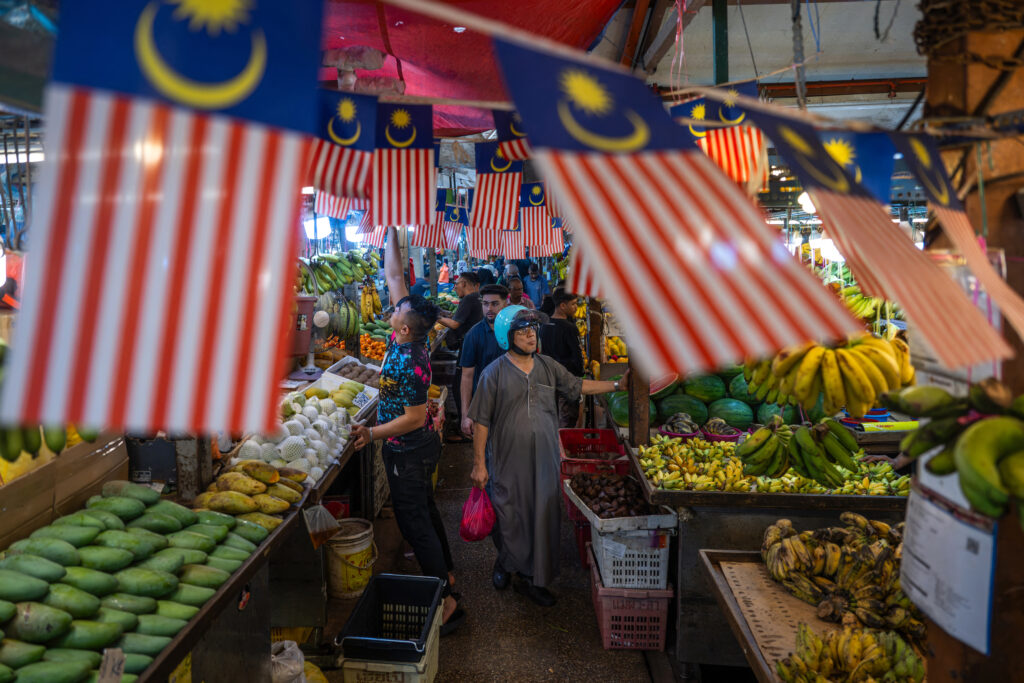
People browse for produce under Malaysian national flags at a fruit market in Kuala Lumpur.
Image via Mohd Rasfan/AFP