


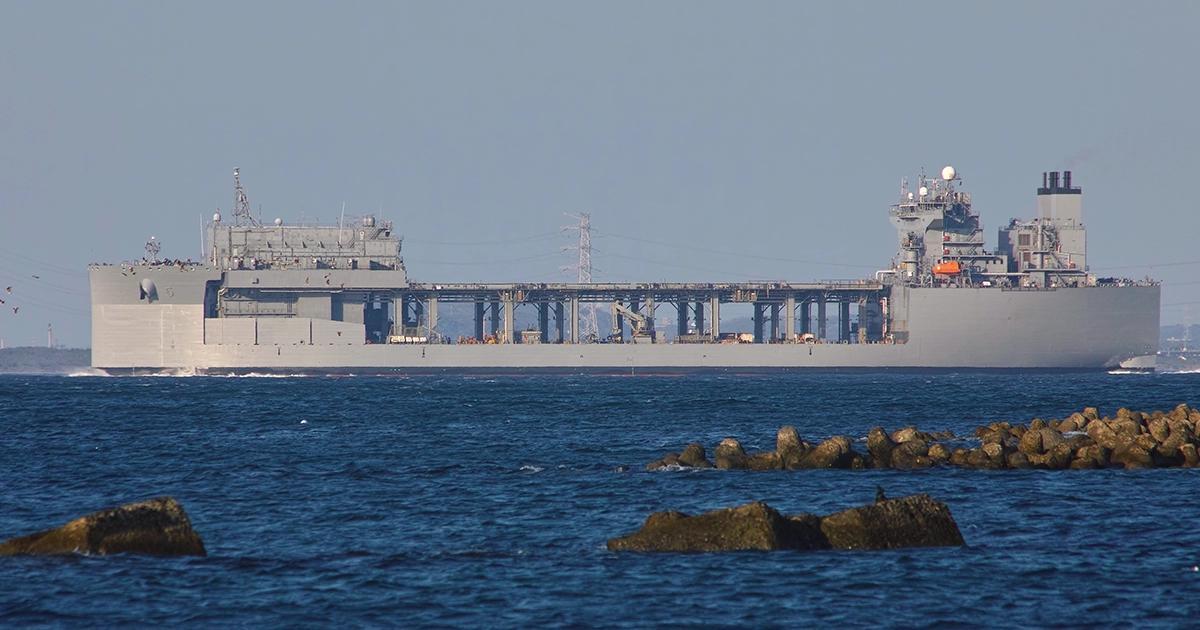
 Cover image via Eagle Intelligence Reports
Follow us on Instagram, TikTok, and WhatsApp for the latest stories and breaking news.
On 18 April, a US Navy warship passed through the Strait of Malacca
The Indonesian Navy confirmed the transit to Reuters on 20 April, identifying the vessel as the USS Miguel Keith.
Indonesian Navy spokesperson First Admiral Tunggul said the ship was detected in the eastern waters of Belawan on 18 April at approximately 3pm local time, travelling northwest at 13.1 knots.
US Indo-Pacific Command identified the vessel as a Japan-based warship conducting "routine operations in US 7th Fleet".
It had undergone maintenance in South Korea in early April.
The US Navy declined to provide details about its destination, citing standard policy on not discussing future operations or movements. However, reports have suggested that the warship is headed towards Iran to support mine-clearing operations in the Strait of Hormuz.
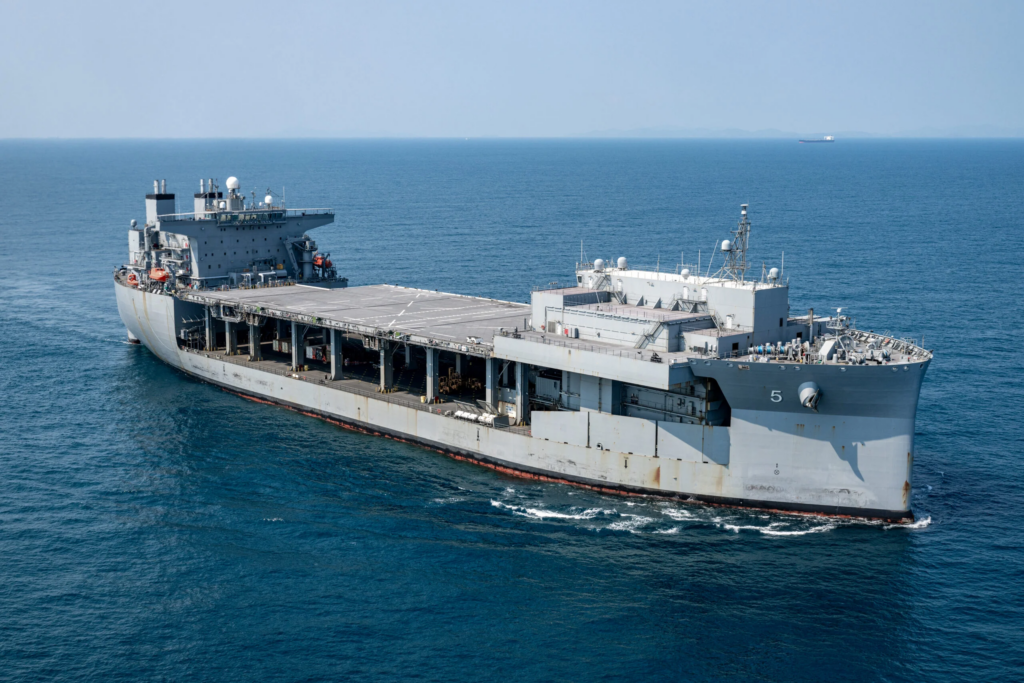
The USS Miguel Keith isn't a conventional combat vessel. It's a vessel built for flexibility and coordination rather than direct combat.
The US Navy describes it as a 24-metre customisable floating command base, capable of launching helicopters and small boats, providing living quarters for troops, and serving as a command-and-control facility at sea.
US warships transiting the Strait of Malacca is not new
In March, USS Tripoli and USS New Orleans passed through the Strait en route to the Middle East as the US-Iran war escalated.
Before that, USS Curtis Wilbur made a routine transit in June 2025 as part of a scheduled 7th Fleet deployment, and USS Nimitz, a full aircraft carrier, transited the Strait the same month, moving from the South China Sea towards the Indian Ocean.
Under international law, this is entirely standard.
As First Admiral Tunggul noted, all vessels, including warships, have rights of transit passage through straits used for international navigation, provided they respect the coastal state and comply with international maritime regulations.
However, the USS Miguel Keith's transit comes at a moment when the Strait of Malacca is drawing more strategic attention than usual
The Strait of Hormuz is in an active crisis, and with Hormuz unsettled, the Strait of Malacca has absorbed even greater significance as an alternative routing corridor for global energy and trade.
Earlier this month, the US and Indonesia also signed a Major Defence Cooperation Partnership, with reports emerging that Washington had pushed for blanket military overflight access through Indonesian airspace, a clause that was subsequently walked back by Jakarta after it was exposed by Indian media and triggered domestic backlash.
Against that backdrop, US Joint Chiefs of Staff Chairman General Dan Caine had stated publicly that American forces would pursue Iranian-affiliated vessels even in waters far beyond the Middle East.
The USS Miguel Keith's transit through the Strait, however routine in legal terms, lands in that context.
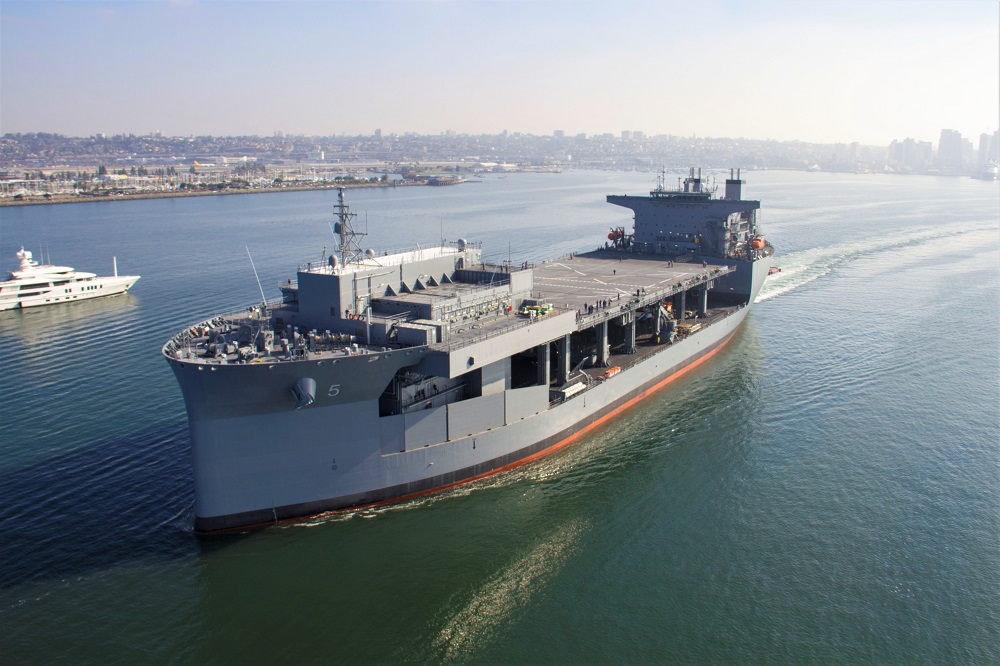
The Expeditionary Sea Base (ESB) ship USS Miguel Keith (ESB 5).
Image via Naval NewsWhat is Malaysia's position in all this?
Defence Minister Datuk Seri Mohamed Khaled Nordin addressed the broader anxieties around the Strait just a day before the transit was confirmed, on 19 April, at the Defence Services Asia (DSA) 2026 exhibition in Kuala Lumpur.
"What is happening in other regions does not necessarily happen here. We have a different context, history and cooperation mechanisms," he said, pushing back on comparisons between the Strait of Malacca and the Strait of Hormuz.
"Malaysia, Indonesia and Singapore share the responsibility of ensuring that this route remains safe, stable and open for global trade," Khaled added.
His remarks and the USS Miguel Keith's confirmed transit landed within 24 hours of each other, one a reassurance, the other a reminder of how much attention this waterway is currently drawing from outside the region.
As security expert Munira Mustaffa told SAYS earlier, Malaysia has long navigated the space between major powers. The real risk, she said, isn't getting caught in a conflict, but "losing the room to stay ambiguous".
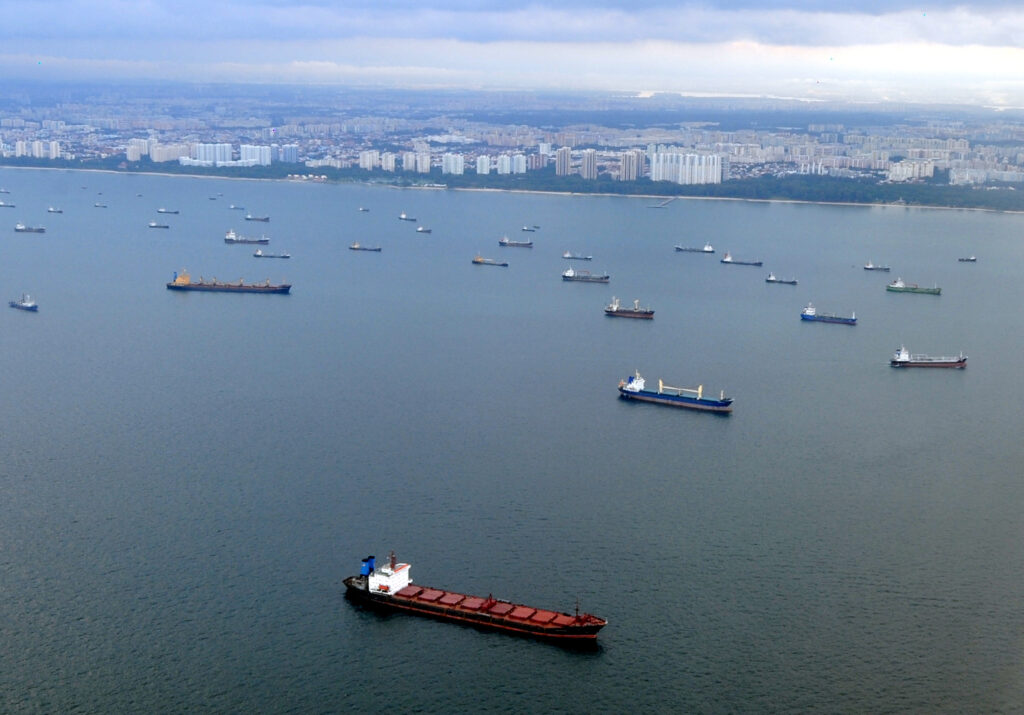
This aerial file photo shows a vessel (bottom) sailing past ships anchored along the coast of Singapore at the mouth of the Strait of Malacca.
Image via Roslan Rahman/AFP