


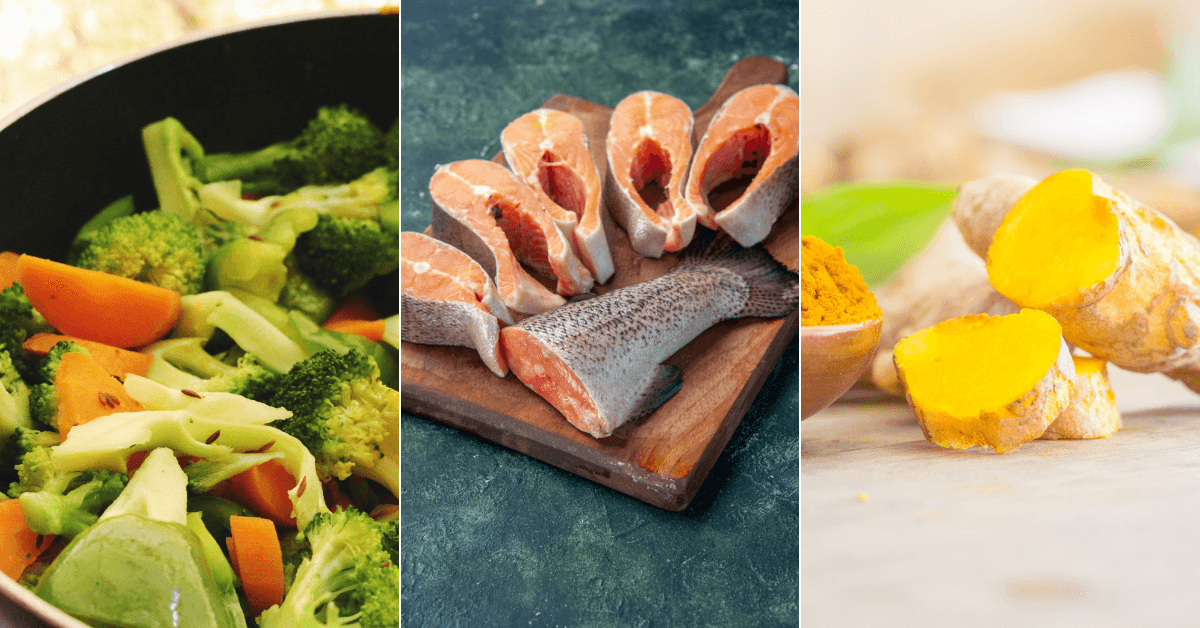
 Cover image via
 Follow us on Instagram, TikTok, and WhatsApp for the latest stories and breaking news.
It's a tale as old as time
I'm pretty sure all our mums have, at some point or another, insisted we eat something they believed was "brain food": chicken essence, cod liver oil, raisins, etc.
Well, there really are some foods that — while we can't guarantee they'll make you a super-genius — have been linked by studies to healthy brain function, especially if consumed in higher amounts!
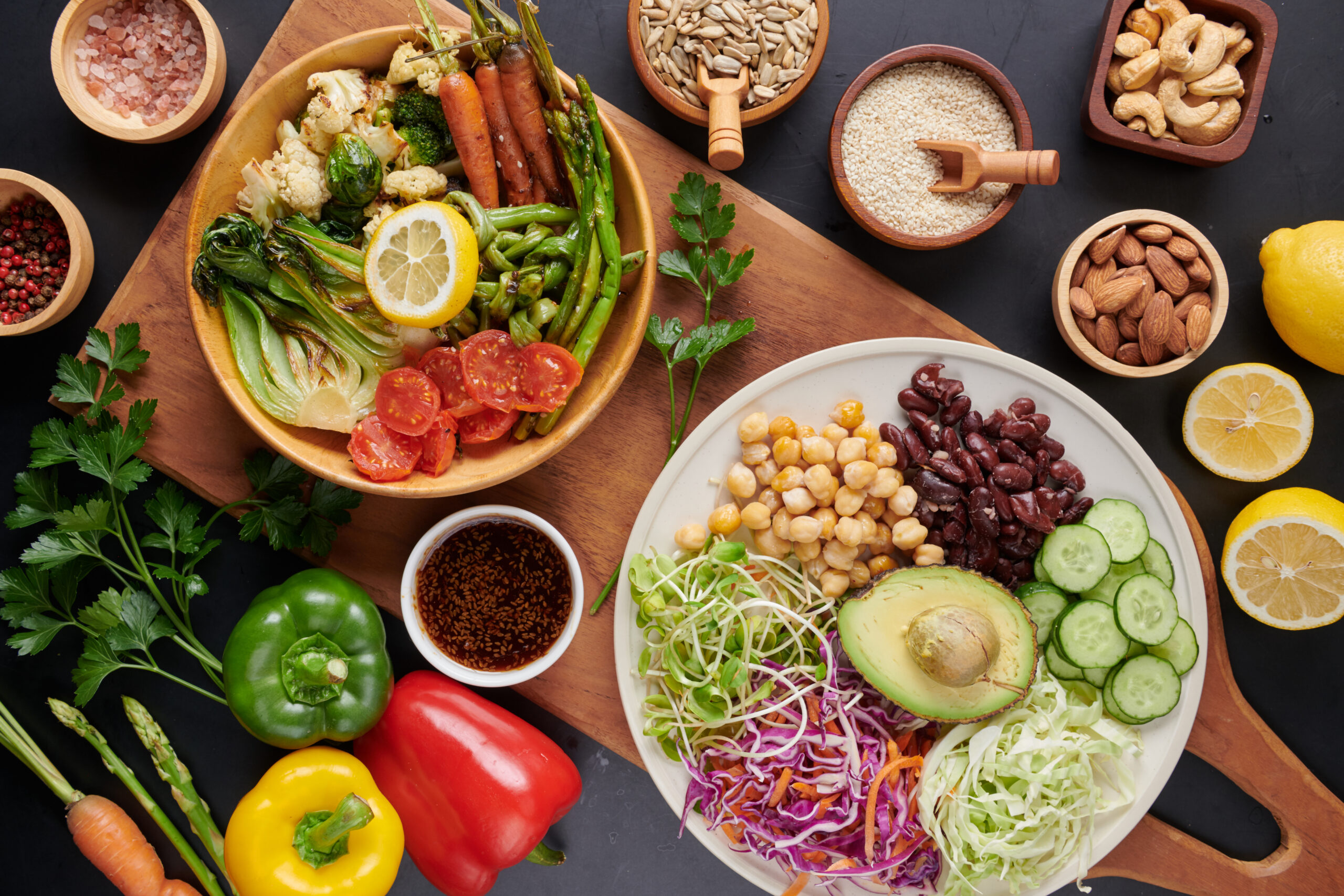
Here are some foods that may be considered "brain food"
1. Fatty fish
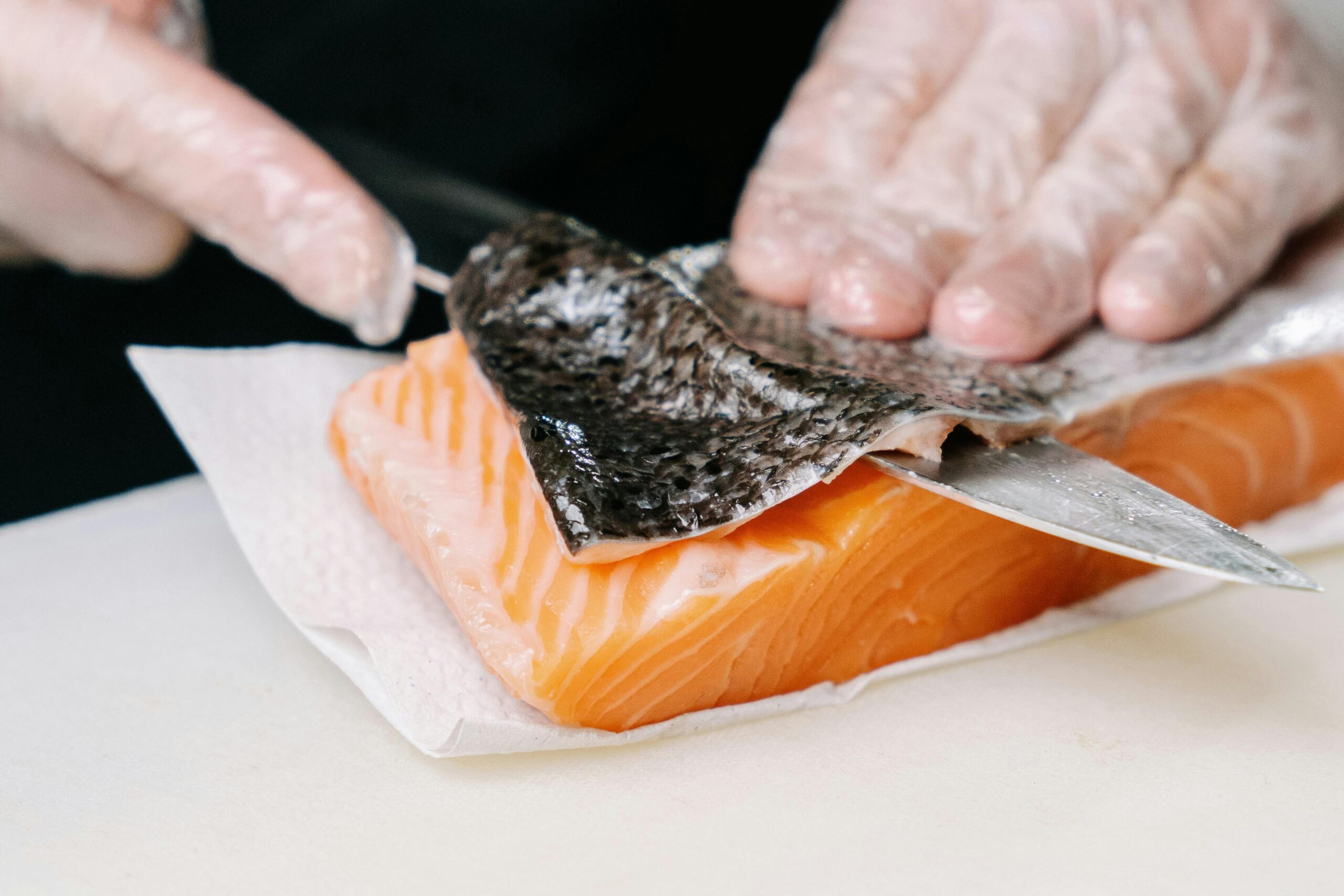
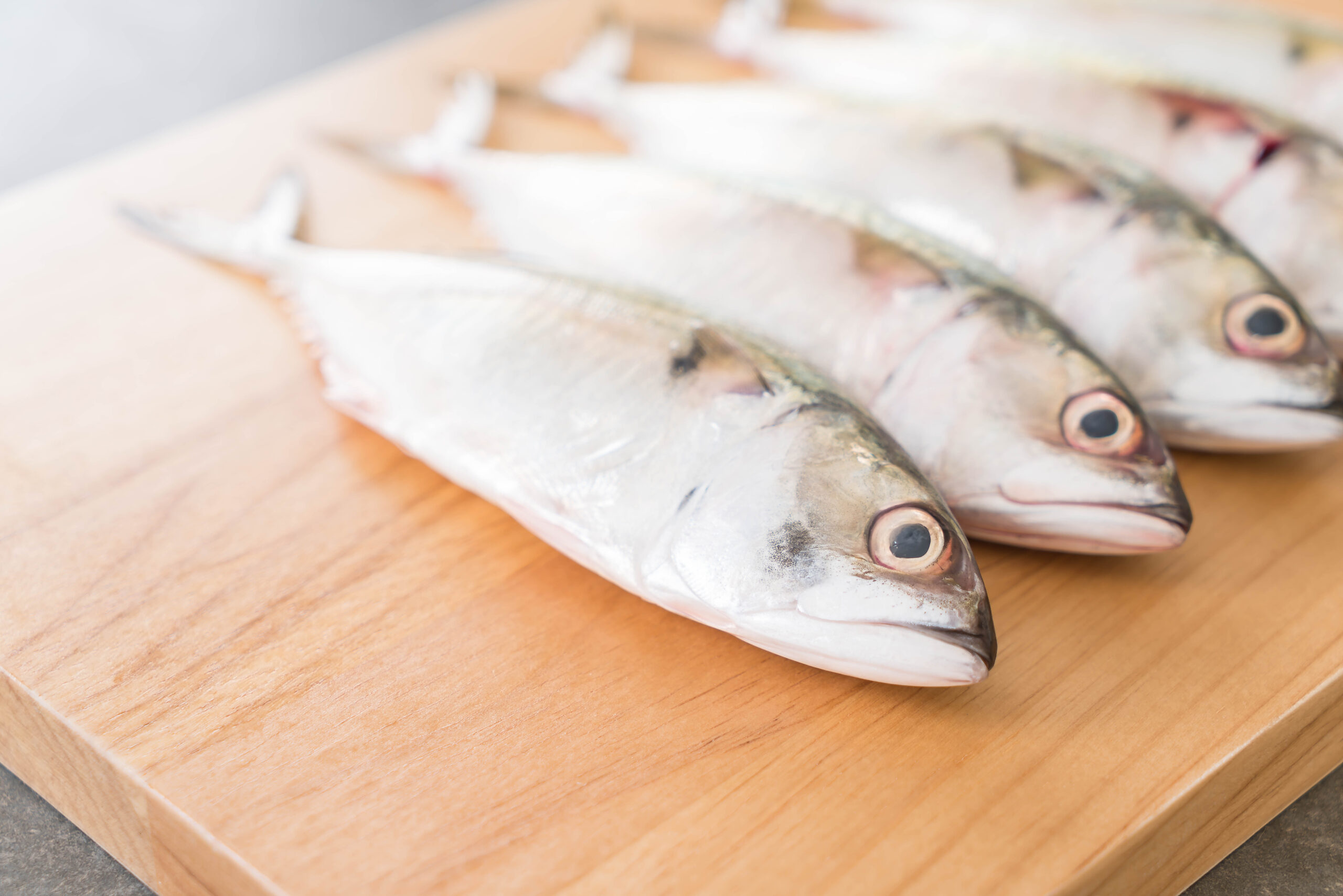
No, not literally fat fish, but more oily fish, which are higher in healthy fats. The good kind.
These fish are rich in Omega-3 fatty acids, which make up about 60% of the brain's dry weight. Besides being used to build brain and nerve cells, Omega-3 fatty acids are also crucial for learning and retaining memory.
In fact, research has suggested that Omega-3 fatty acids may also aid ageing people in slowing down cognitive decline.
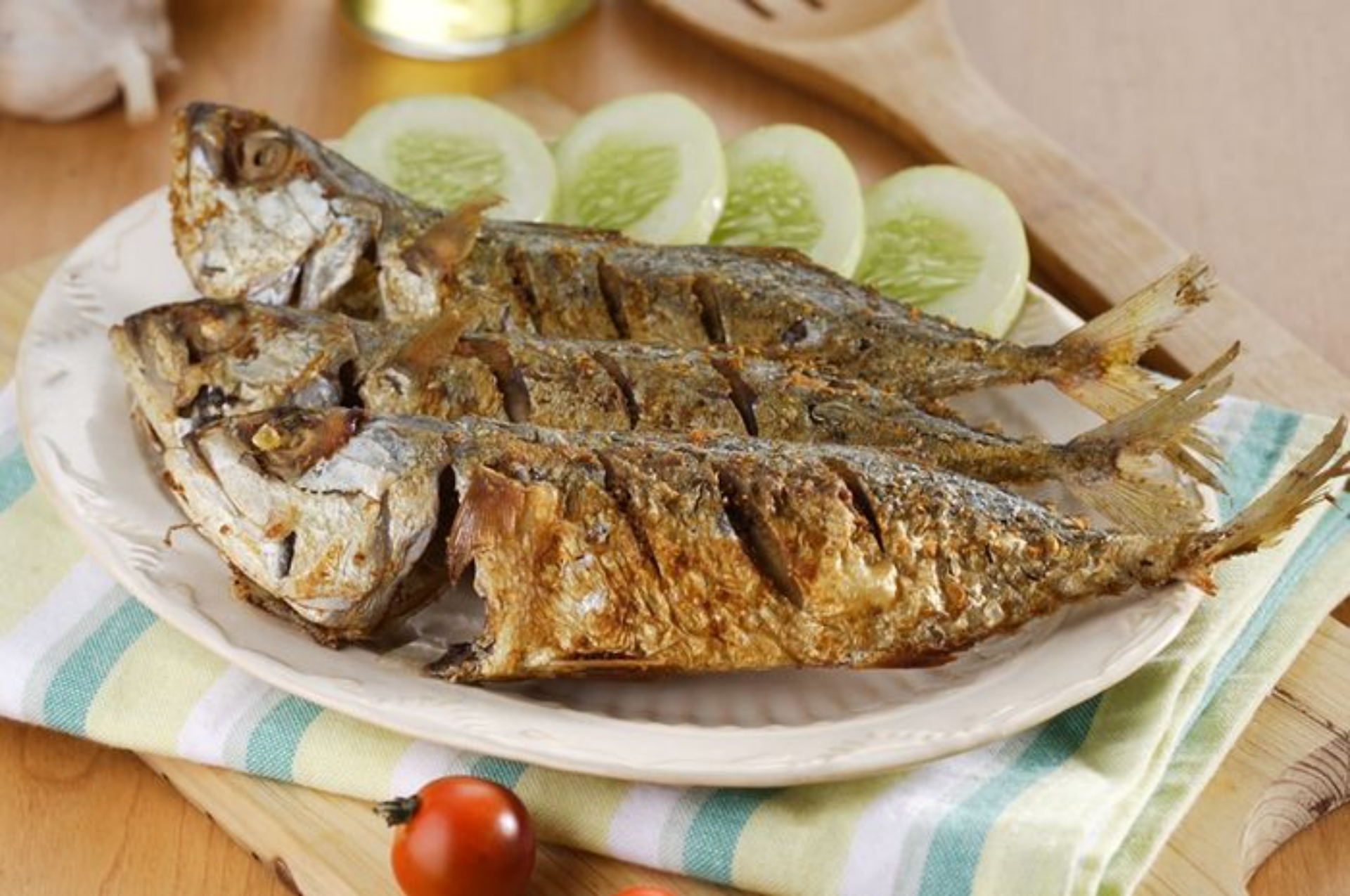
Fatty fishes include fish like salmon, sardines, tuna, and mackerel like ikan kembung.
2. Blueberries, strawberries, all berries
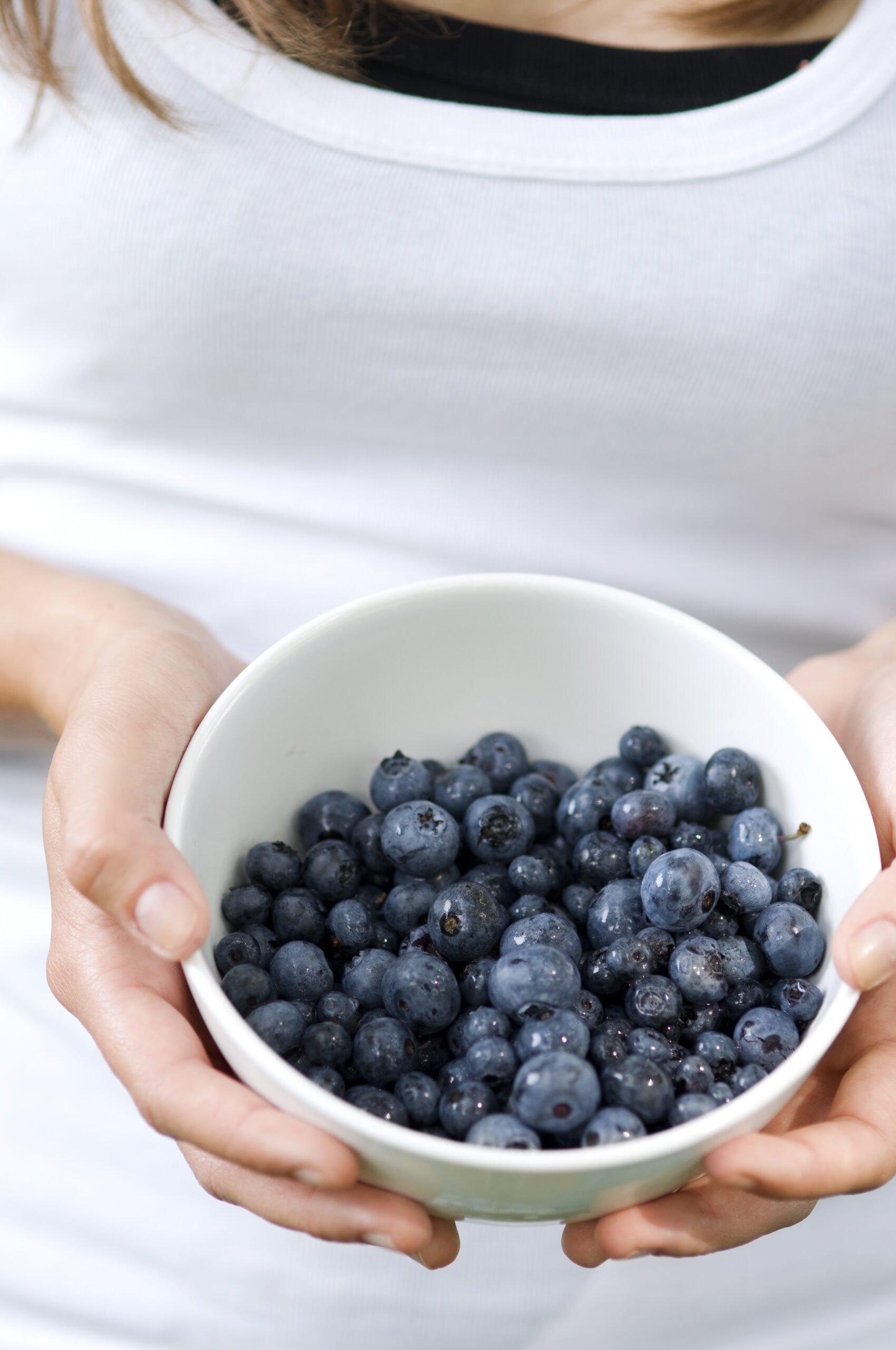
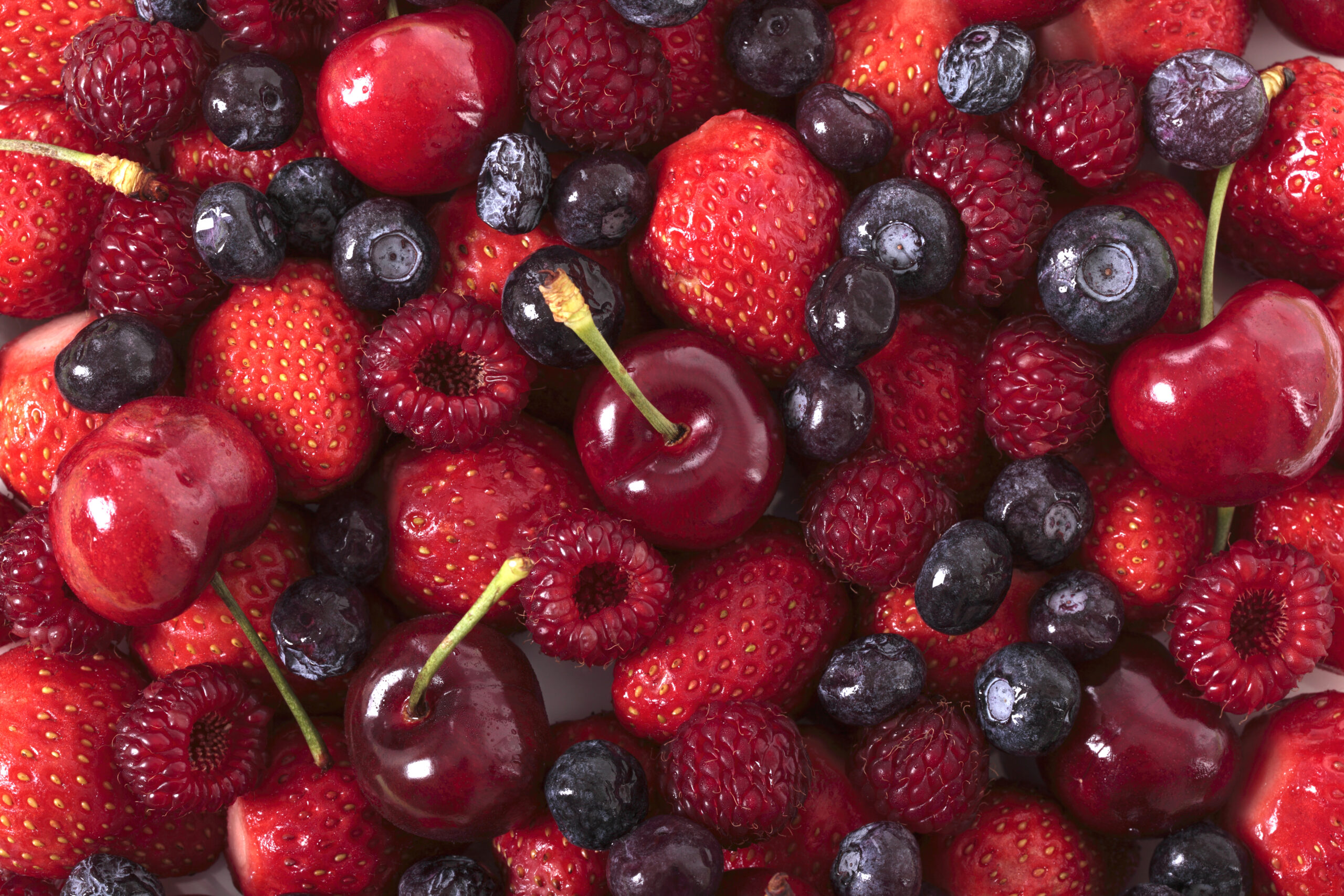
All berries are great for you, but with blueberries in particular, they have been found to be packed with anthocyanins — antioxidants that help protect the brain from oxidative stress and inflammation, which are two key contributors to brain ageing and neurogenerative diseases.
Additionally, flavonoids — the natural plant pigments that give berries their distinct colourful hues — have also been found to improve memory.
According to Harvard Health Publishing, women who consumed two or more servings of strawberries and blueberries a week delayed their memory decline by up to two and a half years.
3. Leafy greens
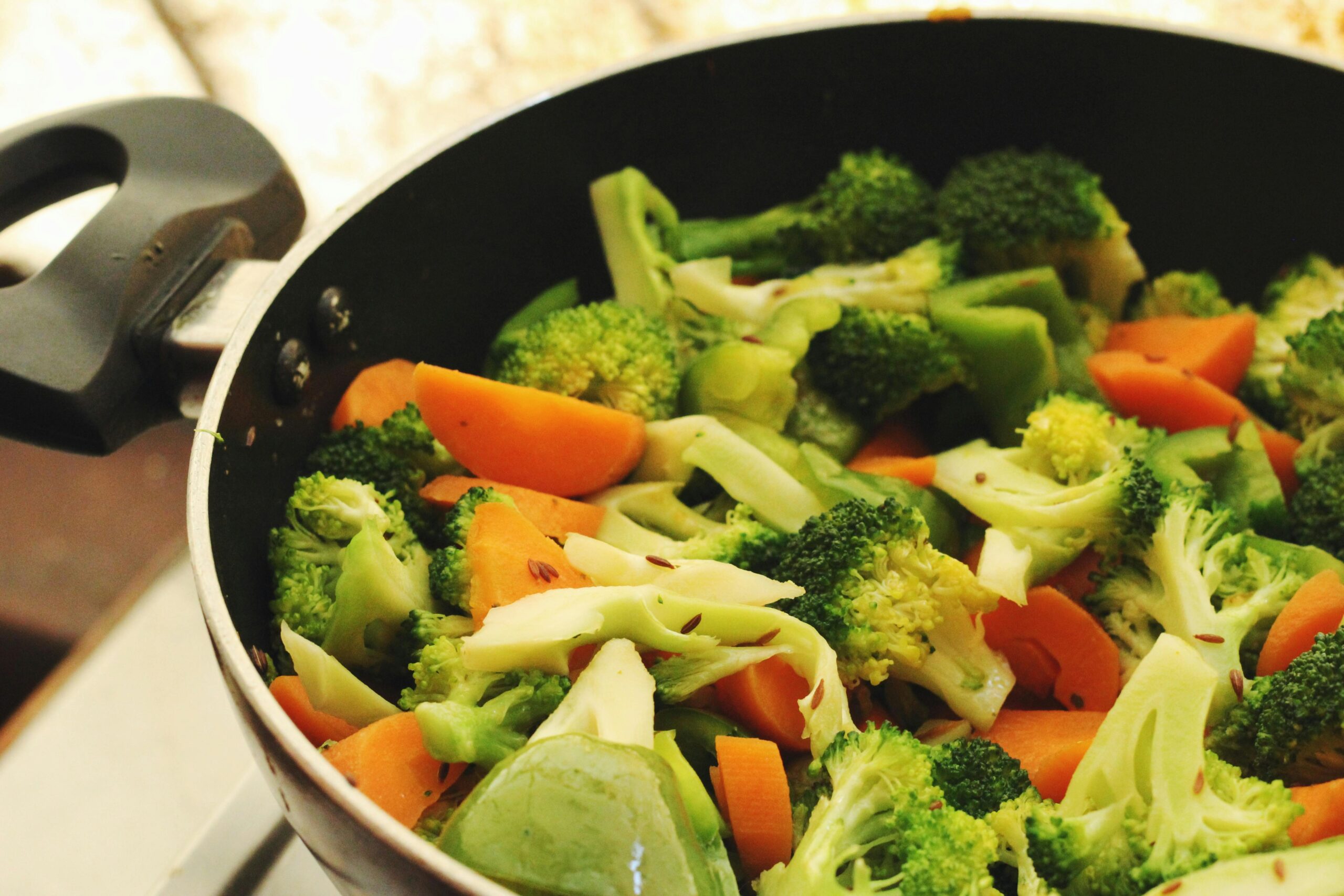
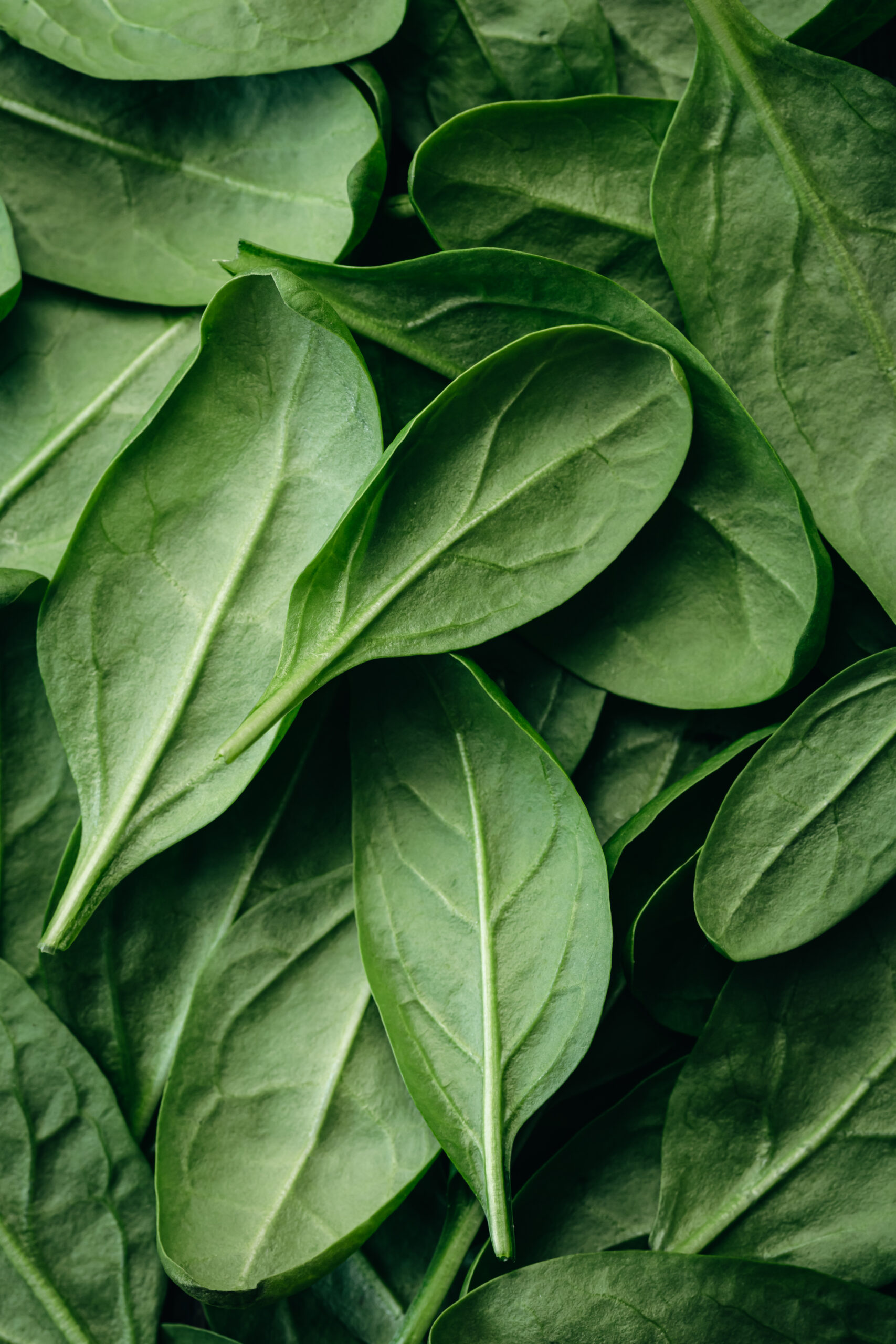
Yes, all leafy green vegetables, and not just for their Vitamin C! Vegetables like spinach, kale, broccoli and cabbage are rich in brain-healthy nutrients (Vitamin K, lutein, folate, beta carotene) that may slow down cognitive decline.
Broccoli, in particular, is rich in Vitamin K, which is found in a 2015 study to improve memory performance in older adults, by way of helping build sphingolipids — fatty substances crucial for brain cell function.
4. Walnuts
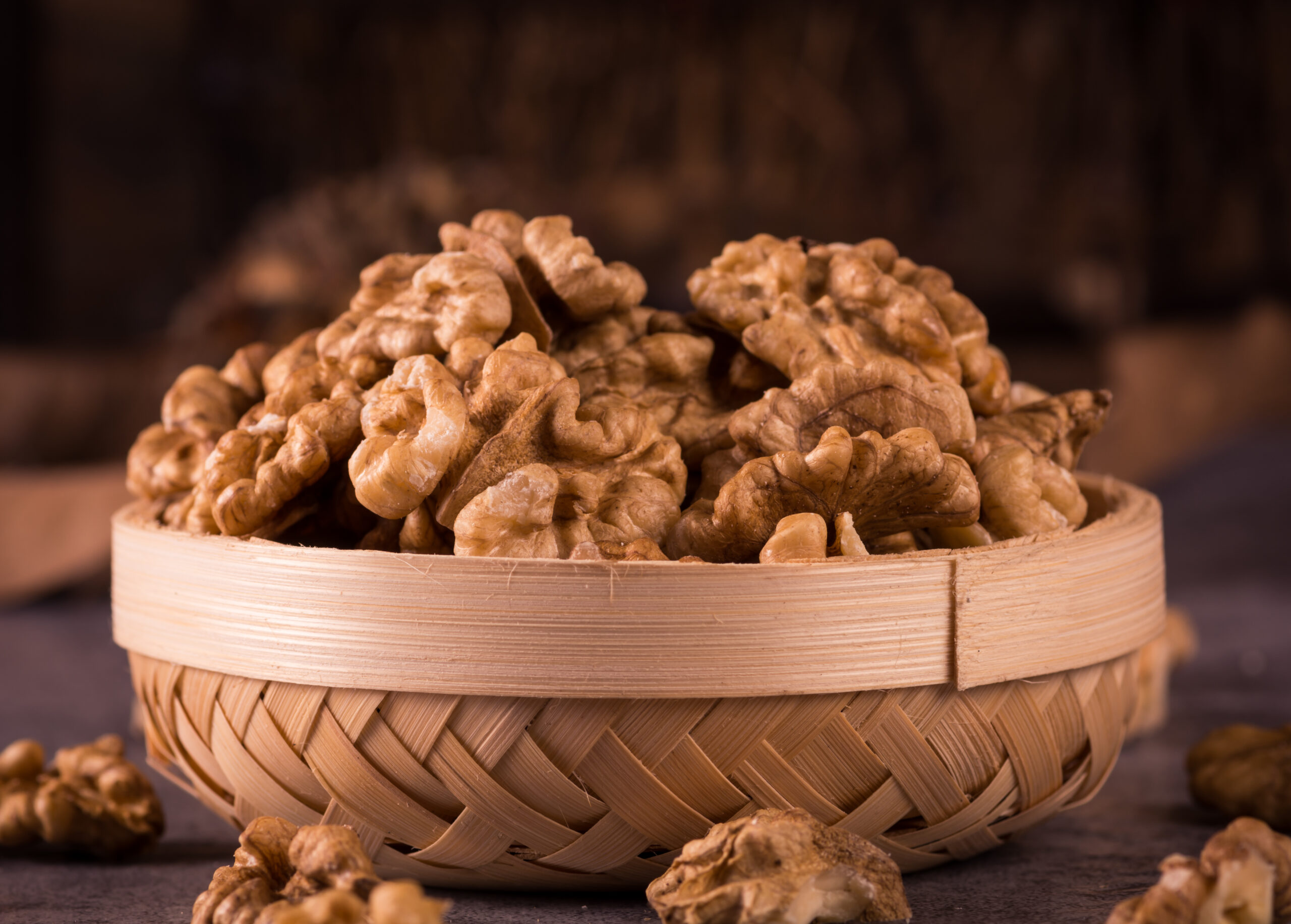
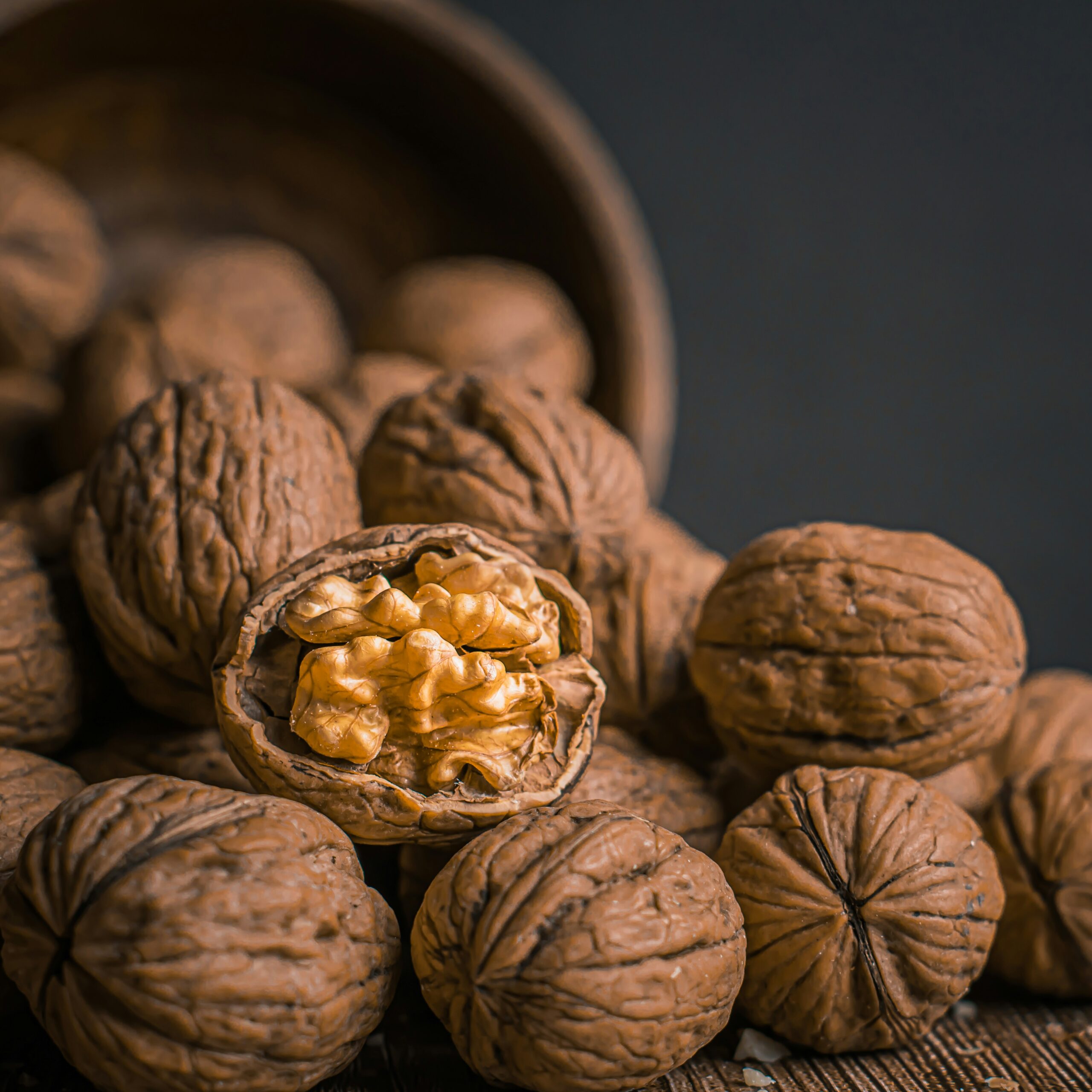
Now, all nuts are a good source of protein and brain fats, but walnuts in particular have been found to improve cognitive function — a 2014 study assessing 20-59-year-old adults linked higher walnut consumption with better memory scores.
Also, walnuts are rich in a kind of Omega-3 fatty acid called alpha-linolenic acid (ALA), and diets rich in ALA and other Omega-3 fatty acids are associated with low blood pressure and cleaner arteries.
So, it may not just be your brain you're helping when you help yourself to walnuts; it's your heart, too. ❤️
5. Dark chocolate
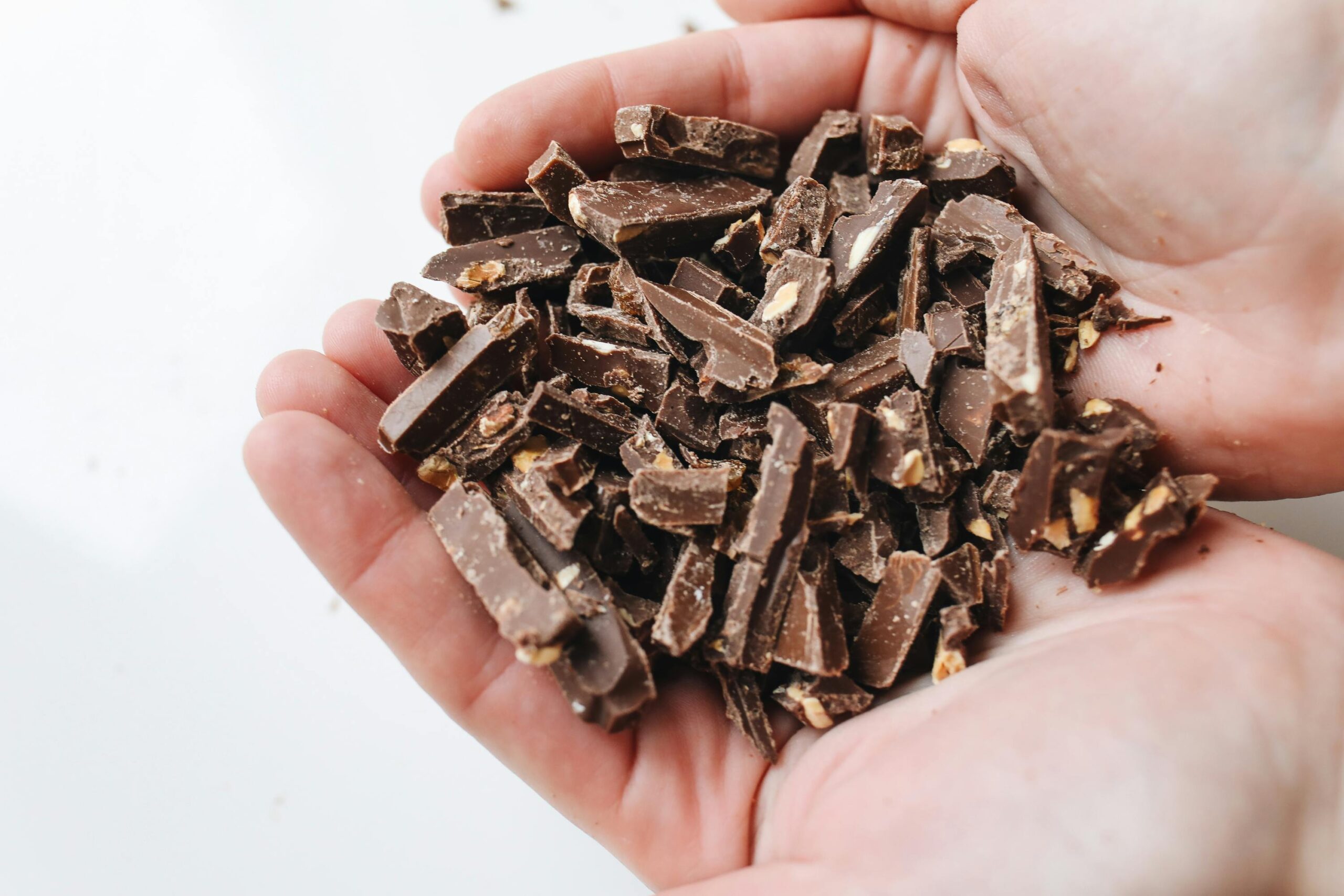
Yes, chocolate (specifically the kind with 70% cacao or more)! You know the bitter kinds with minimal added sugars and a rich, chocolatey taste? Those are full of flavonoids, caffeine and antioxidants, all of which have been linked to improved cognitive function and memory.
Just like with blueberries, the flavonoids in dark chocolate have been found to stimulate blood flow to the brain, potentially boosting memory and improving cognitive performance.
Score one for chocolate lovers!

6. Turmeric
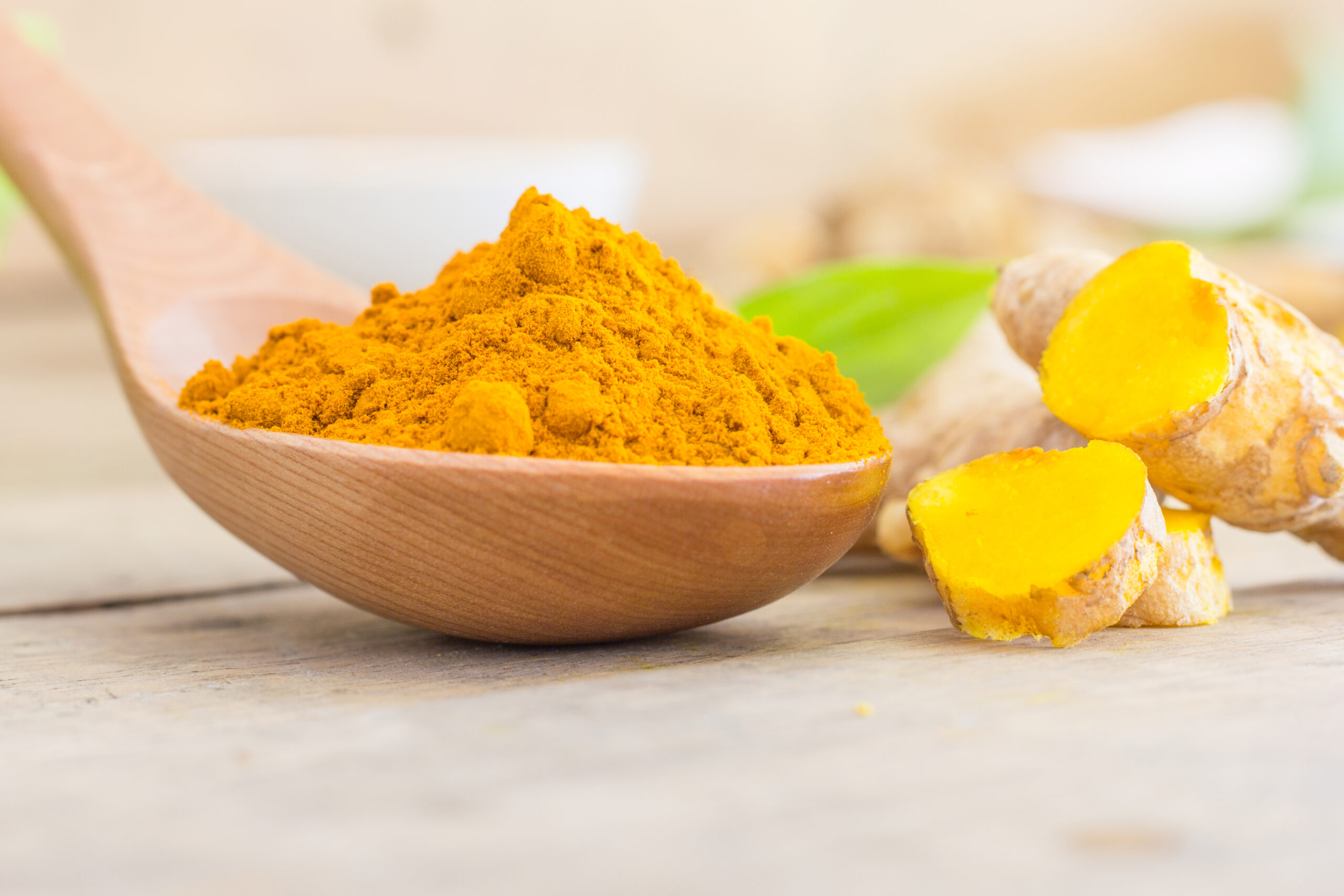
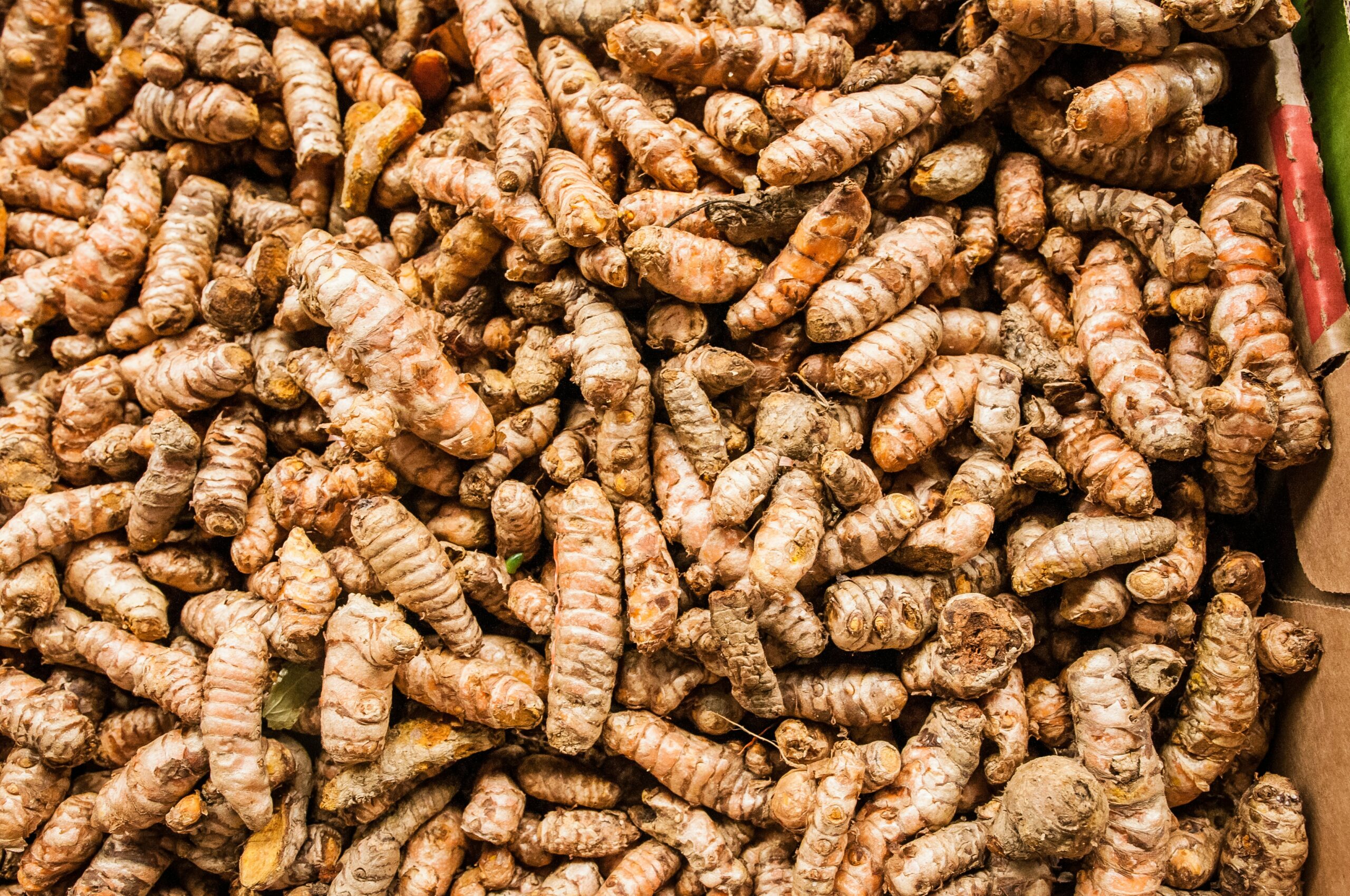
Here's one for us Asians — turmeric (or as we call it, kunyit) has been found by the Northside Hospital to possibly enhance brain function.
The reason? Curcumin — the active compound in turmeric — can cross the blood-brain barrier and has both anti-inflammatory and anti-oxidising properties.
It can potentially ease depression, improve memory, and support the growth of new brain cells. So by consuming healthy amounts of turmeric (not a difficult task for us), we can reduce the risk of stroke and other age-related neurodegenerative diseases like Parkinson's and Alzheimer's.
7. Avocado
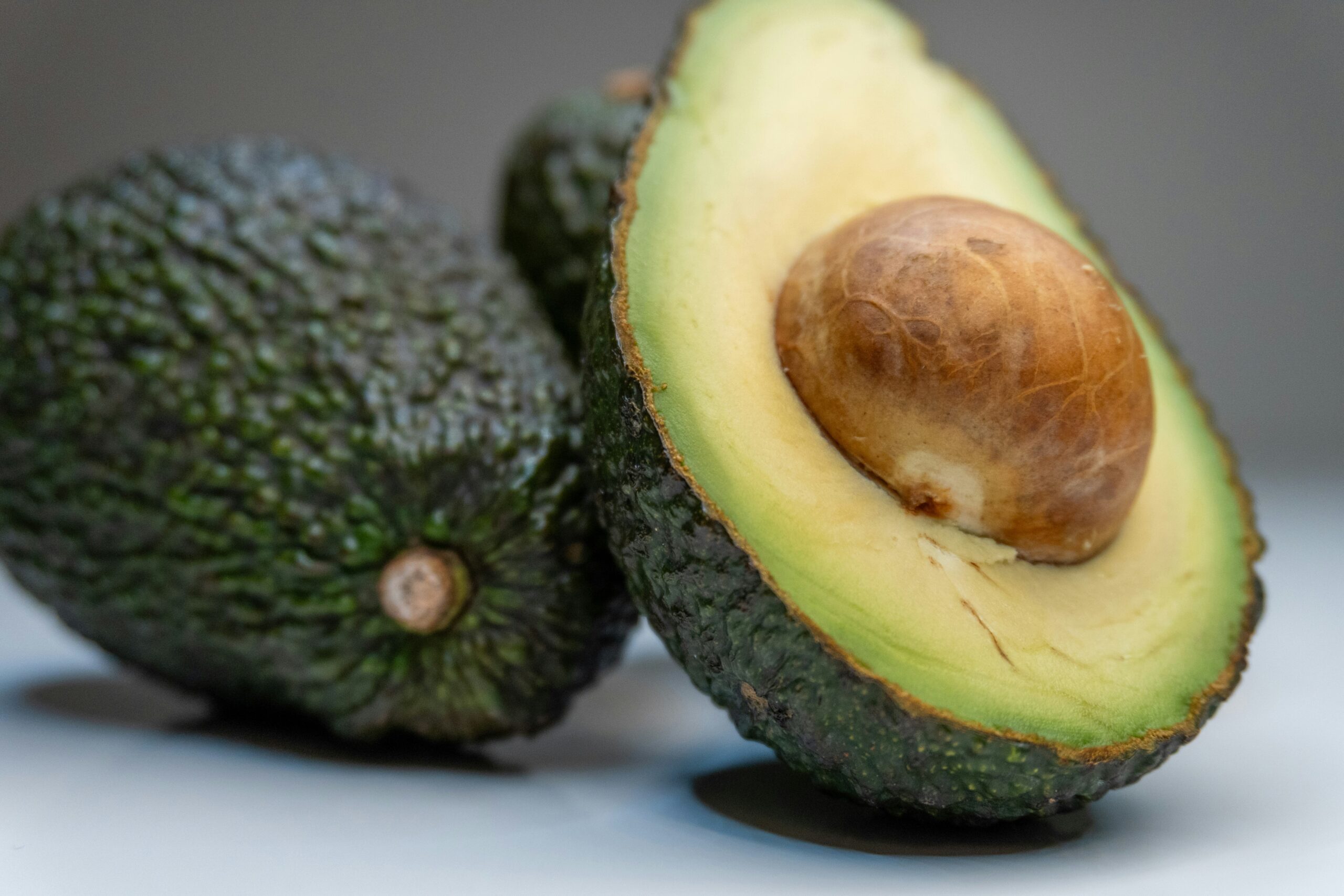
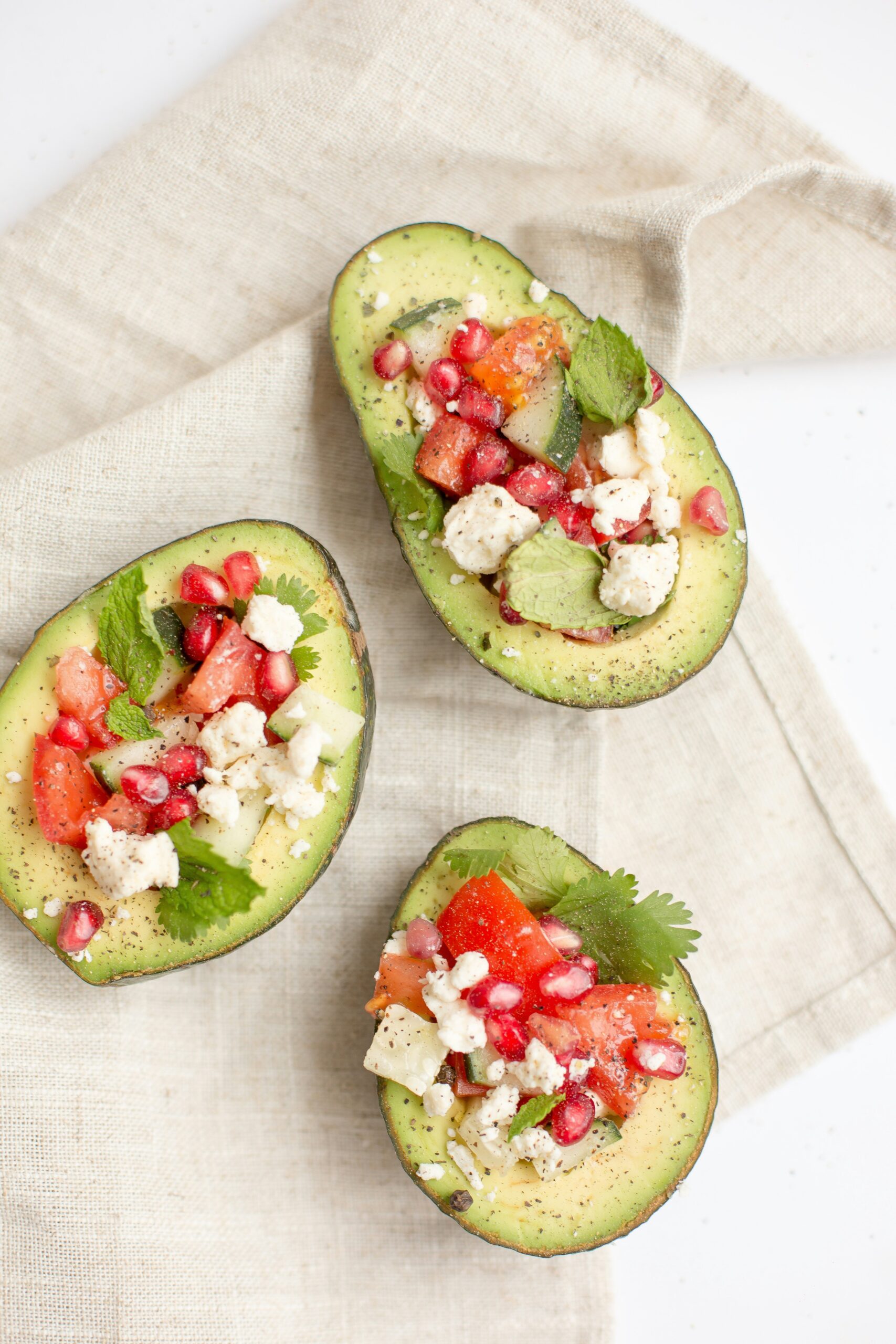
Don't think of these as simply a fancy addition to your poke bowls — avocados have been linked with improved brain function and cognition, as they are rich with monosaturated fats, antioxidants, and other beneficial nutrients!
Besides maintaining healthy blood flow to the brain, monosaturated fats also support communication between the brain and muscle, and may provide a steady energy source for brain cells as well.
The result, thanks to its rich antioxidants and nutrients like folate? Better working memory and problem-solving skills, and added protection against age-related cognitive decline.
Now before you go chowing down on these foods non-stop to become smarter — here are some things to consider
- Variety is key! Always remember that a healthy diet consists of a wide range of foods (carbs, proteins, fats, and the like!) taken in the right amounts. Eating exclusively one kind of food will contribute poorly to your overall health.
- Don't ruin an otherwise healthy diet by "improving" it with added sugars and fats! For example, berries are great for you — but the benefits are outweighed by the costs when you consume it with ice cream, sweet yoghurt, and other condiments like that.
- Studies are always ongoing — these foods are good for your health in general, but whether they are definitively effective in improving brain function is a matter of ongoing research.
And most importantly…
Let yourself enjoy from time to time!
There's nothing wrong with indulging and enjoying a nice, heavy meal, or a midnight cup of instant noodles at midnight. Because after all — moderation is key.
The information provided is for educational and communication purposes only and it should not be construed as personal medical advice. Information published in this article is not intended to replace, supplant or augment a consultation with a healthcare professional regarding the reader's own medical care.
