 Cover image via
Follow us on Instagram, TikTok, and WhatsApp for the latest stories and breaking news.
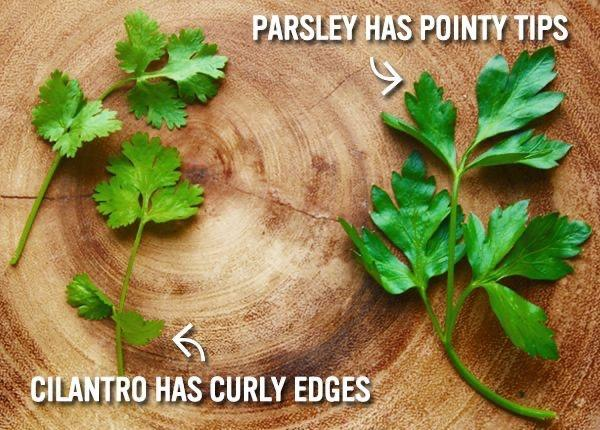
You've probably seen these herbs used interchangeably in recipes, sprinkled on everything from nasi biryani to pasta, or labelled with names that sound weirdly similar
Chinese parsley, coriander, English parsley, and Italian parsley might look like siblings, but they're not all the same.
Knowing which herb to use can really change the outcome of your dish.
Here's a quick breakdown so you know exactly what you're working with.

Let's start with the most confusing pair.
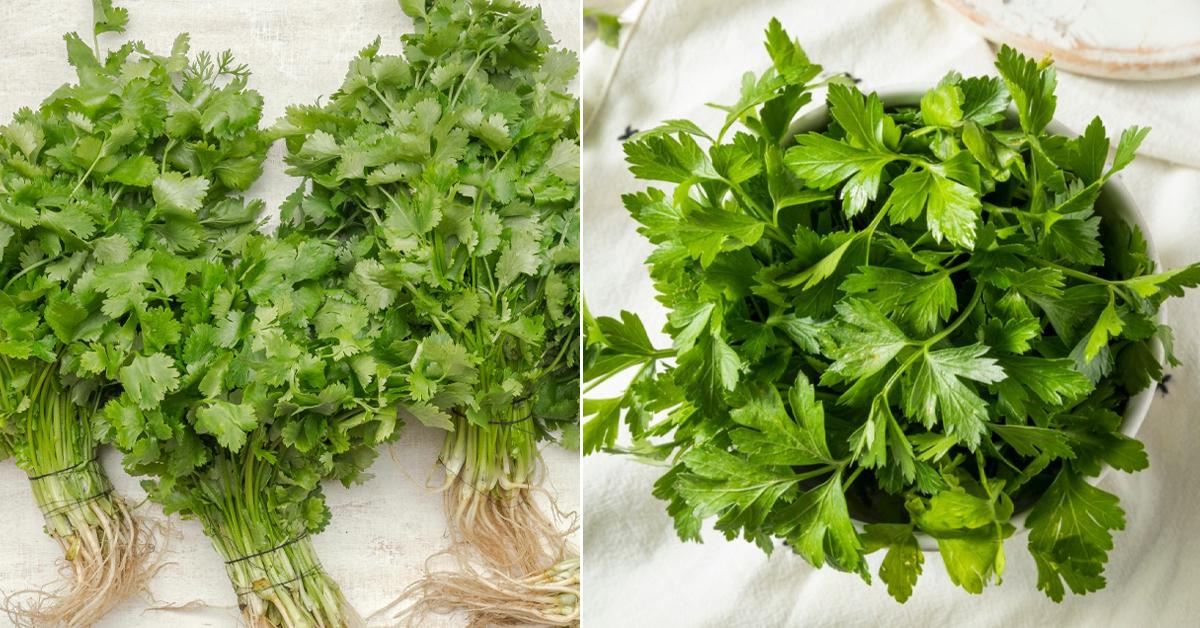
Chinese parsley and coriander are the same plant, just different names.

Chinese parsley is just another name for coriander. And yes, it's the same leafy herb that Americans call cilantro.
- In Malaysian and Asian recipes, we usually call it coriander or daun ketumbar.
- American recipes might call the leaves "cilantro" and the seeds "coriander", which makes things even messier.
The flavour is bold and citrusy, with a strong aroma that either makes your mouth water… or your face scrunch (thanks to a genetic quirk where some people think it tastes like soap).
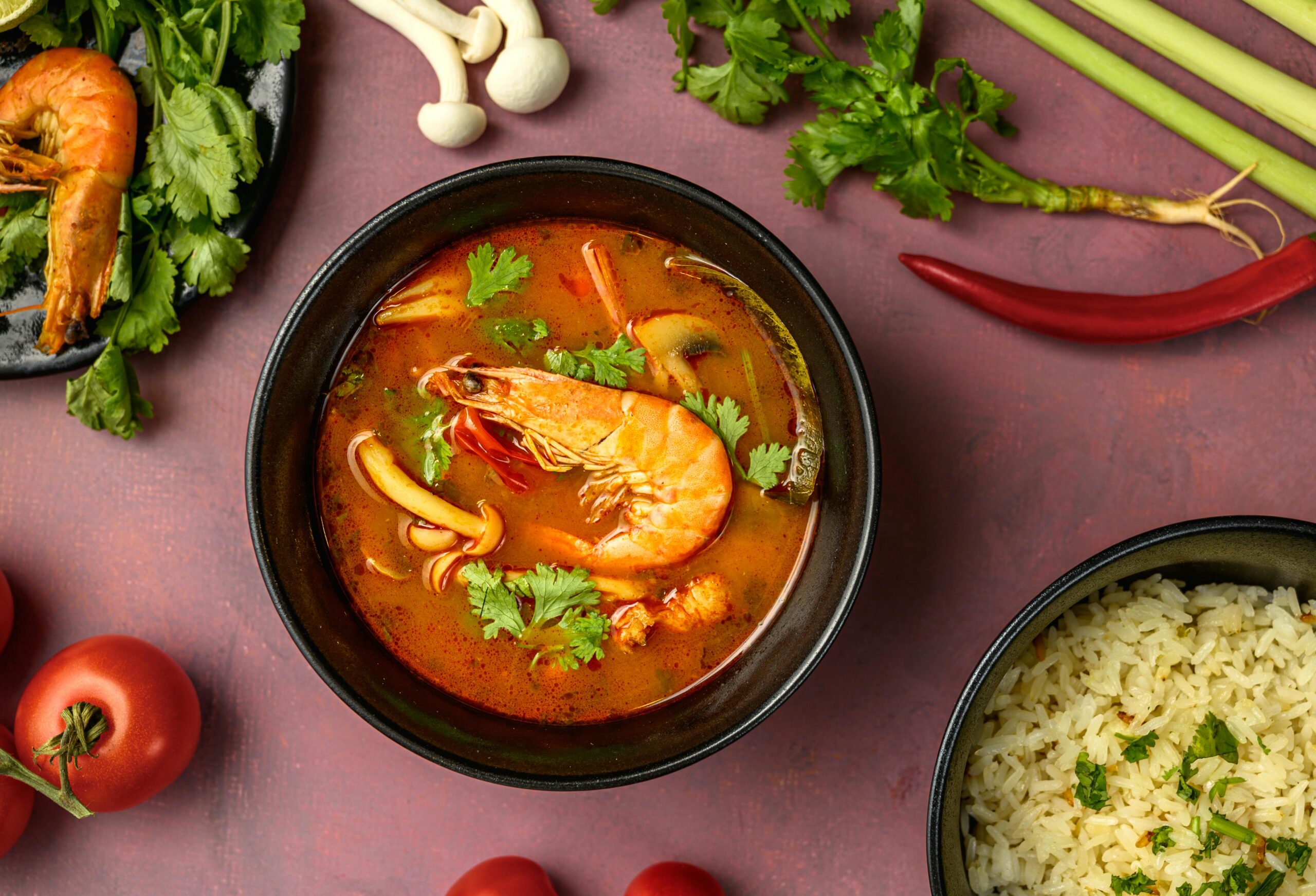
Use it fresh in steamed fish, curries, tom yam, salsas, or even just sprinkled over mee hoon soup for that punchy, herbal finish.
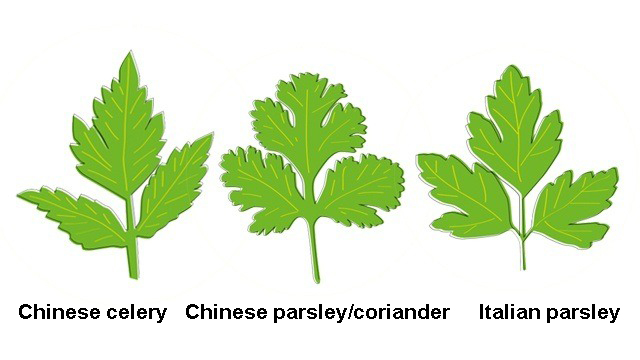
Note: Don't get confused by Chinese celery, which is something completely different. Although it looks very similar to Chinese parsley, Chinese celery has longer, thinner stalks, and a more pronounced celery flavour.
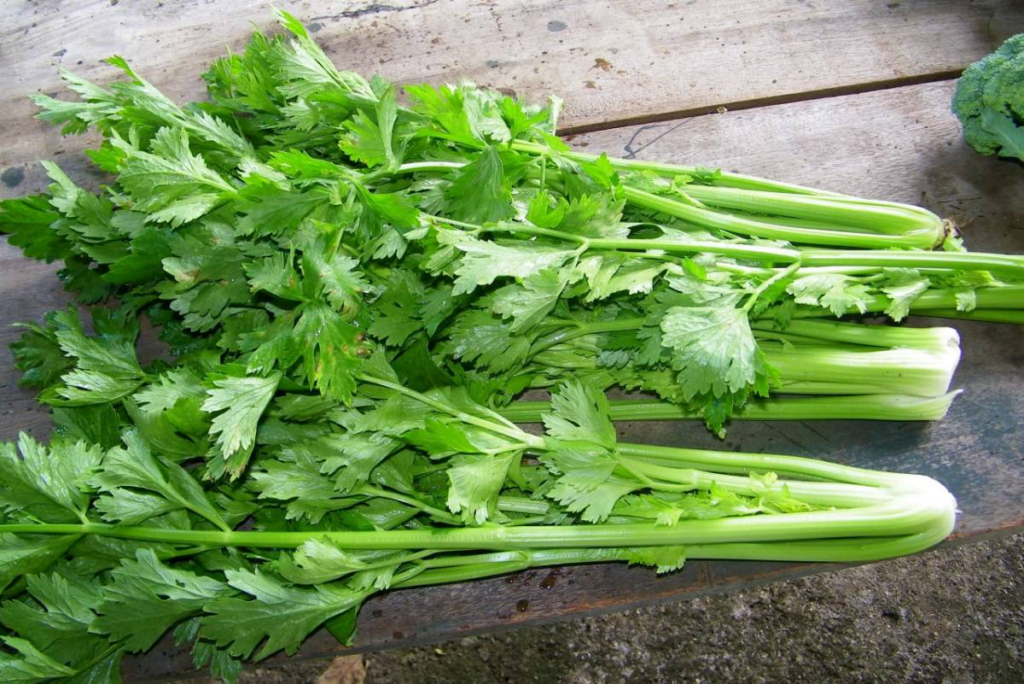
Chinese celery is not the same as Chinese parsley.
Image via Rebecca Fresh MarketItalian parsley is flat and aromatic
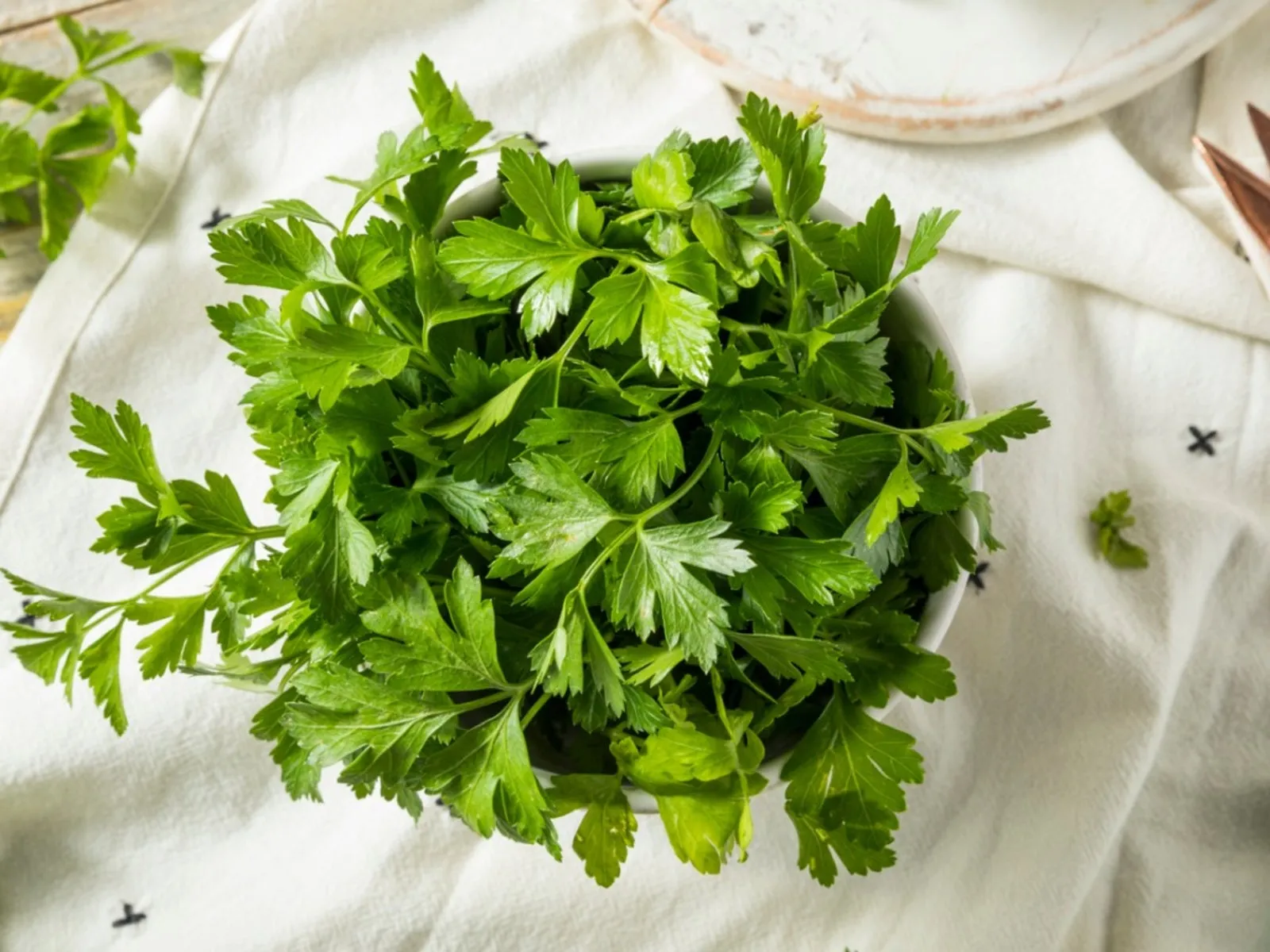
Also known as flat-leaf parsley, Italian parsley has flat, jagged leaves that look a lot like coriander, but without the strong citrusy smell.
- The flavour is brighter, slightly peppery, and perfect for cooking.
- It's popular in Mediterranean dishes, pasta, soups, sauces like chimichurri, and even tossed raw into salads.
English parsley is what most people think of when they hear "parsley"
This parsley has curly, ruffled leaves that are often used as garnish on Western dishes.
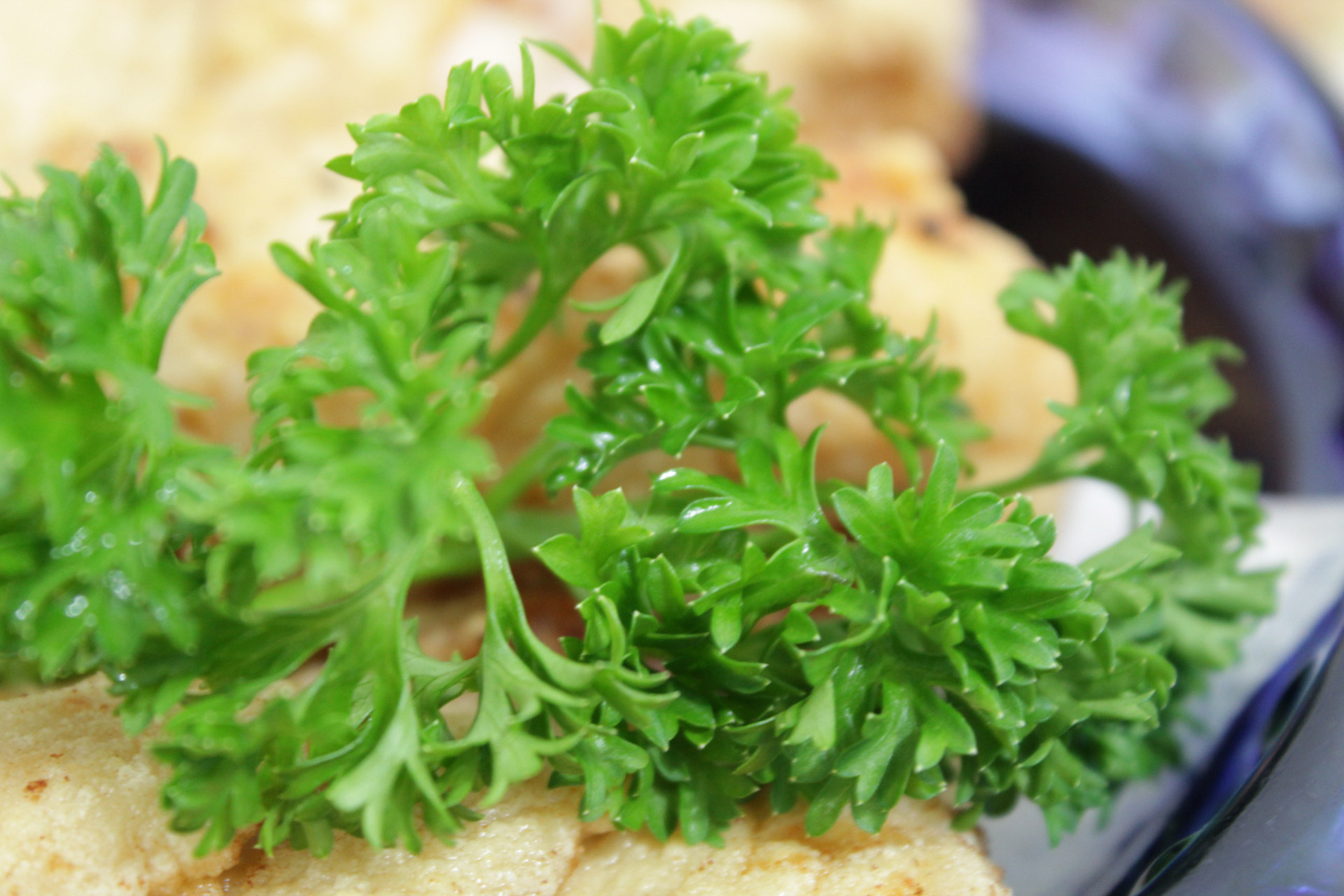
- It's technically called curly-leaf parsley.
- The taste is light, slightly grassy, and way milder than coriander.
- Because of its texture and subtle flavour, it's often used for decoration or chopped into things like egg mayo, tabbouleh, or potato salad.
Not the loudest in the room, but it has its place, especially when you need that final touch of green without overpowering the dish.

So, how do you tell them apart? Here's a summary:
| Name | Also Known As | Leaf Shape | Flavour | Best For |
|---|---|---|---|---|
| Chinese Parsley | Coriander, Cilantro | Flat | Bold, citrusy, soapy (to some) | Asian dishes, curries, garnishes |
| Coriander (Seeds) | Ketumbar | N/A | Warm, spicy, earthy | Marinades, spice blends |
| English Parsley | Curly Parsley | Curly | Mild, grassy | Garnishing, egg mayo, cold salads |
| Italian Parsley | Flat-leaf Parsley | Flat | Fresh, lightly peppery | Cooking, sauces, Western dishes |
Final tip: If you're unsure whether it's coriander or Italian parsley, give it a sniff
Coriander has a strong smell that hits instantly. Italian parsley smells fresh but subtle.