


 Cover image via
Follow us on Instagram, TikTok, and WhatsApp for the latest stories and breaking news.
Ever grabbed a packet of basil from the supermarket and assumed it works for everything?
Whether it's Thai stir-fry (pad kra pao, yum!), Italian pasta, or a herbal tea remedy, the type of basil you use actually makes a big difference.
We're breaking down the key differences between Sweet basil, Thai basil, Holy basil, and Red basil — four popular varieties that might look similar at first glance, but come with totally different flavours and uses.
Sweet basil is what you usually find in Western cooking
Fresh, peppery, and slightly minty, this is the classic pasta basil.
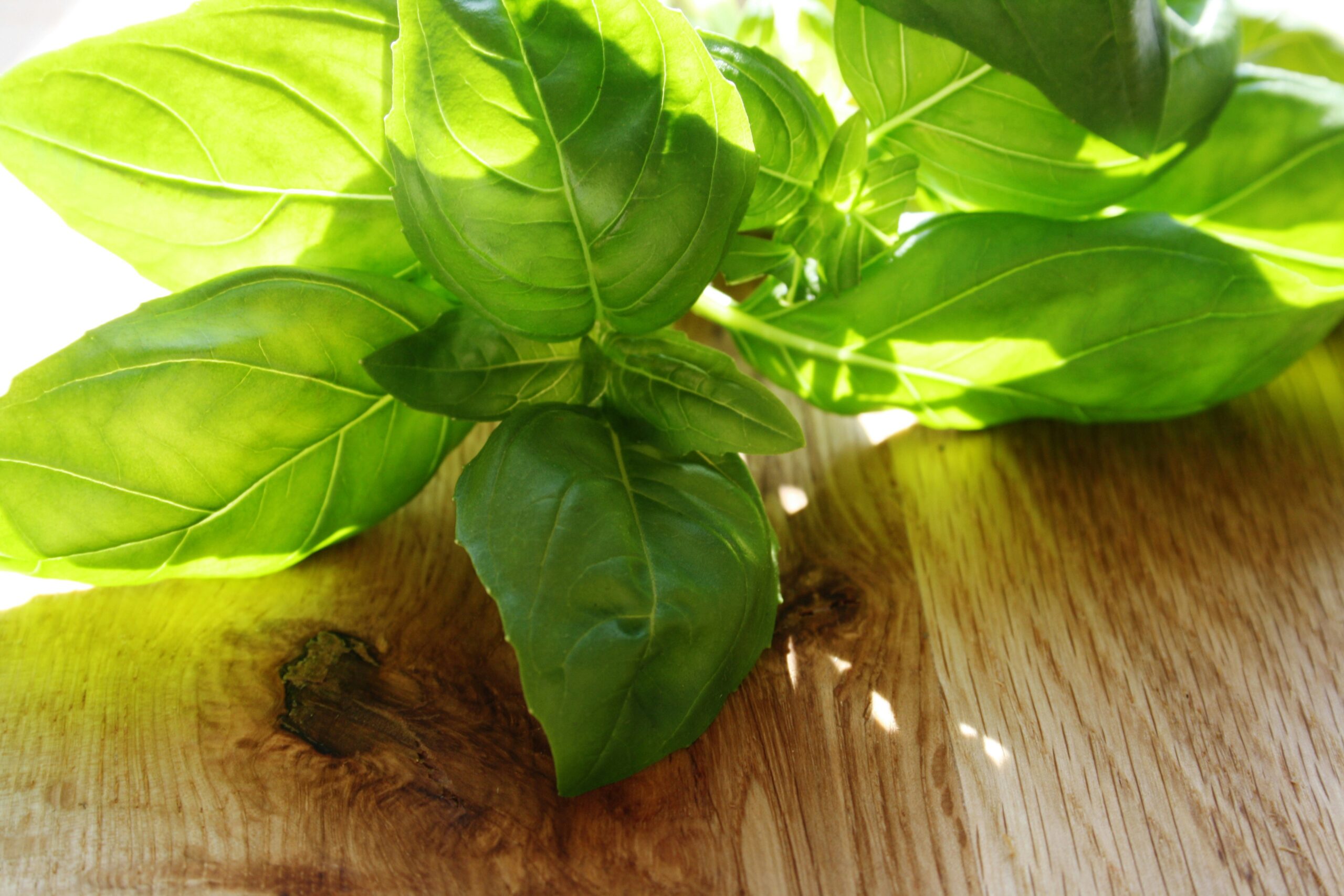
Sweet basil, also called Italian basil, is the most common type you'll see in supermarkets, especially if it's labelled generically as just "basil".
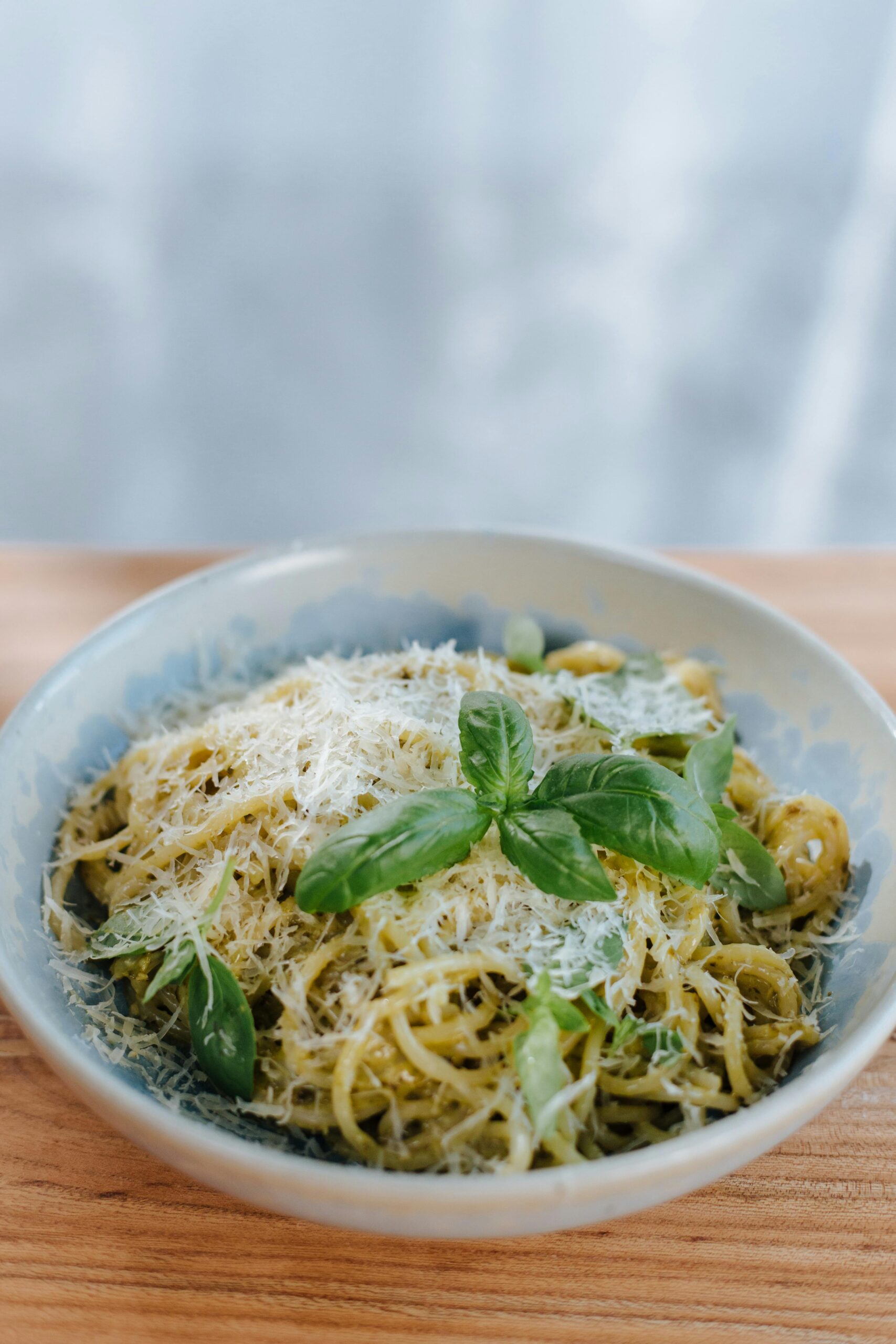
It's the go-to herb in Italian cooking, such as pesto, Margherita pizza, or tomato-based sauces.
It has smooth, broad green leaves and a strong, aromatic scent. The flavour is slightly sweet, with a hint of clove or mint.
You won't typically see this in Asian cuisine, because its profile doesn't hold up well to high heat or spicy oils. But it may get added to fusion dishes.
Pro tip: If a Western recipe calls for basil and doesn't specify, it's probably referring to sweet basil.
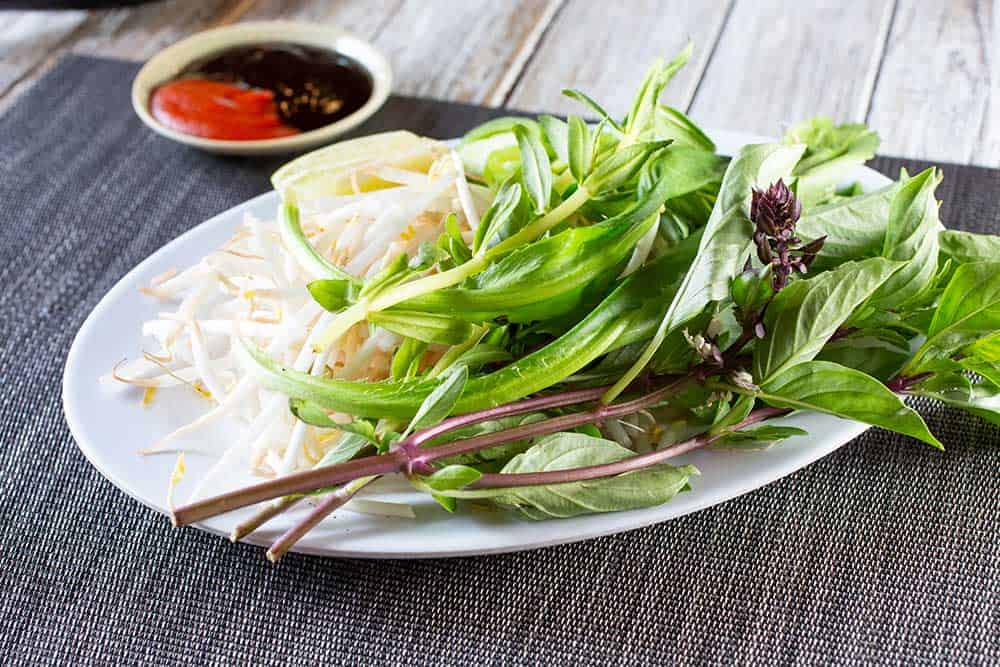
Thai basil has pointier leaves and a spicy, liquorice-like kick
Perfect for Thai, Vietnamese, and even Malaysian dishes like pho or laksa.
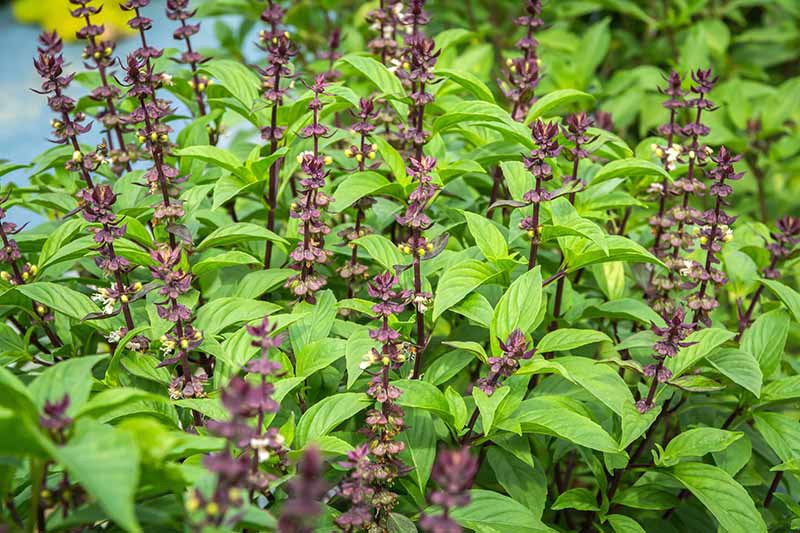
Thai basil has a sharper look. Its leaves are narrower and more angular, and the stems are often tinged purple.
The biggest giveaway, though, is the taste: it's bolder, with a strong anise or liquorice flavour that holds up well to cooking.
You'll spot Thai basil in dishes like Thai green curry and Vietnamese pho. It adds that unmistakable Southeast Asian herbaceous punch.
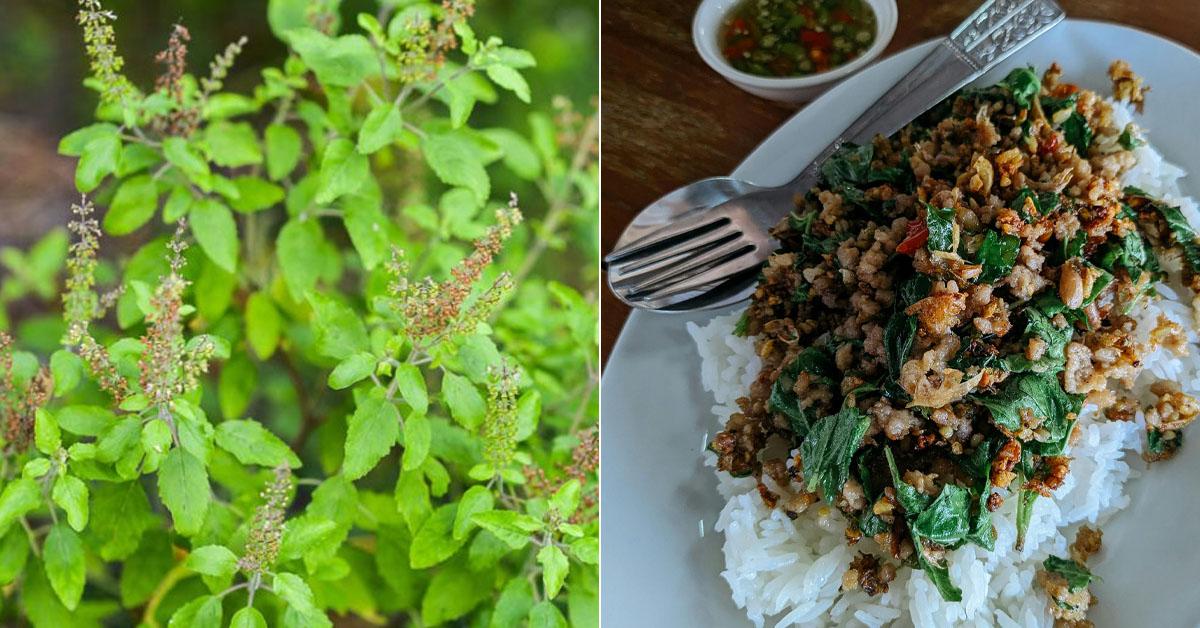
Which brings us to holy basil.
This basil smells more medicinal and is mostly used in traditional Thai cooking.
Holy basil has more prominent jagged leaves, a clove-like scent, and a reputation as a healing herb.
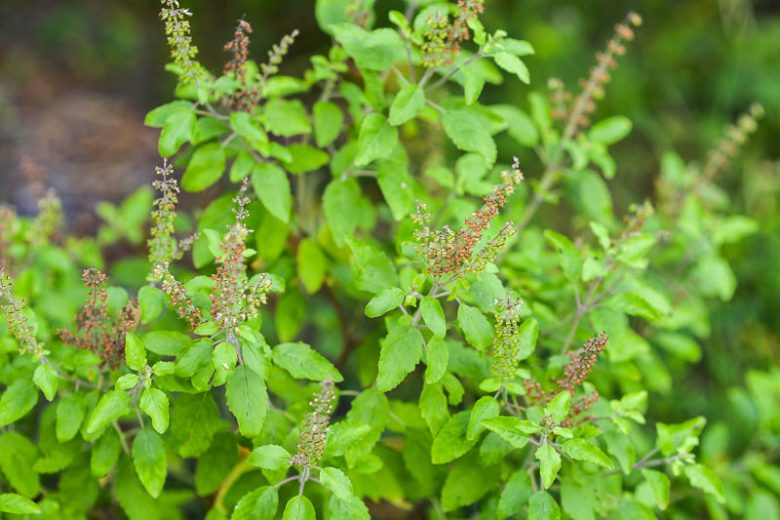
Also known as tulsi, holy basil is sacred in Indian culture and widely used in Ayurvedic medicine.
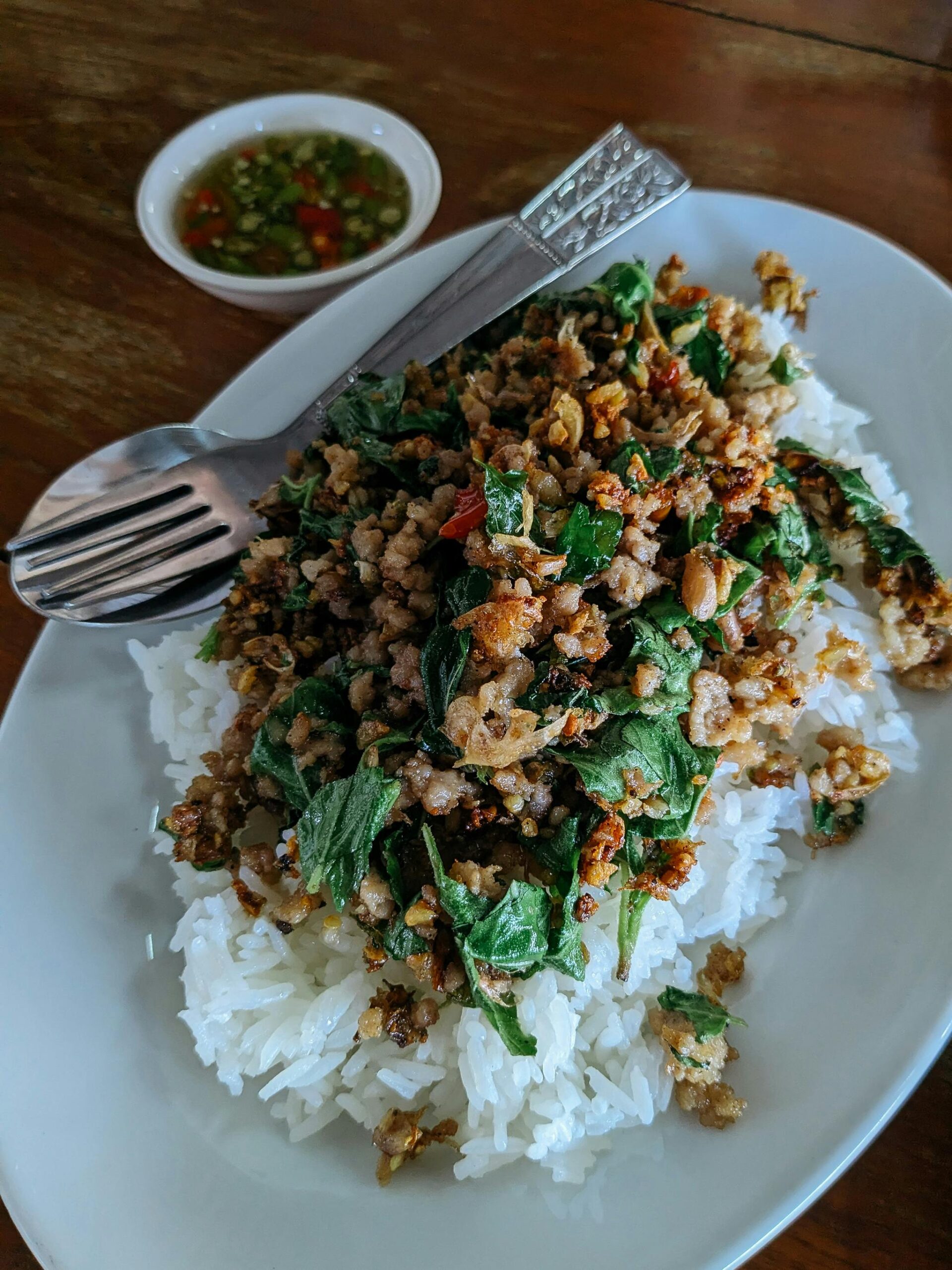
But in Southeast Asia, especially Thailand, it's better known as the star of pad kra pao (yes, the OG basil chicken or pork).
Despite Thai basil having "Thai" in its name, it tastes completely different from holy basil, which is technically the true basil for this dish.
Its leaves are slightly fuzzy and jagged, not smooth like the others.
The scent is more peppery and clove-like, almost medicinal.
It's rarely eaten raw, and usually stir-fried over high heat, where it releases a unique earthy spice.
Red basil looks fancy but tastes similar to sweet basil, just a bit spicier
You've probably seen it in hip cafes or salad bowls.
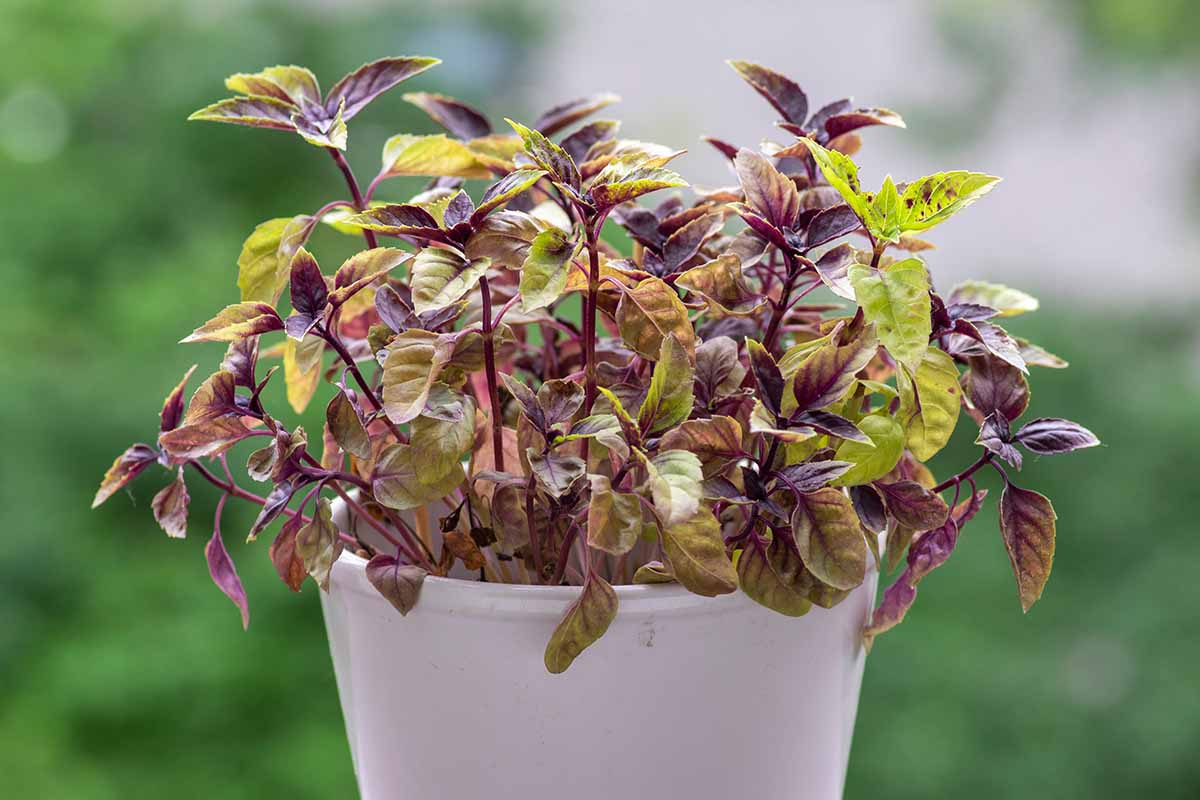
Also known as purple basil, red basil is mostly a visual flex. With its deep purple leaves and striking colour, it's often used as garnish or in fusion recipes. But it's not all style — it actually has a stronger flavour than sweet basil.
Some varieties lean slightly towards clove, others towards cinnamon or spice. The flavour can vary a bit more widely depending on the specific cultivar.
It works well in pestos or teas, and can be used similarly to sweet basil — though you'll want to avoid overcooking it, as it turns brown and loses flavour.
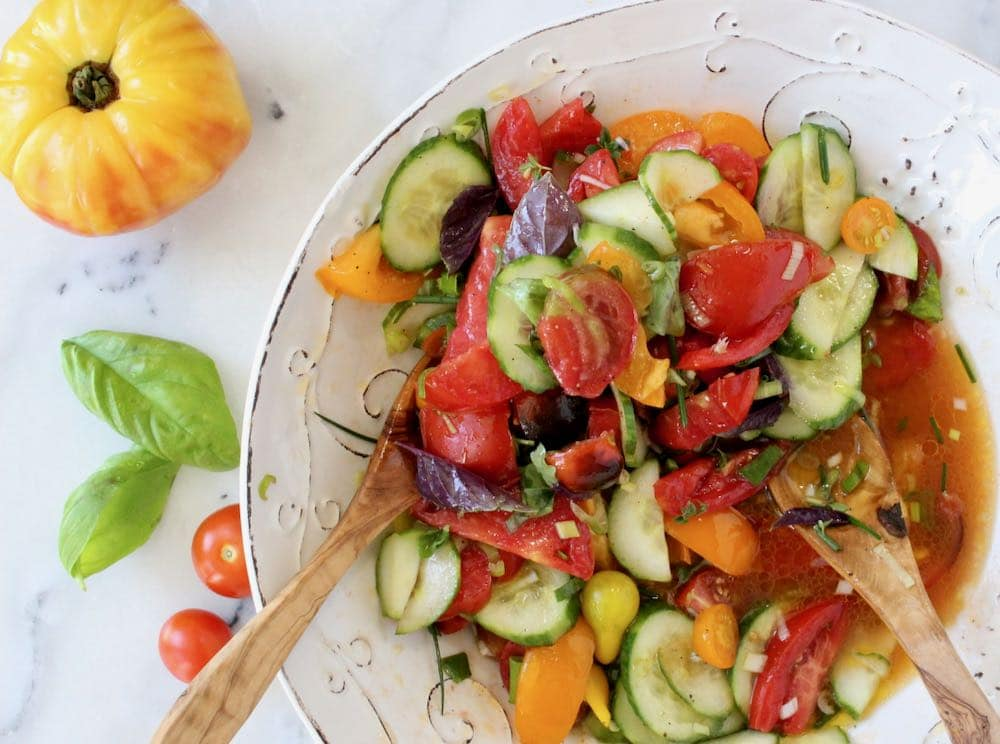
So, can you swap one for another? Sometimes yes, but your taste buds might protest.
Use the wrong basil and your recipe might end up tasting like… something else entirely
Here's a quick cheat sheet:
- Sweet basil/Italian basil → Used in Western/Italian recipes
- Thai basil → Asian dishes with heat, spice, and broth
- Holy basil → Specific to Thai stir-fries and medicinal teas
- Red basil → Great for colour and stronger flavour in creative dishes
