


 Cover image via
Follow us on Instagram, TikTok, and WhatsApp for the latest stories and breaking news.
You've probably used the names longan and mata kucing interchangeably before
Whether you're grabbing a bunch of longans from that mak cik's roadside truck or enjoying a cup of air mata kucing from the night market, it's easy to assume they're just different names for the same thing.
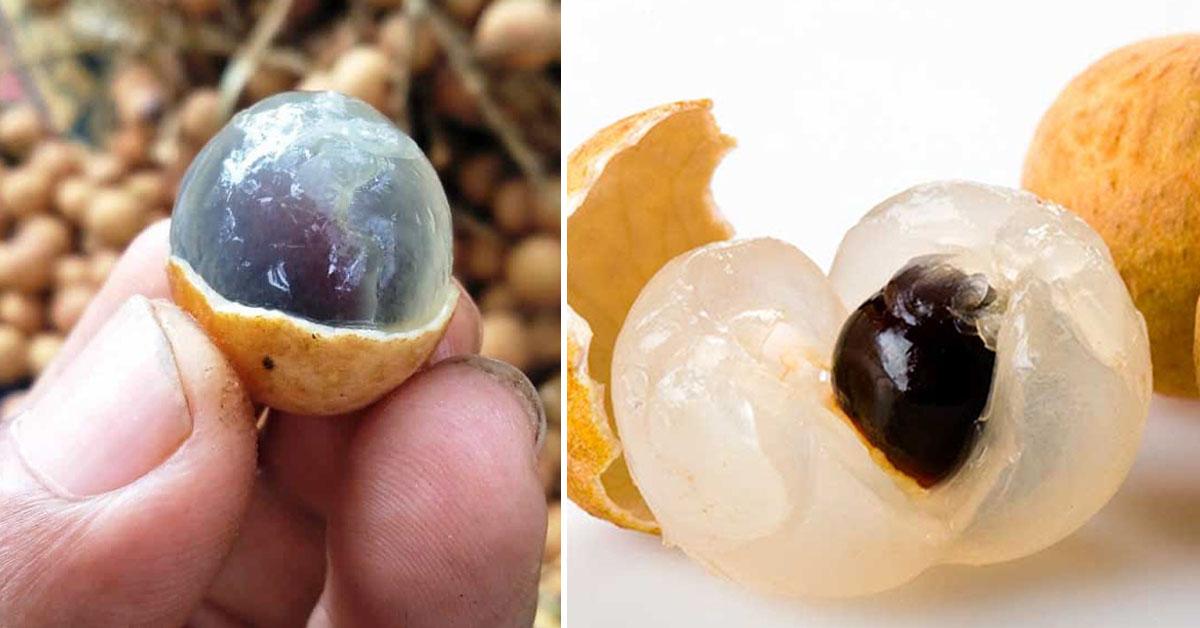
Although they may look similar on the outside, they're not the same fruit on the inside.
Here's a handy guide to help you tell them apart — from skin to seed, and everything in between
1. Mata kucing is local, longan is international
Longan (Dimocarpus longan) is the species you'll find across China, Thailand, and Vietnam. It's cultivated commercially and exported around the world — which is why it's the one you usually see in cans or supermarket aisles.
Mata kucing, on the other hand, is a Malaysian favourite. It grows locally, sometimes wild, and is especially popular in traditional drinks like air mata kucing.
While both belong to the same botanical genus, they're technically different varieties.
2. Their skin tells you a lot — look closely
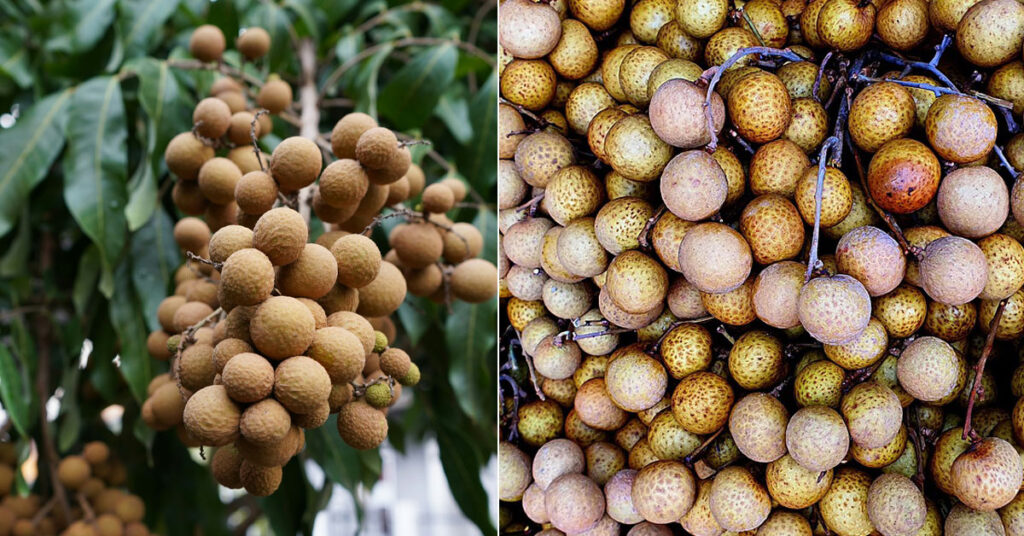
Longan has smoother, lighter brown skin that's easier to peel. It's more uniform-looking and tends to pop open with a gentle squeeze.
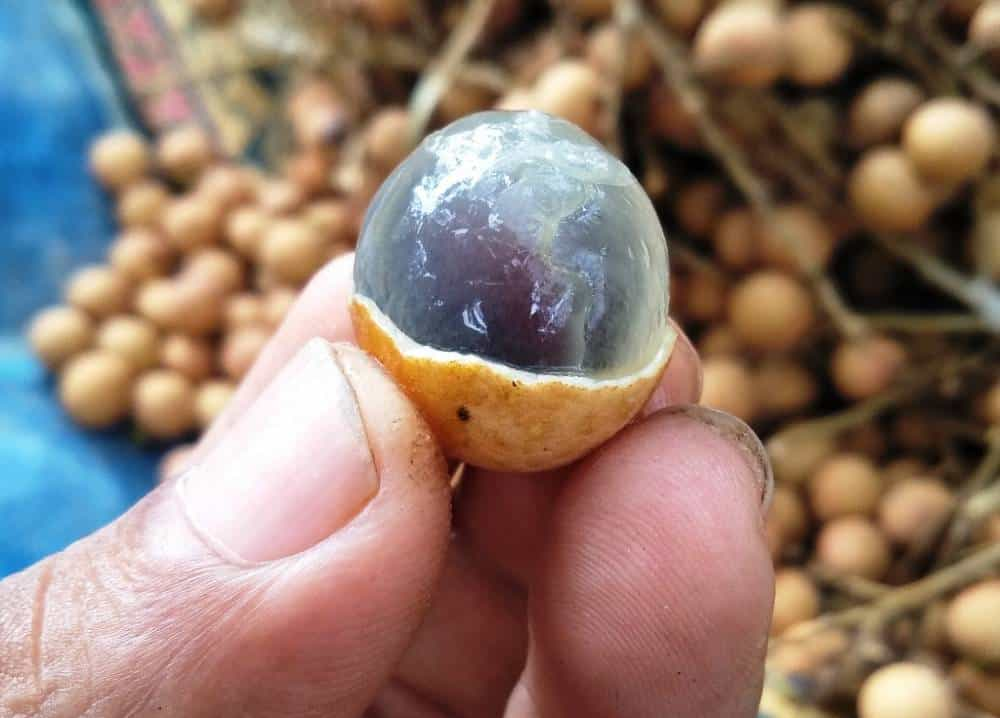
Mata kucing's skin is tougher, slightly leathery, and often darker with greenish or brownish tones. It doesn't peel as easily, especially when it's super fresh. But the payoff is a fruitier, bolder bite.
3. Longan is sweeter, but mata kucing has more depth
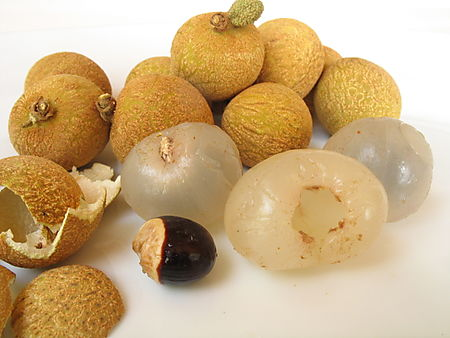
Flavour-wise, longan is clean, sweet, and refreshing — almost like lychee's more chilled-out cousin. That's why it works well in desserts or canned syrup.
Mata kucing has a more intense, slightly herbal or minty taste. It's less sugary, but more aromatic, which explains why it's often used in cooling drinks during hot weather.
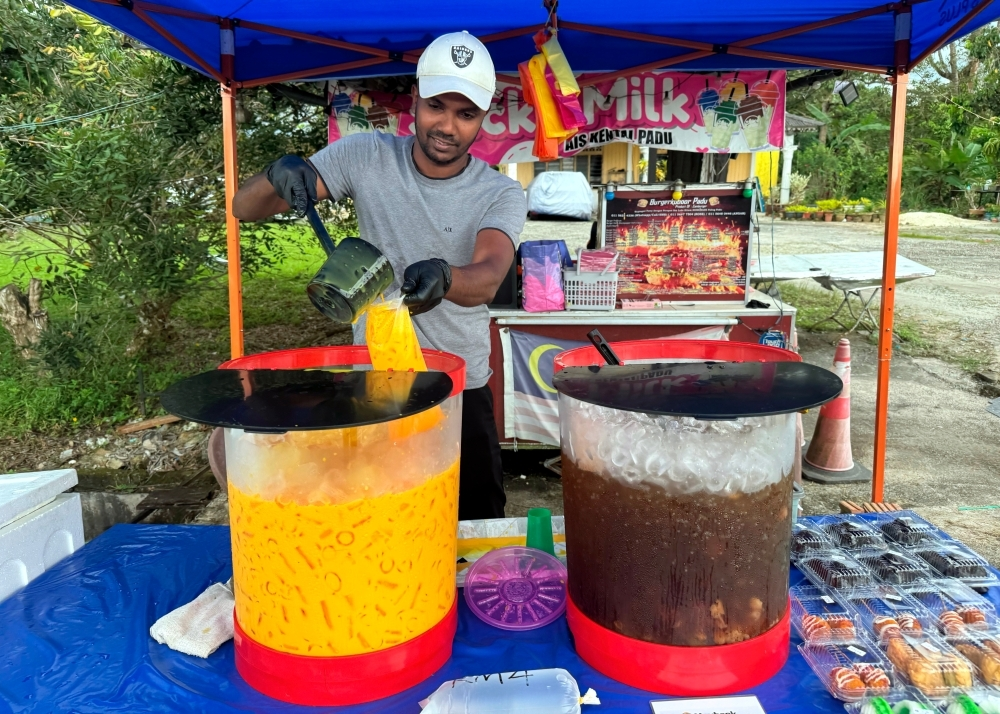
Image for illustration purposes only.
Image via Bernama/Malay Mail4. Longan is mass-produced. Mata kucing? Not so much.
You can find longan pretty much all year round — fresh, frozen, or in cans. It's grown in large farms, exported widely, and sold at major supermarkets or pasar malam stalls.
Mata kucing is more seasonal and usually sold fresh at roadside stalls or local markets. It doesn't travel well or keep long, which makes it more of a "get it while you can" kind of fruit.
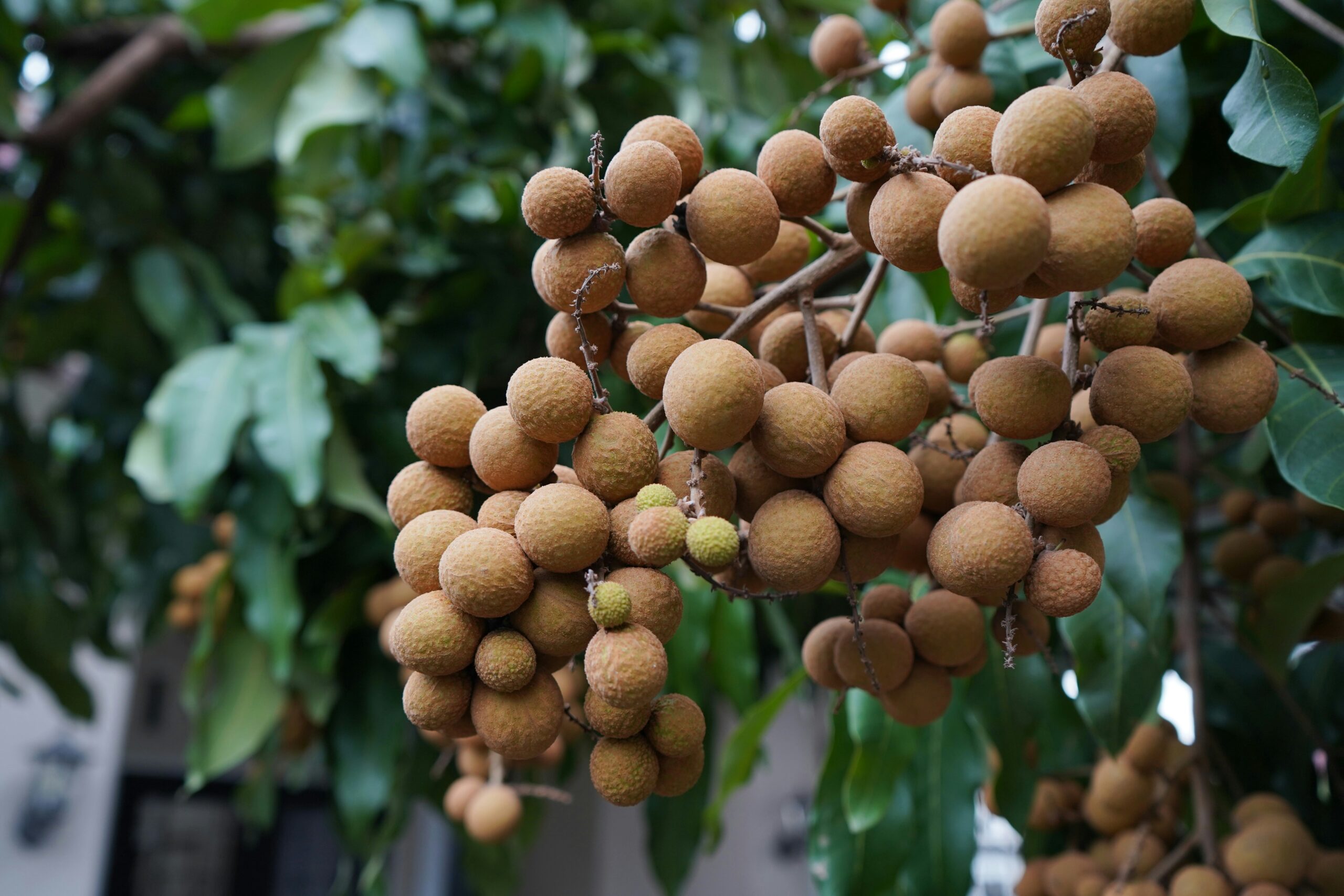
5. You'll rarely see mata kucing canned or exported
Because it's not widely cultivated, mata kucing doesn't often appear in commercial packaging. No canned mata kucing in syrup here! You'll need to hunt it down fresh, or buy it dried from traditional Chinese medicine shops.
Longan, by comparison, is the star of canned aisles. Pop open a tin and you're greeted with sweet syrup and soft, juicy flesh — ready for dessert, tong sui, or even cocktails.
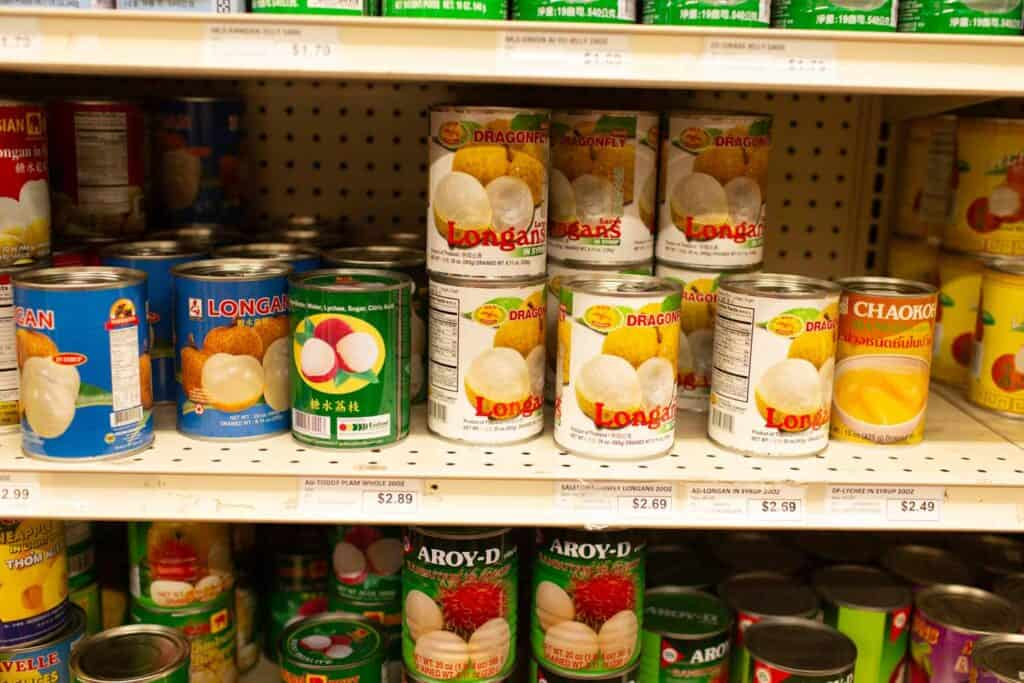
Whether you're snacking or brewing a cooling drink, now you know that not all longans are mata kucing, and vice versa
Small differences, but once you notice them, they're hard to unsee.
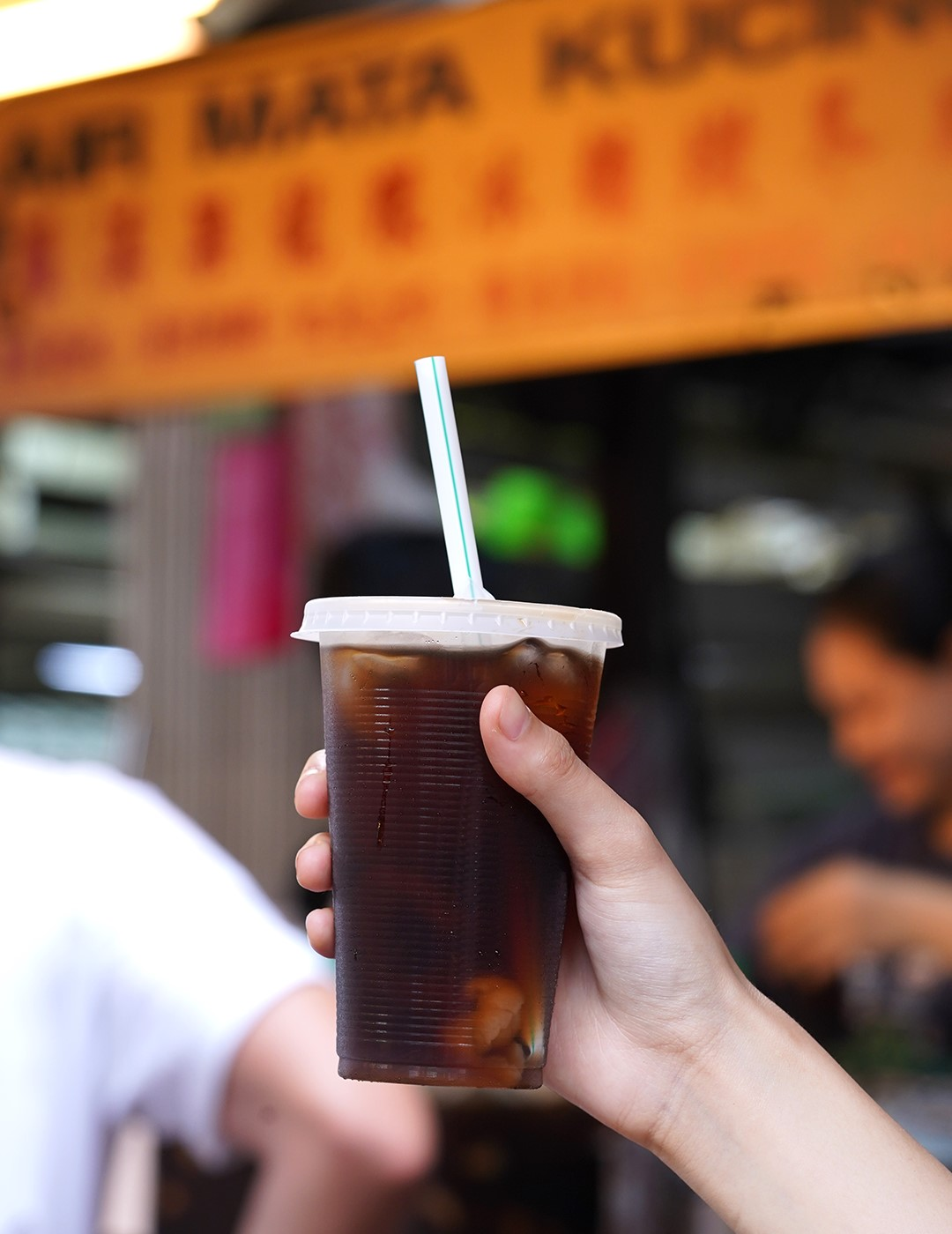
Air mata kucing.
Image via Fork (Facebook)