


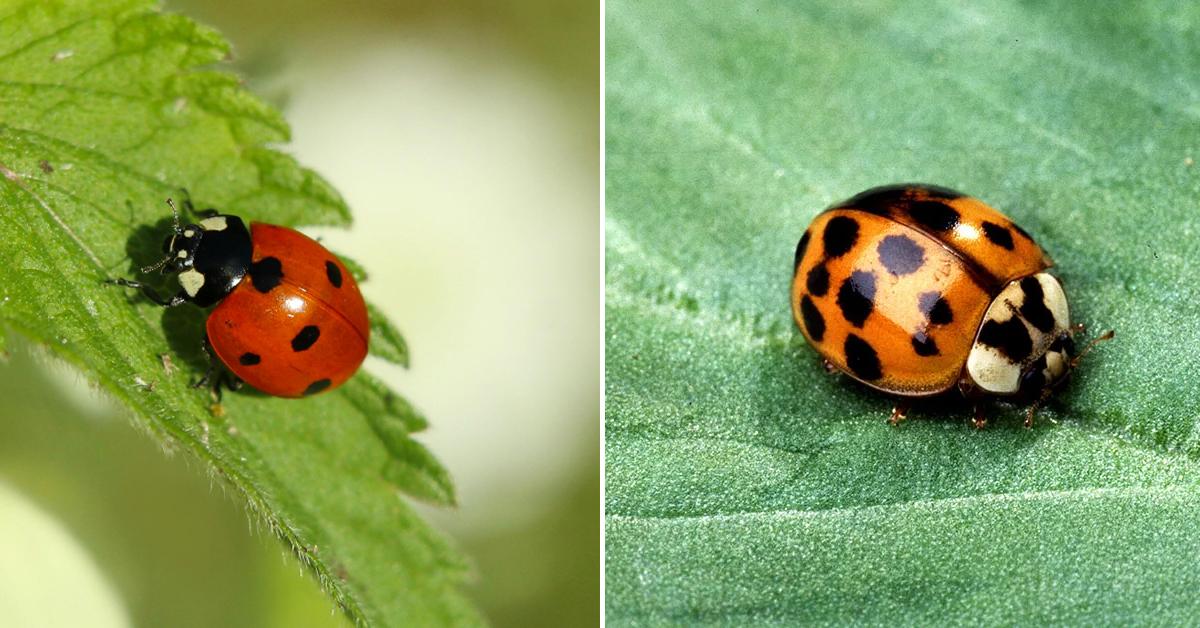
 Cover image via
If you've ever squealed, "Aww, so cute!" at a ladybird landing on your finger, you're not alone
In many cultures — Malaysia included — ladybirds are seen as symbols of luck, protection, or even love.
But here's the thing: not every ladybird is your garden's bestie. In fact, some are kind of… jerks?
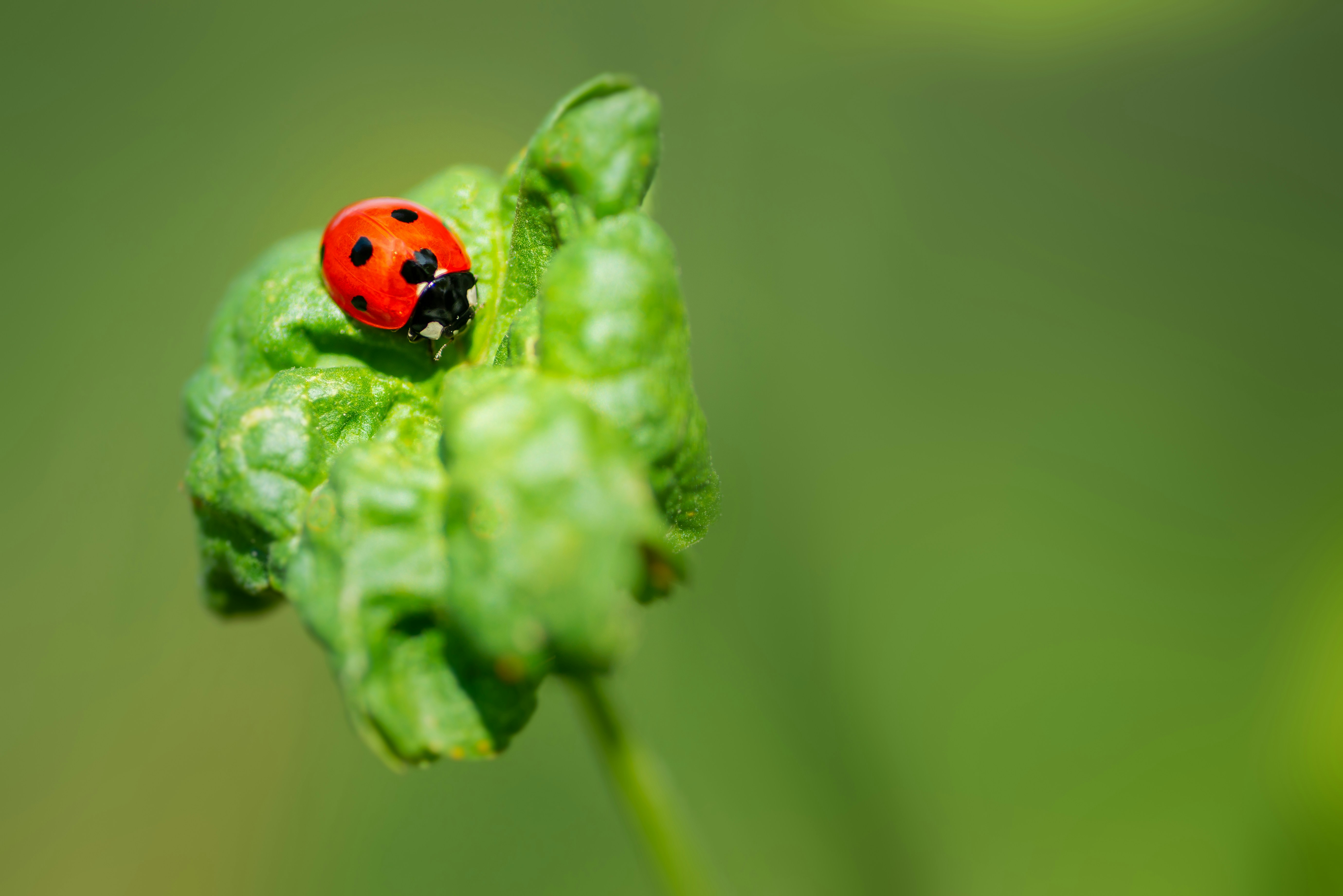
Image via Roberto Navarro/Unsplash
The ladybirds we typically admire — like the red ones with black spots — are actually nature's little pest control squad
Technically called ladybird beetles, these cuties belong to the Coccinellidae family and come in a variety of colours and spot patterns.
They feast on garden nuisances like aphids, scale insects, and mites — making them a farmer's favourite and a gardener's dream because they're a natural alternative to pesticides.
In Malaysia, one common native species is Harmonia dimidiata. These helpful bugs are small, dome-shaped, and totally harmless to plants — just here to snack on pests.
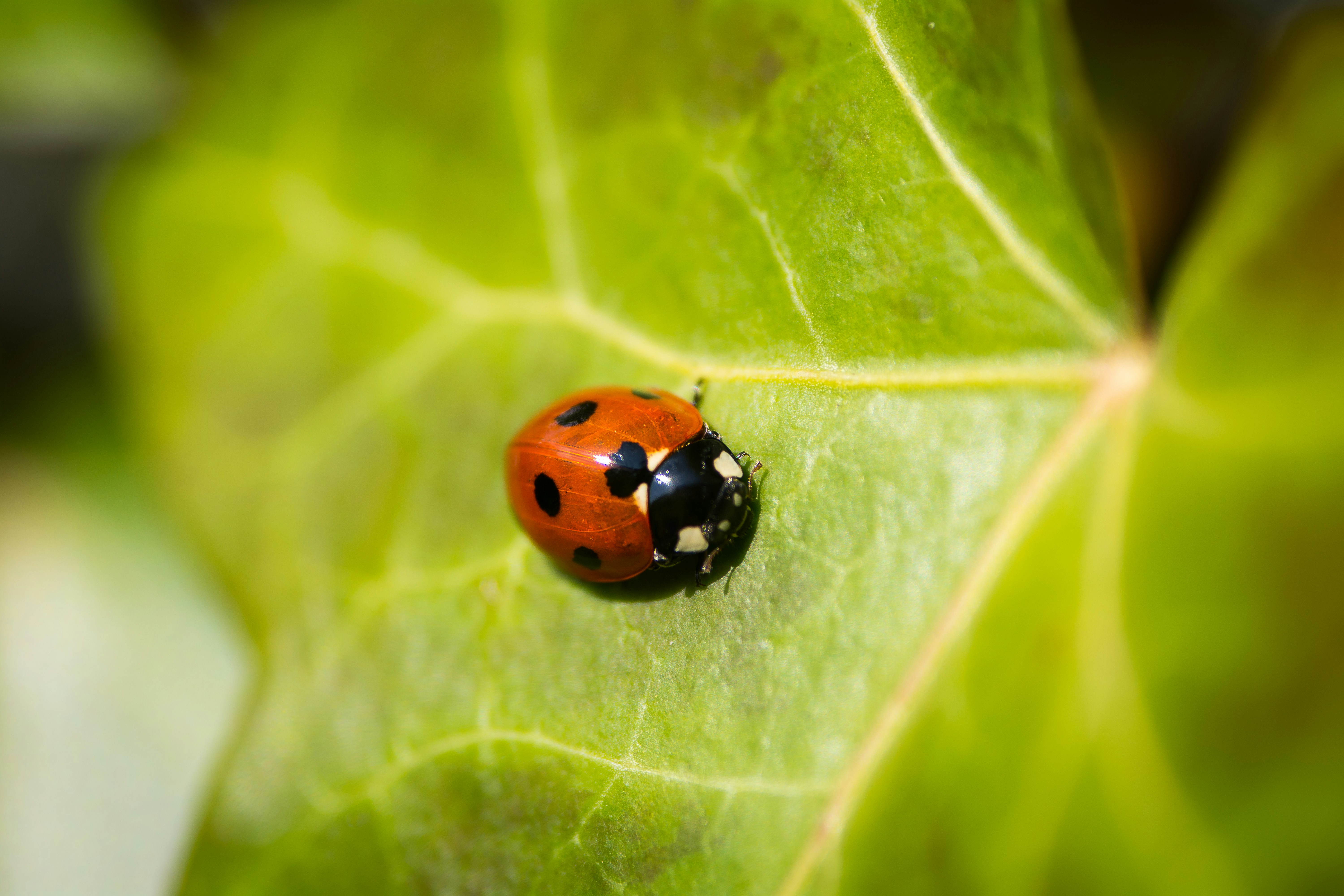
Image via Michel Bosma/Unsplash
But the Asian lady beetle? They might look like the sweet ladybirds we know, but it's got a spicy personality.
The Asian lady beetle (Harmonia axyridis) is a ladybird look-alike originally from East Asia, but now found in parts of the US, Europe, and increasingly, tropical regions like Malaysia.
They were originally introduced to the US and Europe as a natural pest controller in the 20th century. However, it turned out to be… a bit too good at its job.
Compared to the native ladybird, this one is:
- Larger and more adaptable
- Willing to bite humans (yes, they have sharp mandibles that can pinch!)
- A home invader during cooler seasons
- And most controversially… they eat other ladybirds
While it doesn't pose a huge danger to humans, it can bite when disturbed — and it sometimes bullies other mild-mannered ladybirds.
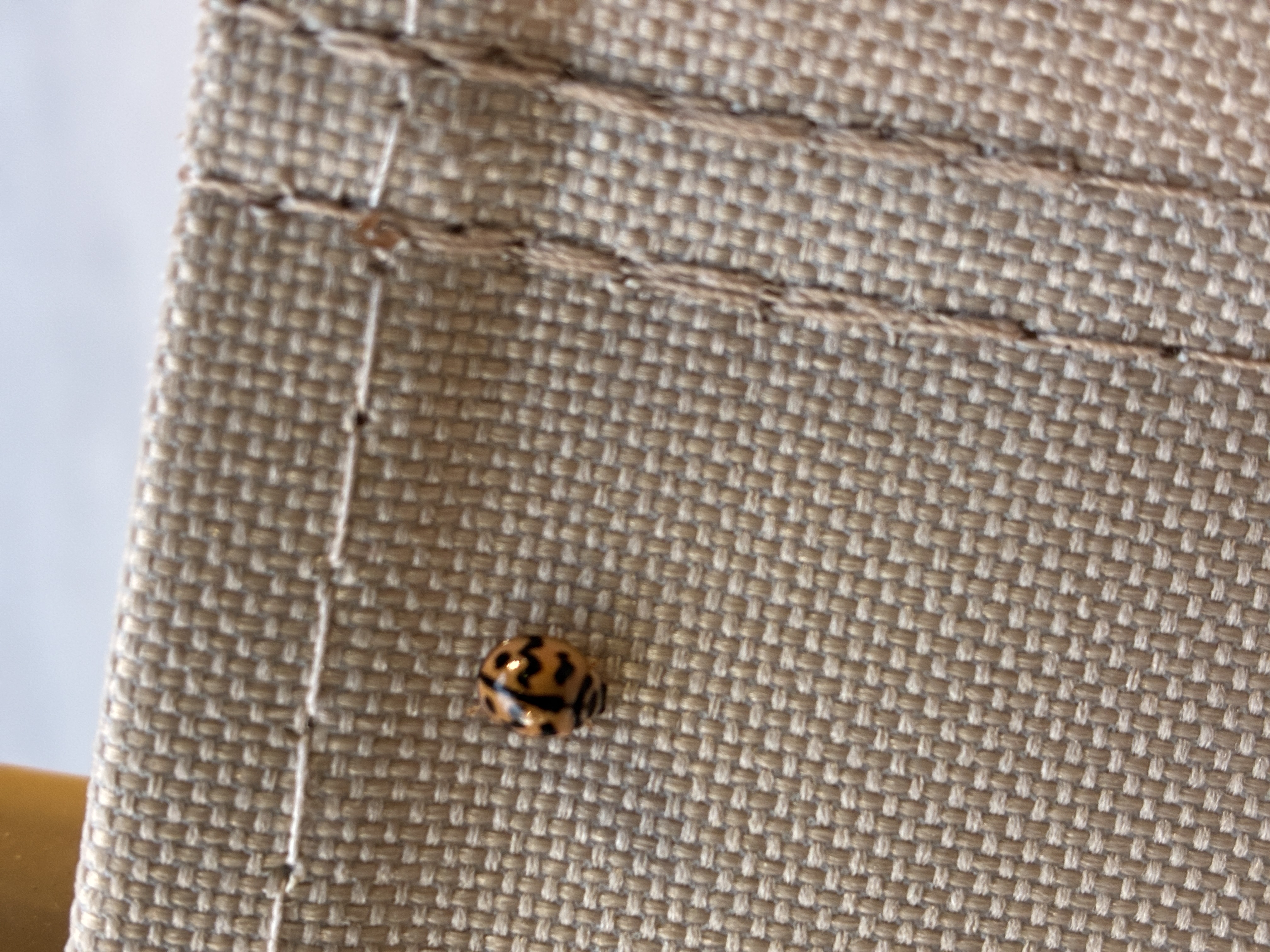
Image via SAYS
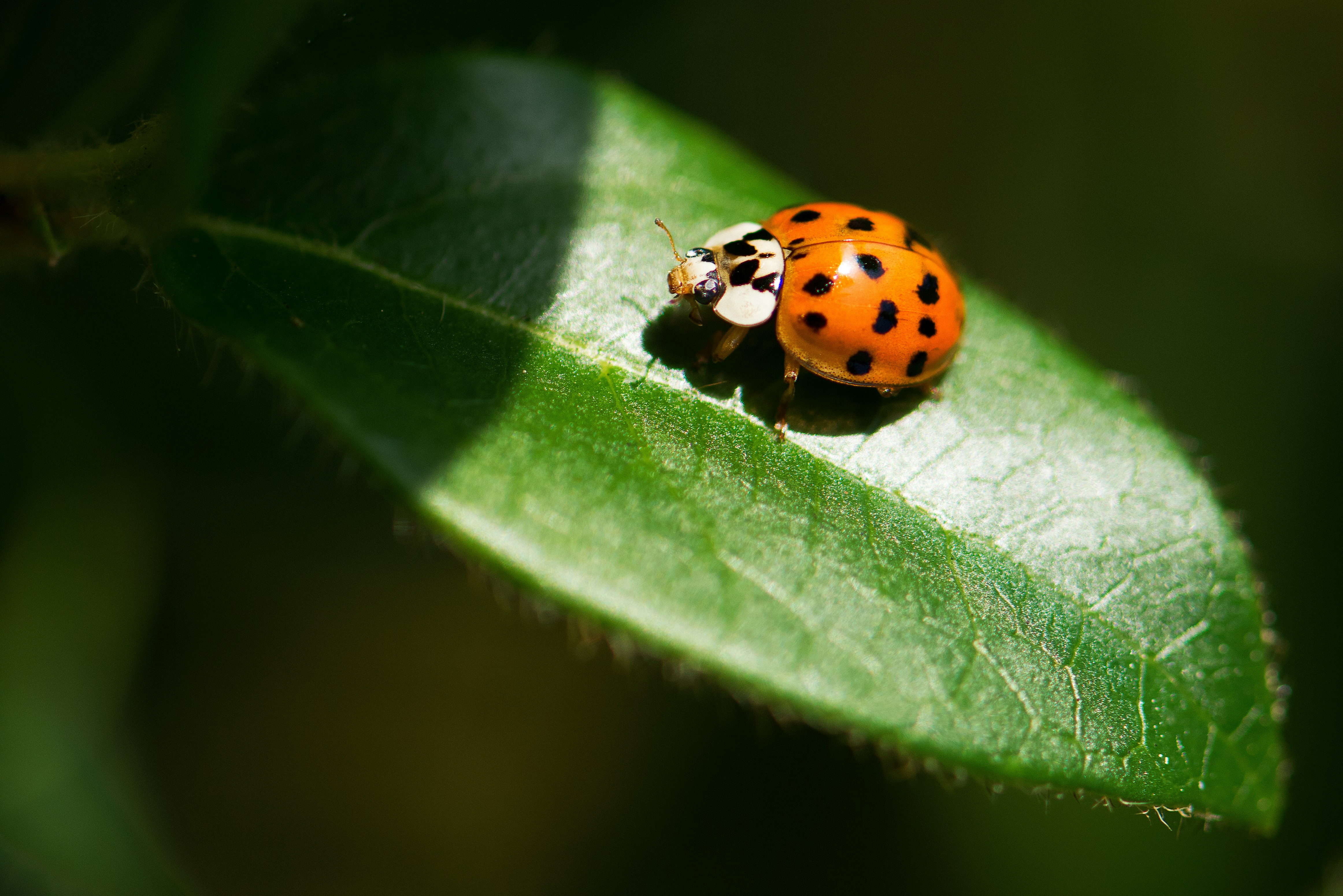
Image via Vincent van Zalinge/Unsplash
You can tell the ladybird and Asian lady beetle apart by shape and one very specific neck tattoo
Okay, not a real tattoo — but the pronotum (the shield-like section behind their head) is a big clue.

Image via The Pest Rangers
- The Pronotum: Look closely at the area behind the ladybird's head. Many Asian lady beetles have a distinctive M or W-shaped black marking on their pronotum. Native Malaysian ladybirds like Harmonia dimidiata do not have this prominent marking.
- Shape: Asian lady beetles tend to be larger and more oval-shaped, while the locals are smaller and more dome-like.
Let's be fair — the Asian lady beetle isn't evil. It's just doing what insects do: survive, adapt, and multiply.
It became invasive not because it's a villain, but because humans introduced it to new environments without fully understanding the consequences.
In its native habitat, it plays an important role, but when let loose elsewhere, it outcompetes local species and throws the ecosystem off balance.
By learning the difference between native and invasive bugs, we can make smarter choices for our gardens and the environment.
Because even the "bad" ladybird isn't truly bad — it's just a little too good at what it does.
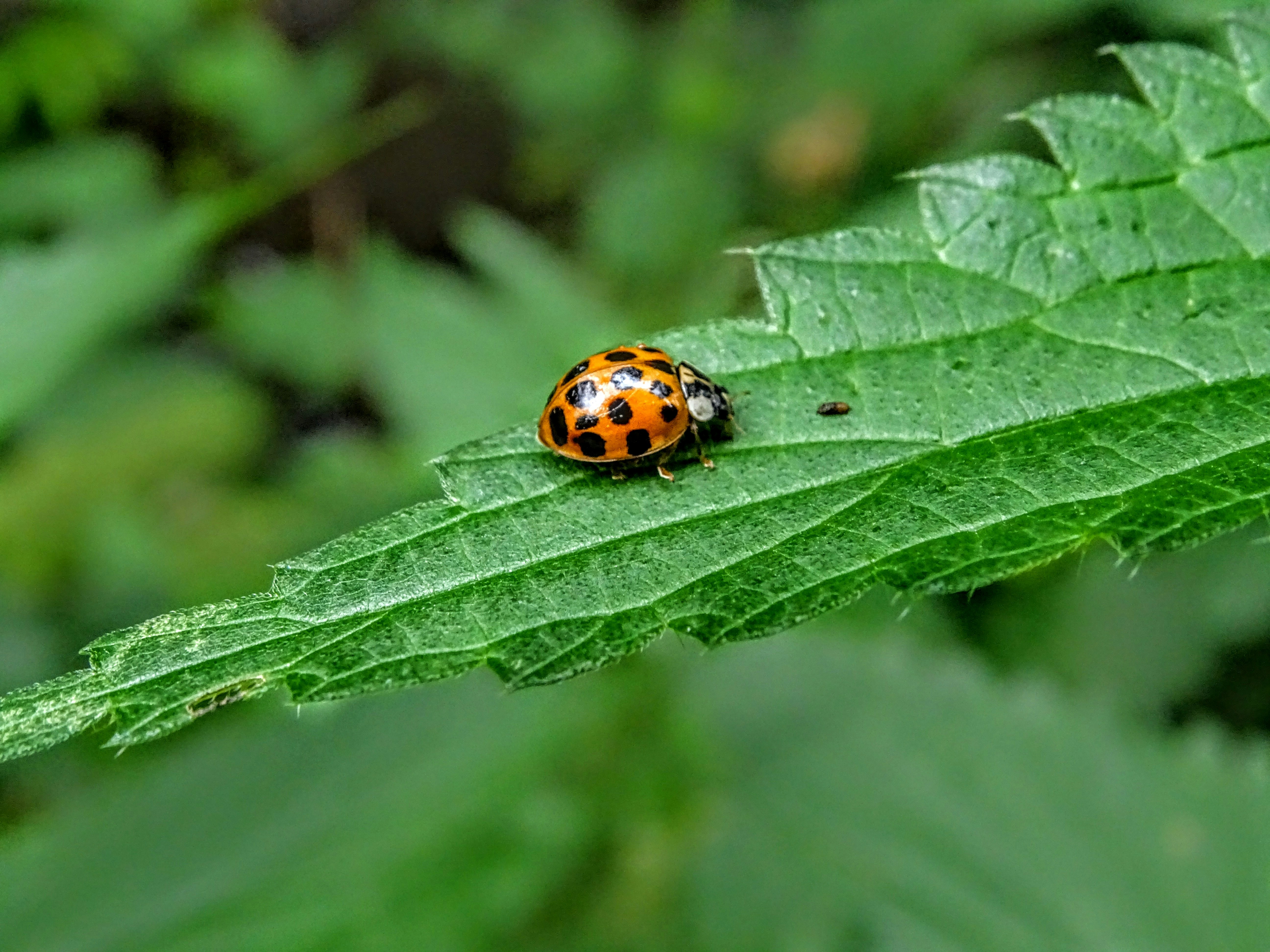
Image via Neringa Hünnefeld/Unsplash


