


 Cover image via Co2 (Provided to SAYS) & mr_nd_ (Provided to SAYS)
Follow us on Instagram, TikTok, and WhatsApp for the latest stories and breaking news.
Most people walk into a bookstore expecting neat shelves and crisp pages
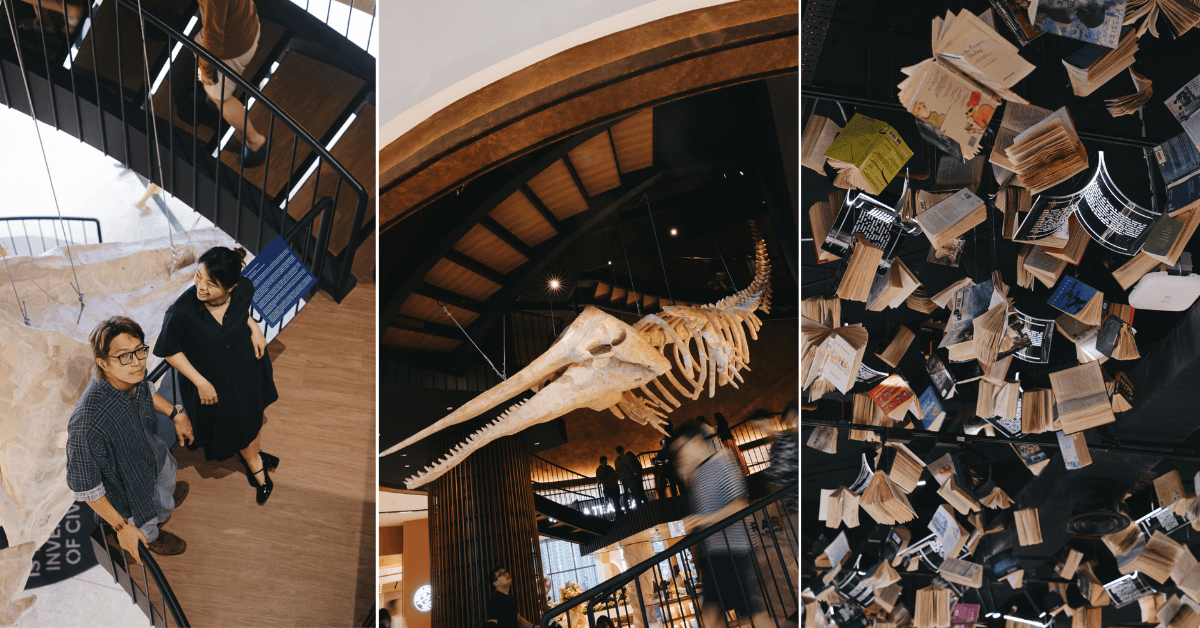
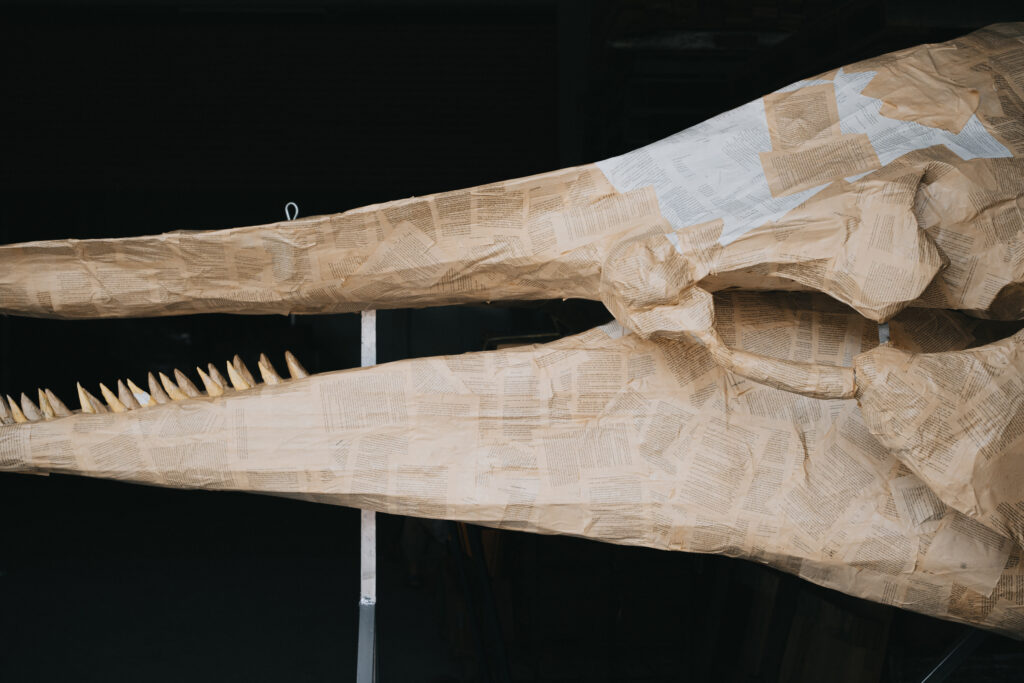
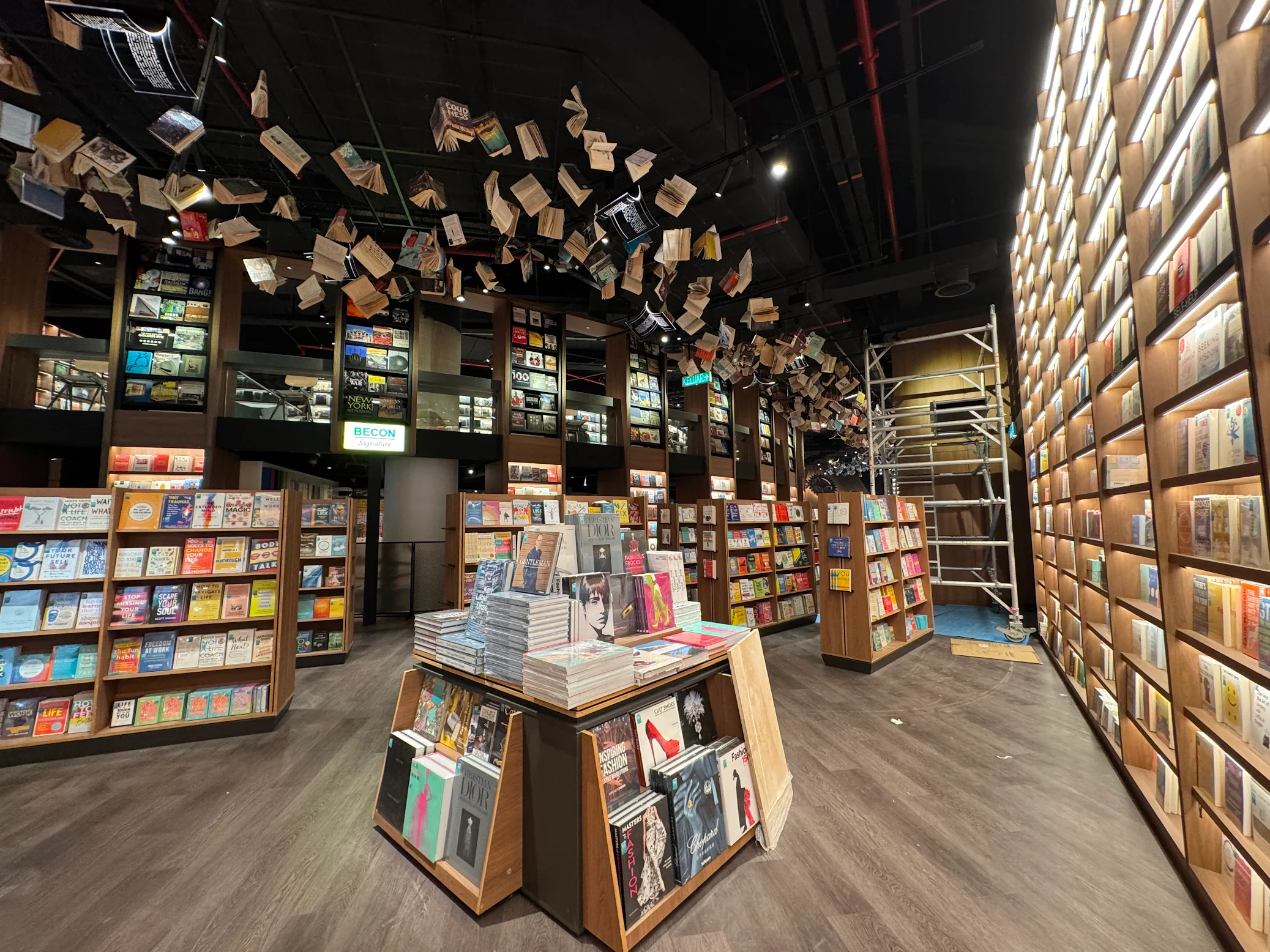
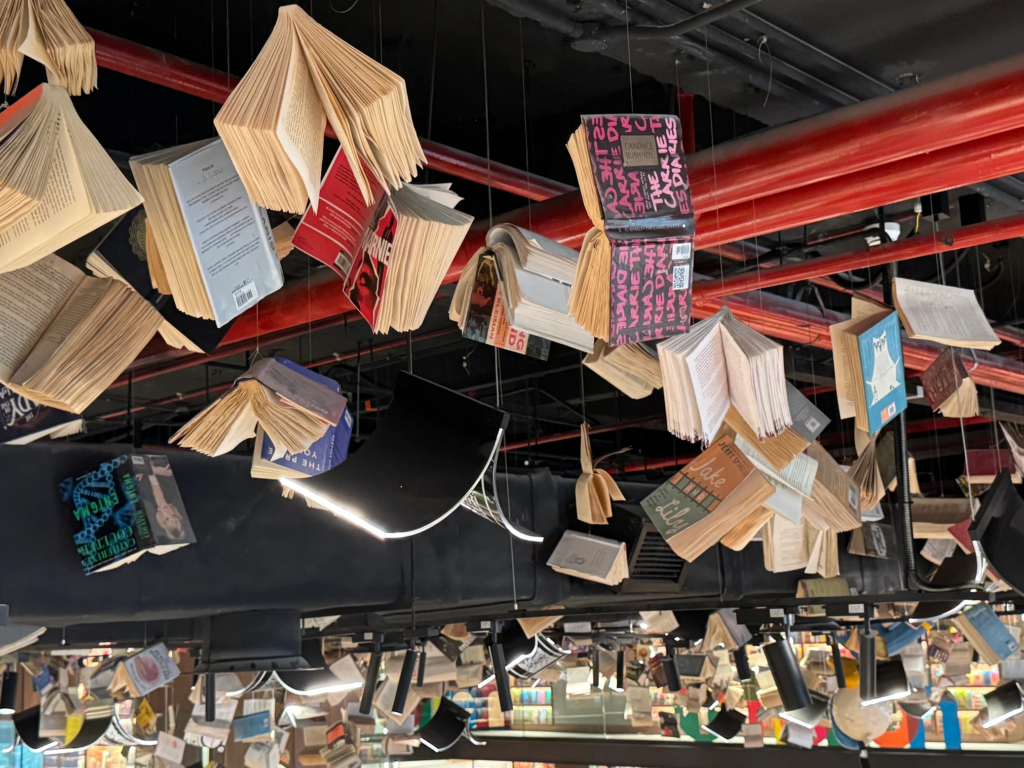
But at The Library by BookXcess, visitors recently found themselves standing under a giant whale and surrounded by books that seemed to be flying mid-air.
All of it was made from 2,100 damaged, unsellable books.
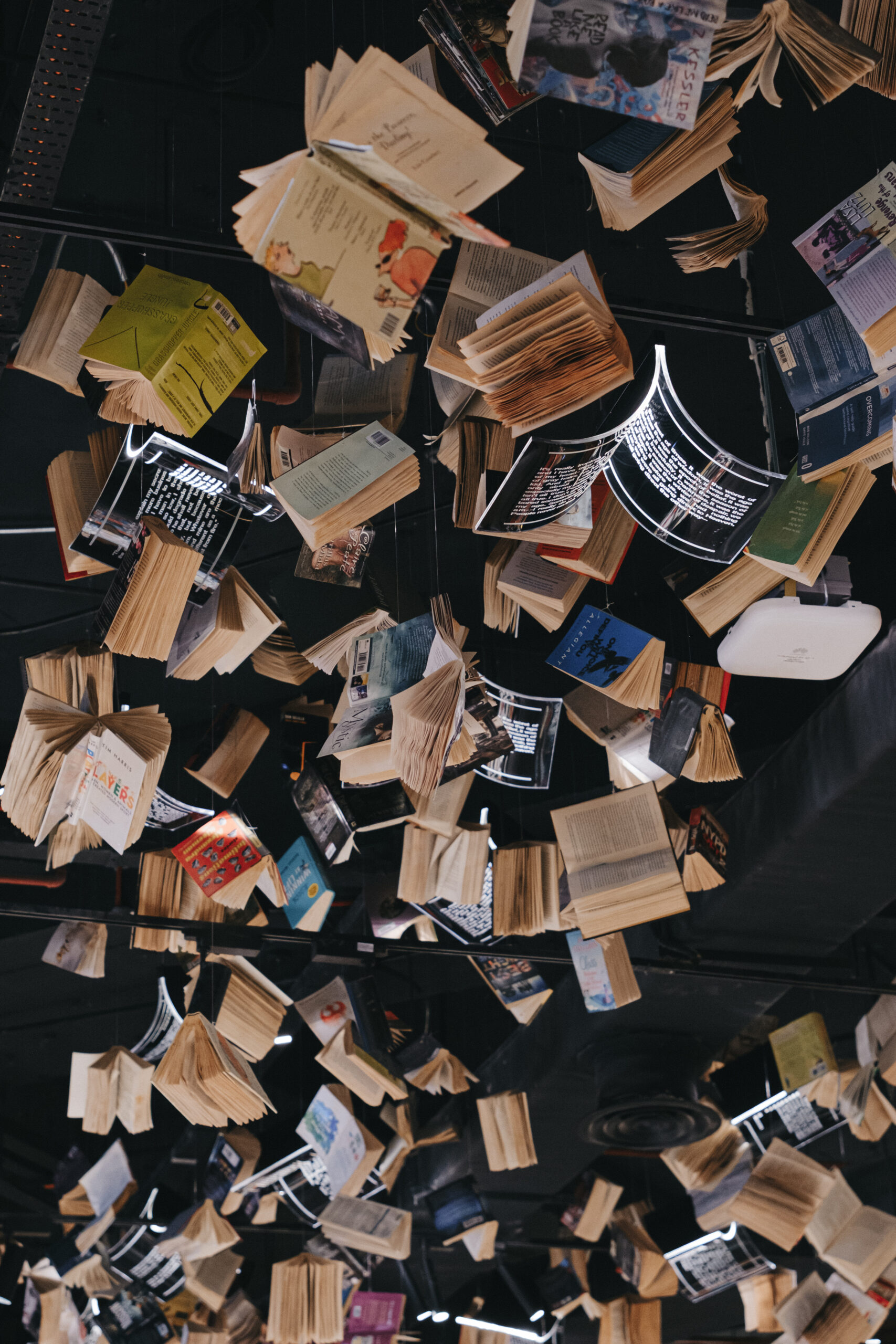
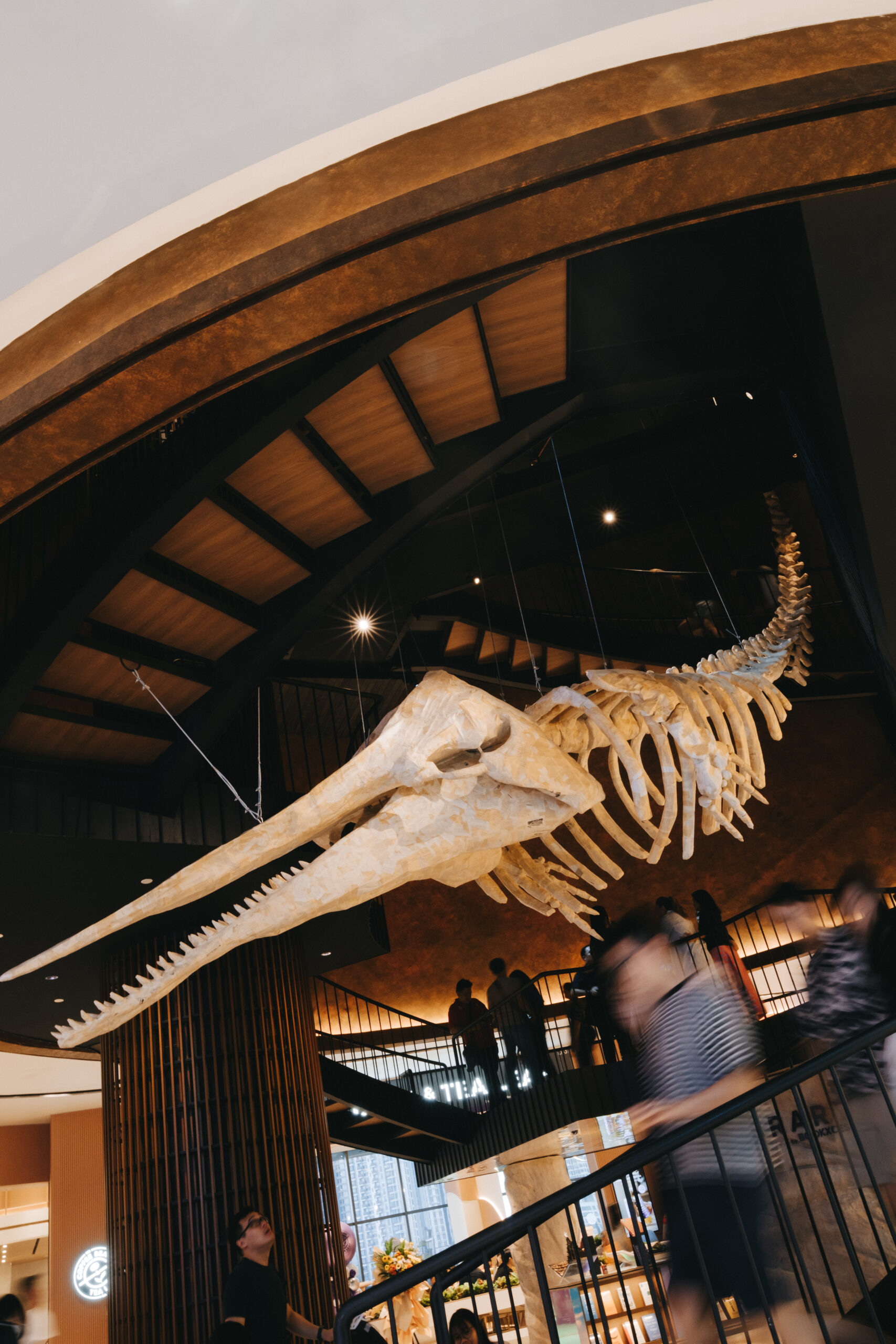
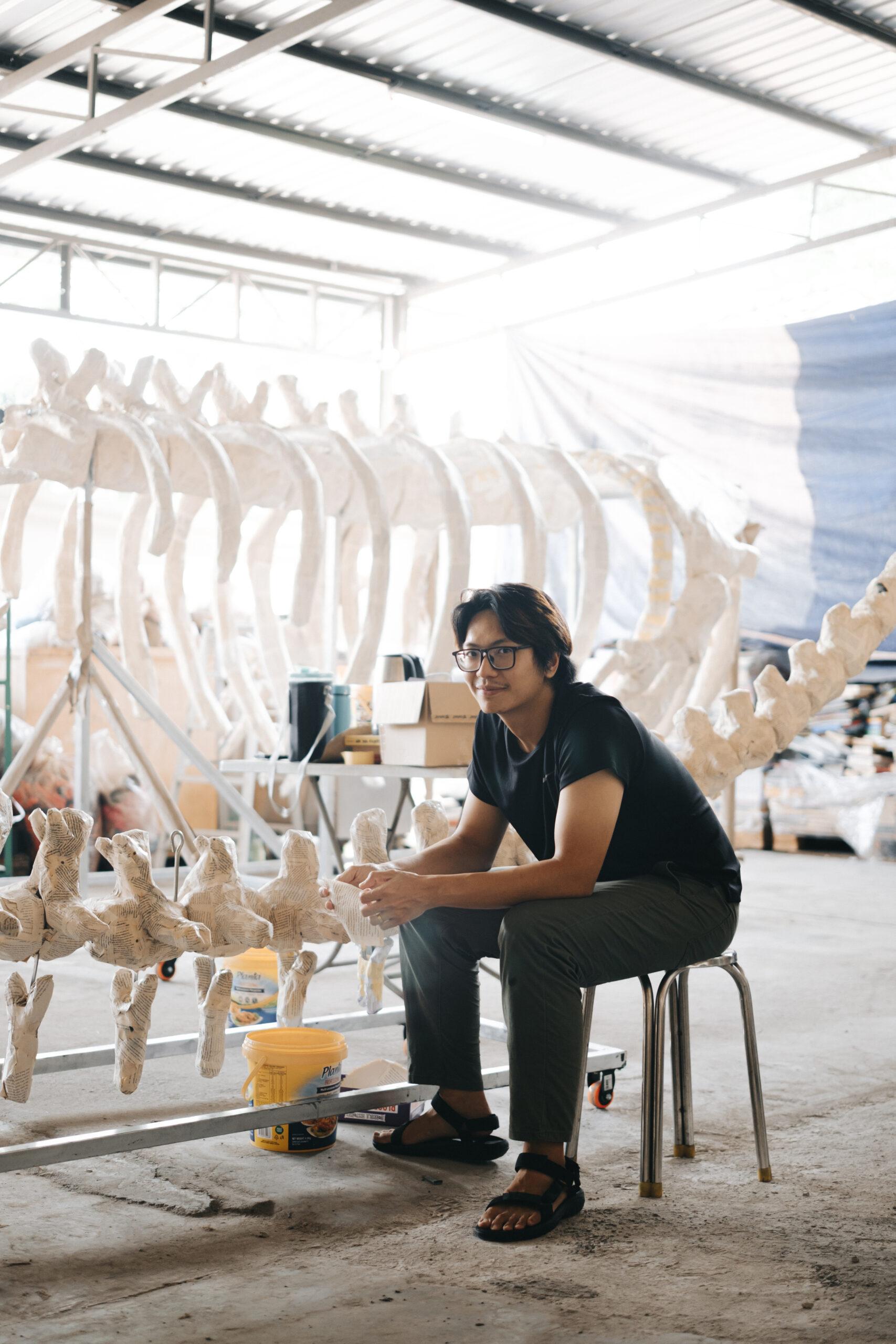
The creative minds behind it are environmental artist duo Oscar Lee and Celine Tan, also known as Co2_karbondioksida, who turn discarded materials into thoughtful, immersive art
Before entering the art world, Oscar and Celine were architects.
After a few intense years at firms in Kuala Lumpur, they became increasingly aware of the waste the construction industry produces, and how stressful the work was.
"That experience pushed us to reflect on what kind of practice we wanted to build for ourselves. We wanted the one that aligned more closely with our values and interests," they shared with SAYS.
They moved back to Oscar's hometown in Muar and started exploring art as an alternative path.
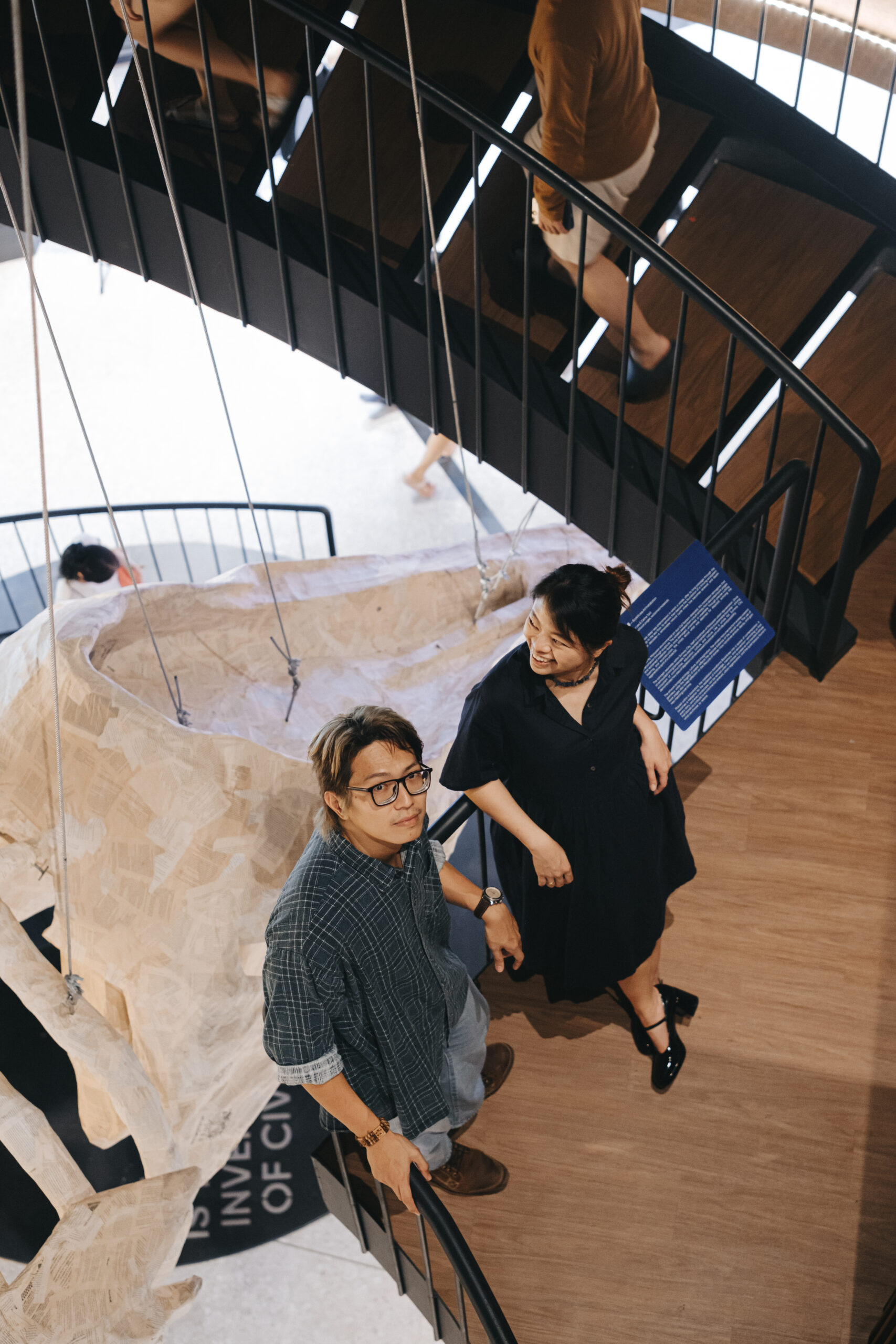
Oscar and Celine.
Image via Co2 (Provided to SAYS)From portraits, murals, and kids' workshops to experimenting with discarded materials, they gradually built Co2_karbondioksida, a practice rooted in sustainability, storytelling, and rethinking what society calls "waste"
"At first, it was pure curiosity. We started experimenting with discarded materials even before there was any commercial support.
"To us, being environmental artists is not just about using recycled materials, it's about shifting perspectives," they explained.
They are fascinated by the stories behind materials, why it is discarded, and what it reveals about human behaviour
"Society often decides too quickly that something has no value, simply because it no longer serves its original function. And it's wrong that we see waste as an endpoint, when in reality it's part of a much longer cycle," they added.
Their goal is to create space for reflection, empathy, and conversation, not lecture people about sustainability.
The 2,100 books weren't used for just one installation
Damaged by water and moisture from a warehouse flood, they quietly waited, unsellable and overlooked… until Co2_karbondioksida gave them a second life.
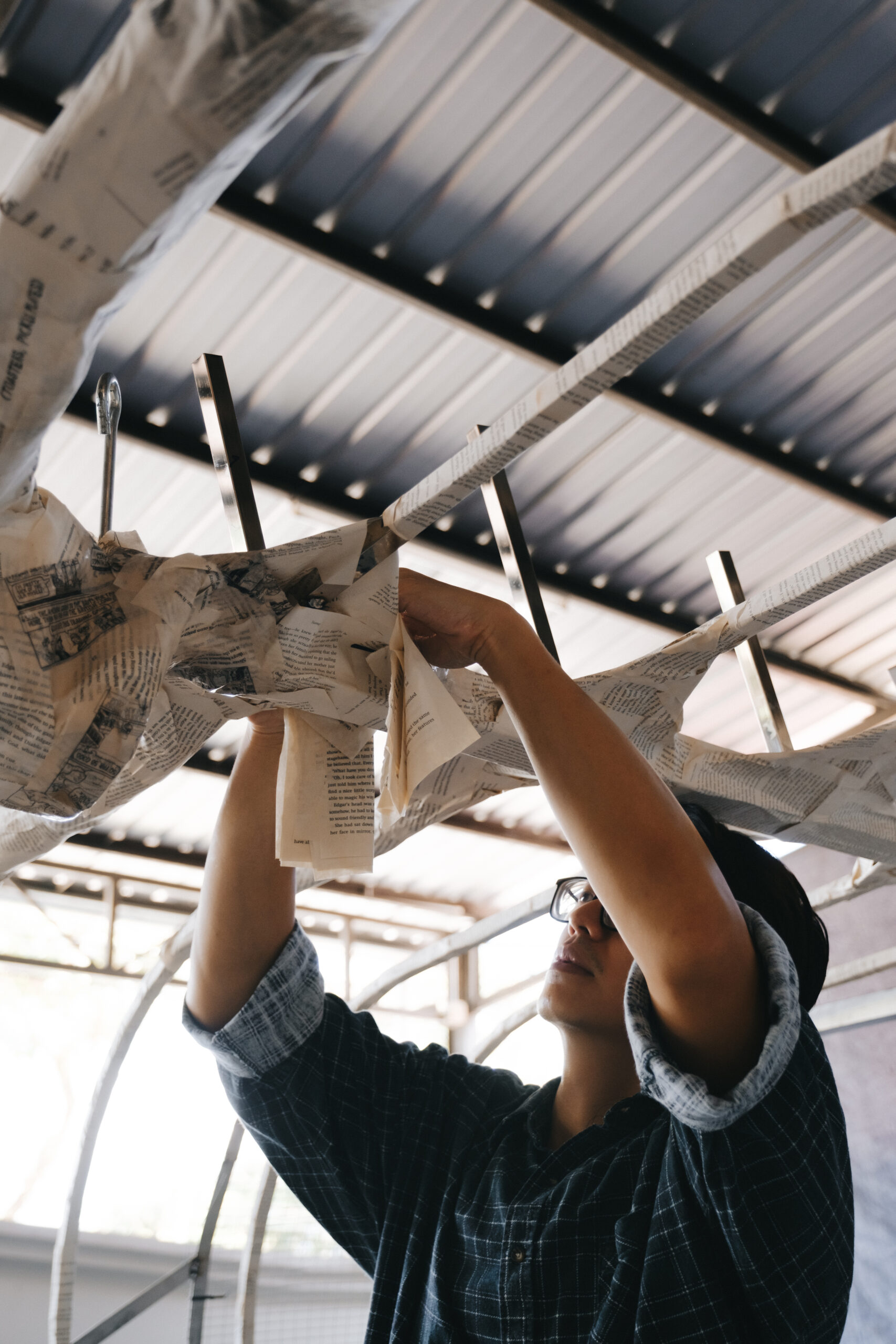
Some became part of the soaring flying books installation, while others were transformed into the towering whale structure.
"Knowing the books were damaged by flooding made the decision very natural for us. It felt wrong to use new books when these already existed, quietly waiting to be discarded.
"Working with them was a way of acknowledging loss, while also transforming that loss into something meaningful," they said.
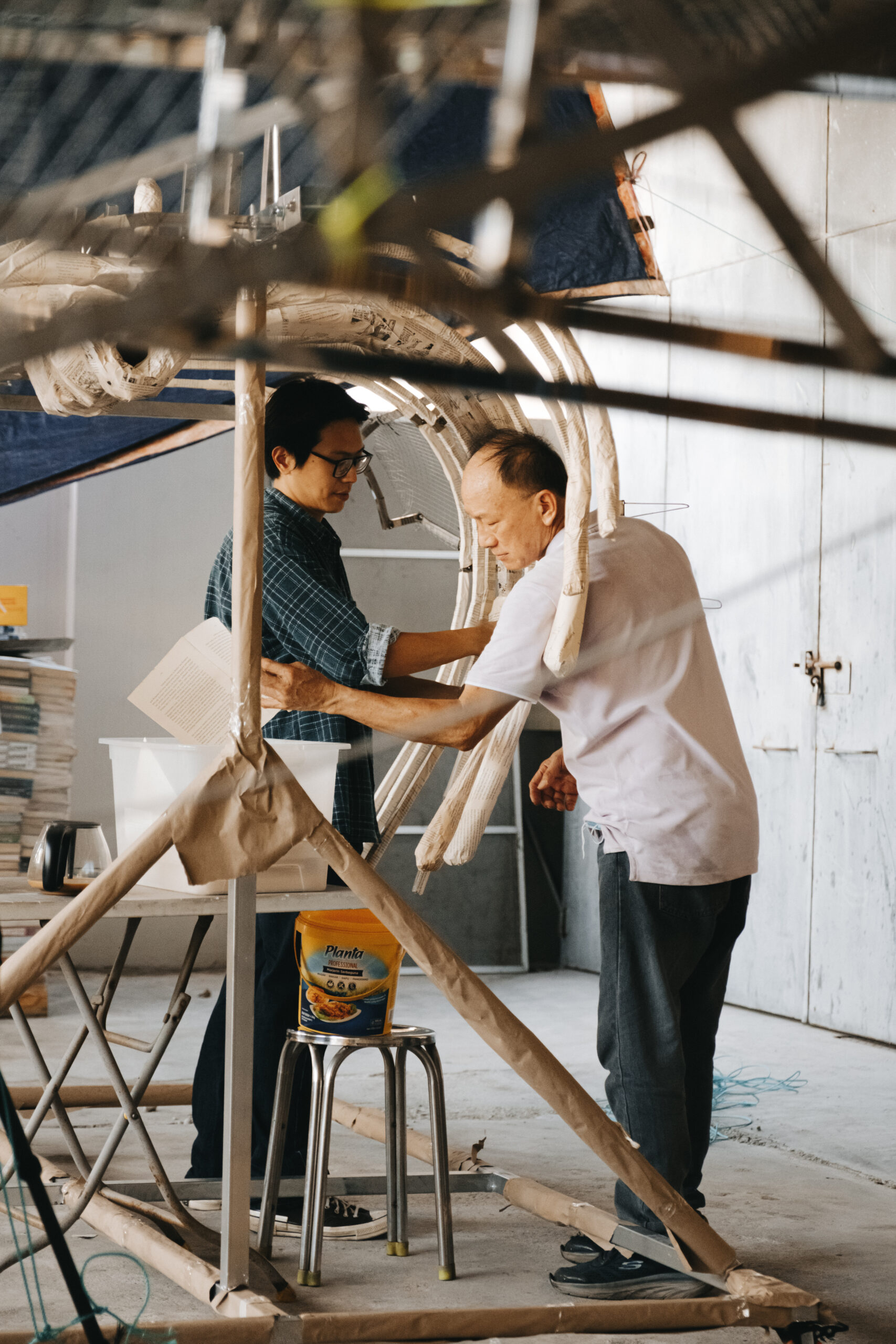
The whale structure was inspired by whale fall, a natural process where a whale's body sinks to the ocean floor after death and becomes a thriving ecosystem for decades
"We encountered this concept while researching ecological cycles, and it resonated deeply because it reframes death as contribution rather than loss.
"This mirrors our practice, working with materials that society considers 'dead' or finished, and transforming them into something that supports new narratives," they explained.
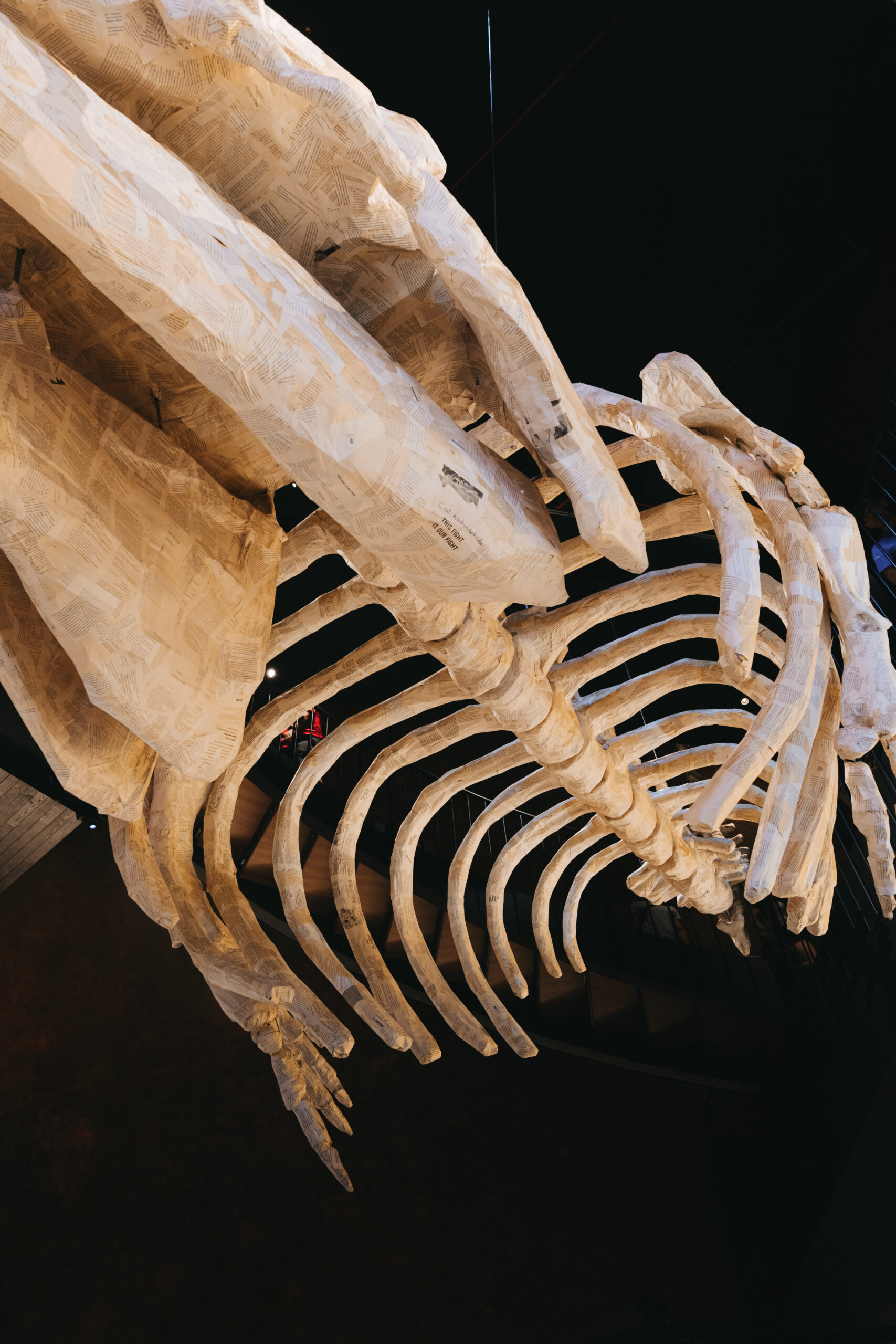
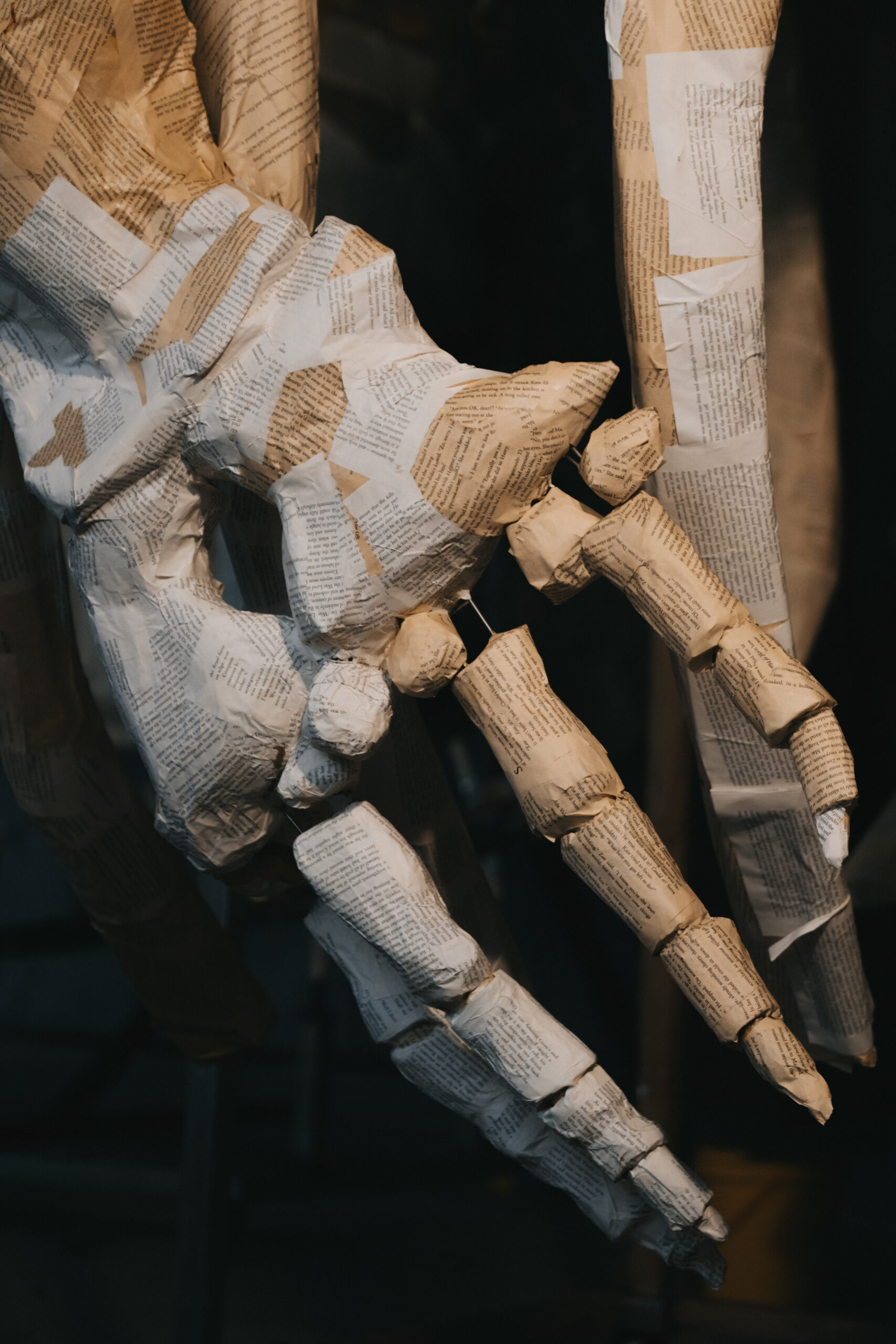
The experience of standing under the whale is meant to slow visitors down and spark reflection.
"We hope people feel small but not insignificant. We hope they are amazed by the scale. Standing beneath the whale is also meant to slow people down, take a pause, and reflect. Ideally, it's a moment of connection between humans and nature," they said.
Even curiosity is enough to start a conversation. "We hope it sparks simple but honest questions: 'Where did this come from?' 'Why was it thrown away?' 'What happens after I'm done with something?'"
Click to watch video:
Beyond The Library by BookXcess, Co2_karbondioksida has created large-scale installations using everyday waste, often inspired by food, mythical creatures, and natural forms
Their works have appeared in public spaces, exhibitions, embassies, and community projects.
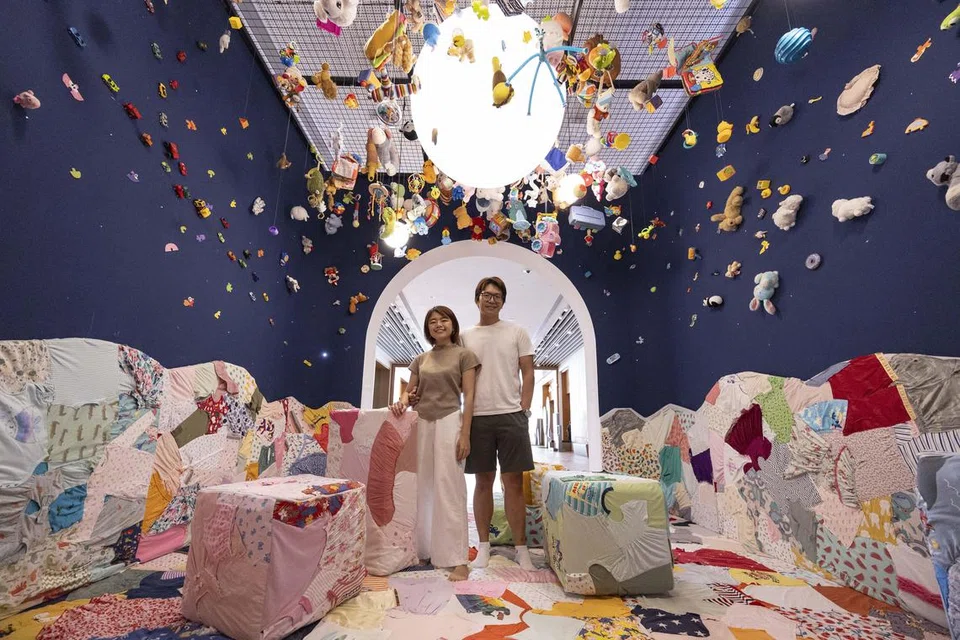
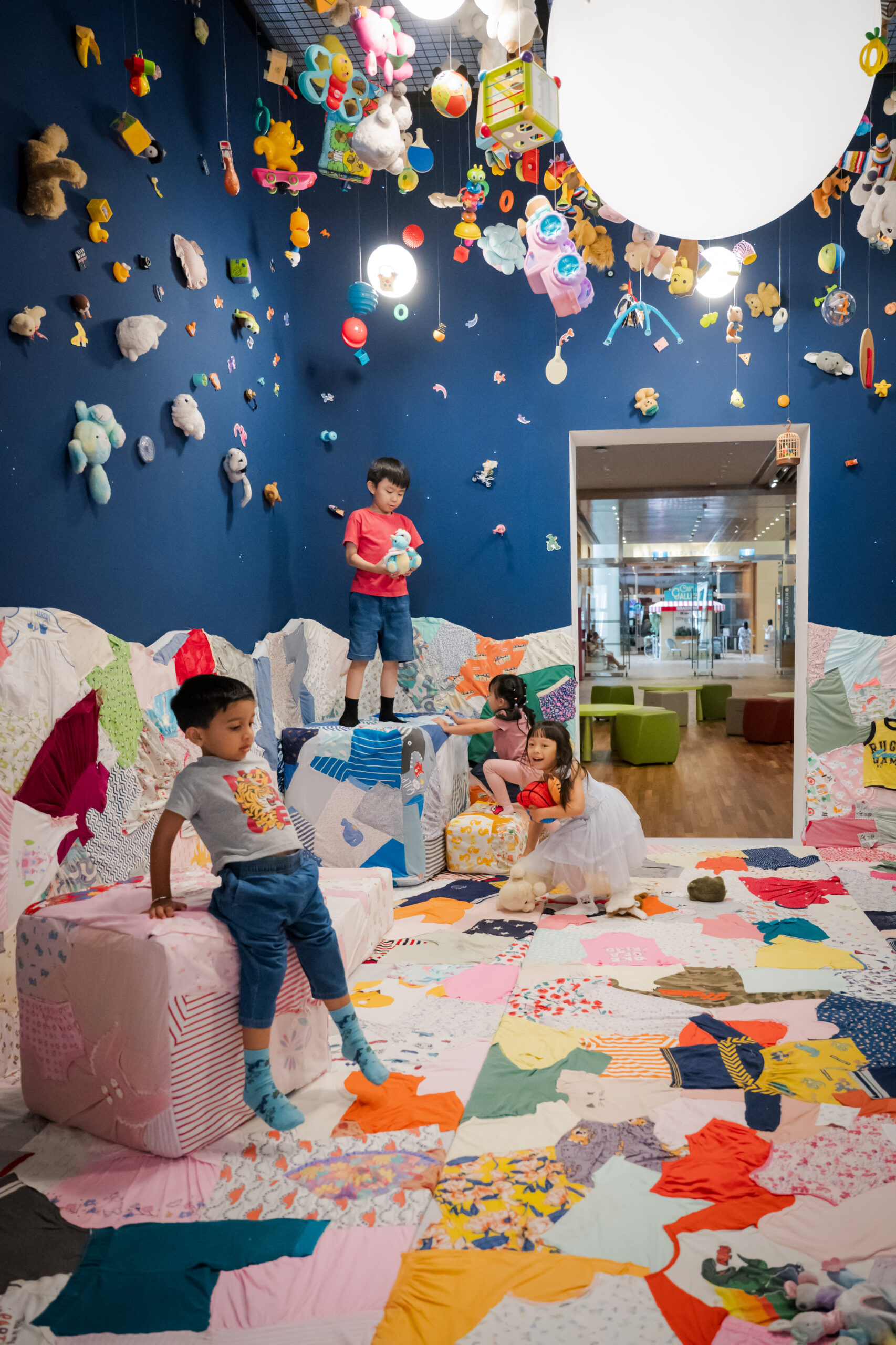
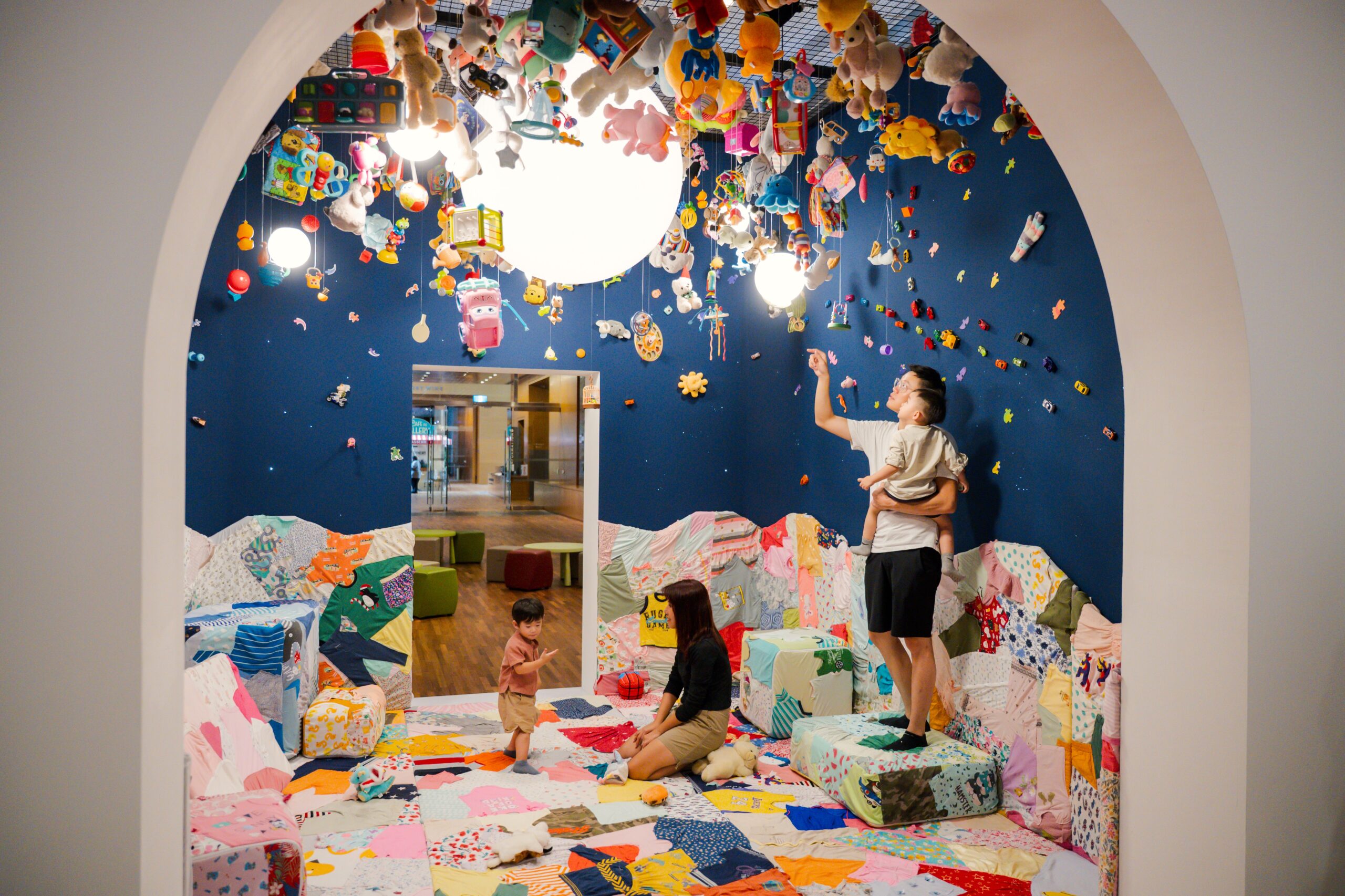
One project at National Gallery Singapore, themed around 'dream', used discarded toys and clothes to create a playful space for children. For the artists, it became unexpectedly emotional.
"At first, handling these items felt overwhelming. But as we spent more time with them, we began to see the emotions and memories attached to each object," they shared.
The result was a space where children could play freely while parents reflected on memory, attachment, and letting go.
Looking ahead, the duo wants to explore not just physical waste, but emotional and cultural waste — forgotten traditions, overlooked ecosystems, and neglected narratives
"We are still exploring what a more sustainable and thoughtful way of living could look like, and we hope to share that journey as we move forward.
"Rather than presenting fixed conclusions, we see our practice as an ongoing process of learning that happens together with the audience. If someone leaves our work seeing waste a little differently, then the artwork has already done its job," they said.
