


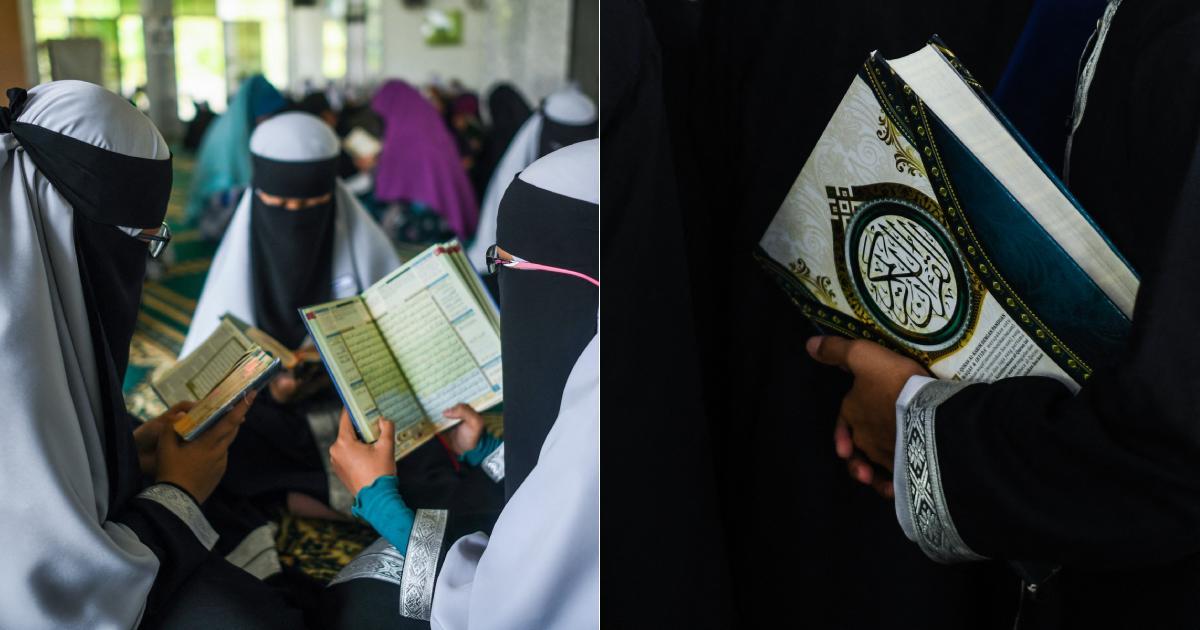
 Cover image via Mohd Rasfan/AFP
Follow us on Instagram, TikTok, and WhatsApp for the latest stories and breaking news.
If you noticed that certain states in Malaysia don't observe Nuzul Al-Quran as a public holiday, there's actually a reason behind it
The main reason some states can opt out is that Nuzul Al-Quran is classified as a state-level holiday rather than a compulsory federal holiday.
Under the Holidays Act 1951 (Act 369), specifically Section 9(1), the state authority has the power to appoint certain days as public holidays for their respective states.
Unlike mandatory nationwide holidays listed in the First Schedule of the Act, such as National Day or the Yang di-Pertuan Agong's Birthday, Nuzul Al-Quran is not compulsory.
This means each state government has the discretion to include or exclude it from its official calendar.
Most Peninsular states that skip Nuzul Al-Quran do so because they already give their residents a day off for Awal Ramadan, the first day of fasting
States such as Johor, Kedah, and Melaka prioritise giving residents time to prepare for the first day of the holy month, enjoy the first Sahur, and attend Tarawih without rushing from work.
Negeri Sembilan has a long-standing tradition of gazetting Israk Mikraj, the Prophet's Night Journey, as a public holiday.
Since residents in these states already had a "Ramadan-related" day off, Nuzul Al-Quran is observed as a normal working day.
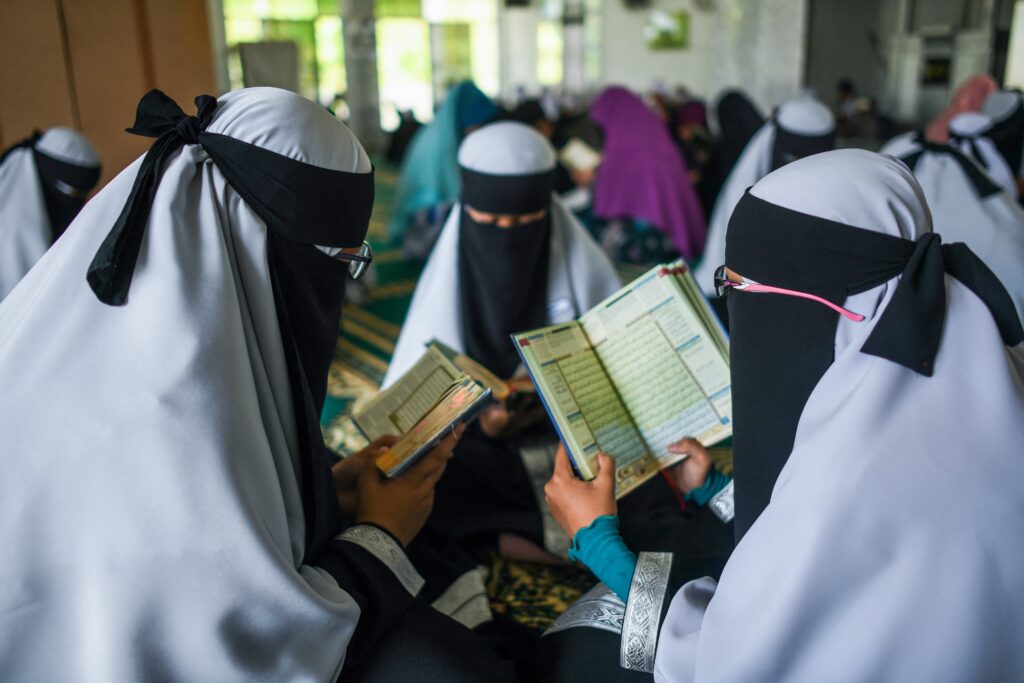
This picture, taken on 22 May 2019, shows Muslim students reading copies of the holy Quran to observe Nuzul Quran in a mosque in Bentong.
Image via Mohd Rasfan/AFPMeanwhile, Sabah and Sarawak do not operate under the Holidays Act 1951 (Act 369)
Instead, they have their own separate laws that predate the formation of Malaysia. Sabah has the Holidays Ordinance, and Sarawak has the Public Holidays Ordinance.
These ordinances take into account the cultural and religious diversity of the two states.
For 2026, both Sabah and Sarawak observe Good Friday, 3 April, as well as their respective Harvest Festivals, Kaamatan in Sabah, 30–31 May, and Gawai Dayak in Sarawak, 1–2 June.
Because these states already have additional high-priority celebrations, Nuzul Al-Quran is not gazetted in order to keep the overall number of public holidays balanced.
Malaysia observes Nuzul Al-Quran on the 17th of Ramadan. However, there is an academic and religious debate over the exact date of the Quran's revelation.
Some Islamic traditions hold that the revelation could have occurred during any of the last ten nights of Ramadan, often associated with Laylatul Qadr (the Night of Power).
Because the date itself is not universally agreed upon across all schools of thought, Nuzul Al-Quran does not carry the same fixed nationwide status as Hari Raya Aidilfitri.
This flexibility makes it easier for state governments to replace it with other observances such as Awal Ramadan or Israk Mikraj.

This picture, taken on 22 May 2019, shows a religious Muslim student carrying a copy of the holy Quran to observe Nuzul Quran in a mosque in Bentong.
Image via Mohd Rasfan/AFP