


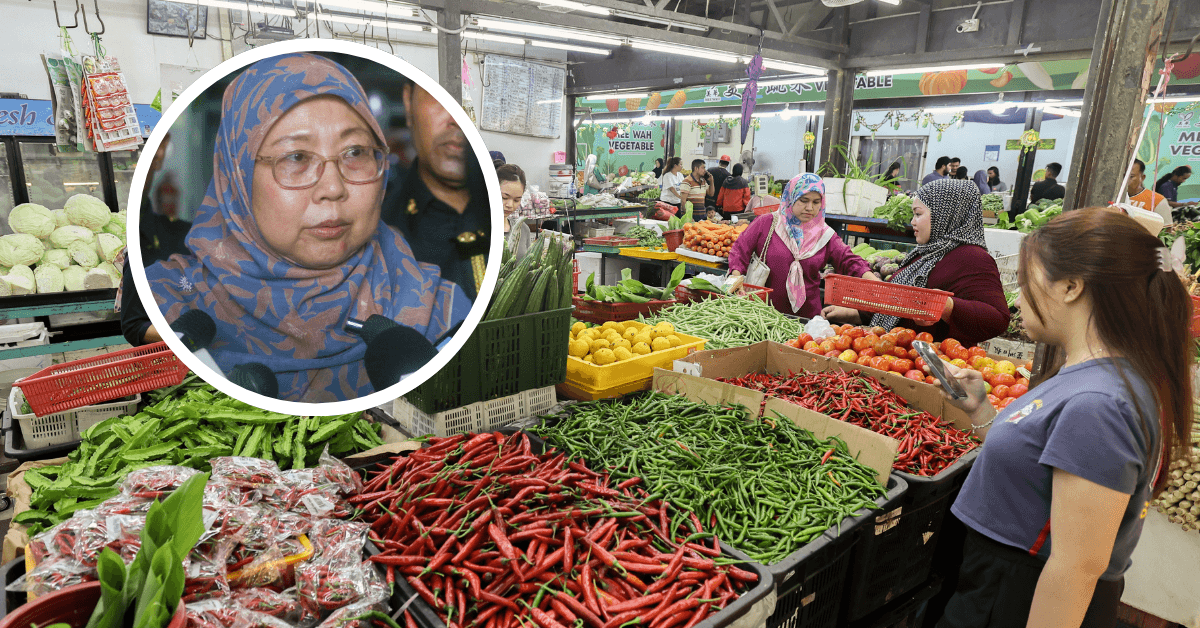
 Cover image via NSTP
Follow us on Instagram, TikTok, and WhatsApp for the latest stories and breaking news.
The geopolitical uncertainty from the Middle East conflict may affect the inflation, but the government is doing all it can to help Malaysians cope
Domestic Trade and Cost of Living Deputy Minister Fuziah Salleh said the government is closely monitoring possible spillover effects and has taken measures to ensure the supply and prices of goods remain stable.
Fuziah was earlier asked to comment on a SAYS report quoting Malaysia University of Science and Technology Prof Emeritus Dr Barjoyai Bardai, who cautioned that possible food inflation could reach 2.5% to 2.7% as the conflict may drive up the costs of fertiliser, animal feed, logistics, and imported agricultural inputs.
She also said the government has taken note of his view, adding that the Economy Ministry also raised the matter during the National Action Council on Cost of Living (NACCOL).
1. Tightened enforcement to prevent profiteering
Fauziah said enforcement has been strengthened to curb any form of price profiteering.
"If any unreasonable price increases are detected, the ministry can issue a Section 21 Notice to obtain explanations regarding input costs and profit margins.
"Any party found taking advantage of the current situation will face strict action in accordance with the law," she said.
She said to date, the ministry has yet to receive any reports or detect any unusual price increases on the ground.
"Close monitoring carried out by more than 2,400 enforcement officers and 850 price monitoring officers nationwide has found that the prices of essential goods remain stable so far," she said, adding that the public is also encouraged to submit official complaints to KPDN if they detect any unreasonable price increases.
2. Taking early steps to shield the economy from global uncertainty
Fuziah said in a meeting with the Prime Minister Datuk Seri Anwar Ibrahim last Monday, he emphasised the importance of the government planning ahead, spending prudently and strengthening the country's economic resilience to face global uncertainties.
She said he cited the story of Prophet Yusuf as a lesson in managing the economy, highlighting the seven years of abundance that should be used wisely to prepare for seven years of hardship.
"In this regard, the government is taking a cautious approach, including controlling spending and strengthening price monitoring as a preparatory step to face possible global economic challenges." she said.
3. Ensuring food supply remains stable
"At the same time, KPDN is working closely with the Ministry of Agriculture and Food Security (KPKM) to ensure that the country's food supply chain remains stable and that any increase in input costs is not excessively passed on to consumers," she said.
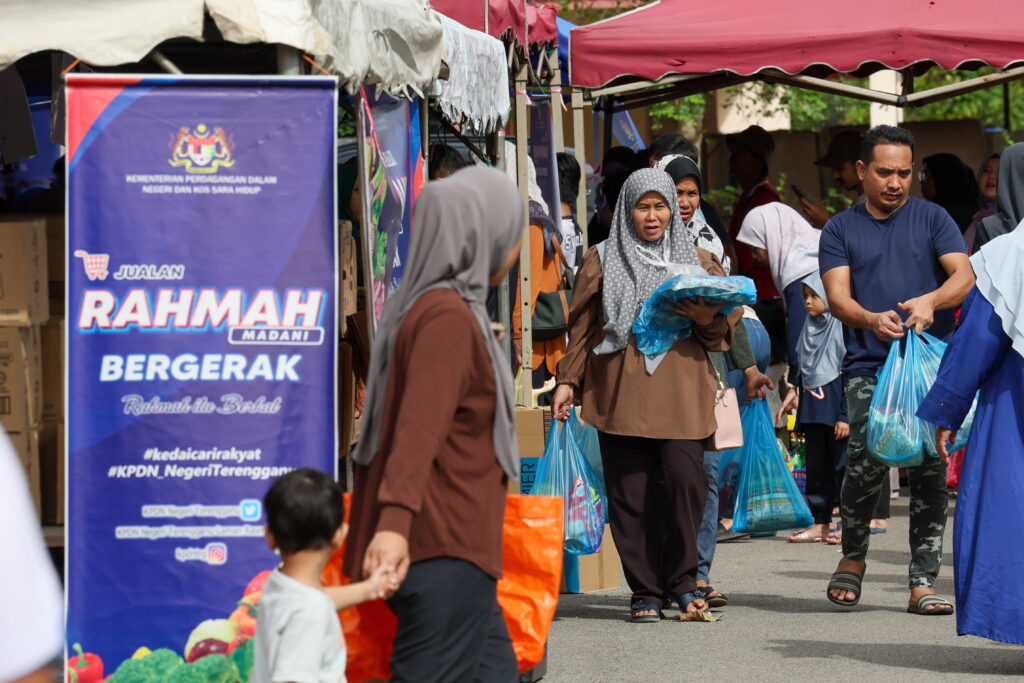
4. Rahmah MADANI sales to ease cost of living
Besides enforcement, the government is also intensifying various mitigation initiatives, including the Rahmah Madani Sales Programme, which offers essential goods at prices 10 to 30% lower than market prices to help ease the cost of living.
