


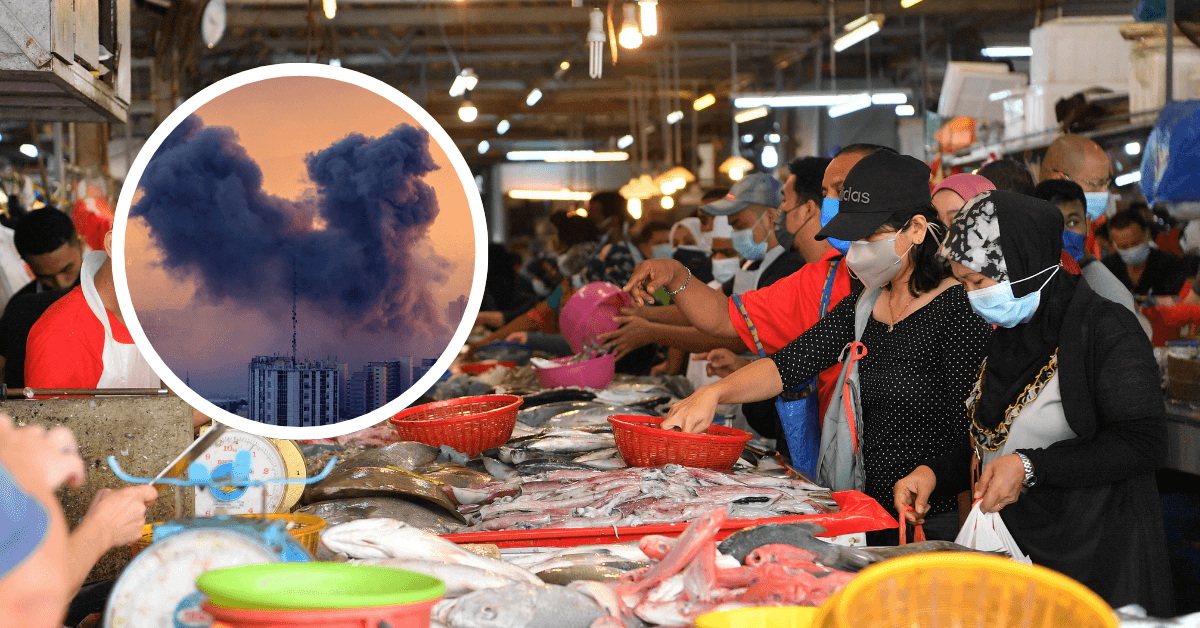
 Cover image via Photo by ATTA KENARE / AFP/NSTP
Follow us on Instagram, TikTok, and WhatsApp for the latest stories and breaking news.
It has been almost two weeks since the US–Israel–Iran conflict erupted, and so far, there are no signs of de-escalation
While Malaysia is geographically remote from the conflict, it is unlikely to be spared from its wider economic consequences.
Malaysia University of Science and Technology Prof Emeritus Dr Barjoyai Bardai said disruptions to global oil markets, shipping routes and geopolitical stability could produce spillover effects for Malaysia — some manageable, others potentially severe.
Here is what Malaysians should prepare for if the conflict were prolonged.
1. Higher fuel, energy and transport costs
Barjoyai said global oil prices had surged partly due to disruptions on the Strait of Hormuz, a key route that handles about 20% of the world's oil shipments.
He said higher war-risk insurance premiums imposed on vessels, combined with disrupted tanker movements, have pushed transport costs upward.
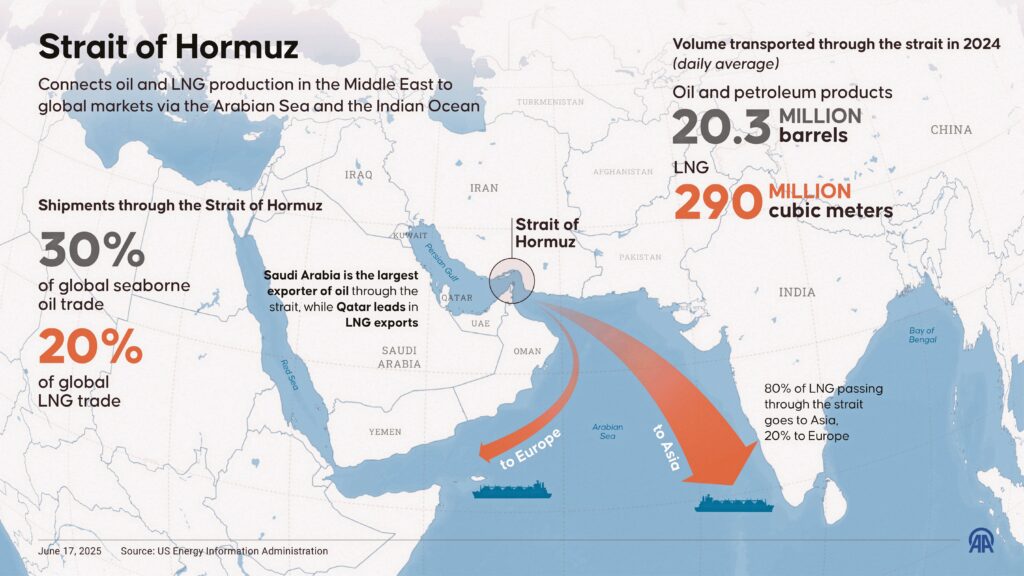
The Strait of Hormuz connects oil and LNG production in the Middle East to global markets via the Arabian Sea and the Indian Ocean.
Image via Photo by Murat Usubali / Anadolu via AFP/NSTPAlthough Malaysia benefits from stronger crude export revenues, the country remains a net importer of refined petrol and diesel, meaning domestic fuel prices would still rise, he said.
"Transport services, including delivery, logistics, e-hailing, flights, and express buses were usually the first to adjust fares when fuel-related costs increased," he said.

Transport services such as delivery, logistics, e-hailing, flights, and express buses may see price increases
Image via NSTP2. Rising food prices
Barjoyai said costs involving fertiliser, animal feed, logistics, and imported agricultural inputs are expected to climb, gradually pushing food inflation to between 2.5% and 2.7%.
"Malaysia's food imports, including grains, livestock feed, dairy products, and essential staples, depend heavily on stable global shipping routes, which could be rerouted or delayed due to war-zone restrictions," he said.
3. Ringgit pressure and higher inflation
Barjoyai said rising global oil prices typically strengthen the US dollar while weakening emerging-market currencies such as the ringgit – a trend that is already being observed.
He said economists expect headline inflation (overall increase of prices across an economy) to edge towards 2.2% by year-end if the conflict persists.
A weaker ringgit would make imports more expensive, affecting food supplies, medicines, machinery, spare parts and consumer goods, he added.
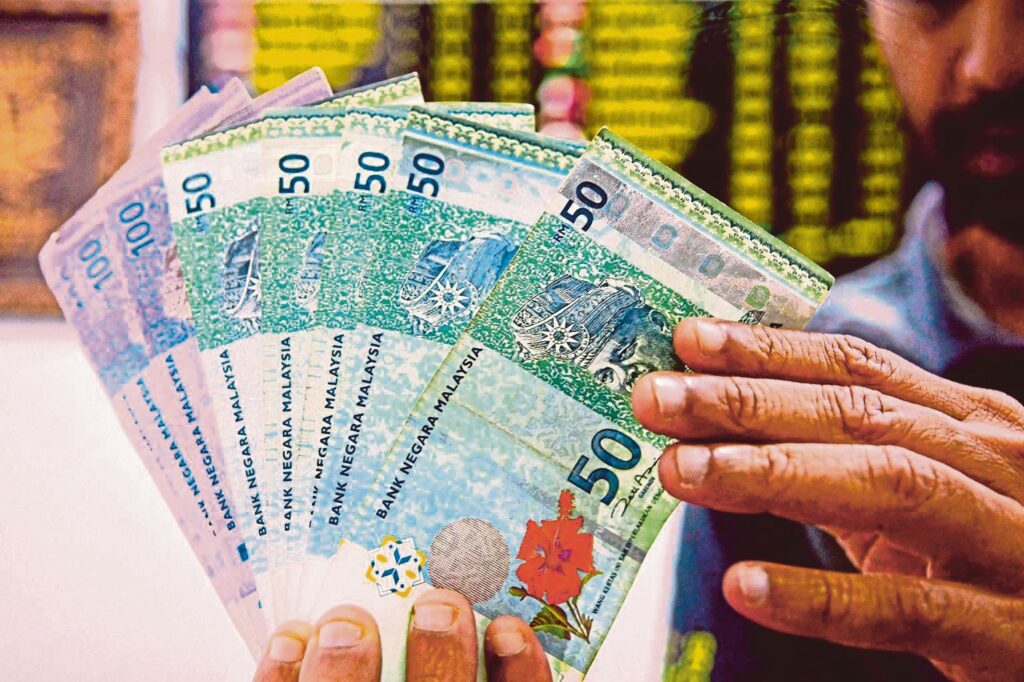
Rising global oil prices usually strengthen the US dollar and weaken emerging-market currencies like the ringgit.
Image via NSTP4. Supply chain and trade disruptions
Barjoyai said Malaysia is likely to experience longer shipping routes, higher maritime insurance costs, aviation corridor delays, and rising freight charges.
He said Investment, Trade and Industry Minister Datuk Seri Johari Abdul Ghani had confirmed disruptions involving ships and flights entering certain zones, with some aircraft forced to turn back.
Export-oriented sectors such as electrical and electronics (E&E), manufacturing, chemicals and agriculture could face pressure from rising operating costs and softer global demand, Barjoyai said.
5. Risk of global growth slowdown
Barjoyai said oil prices have crossed the USD100 mark and might remain elevated for months, prompting downward revisions of global growth forecasts, including Malaysia's outlook.
Weaker international demand for Malaysian exports was among the key secondary risks, he said.
Oil prices have crossed the USD100 mark and might remain elevated for months.
Image via Photo by VICTOR de SCHWANBERG/SCIENCE PHO / VSC / Science Photo Library via AFP/NSTP6. Market volatility and cautious investors
Bursa Malaysia and the ringgit have already shown volatility as investors become more risk-averse, Barjoyai said.
Foreign direct investment assessments might slow temporarily as investors adopt a wait-and-see approach, he added.
What Malaysians should do
1. Prepare for gradual price increases
Barjoyai said the situation is unlikely to trigger a sudden crisis, but Malaysians should expect gradual increases in food prices, transport fares, logistics fees, and selected service charges.
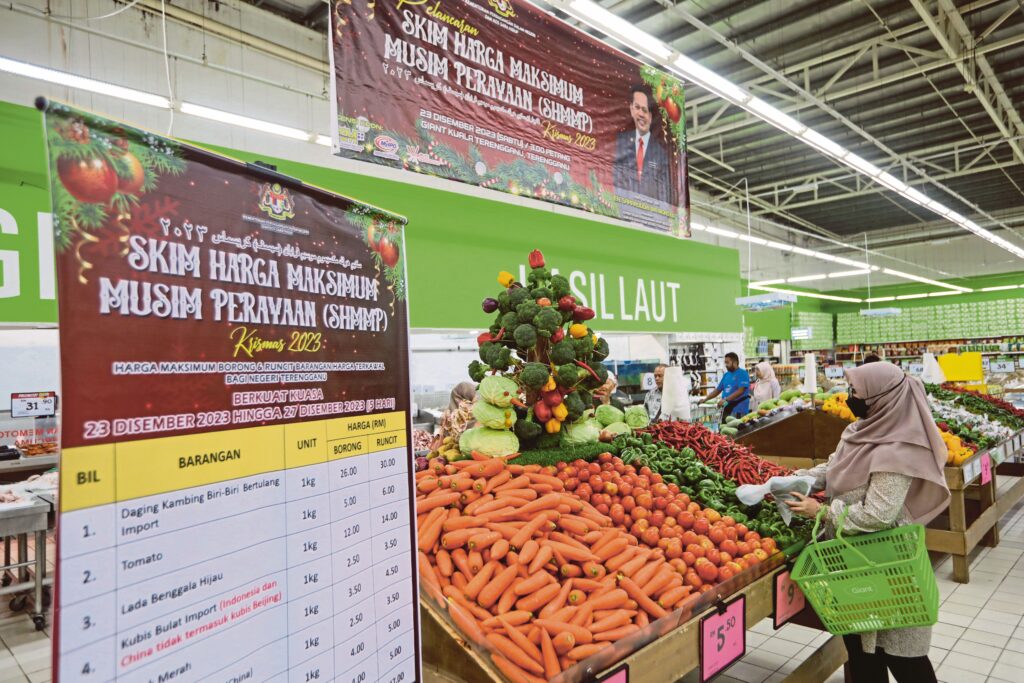
Malaysians should brace for price increases.
Image via NSTP2. Strengthen household financial buffers
He said households should reduce discretionary spending and increase savings to cushion against prolonged inflation.
Borrowers might benefit from locking in fixed-rate loans, which would keep monthly repayments unchanged even if interest rates rose, he added.
3. Use fuel and energy more efficiently
Barjoyai said petrol and electricity prices might be adjusted periodically if subsidy pressures increased.
Households could reduce fuel expenses by carpooling or opting for public transport instead of relying solely on private vehicles.
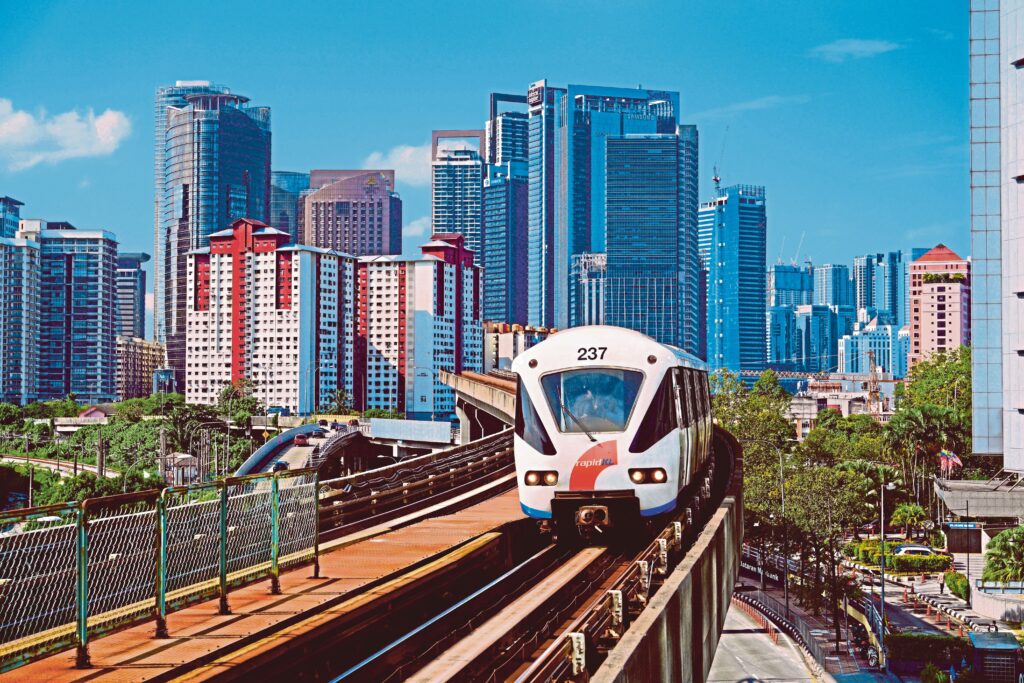
Households could reduce fuel expenses by opting for public transport.
Image via NSTP4. SMEs to reassess costs and supply chains
He said small and medium enterprises, particularly in manufacturing, food and beverage, transport and agriculture, should prepare for higher logistics and imported input costs.
Businesses could consider diversifying suppliers or renegotiating long-term contracts to manage risks.
5. Monitor currency exposure
Barjoyai said businesses dependent on US dollar-denominated imports should consider hedging strategies to reduce foreign exchange risks.
What Malaysians should avoid
1. Panic buying or hoarding
Barjoyai said there are no expert projections indicating supply collapses, but rather price adjustments.
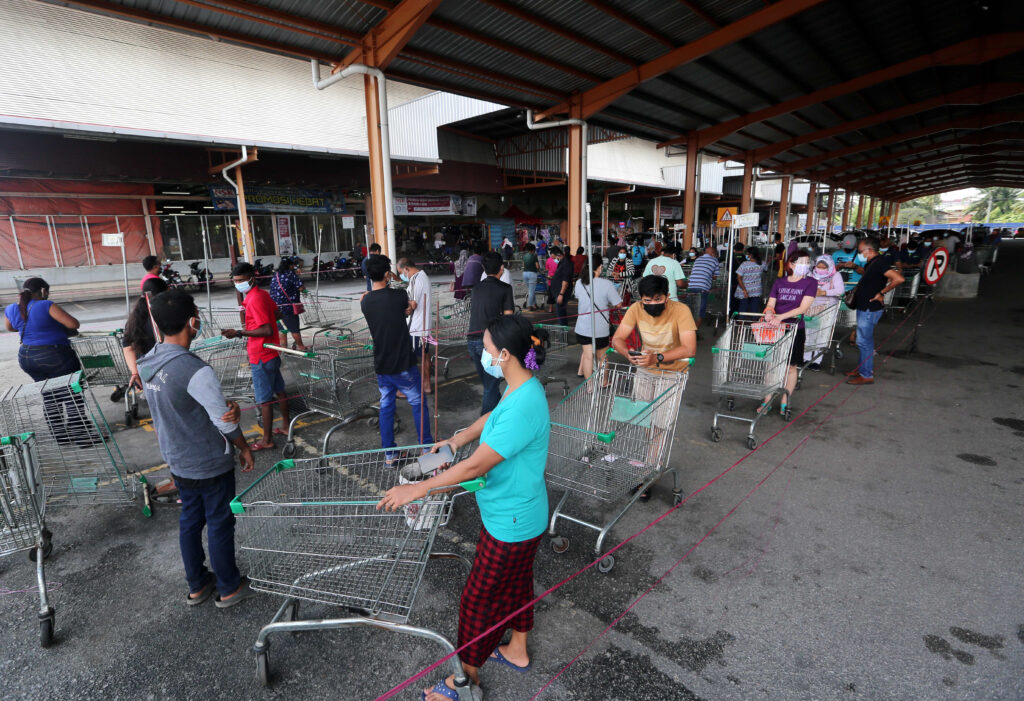
Malaysians should avoid panic buying.
Image via NSTP2. High-risk financial speculation
He said volatile markets might tempt aggressive investments, but unpredictable swings could result in heavy losses, particularly for inexperienced investors.
3. Overreacting to short-term oil price spikes
Although oil prices could test the USD90–100 range under severe disruptions, Malaysia still has financial buffers, including strong revenues from Petronas, upstream earning,s and limited direct exposure to Iran, Barjoyai said.
4. Ignoring long-term structural shifts
Barjoyai said prolonged tensions could accelerate global supply chain diversification away from traditional routes, and businesses should not assume a quick return to pre-conflict conditions.
