


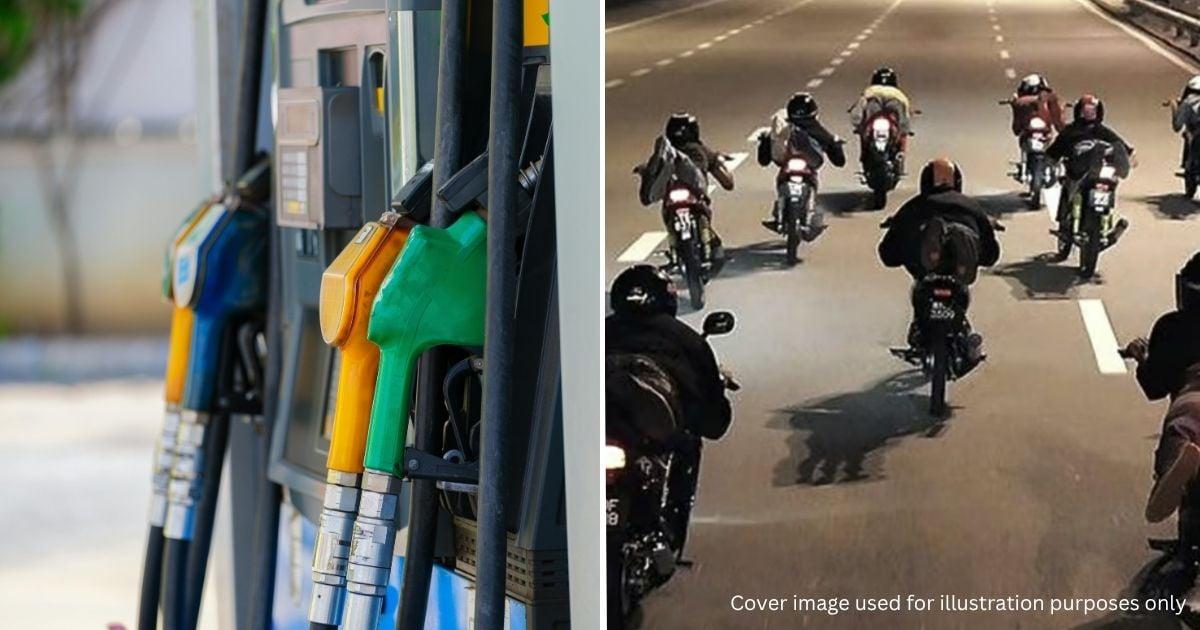
 Cover image via
Follow us on Instagram, TikTok, and WhatsApp for the latest stories and breaking news.
Economists and former lawmakers have cautioned against revoking fuel subsidies for serious traffic offenders and illegal street racers, arguing that such a move could lead to severe unintended consequences
While the proposal may seem politically popular, experts suggest that linking economic support to behavioural compliance undermines fundamental policy principles.
Samirul Ariff Othman, an economist and consultant at Global Asia Consulting, emphasised that fuel subsidies are intended solely as welfare and price-stabilisation tools, not as mechanisms for punishment
He warned that turning subsidies into a behavioural tool risks mixing two separate policy objectives. Samirul suggested that dangerous driving should instead be addressed through stricter enforcement of existing traffic laws, higher fines, demerit points, and license suspensions, according to a Scoop report.
He further highlighted several systemic risks: while wealthy drivers may be unaffected by a loss of subsidy, lower-income workers, such as delivery riders, would be severely impacted.
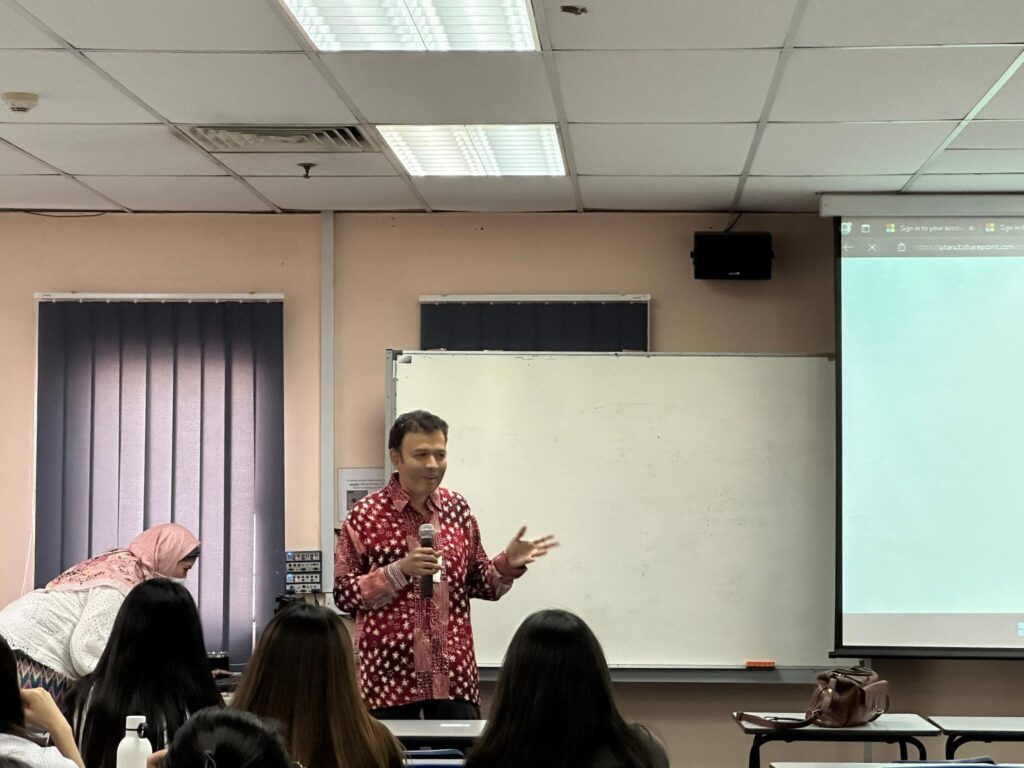
Samirul Ariff Othman speaking at Universiti Tunku Abdul Rahman.
Image via Universiti Tunku Abdul Rahman (UTAR) (Facebook)Once welfare benefits are linked to traffic offences, he said, future governments might be tempted to link economic support to other unrelated behaviours, undermining the principle that support should be based on need rather than 'moral scoring'.
He added that integrating data across multiple platforms like JPJ, PDRM, MyDigital ID, and PADU to implement such a system carries significant operational risks.
Former Klang MP Charles Santiago echoed these sentiments, noting that additional penalties would further burden lower-income Malaysians already struggling with rising living costs
He pointed out that the "mat rempit" culture often stems from socio-economic marginalisation, involving average citizens like factory workers and gig workers.
Instead of penalising vulnerable groups, Santiago proposed several alternatives, such as implementing a 2% wealth tax on the upper brackets of the T20 group, specifically millionaires.
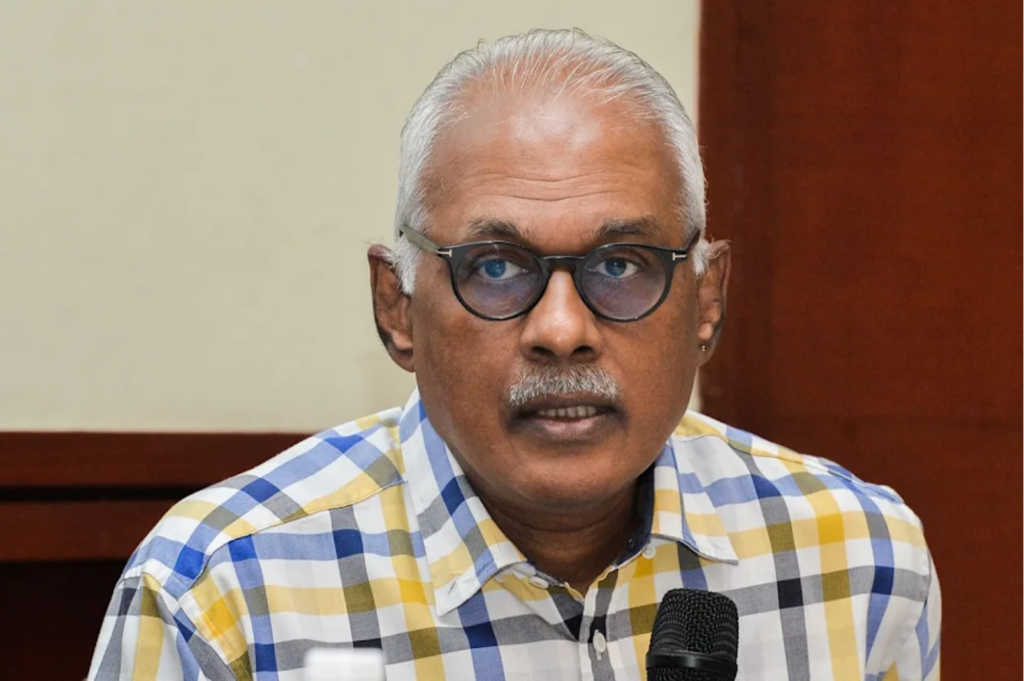
Former Klang MP Charles Santiago.
Image via MWAAnother alternative, he said, is heavier taxation on owners of high-end, luxury vehicles, as they can afford to absorb the cost without compromising their quality of life.
He also suggested improving the monitoring and efficiency of the government's own vast fleet of vehicles, including cars, lorries, and tractors.
The debate follows a controversial "Mat Motor" convoy to Sultan Ismail Petra Airport in Kota Bharu, which was organised by PAS assemblymen and Kelantan PAS Youth
The event drew sharp criticism from the public and Transport Minister Anthony Loke, who questioned the waste of fuel and the choice of a security-sensitive location for the gathering.
Experts warn that removing subsidies based on such incidents could trigger significant public backlash and fail to address the core issues of road safety and economic equity.
