


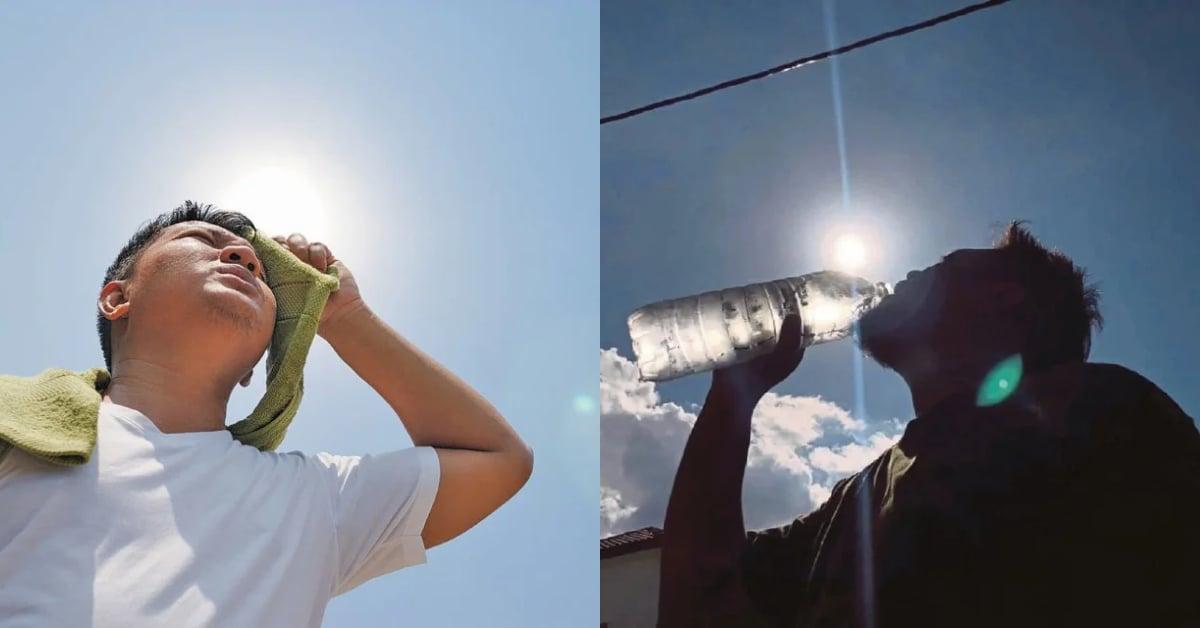
 Cover image via
 Follow us on Instagram, TikTok, and WhatsApp for the latest stories and breaking news.
The public, especially vulnerable groups such as children, the elderly, and those with chronic illnesses, are advised to watch for early signs of heatstroke as Malaysia experiences hot weather
Universiti Malaya Medical Centre (UMMC) family medicine specialist Dr Megat Mohamad Amirul Amzar Megat Hashim said heatstroke usually happens after prolonged exposure to extreme heat, often starting with heat exhaustion.
He explained that the human body functions best at around 37°C and will naturally try to cool itself when temperatures rise.
However, if body temperature rises too high, the body's proteins, enzymes, and hormones may stop functioning properly, which can lead to organ failure and even death.
"When our body temperature rises, we experience heat exhaustion. If this continues and the body cannot cope, it may develop into heatstroke," he said during Bernama TV's Ruang Bicara programme titled Strok Haba: Risiko Nyawa Dalam Diam, as quoted by the New Straits Times.
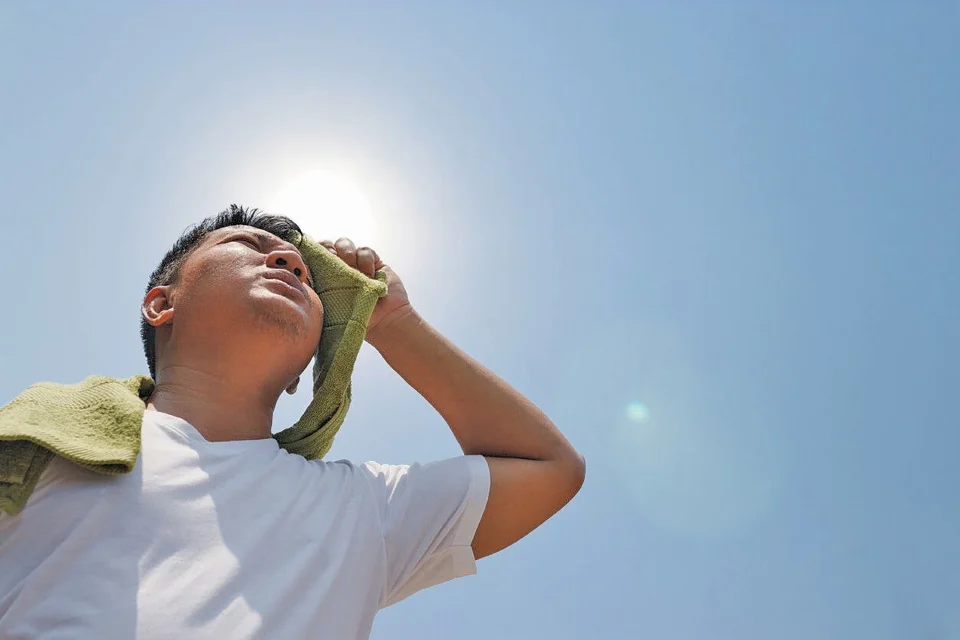
These are some early warning signs of heatstroke
According to him, symptoms of heatstroke include:
– Body temperature exceeding 40°C
– Confusion or delirium
– Fainting
– Seizures
However, before heatstroke occurs, a person may experience heat exhaustion. Symptoms include heavy sweating, fatigue, headache, muscle cramps, and dizziness.
If someone shows these symptoms, they should immediately:
– Move to a cooler place
– Loosen tight clothing
– Drink cold water
– Cool the head, neck, and armpits
Without early treatment, the condition can quickly become dangerous as the person may grow weaker.
In severe cases, a person may also stop sweating due to dehydration, while urine output may decrease or stop completely. Without urgent treatment, this can damage internal organs and may be fatal.
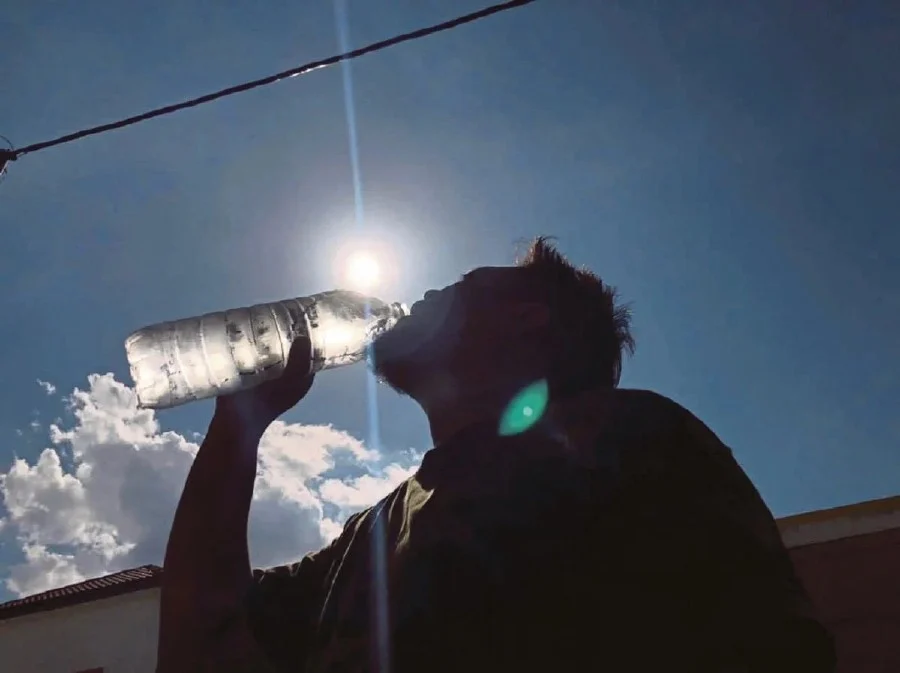
Dr Megat said children and older adults, especially those with chronic illnesses, face higher risks because their bodies are generally less resilient than healthy adults
He also stressed that daily habits play an important role in preventing heatstroke.
This includes avoiding prolonged exposure to direct sunlight and limiting outdoor activities between 11am and 4pm, when temperatures are usually at their highest.
He also advised the public to avoid excessive caffeine, alcohol, and salty foods as these can worsen dehydration, while drinking at least eight glasses of water daily helps maintain hydration.
