


 Cover image via
Follow us on Instagram, TikTok, and WhatsApp for the latest stories and breaking news.
Prime Minister Datuk Seri Anwar Ibrahim has announced that Iran granted Malaysian vessels passage through the Strait of Hormuz, marking a first step towards easing financial pressures from rising oil prices
In a televised address yesterday, 26 March, Anwar thanked Iranian President Masoud Pezeshkian for allowing Malaysian vessels to pass through the 39km-wide Strait.
"We are now in the process of securing the release of the Malaysian oil tanker and its crew so they can continue their journey home," he said.
This comes after Iran's mission to the United Nation (UN) posted on X that "non-hostile vessels" would be allowed to pass through the Strait, provided they coordinated with Iranian authorities.
In other statements, Iran has said the Strait of Hormuz is open to all countries except the US and its allies.
Non-hostile vessels, including those belonging to or associated with other States, may—provided that they neither participate in nor support acts of aggression against Iran and fully comply with the declared safety and security regulations—benefit from safe passage through the…
— I.R.IRAN Mission to UN, NY (@Iran_UN) March 24, 2026
About 20% of the global oil supply passes through the Strait of Hormuz.
With the passage blocked, many countries face energy shocks and inflation, impacting their economies on a large scale and disrupting livelihoods in many sectors.
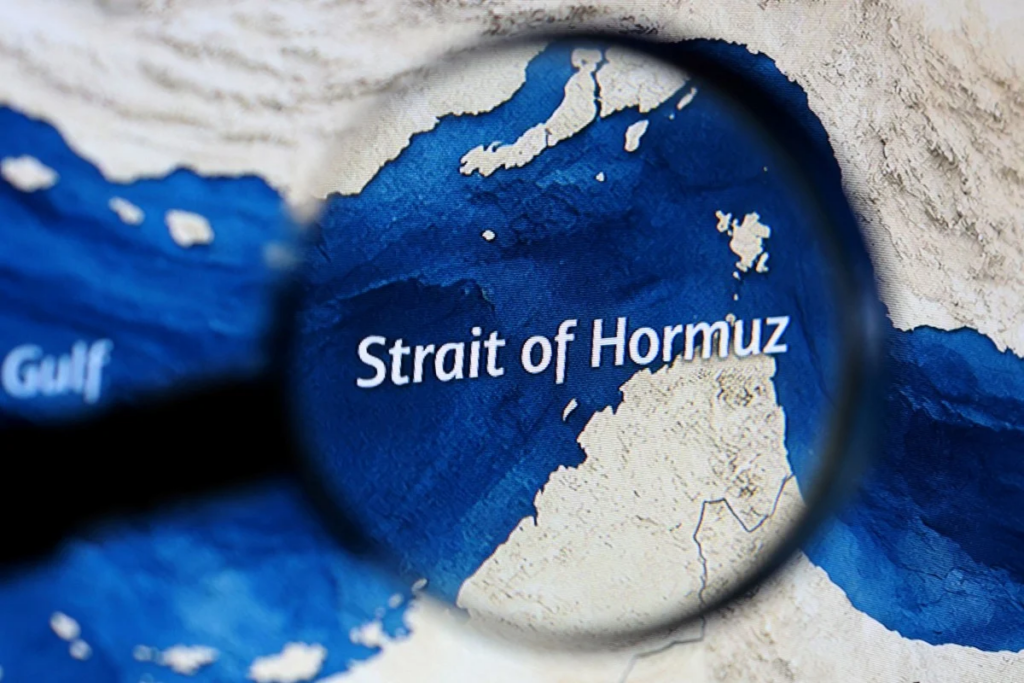
Below are other "friendly" nations to Iran whose vessels are allowed to pass through the Strait of Hormuz
1. Japan
According to an Al Jazeera's report on 21 March, Iranian Foreign Minister Abbas Araghchi said the Strait is open, but is closed only to "ships belonging to our enemies, countries that attack us".
Japan sources more than 90% of its crude oil imports from the Middle East and is heavily dependent on exports transiting the Strait.
While no Japanese ships have passed through the waterway yet, an arrangement is reportedly underway following talks between Iranian Foreign Minister Abbas Araghchi and Japanese Foreign Minister Toshimitsu Motegi.
2. China
At least two Chinese vessels have sailed through the Strait, after paying a fee transacted in Chinese Yuan.
Lloyd's List, a shipping and maritime information service, reported on 23 March that one "transit was brokered by a Chinese maritime services company acting as an intermediary, which also handled the payment to Iranian authorities".
Iran is reportedly seeking to introduce a new law in parliament to impose tolls on vessels transiting the Strait. However, Al Jazeera, citing provisions under the United Nations Convention on the Law of the Sea (UNCLOS), reported that any prejudicial treatment of innocent passage would violate the convention.
It remains to be seen how the toll system will play out in the coming days and weeks.
3. Turkey
According to a Reuters' report on 13 March, a Turkish-owned ship was allowed to pass after authorities received permission from Tehran.
Last Saturday, 22 March, the country said it was working to facilitate the passage of 14 other ships through the Strait.
4. India
On Monday, two Indian tankers passed the Strait. This follows the first Indian tanker's transit on 12 March, after Indian government sources said Iran would permit the passage of India-flagged vessels, reported Telegraph.
As of early this week, 12 Indian ships had crossed safely, while Lloyd's List Intelligence reported that at least 22 India-bound vessels are still in the process of being evacuated.
5. Thailand
On 25 March, a Thai oil tanker sailed though the Strait following diplomatic coordination with Iran. The vessel is expected to arrive in Thailand by early April, according to Seatrade Maritime News.
Following the passage, the Iran embassy in Thailand said that it valued the friendship of the Thai people and "will never forget our comrades".
This development comes less than two weeks after a Thai Precious Shipping carrier was struck in the waterway.
6. Pakistan
On Sunday, a Pakistani-flagged Aframax tanker, Karachi, sailed out of the Strait.
A week earlier, another Pakistan-bound tanker had also passed through, marking the first Pakistani vessel to have done so.
Meanwhile, on Wednesday, one of its ships was blocked due to "failure comply with legal protocols and lack of permission".
The Telegraph noted that the shift in the treatment of Pakistani ships coincides with Pakistan positioning itself as a mediator in the conflict between the US and Iran.
7. Greece
According to CNBC, one of Greece's oil tankers operated by Athens-based Dynacom Tankers Management was among the first to sail through the Strait on 8 March.
Another oil tanker, the Smyrni, laden with Saudi crude oil, also transited the waterway in the second week of March and anchored in Mumbai.
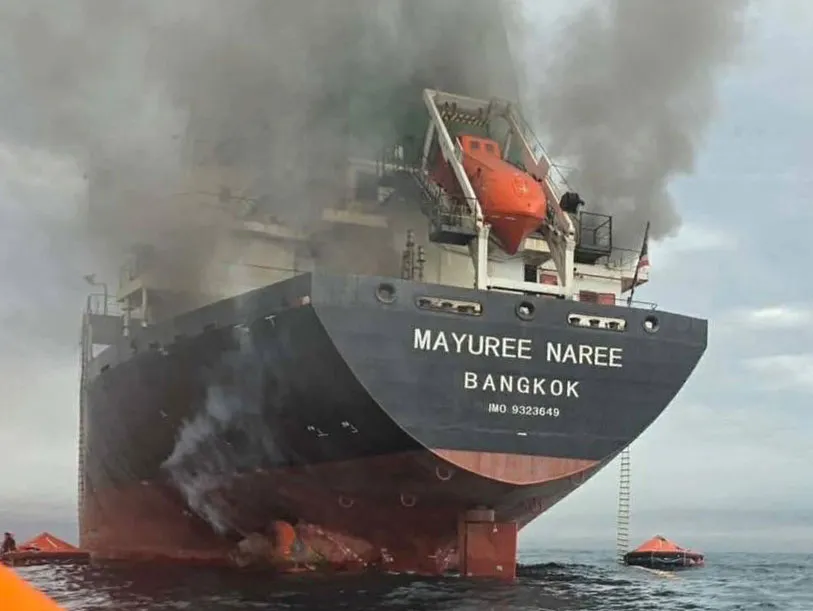
A Thai Precious Shipping carrier was attacked earlier this month at the Strait of Hormuz.
Image via BloombergIran has also named other nations whose vessels are allowed to sail through the Strait, including Russia, Iraq, and Bangladesh
It is reported that South Korea, Italy, and France are also in talks with Iran to broker agreements allowing their vessels to pass through the waterway.
Meanwhile, US President Donald Trump claimed that Iran has allowed 10 oil tankers to pass through the Strait as a "present" for the US.
"They said, 'To show you the fact that we're real and solid and we're there, we're going to let you have eight boats of oil… and they'll sail up tomorrow,'" CNBC quoted Trump as saying yesterday.
He added: "They then apologized for something they said, and they said, 'We're going to send two more boats.' And [it] ended up being 10 boats."
