


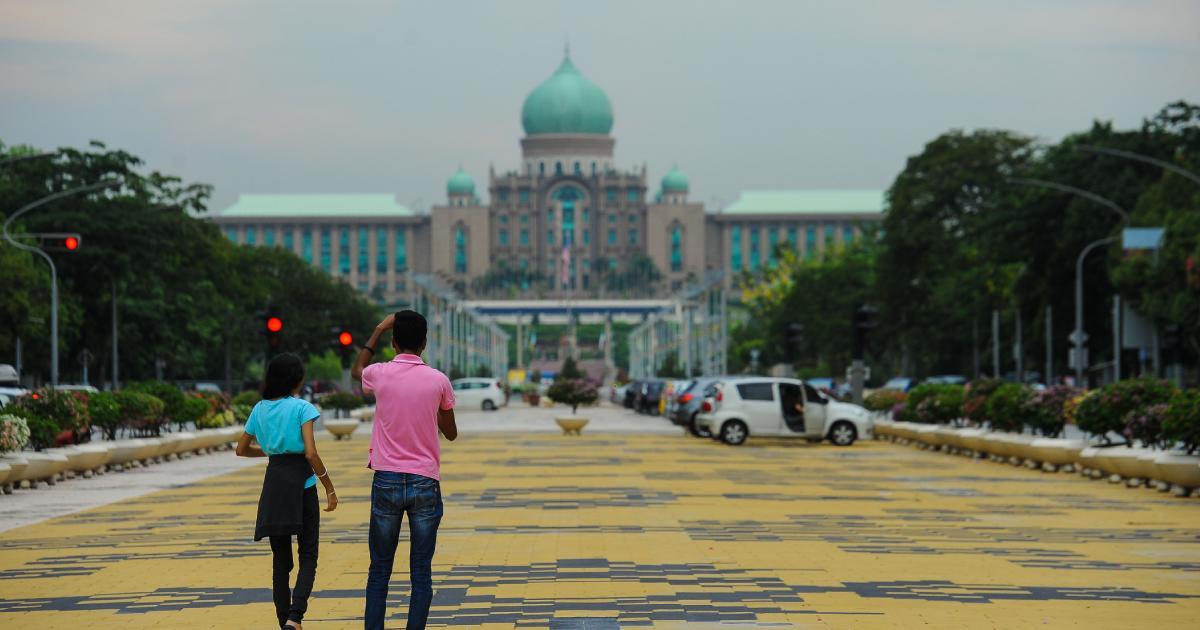
 Cover image via The Malaysian Reserve
Follow us on Instagram, TikTok, and WhatsApp for the latest stories and breaking news.
Government offices across Malaysia are about to get warmer, literally
Civil servants have been told they may be allowed to dress more casually at work as the government raises air-conditioning temperatures to 24°C, according to Malaysian Anti-Corruption Commission (MACC) chief commissioner Tan Sri Azam Baki.
Speaking at the MACC headquarters in Putrajaya, Azam said the measure is part of Cabinet directives to reduce energy consumption and manage costs across all government offices.
"Following Cabinet instructions, the temperature of air-conditioners will be raised, and we may be allowed to wear more casual attire to the office as the temperature increases.
"We may be able to wear short-sleeved shirts and so on," he said.
The new settings are expected to apply across ministries, statutory bodies, and government-linked companies, not just MACC.
Government office temperatures are understood to be set at around 24°C
Malaysia has had a guideline since 2011 requiring government offices to keep air-conditioners no lower than 24°C.
Compliance, however, has been inconsistent.
In 2023, civil servants were allowed to wear batik shirts daily to make working in warmer offices more comfortable. The latest directive expands on that idea, allowing short sleeves and more casual work attire.
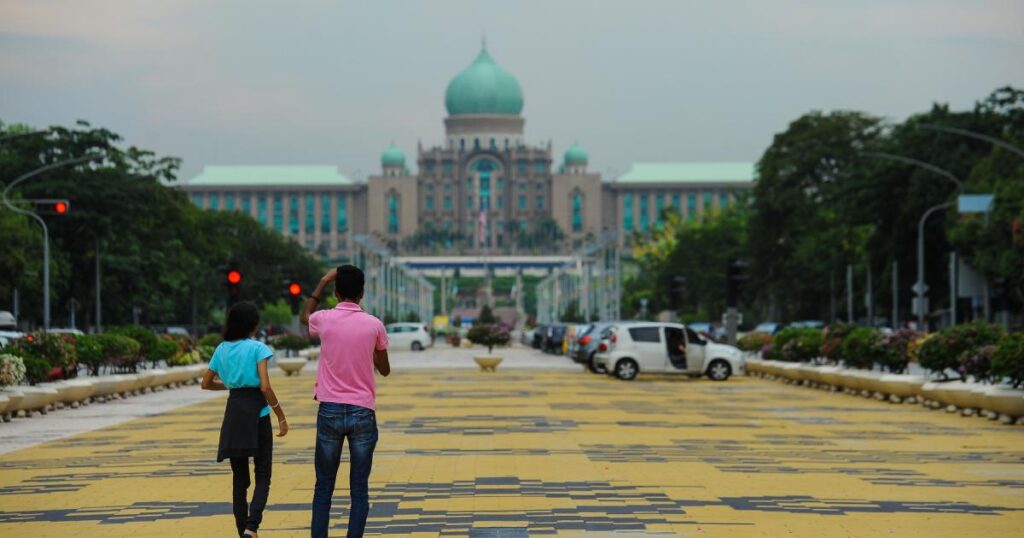
The announcement follows a wider push to manage energy amid global supply chain disruptions linked to the conflict in West Asia
Rising prices for coal and natural gas, essential imports for Malaysia's electricity generation, have put pressure on energy costs.
Just a day earlier, Prime Minister Datuk Seri Anwar Ibrahim announced that federal ministries and GLCs would implement work-from-home policies starting 15 April, alongside adjustments to fuel subsidies and other cost-saving measures.
What this means for workers
For civil servants, the impact is tangible: slightly warmer offices, the option for short sleeves or lighter attire, and a subtle shift in workplace culture.
While small on its own, the move signals a government-wide effort to reduce energy use without immediately passing costs on to the public.
For the average worker, it's a glimpse of how broader energy and fiscal pressures can affect day-to-day office life, starting with what's in your wardrobe and how cool your desk feels.
