


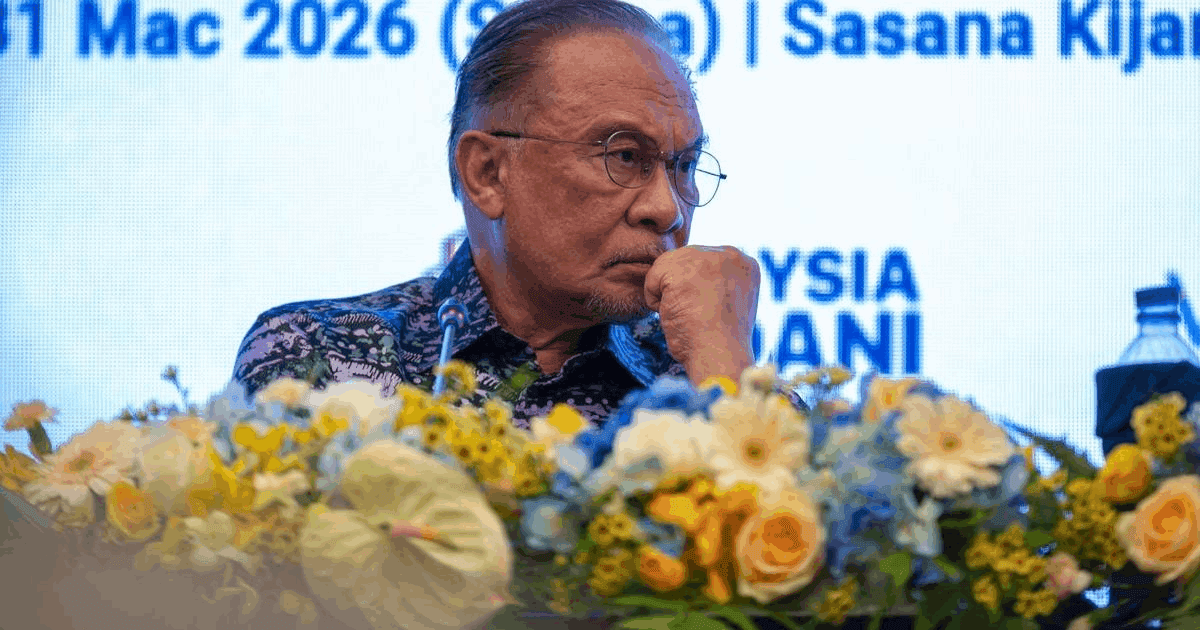
 Cover image via Anwar Ibrahim
Follow us on Instagram, TikTok, and WhatsApp for the latest stories and breaking news.
Malaysia will begin implementing work-from-home (WFH) arrangements for the public sector and government-linked companies (GLCs) starting 15 April, as Putrajaya moves to manage fuel consumption amid a worsening global energy crisis
Prime Minister Datuk Seri Anwar Ibrahim said the decision was made during a Cabinet meeting, framing it as a proactive step to ease pressure on the country's energy supply.
The directive comes as tensions involving Israel, the US, and Iran continue to disrupt global supply chains, driving up oil prices and forcing governments to respond.
While Malaysia has so far kept the subsidised RON95 petrol at RM1.99 per litre, Anwar made it clear that the situation is far from stable.
"Therefore, even if the situation eases slightly, it does not mean we can afford to be complacent. Any society, whether a family or a nation, that becomes too comfortable and takes matters lightly risks facing greater challenges.
"We must accept the reality that the situation is not as usual. If circumstances are worrying, then we must respond accordingly and adhere to our plans," he said.
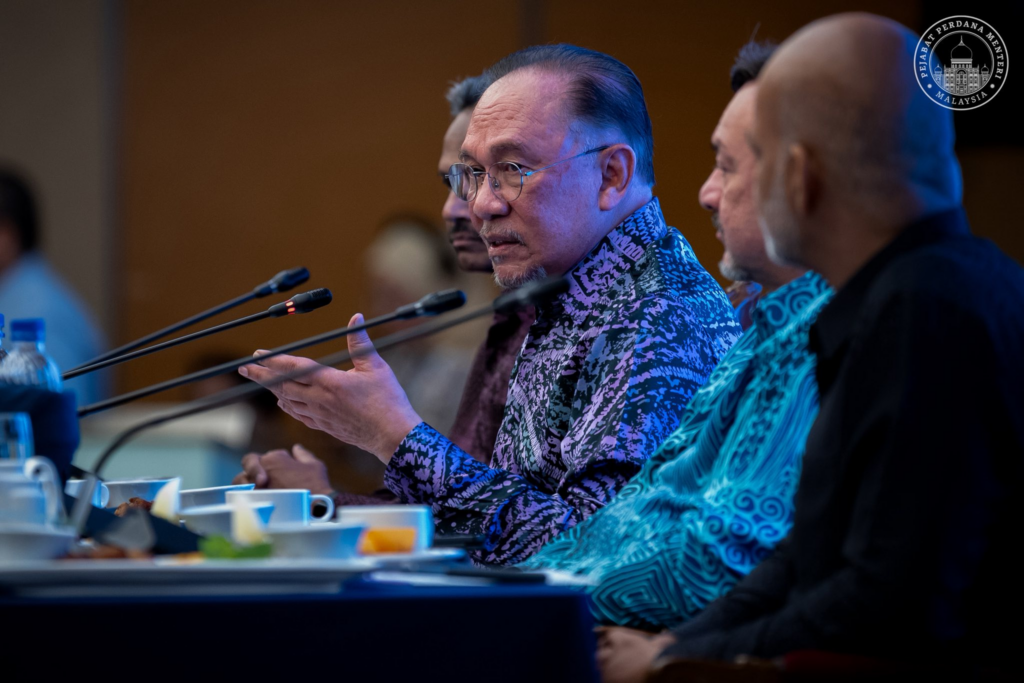
Anwar stressed that the current situation should not be treated as a temporary disruption, warning that conditions may worsen before they improve
"These are not ordinary times. We must adjust our lifestyle and our policies to protect the people and ensure the sustainability of our energy supply."
He also called on industry groups, workers, and businesses to submit proposals to help the government manage the situation, adding that engagement is ongoing through the Economic Action Council and Cabinet-level discussions.
The WFH directive is also aimed at reducing national energy consumption
Anwar said Putrajaya is also working to diversify Malaysia's oil and gas import sources, while relying on PETRONAS to maintain stable supply levels.
According to him, PETRONAS has assured that the country's oil and gas needs are secure at least until May, offering a short-term buffer amid ongoing global uncertainties.
At the same time, the government is already scaling back spending in other areas, including opting for a more modest Hari Raya Aidilfitri this year.
Anwar revealed that the government is currently spending about RM4 billion every month to absorb rising global oil prices, a figure he stressed is not sustainable indefinitely
"This is not a small matter. The government is providing an additional RM4 billion to help the people, but of course, our capacity is limited, and we must also look at the experiences of other countries."
The spending is part of the Inisiatif Sokongan Rakyat, aimed at cushioning households and businesses against sudden spikes in fuel prices.
At the same time, subsidy measures are being tightened.
The BUDI MADANI RON95 scheme has been adjusted to a 200-litre monthly quota, while stricter controls on subsidised diesel are now fully enforced in Sabah, Sarawak, and Labuan.
