


 Cover image via
 Follow us on Instagram, TikTok, and WhatsApp for the latest stories and breaking news.
Malaysians have been urged to stay vigilant and practise good hygiene amid a slight uptick in tuberculosis (TB) cases this year
While the Ministry of Health (MOH) says infection rates have remained relatively stable — hovering between 61 and 80 cases per 100,000 people since 2015 — recent figures show a modest rise.
From 1 January to 7 February alone, 2,571 cases have been reported, marking a 9.8% increase compared to the same period last year.
Taken together, this highlights that TB remains endemic in Malaysia — and that alone is reason to stay cautious.
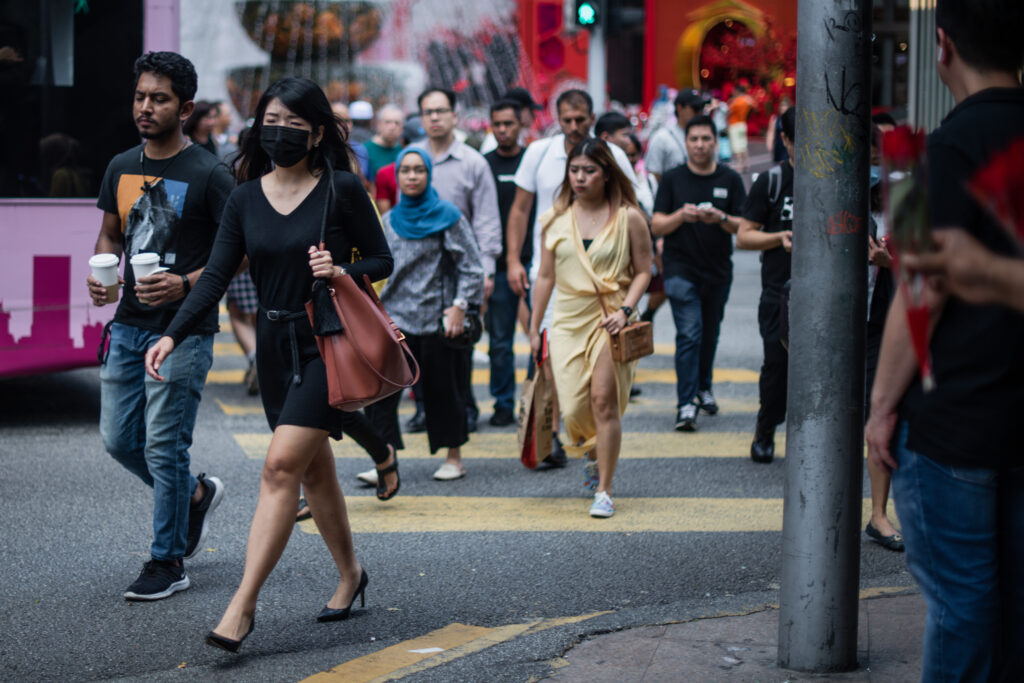
So, what exactly is tuberculosis?
Tuberculosis is a serious infectious disease caused by the bacterium Mycobacterium tuberculosis that primarily affects the lungs.
The disease spreads through the air when a person with active TB coughs, sneezes, or speaks, releasing tiny droplets that carry the bacteria. This makes it especially easy to transmit in crowded environments.
Common symptoms include:
– A persistent cough lasting more than three weeks (sometimes with blood)
– Chest pain
– Fever and night sweats
– Fatigue
– Unexplained weight loss
While anyone can get TB, these groups are more vulnerable:
– People with weakened immune systems (such as those with HIV, cancer, diabetes, or malnutrition)
– Children under 5 years old
– Individuals living in crowded or poorly ventilated conditions

Here's why tuberculosis can be so dangerous:
1. TB can infect other parts of the body, not just the lungs
Unlike many respiratory infections that typically remain in the airways (like influenza or the common cold), TB can infect other parts of the body.
While TB typically enters the body through the lungs, the bacteria can travel through the bloodstream or lymphatic system and infect other organs — a condition known as extrapulmonary tuberculosis.
Common sites of extrapulmonary tuberculosis are:
– Lymph nodes: TB lymphadenitis
– Brain and spinal cord: TB meningitis
– Bones and joints: Spinal TB, or Pott's disease
– Kidneys and genitals: Urogenital TB
– Heart: Pericardial TB
– Skin: Cutaneous TB
– Multiple organs: A severe form called miliary TB, where numerous small, millet-seed-like lesions form throughout the body.
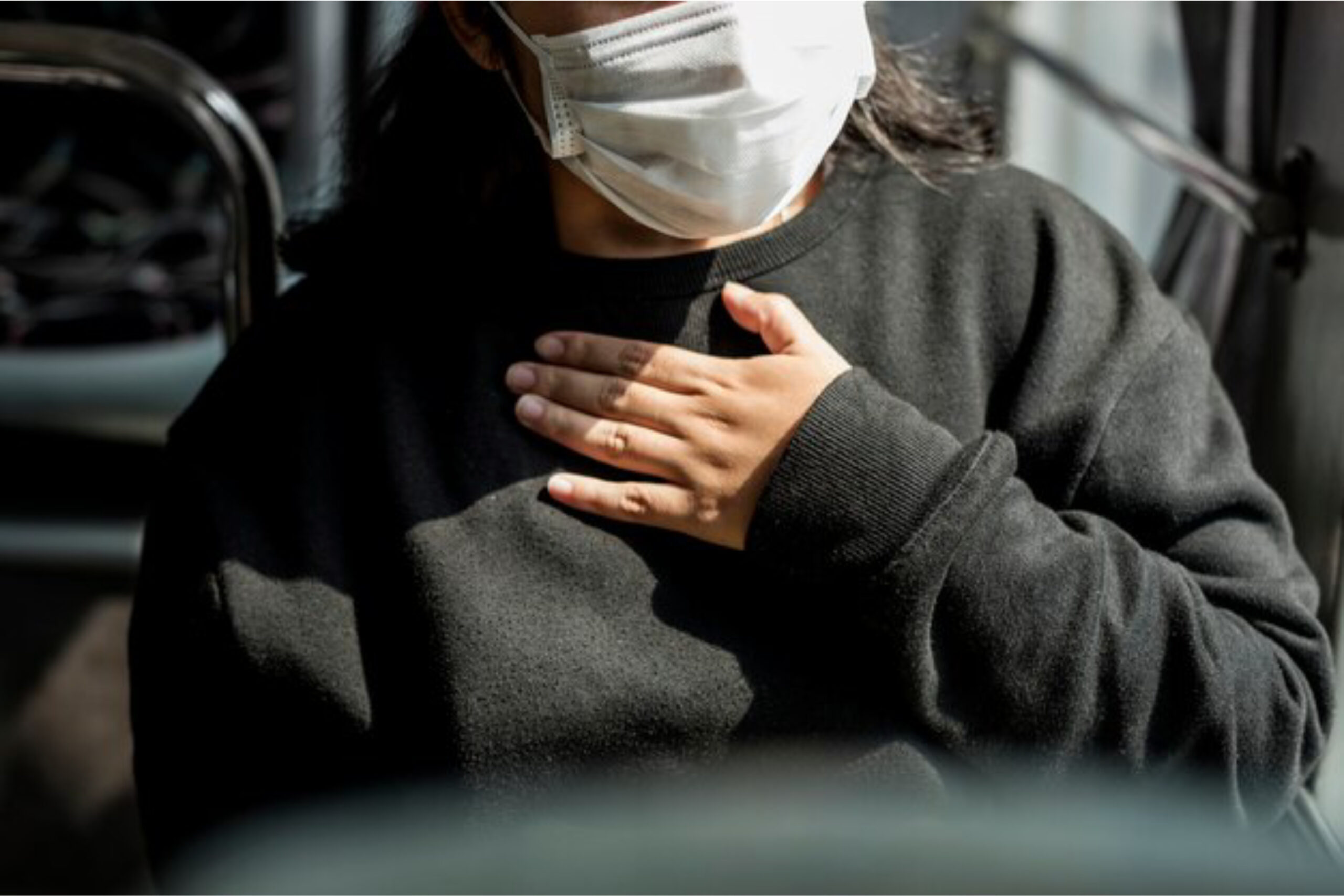
2. TB can remain inactive in the body
One of TB's most concerning traits is its ability to remain dormant, which is known as latent TB.
People with latent TB do not feel sick, do not have any symptoms, and cannot spread the disease to others. However, the bacteria can become active at any time, especially when their immune system is weak.
Globally, it is estimated that about one in four people have latent TB.
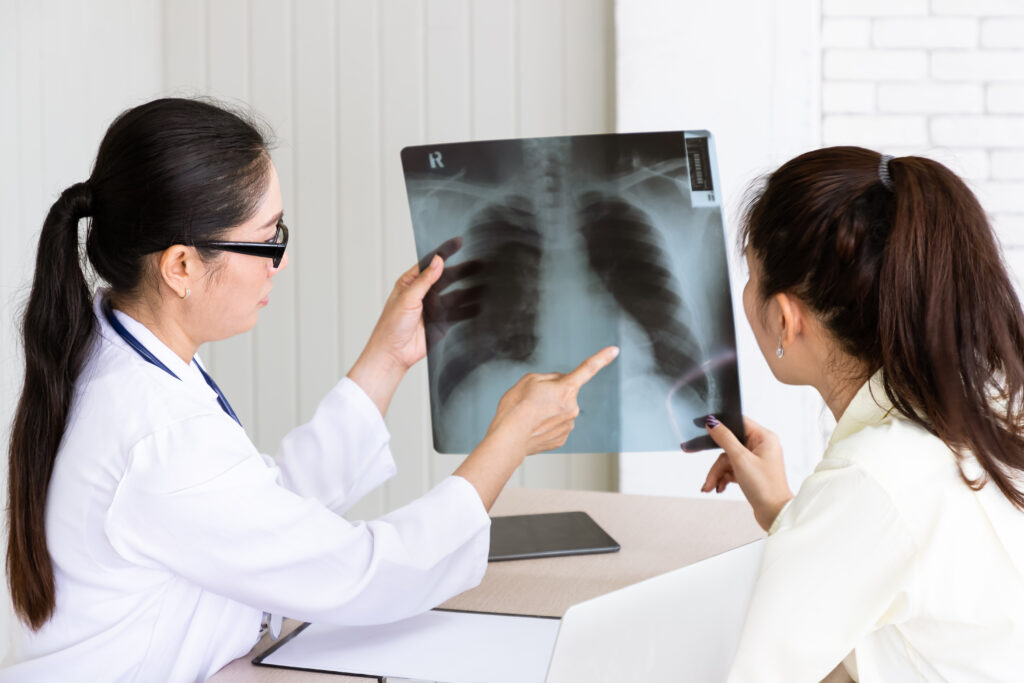
Although latent TB is not contagious, it is still important to detect and treat early before it develops into active disease. This is why proactive screening is crucial — it also explains why many workplaces in Malaysia require pre-employment medical check-ups that include TB screening, such as chest X-rays and skin tests.
3. TB can be fatal without treatment
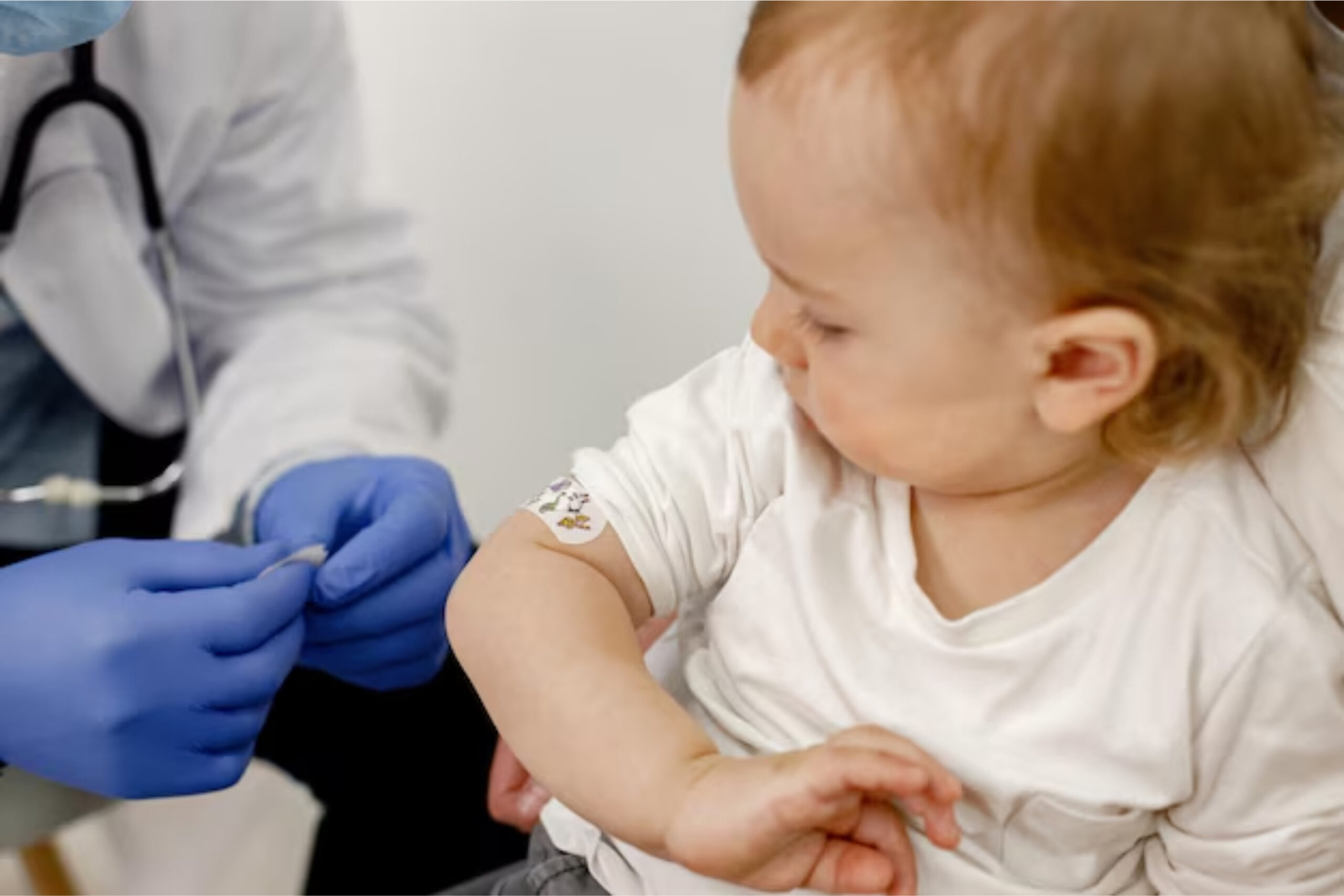
Tuberculosis can be deadly — which is why preventing infection and reducing its severity through vaccination remains a key part of Malaysia's National Immunisation Programme.
The Bacillus Calmette–Guérin (BCG) vaccine has been administered in Malaysia since 1961 and is given at birth. It leaves a small scar on the upper arm, which many Malaysians recognise as a sign of TB vaccination.
The vaccine is especially important for newborns, as it protects against the most severe forms of TB, including TB meningitis and miliary TB, which carry high mortality rates.
Commenting on recent cases, Health Minister Datuk Seri Dr Dzulkefly Ahmad said BCG vaccination coverage in Malaysia remains high at around 99%. However, he cautioned that the country is still far from eradicating TB and urged the public to remain vigilant.
4. TB treatment is lengthy, and not completing it can lead to drug-resistant TB
TB treatment typically involves a six to nine-month course of multiple antibiotics, including isoniazid, rifampicin, pyrazinamide, and ethambutol.
For the treatment to be effective, the medication must be taken daily without fail. In many countries, this is supported by a system called Directly Observed Therapy (DOT), where healthcare workers supervise patients taking each dose — sometimes requiring daily visits to a clinic.
This is because stopping treatment early can cause the bacteria to become resistant to available antibiotics. Known as drug-resistant TB, this form of the disease is much harder to treat and poses a serious public health threat.
Although Malaysia's TB situation is considered stable, it is still important to recognise it as a public health issue
Recent case increases and the existence of latent infections mean the disease can continue spreading if left unchecked.
Health experts emphasise that early detection is key to breaking the chain of transmission. This includes seeking medical attention if symptoms appear and undergoing screening when required.
At the same time, simple preventive measures still matter — maintaining good hygiene, staying healthy, avoiding smoking, and wearing a mask when necessary in crowded spaces.
TB may be preventable and curable, but it still requires consistent public awareness and responsibility.
The information provided is for educational and communication purposes only and it should not be construed as personal medical advice. Information published in this article is not intended to replace, supplant or augment a consultation with a health professional regarding the reader's own medical care.
Sources: World Health Organization, US Centers For Disease Control And Prevention, National Library of Medicine
