
Thailand’s 1,000-Baht Departure Levy Vs 1,120-Baht Airport Tax: What Actually Affects Malaysians
Thailand's proposed 1,000-baht (RM121) departure levy has sparked confusion online, but the charge that will actually affect Malaysians is a confirmed airport tax hike taking effect from 20 June.


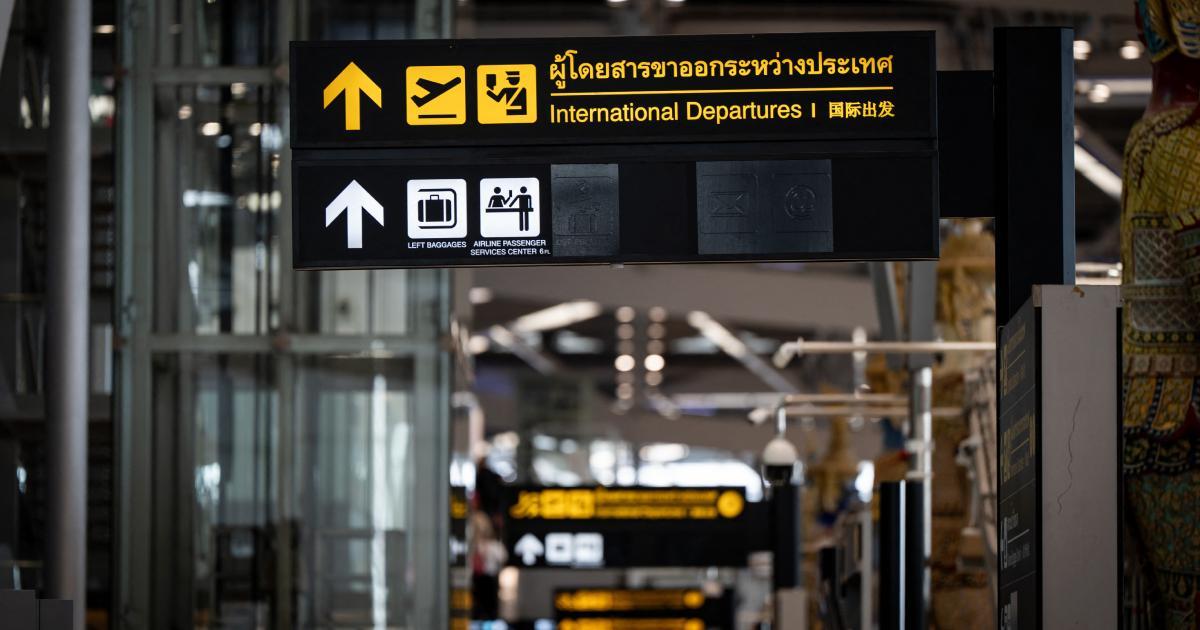 Cover image via Matt Hunt/Anadolu/AFP
Follow us on Instagram, TikTok, and WhatsApp for the latest stories and breaking news.
Malaysians travelling to Thailand may soon notice more expensive flight tickets, following confirmation that the country will increase its international airport passenger charges from 20 June
The announcement has also sparked confusion online, with many people mistakenly believing that Malaysians will soon need to pay Thailand's proposed 1,000 baht (around RM121) "exit tax" or departure levy.
In reality, the widely discussed departure levy and the newly confirmed airport tax hike are two completely different charges.
And for Malaysians, only one will apply.
Thailand's proposed 1,000-baht departure levy is aimed at Thai citizens travelling overseas and does not apply to foreign tourists, including Malaysians.
However, Thailand's Airports of Thailand Plc (AOT) has officially confirmed a separate increase to its international Passenger Service Charge (PSC), commonly referred to as airport tax.
Starting 20 June, the fee will rise from 730 baht (around RM89) to 1,120 baht (around RM135) for passengers departing on international flights.
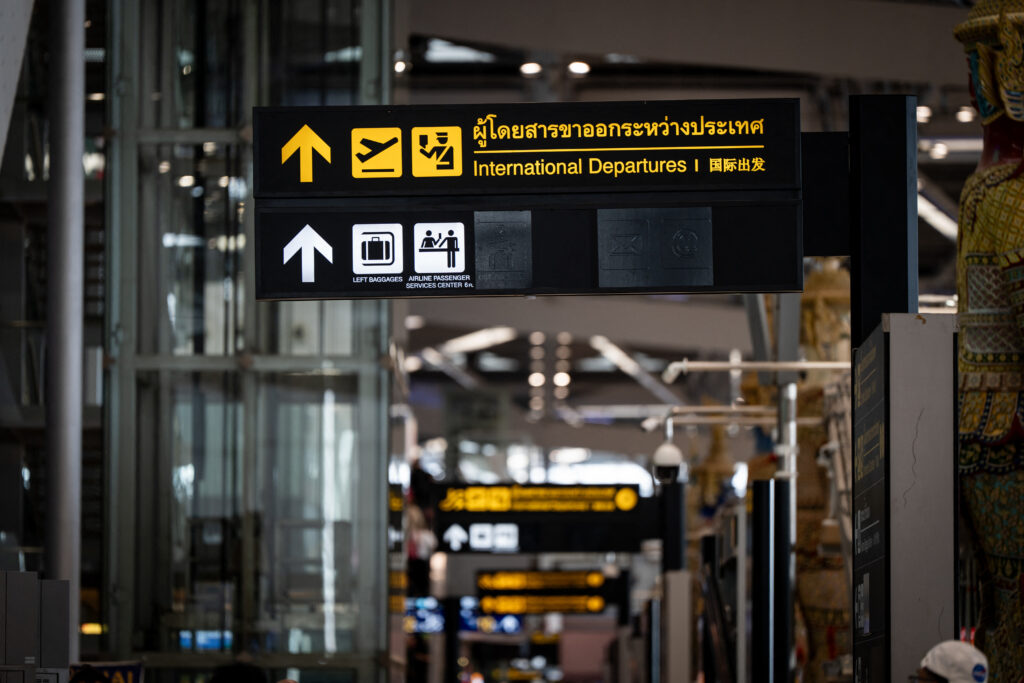
International departures signs at Suvarnabhumi Airport in Bangkok, Thailand.
Image via Matt Hunt/Anadolu/AFPThe higher charge will apply at six major airports managed by AOT:
- Suvarnabhumi Airport
- Don Mueang Airport
- Phuket International Airport
- Chiang Mai International Airport
- Mae Fah Luang Chiang Rai Airport
- Hat Yai International Airport
For Malaysians, this means flight tickets departing Thailand are expected to become roughly RM50 more expensive per person.
Travellers will not need to pay the fee separately at airport counters, as the charge is automatically included in airfare pricing by airlines.
The increase is expected to hit budget travellers the hardest, especially Malaysians who frequently take short-haul trips to Bangkok, Phuket, or Hat Yai using low-cost carriers.
For cheaper regional flights, an extra RM50 can significantly raise the overall ticket price compared to long-haul travel.
However, the airport tax hike currently affects only air travellers
Malaysians entering or leaving Thailand via land crossings such as Bukit Kayu Hitam or Padang Besar are generally unaffected by this specific fee increase, unless they later depart Thailand on an international flight.
Domestic flights within Thailand are also not impacted, with the domestic PSC remaining unchanged at 130 baht (around RM17).
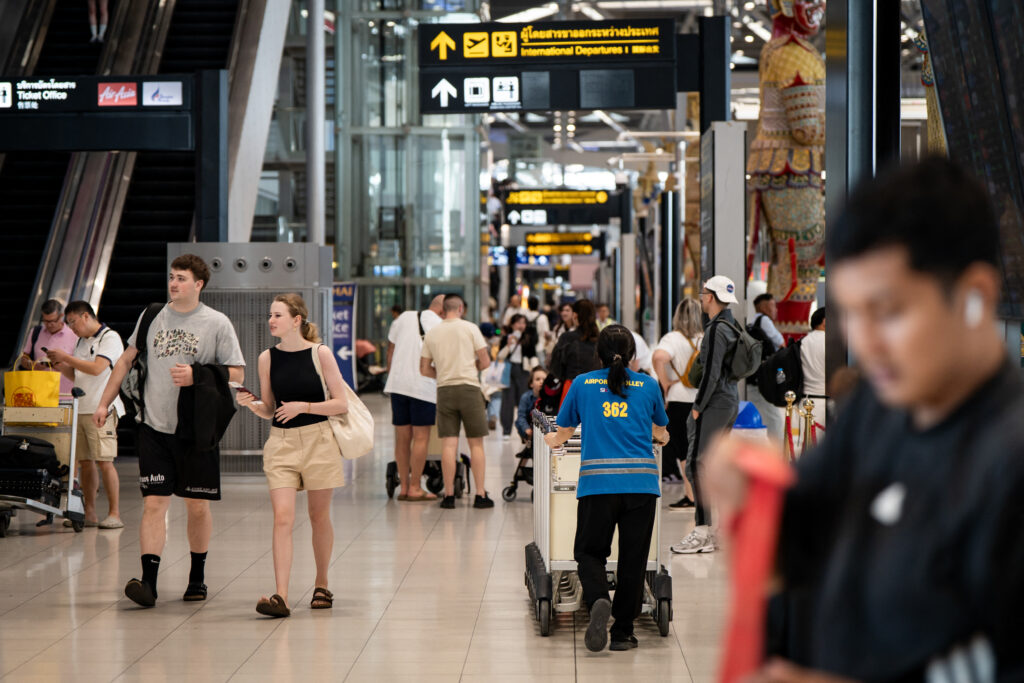
People pass through the main terminal at Suvarnabhumi Airport in Bangkok, Thailand.
Image via Matt Hunt/Anadolu/AFPWhy Thailand is introducing the new charges
According to AOT president Paweena Jariyathitipong, the additional revenue generated from the higher charges will be used to improve airport infrastructure, expand passenger terminals, upgrade safety systems, and introduce more automated passenger processing technology.
Among the projects highlighted are the expansion of Suvarnabhumi Airport's South Terminal and the rollout of Common Use Passenger Processing Systems (CUPPS), which authorities say could help reduce long immigration queues.
Still, the move has drawn criticism in Thailand, with transport experts and tourism groups questioning whether passengers will receive service improvements that justify the higher fees.
Former Bangkok deputy governor Samart Ratchapolsitte argued that Thailand's airport charges could soon exceed those at major regional airports such as Japan's Haneda Airport and South Korea's Incheon Airport, despite differences in service quality and international rankings.
At the same time, Thailand's proposed 1,000-baht departure levy on Thai citizens continues to face pushback from tourism industry groups.
The country's Tourism and Sports Minister Surasak Phancharoenworakul said the government is considering reviving the departure levy under provisions allowed by Thailand's 1983 Emergency Decree on Departure Levy.
The ministry estimates the measure could generate up to 10 billion baht annually from roughly 10 million outbound Thai travellers each year.
Officials said the funds would be used to support domestic tourism stimulus programmes for Thai citizens.
However, the Thai Travel Agents Association (TTAA) has strongly opposed the proposal, warning that additional travel-related costs could hurt tourism demand during an ongoing cost-of-living squeeze.
Industry groups also questioned how the levy would be implemented and whether the revenue distribution process would be transparent.
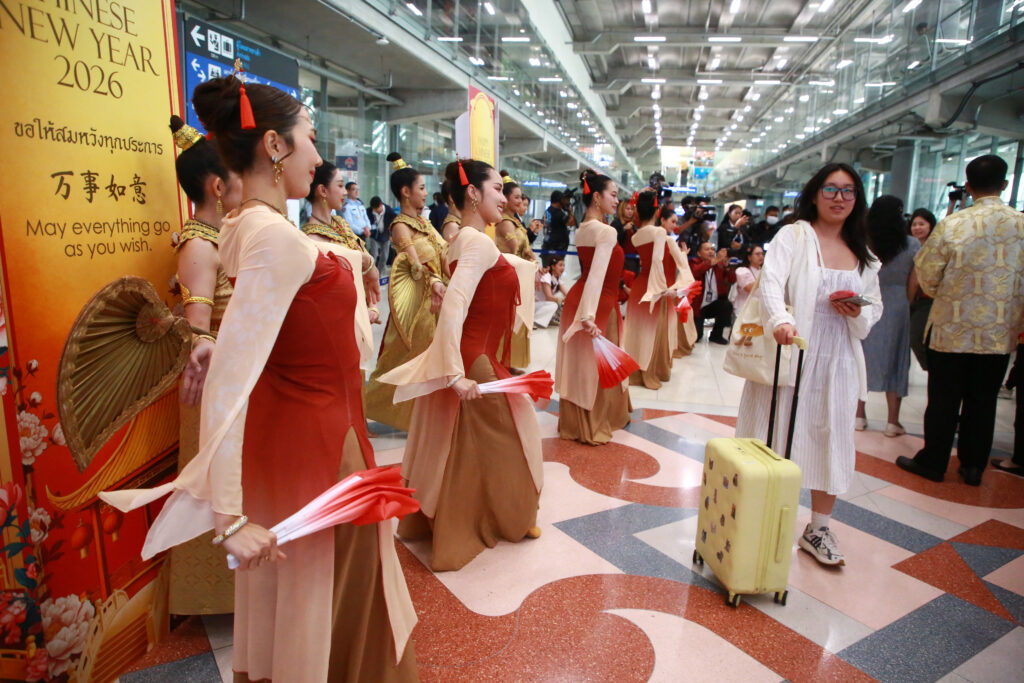
Visitors are greeted by performers at Suvarnabhumi airport in Thailand's Samut Prakan province.
Image via Somchai Poomlard/Bangkok Post/AFPSeparately, Thailand is also planning to introduce a 300-baht (around RM37) tourism fee for foreign arrivals later in 2026, although the measure has already been delayed several times
Unlike the airport tax hike, the proposed tourism fee would apply when entering Thailand rather than departing from it.
For now, the main takeaway for Malaysians is relatively straightforward.
The proposed 1,000-baht "exit tax" currently being debated in Thailand does not apply to Malaysian tourists.
What will affect Malaysian travellers almost immediately, however, is the confirmed airport passenger charge increase taking effect from 20 June, which is expected to push up airfare prices for international departures from Thailand.
Travellers planning trips after that date may also want to book flights earlier where possible, as airline taxes are often determined based on when tickets are issued rather than travel dates, depending on airline policy.
TL;DR
How This Affects Malaysians
- ✅ The 1,000-baht "Exit Tax" is NOT for you. This widely discussed levy is intended only for Thai citizens to encourage domestic spending. As a Malaysian traveller, you are exempt.
- ⚠️ Your flight tickets will cost roughly RM50 more. Starting 20 June 2026, the international Passenger Service Charge (PSC) rises to 1,120 baht (~RM135.50), up from the current 730 baht.
- 💸 No physical payment needed at the airport. You don't need to pay this fee at a counter; it is automatically included in the final price of your airline ticket when you book.
- 🚗 Land travel remains unaffected. This specific fee hike only applies to international flights departing from Thailand's six main airports (Suvarnabhumi, Don Mueang, Phuket, Chiang Mai, Chiang Rai, and Hat Yai).
