 Cover image via
 Follow us on Instagram, TikTok, and WhatsApp for the latest stories and breaking news.
Ah, PMS. Those infamous few days each month that some swear make them a little… extra.
Your thoughts, your cravings, your emotions. Even your bra feels like it has beef with you.
But is it real, or just a convenient excuse for chocolate binges and mood swings?
Short answer: yes, it's real. And science backs it up.
But before we get into that, here's a quick explanation if you're not familiar.
PMS stands for premenstrual syndrome, and it's a collection of physical, emotional, and behavioural symptoms that occur in the luteal phase of your menstrual cycle (usually one to two weeks before your period).
According to medical experts, up to 75% of menstruating people experience some form of PMS at some point in their lives, though the intensity varies widely
About 20% to 30% experience symptoms that interfere with daily life.
So, no, it's not just a "you" thing. It's a most-of-us thing.
But PMS doesn't just mean being "moody".
Emotional symptoms can include:
– irritability
– anxiety
– sadness
– sudden tearfulness
These mood shifts are linked to changes in hormone levels, particularly estrogen and progesterone, which fluctuate right before menstruation.
These hormonal changes can affect neurotransmitters in the brain, especially serotonin, which is linked to mood regulation. This is why some people experience mood swings, irritability, or low mood.
And if you're wondering why you're randomly crying more than usual before or during your period, this might explain why.

Physical symptoms can range from bloating, breast tenderness, and headaches, to fatigue, food cravings, and trouble sleeping
Some people even notice digestive changes or mild swelling, making those pre-period days feel like a full-on bodily takeover.
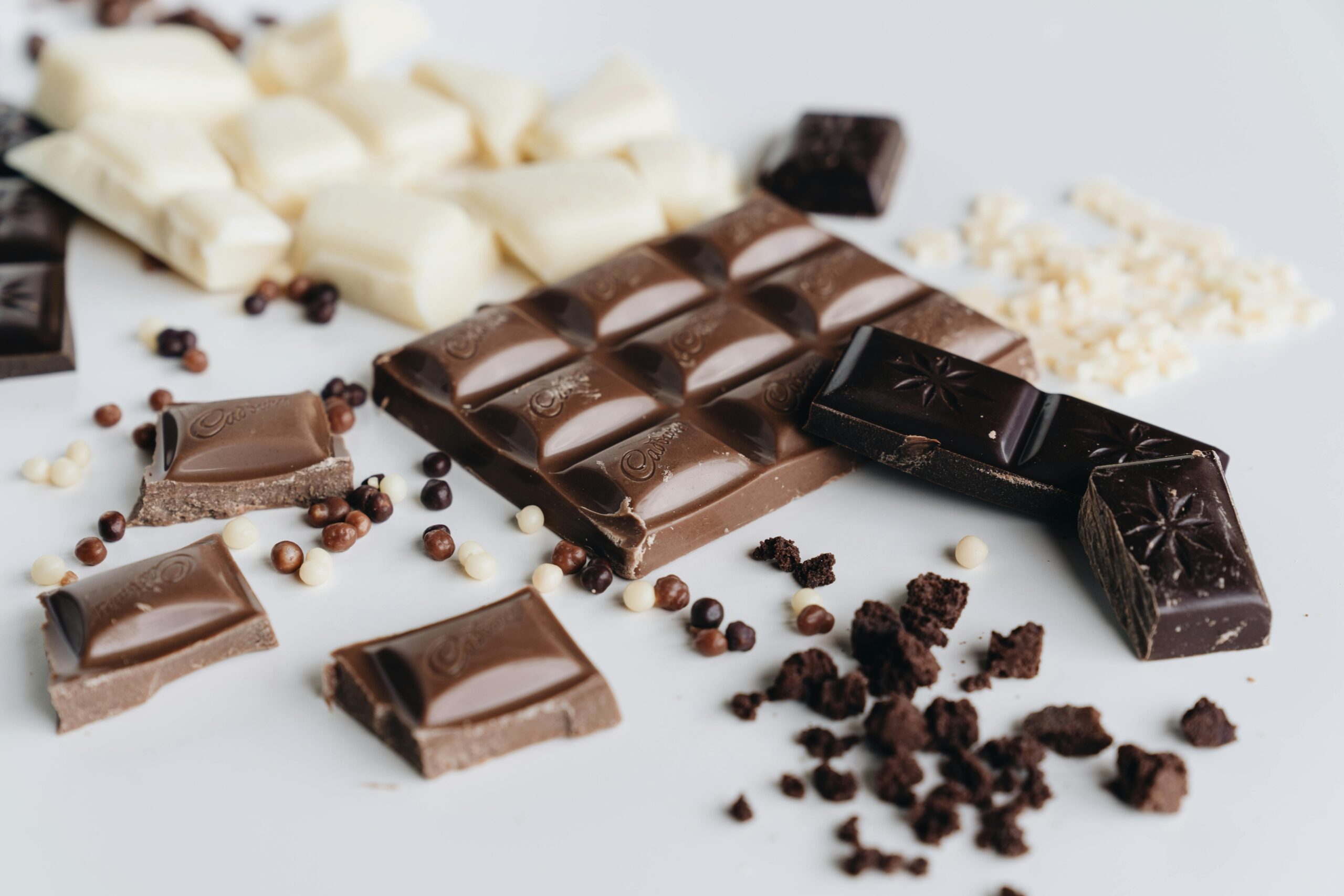
Ever found yourself craving something super specific right before your period? Chocolate. Chips. Carbs. More carbs.
That's also PMS.
Changes in energy levels, concentration, and sleep patterns are also common. In more severe cases, a person might experience PMDD (premenstrual dysphoric disorder), which is like PMS on steroids: intense mood swings, depression, and anxiety that can affect daily life.

Managing PMS usually involves a mix of self-care, lifestyle tweaks, and sometimes medication
Exercise, a balanced diet, stress reduction, and tracking your cycle can all help ease symptoms. For those with severe PMDD, doctors might recommend hormonal treatments or therapy.
The takeaway? PMS is not just a myth, nor is it a universal experience.
It's a real, biological phenomenon, and understanding it can help you, or the people around you, navigate those pre-period days with a little more empathy.
For some, it's mild and manageable. For others, it's intense and disruptive.
Either way, it deserves a bit more understanding than a dismissive "eh, it's just PMS".

The information provided is for educational and communication purposes only and it should not be construed as personal medical advice. Information published in this article is not intended to replace, supplant or augment a consultation with a health professional regarding the reader's own medical care.
Sources: Mayo Clinic, National Institute of Health, Cleveland Clinic
Let's normalise conversations around women's health through education, community, and action
Click here to Just Flow With It.