 Cover image via
Follow us on Instagram, TikTok, and WhatsApp for the latest stories and breaking news.
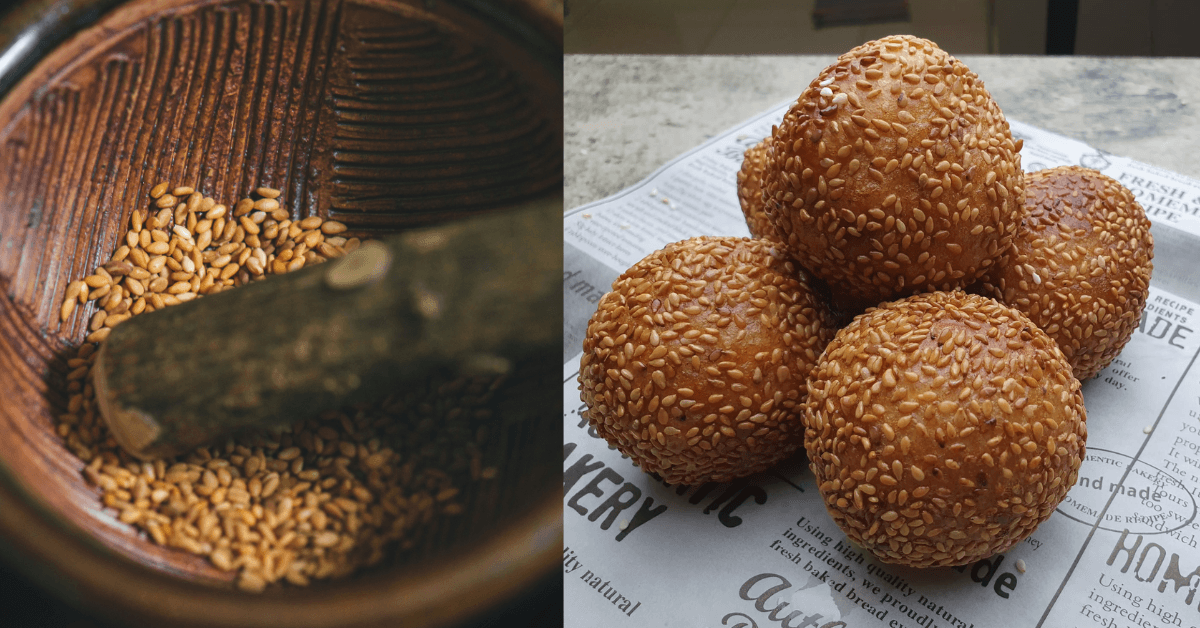
We see them all the time on burger buns, salads, fried fritters, and sushi.
But where do sesame seeds actually come from?
News flash: they're not from trees or nuts.
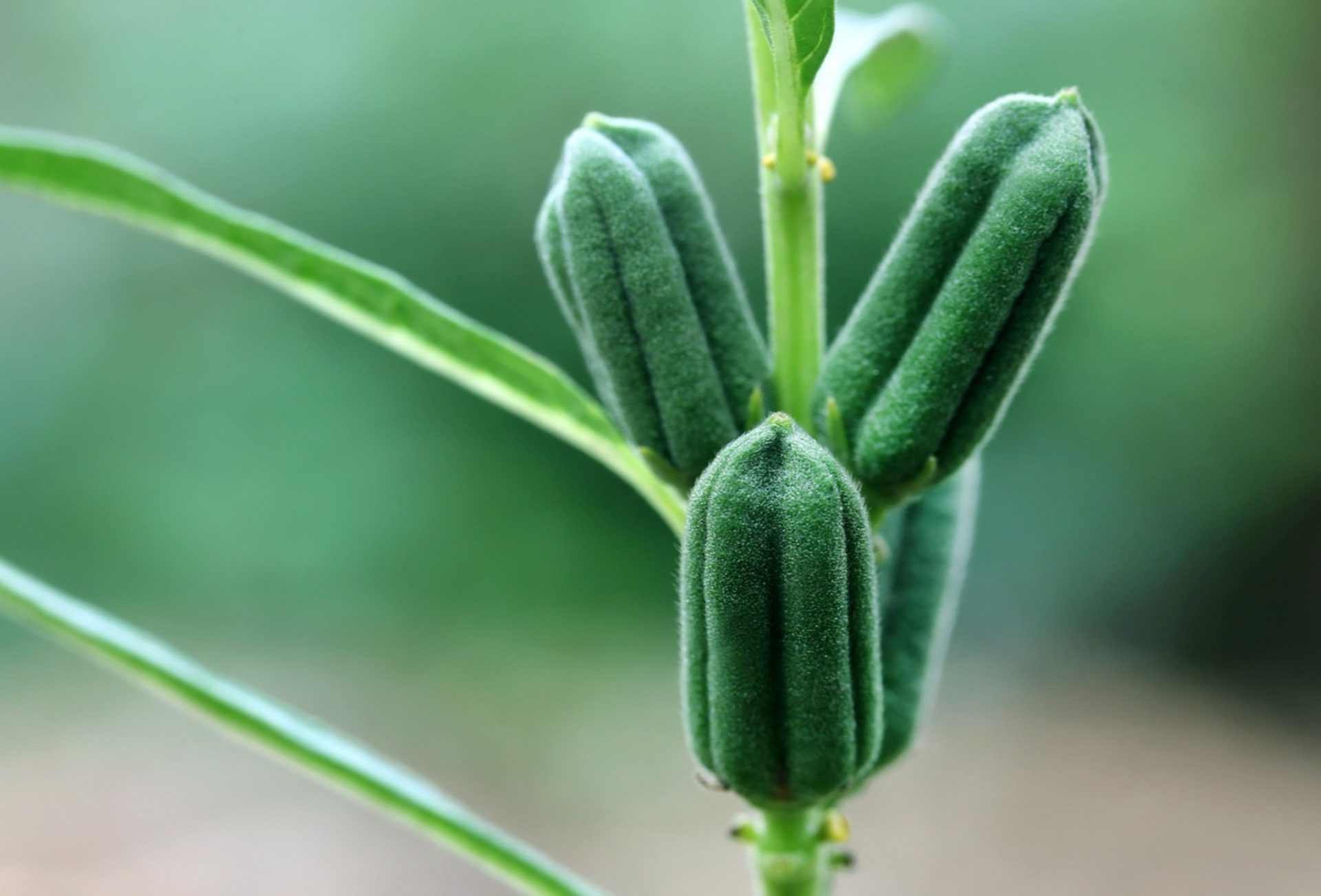
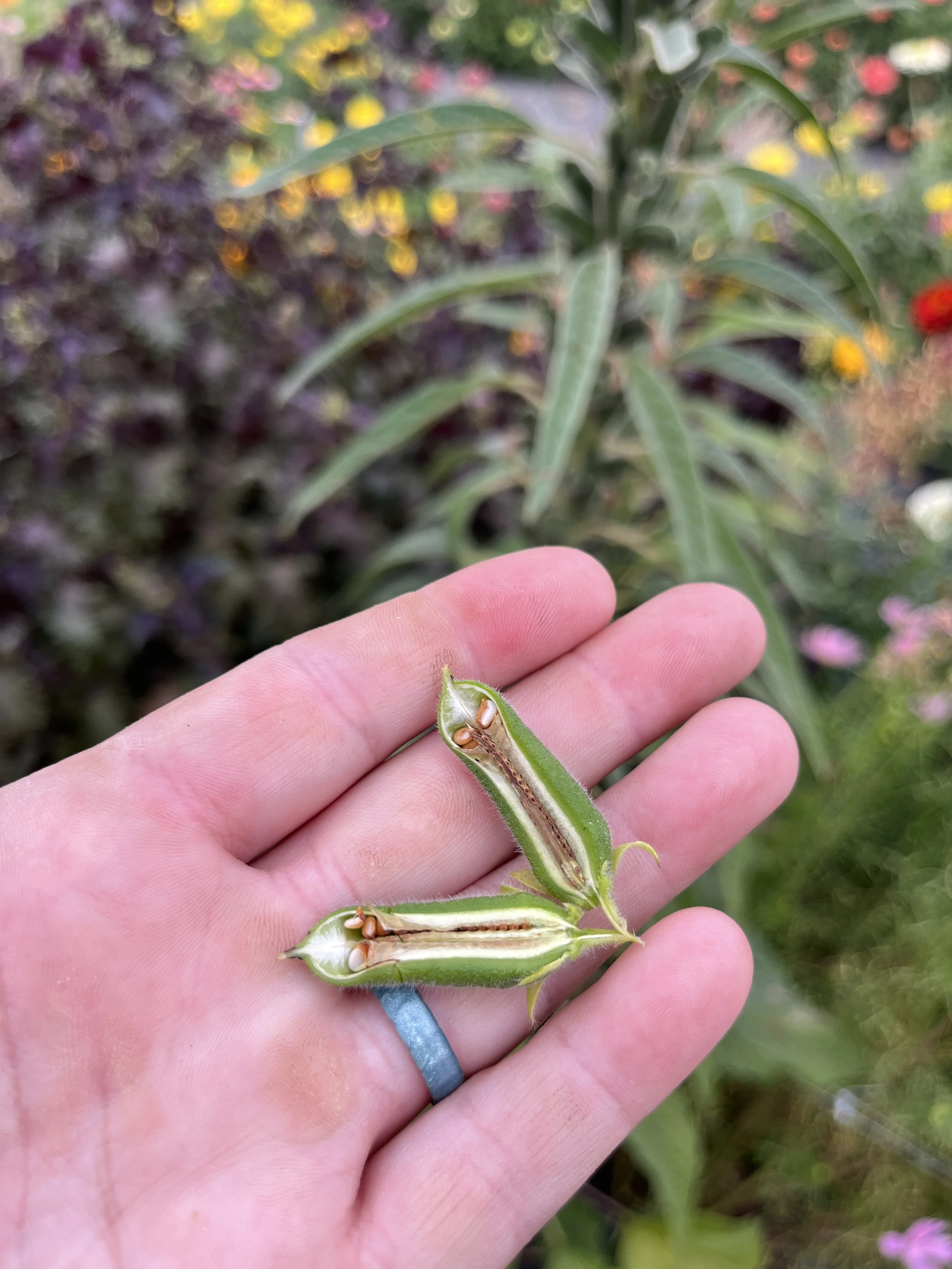
In the wild, sesame seeds actually grow inside neat little pods that kinda look like okra
Like this:
The sesame plant (Sesamum indicum) is a hardy crop that thrives in warm, dry climates, such as in parts of Africa, India, and Myanmar.
It's also grown in smaller amounts across Southeast Asia, including Malaysia.
Here's a video of a sesame plant:
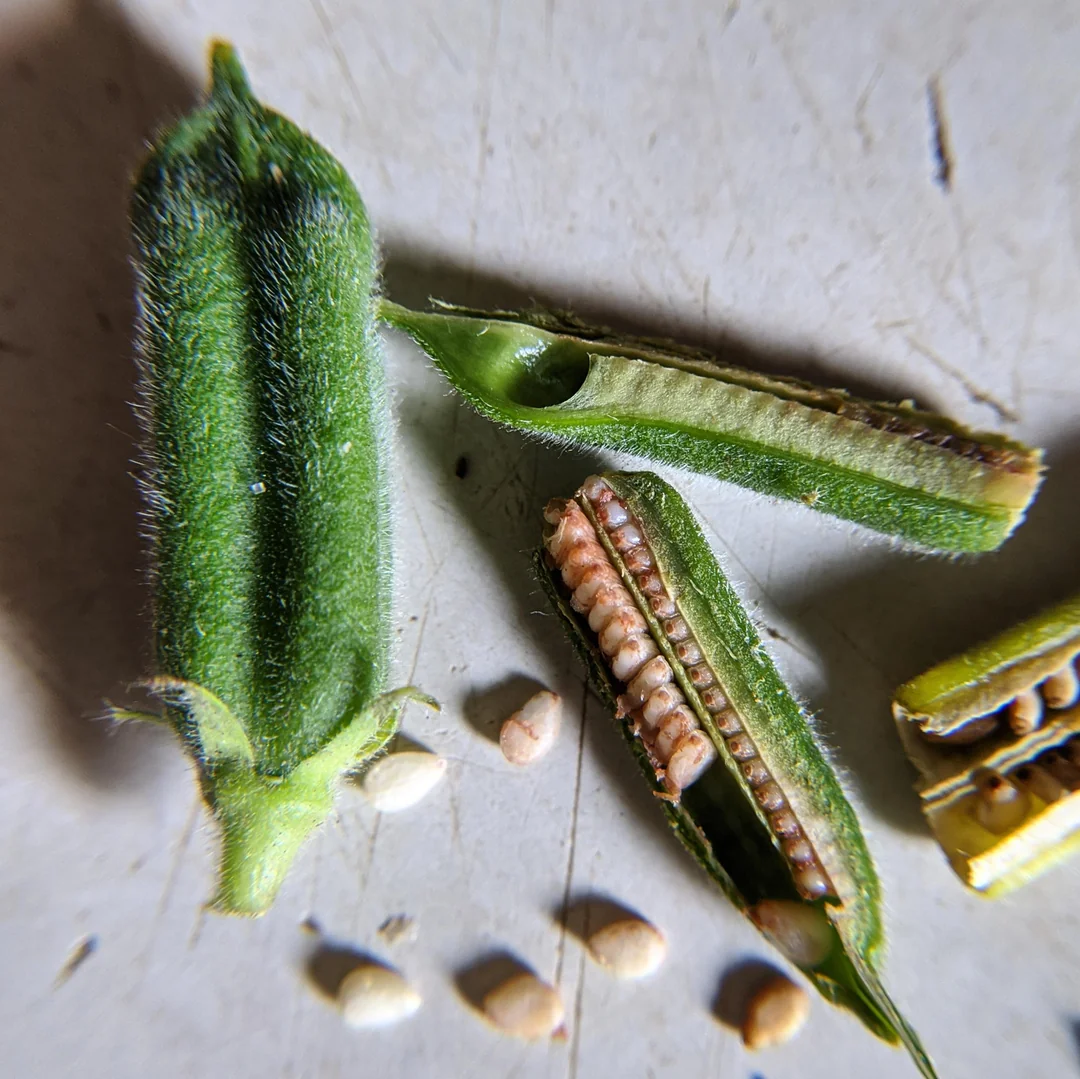
Each pod holds rows of tiny, tear-shaped seeds that range in colour from creamy white to golden brown or even black, depending on the variety
When ripe, the pods dry up and burst open, scattering seeds everywhere.
Fun fact: Some say that's where the phrase "Open sesame!" comes from. It's a nod to how the pods literally pop open on their own.
The harvesting process is surprisingly delicate
Farmers usually wait for the leaves to turn yellow and fall off before cutting the stalks. The pods are then bundled and left to dry, so they can naturally release their seeds.
Most small-scale farmers still do this by hand, which is one reason why sesame oil tends to cost more than other cooking oils. It takes time, care, and a lot of manual labour.
Of course, some modern farms now use machines to speed up the process, but the traditional way is still very much alive.