


 Cover image via
Follow us on Instagram, TikTok, and WhatsApp for the latest stories and breaking news.
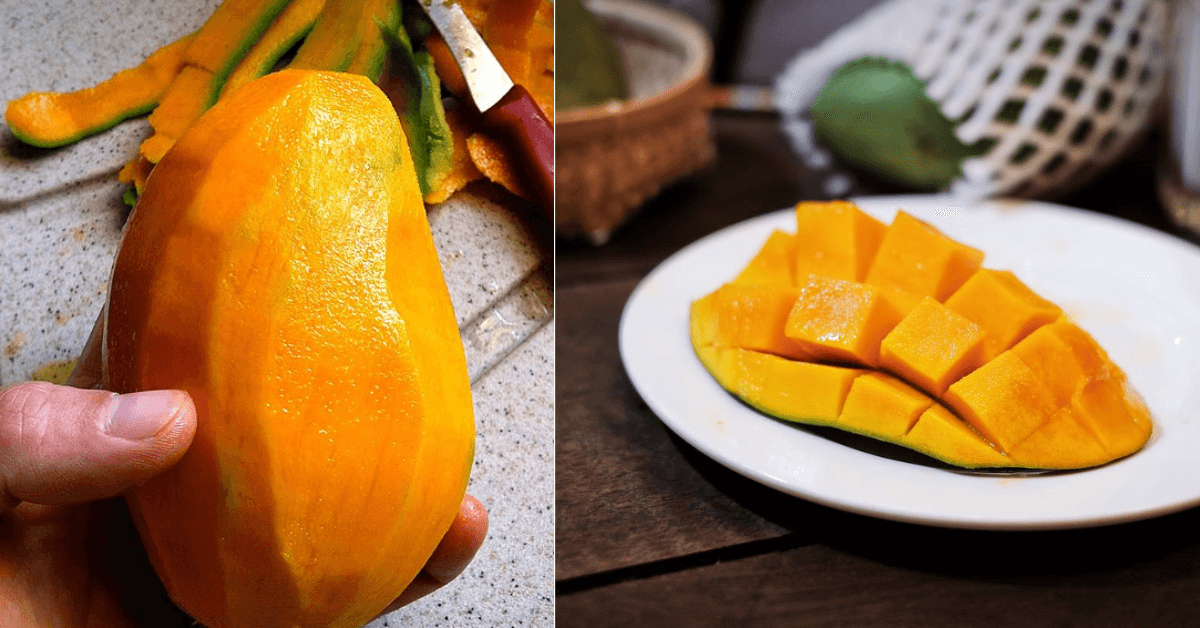
Perlis may be Malaysia's smallest state, but it's home to something truly besar: the legendary Harumanis mango

It's the only mango in Malaysia that can legally spark a multimillion-ringgit lawsuit.
Also known by its scientific name 'Mangifera indica', the Harumanis Perlis is the pride and joy of the state, and for good reason.
Often dubbed the 'King of Mangoes', it's famous for its rich aroma, silky texture, and intense natural sweetness that's so unique, it's hard to replicate elsewhere
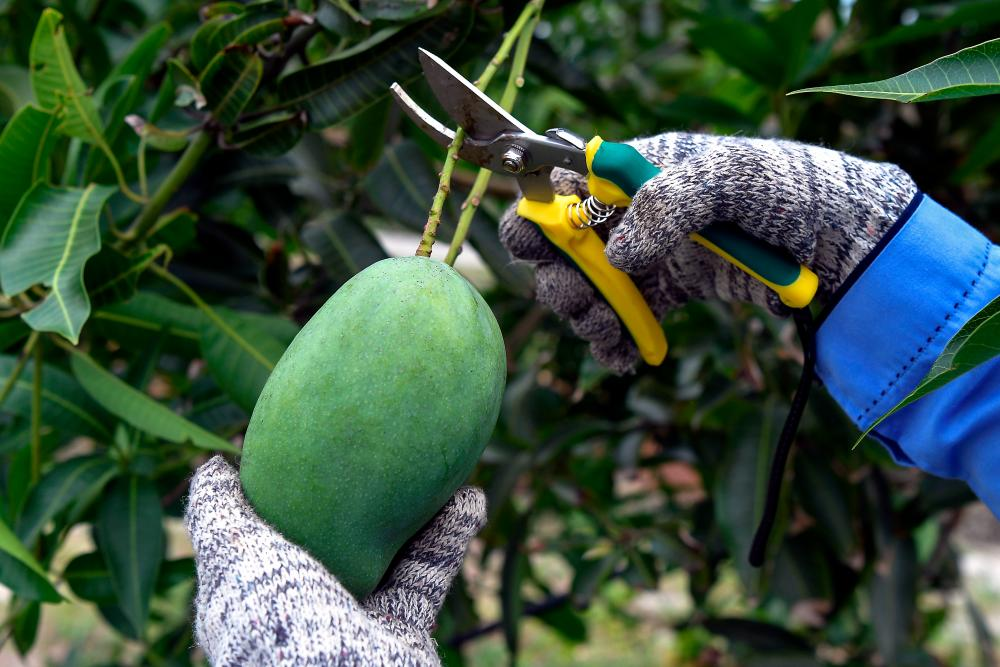
What makes Harumanis so special? The secret lies in Perlis itself.
The state's distinctive soil, temperature, and wind patterns create the perfect conditions for the fruit to thrive.
According to the New Straits Times, local farmers say it's the blend of hot, dry weather and just the right amount of rain that gives the Harumanis its signature flavour and fragrance — "harum" (fragrant) and "manis" (sweet).
And while you can technically plant Harumanis trees elsewhere, don't expect them to bear the same luscious fruits.
"They might grow, but the quality just won't be the same," one farmer said.
That said, some farmers in Kedah may beg to differ, claiming that their fruits taste almost identical to Perlis' prized versions.
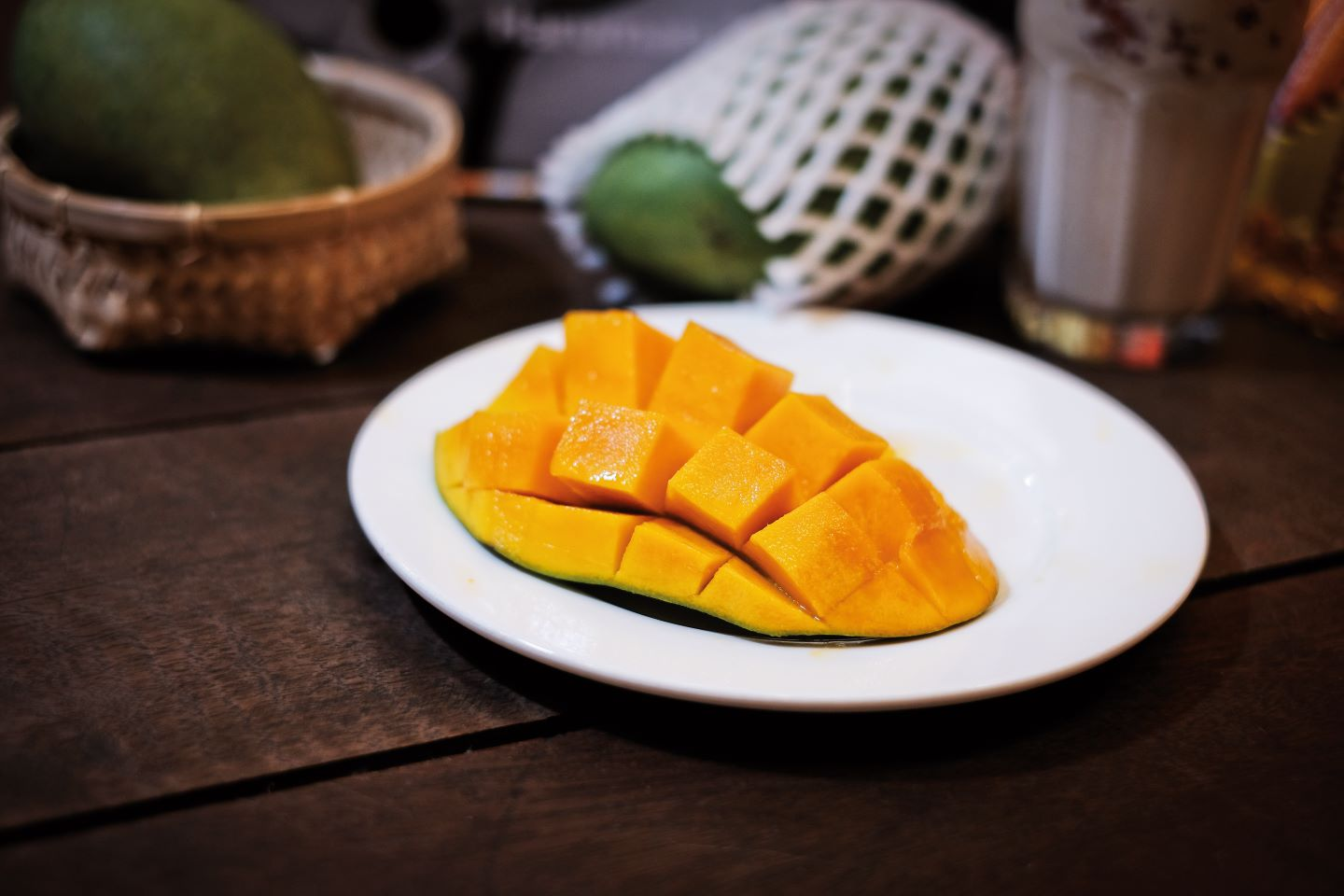
The Harumanis industry in Perlis is no small deal. It's estimated to be worth around RM70 million.
Each year, the mangoes attract buyers and tourists from across Asia.
Back in 2013, these mangoes even made their way to Japan, where it sold for a whopping RM70 per fruit.
Locally, prices can range anywhere between RM16 to RM40 per kg, depending on the grade.
Farmers take pride in cultivating them with meticulous care, from wrapping each fruit by hand to ward off pests (and cheeky monkeys) to using organic fertilisers for that extra-sweet payoff.
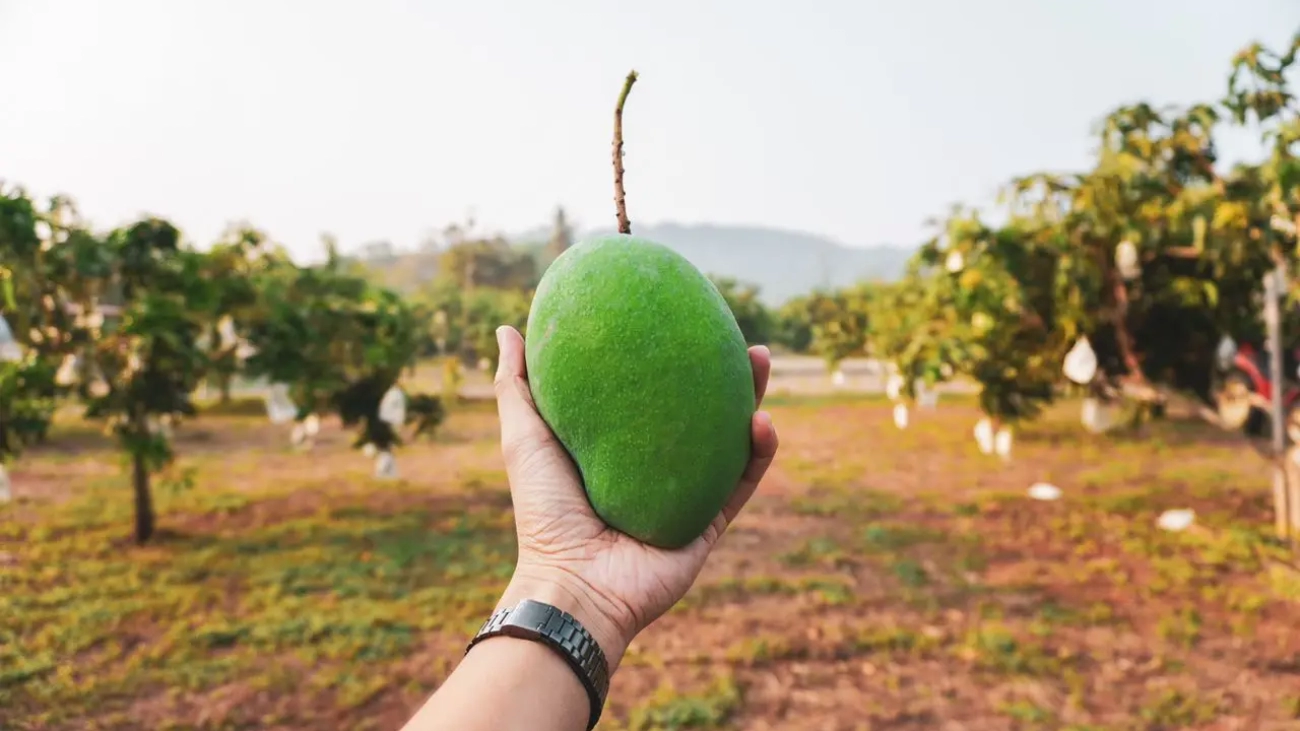
Interestingly, Harumanis mangoes don't change colour when they ripen. Their skin usually stays green even when the flesh inside is perfectly golden and juicy.
The best way to tell if they're ready is by giving them a sniff. If you catch a strong, sweet aroma and the fruit feels supple with a slight softness, that's your cue they're ripe and ready to enjoy.
Here's the thing: not just anyone can call their mangoes 'Harumanis'
Since 2011, the name Harumanis Perlis has been officially registered under Malaysia's Geographical Indications Act. That means only mangoes grown in Perlis can carry the name.
So, if a farmer in Kedah, Kelantan, or anywhere else tries to label their mangoes as "Harumanis Perlis", they could actually face legal action.
It's that serious, kind of like how champagne can only come from Champagne, France.
The Harumanis season happens only once a year, usually between April and June
The Perlis Agriculture Department targets over 2,000 metric tonnes of mangoes each year, with some farmers tripling their yields thanks to the state's ideal climate.
But despite their short season, the hype around Harumanis continues to grow.
You can now even order them online and these golden treasures will be delivered straight from Perlis to your doorstep.

