


 Cover image via Samsung / YouTube
Follow us on Instagram, TikTok, and WhatsApp for the latest stories and breaking news.
Samsung has officially entered the mixed reality space with the launch of its Galaxy XR, a sleek headset designed to merge the digital and physical worlds
Unveiled on 21 October 2025, the device marks Samsung's first major foray into extended reality, a category that fuses virtual reality (VR) and augmented reality (AR) into a single immersive experience.
Developed in partnership with Google and Qualcomm, the Galaxy XR is built to power what Samsung calls the 'mobile AI + XR era'.
It runs on the new Android XR platform, designed by Google specifically for spatial computing devices, and uses Qualcomm's Snapdragon XR2+ Gen 2 chip — a processor optimised for high-resolution displays and spatial awareness.
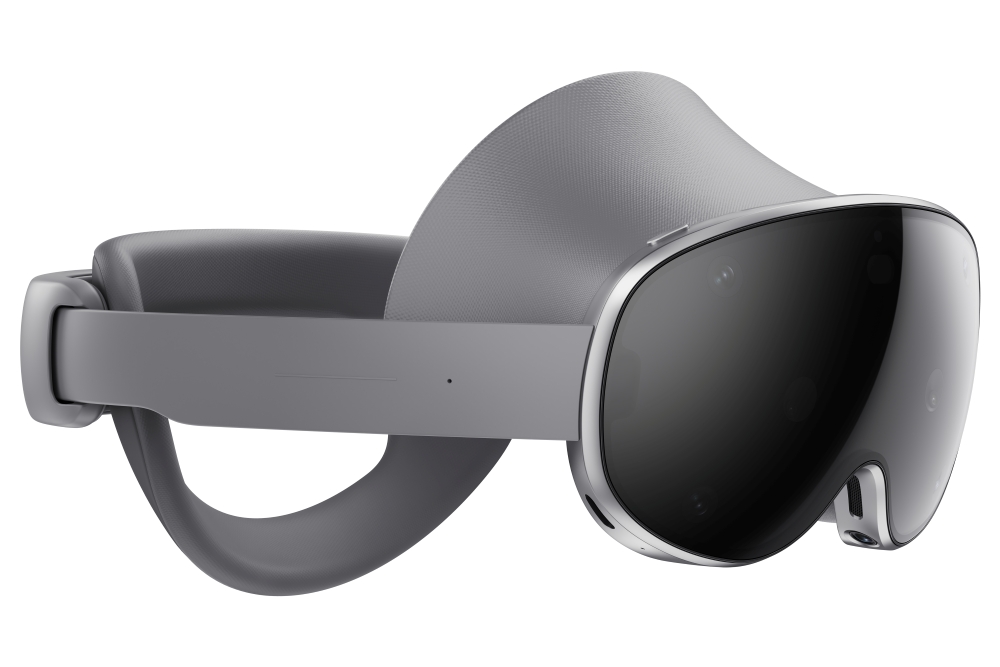
The Galaxy XR is a standalone headset with 3,552 × 3,840-pixel micro-OLED displays per eye, totalling roughly 27 to 29 million pixels across both lenses
That's one of the sharpest visual experiences available in any headset today. The display refreshes at up to 90Hz, offering smooth motion and a wide field of view of around 109°.
Under the hood, it's equipped with 16GB of RAM and 256GB of storage.
Multiple sensors — including six tracking cameras, two pass-through cameras, four eye-tracking cameras, and a depth sensor — allow for natural hand, eye, and environmental tracking.
The result is a more intuitive way to interact with virtual elements that appear in your real surroundings.
For audio, Samsung has fitted dual woofer-and-tweeter speakers with Dolby Atmos support and a six-microphone array for beamforming and clearer voice capture.
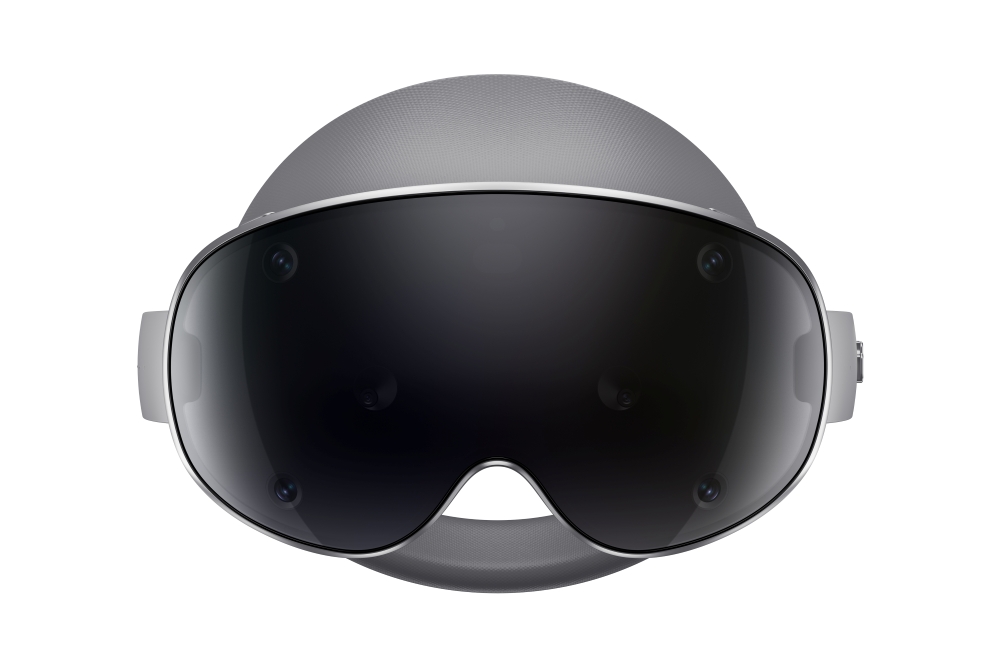
The headset weighs roughly 545g, with an additional 302g external battery pack that delivers around two hours of mixed-reality use
To reduce facial pressure, Samsung separated the battery pack from the headset, a design choice similar to some enterprise-grade models.
The strap system distributes weight across the forehead and back of the head, while a removable light shield helps users switch between full immersion and mixed-reality modes.
Connectivity is equally future-ready. The Galaxy XR supports Wi-Fi 7 and Bluetooth 5.4, with optional optical inserts for users who need vision correction.
It also links seamlessly with the broader Galaxy ecosystem, meaning it can pair with Samsung phones, PCs, and TVs through features like Smart View and PC Link.

While gaming is an obvious use-case, Samsung is positioning the Galaxy XR as a multipurpose productivity and creativity tool
The headset supports eye, hand, and voice input, allowing users to navigate virtual screens or control 3D content without controllers (sold separately).
It can project multiple virtual monitors, making it useful for work or creative tasks such as photo and video editing. The device also supports 3D photo and video capture, immersive YouTube and Google Maps experiences, and integration with Google Gemini AI for contextual assistance.
For instance, users can look at an object in passthrough mode, draw a circle in the air around it, and instantly trigger a Google search — a feature Samsung calls 'Circle to Search'.
This focus on multi-use capability hints at Samsung's ambition to make XR more mainstream, shifting perception away from gaming gadgets to something closer to an all-purpose computing device.
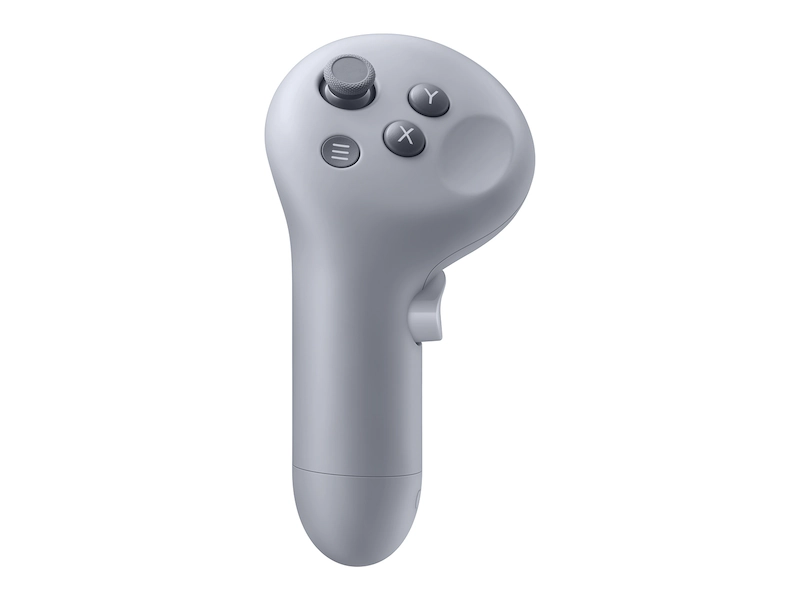
The Samsung Galaxy XR retails for USD1,799 (RM7,600)
Accessories are sold separately: The controllers cost USD249.99 (RM1,057), and the travel case is priced the same.
At launch, availability is limited to the US and South Korea, with no official word yet on a Malaysian release.
However, given Samsung's strong market presence here — particularly with its Galaxy phones — a local rollout in 2026 seems likely.
