


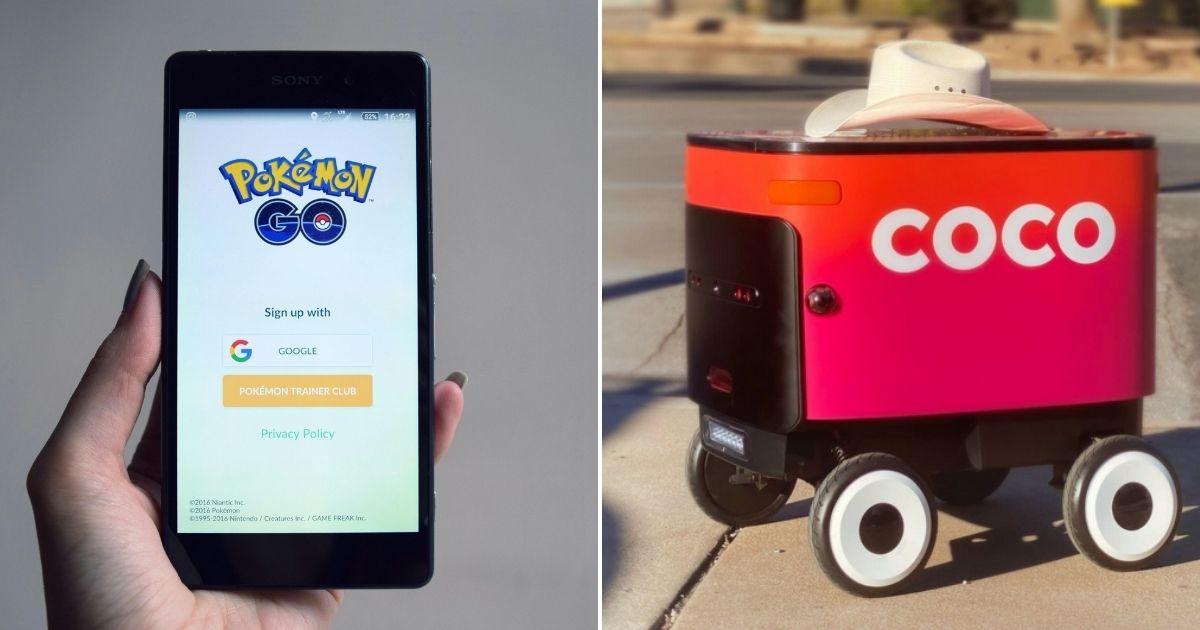
 Cover image via
Follow us on Instagram, TikTok, and WhatsApp for the latest stories and breaking news.
Niantic Spatial, a dedicated AI division of the company behind Pokémon GO, has announced a landmark partnership with Coco Robotics to use years of player-generated augmented reality (AR) data to guide a fleet of autonomous delivery robots
By repurposing over 30 billion images captured by players since 2016, Niantic is transforming casual gameplay into a high-precision "Living Map" for commercial machines.
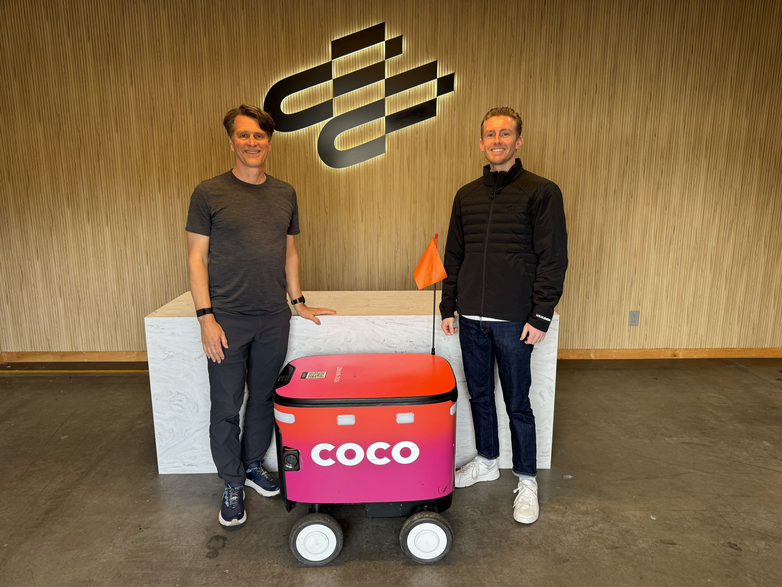
While traditional delivery robots rely heavily on GPS, satellite signals often drift or fail in "urban canyons" dominated by tall buildings
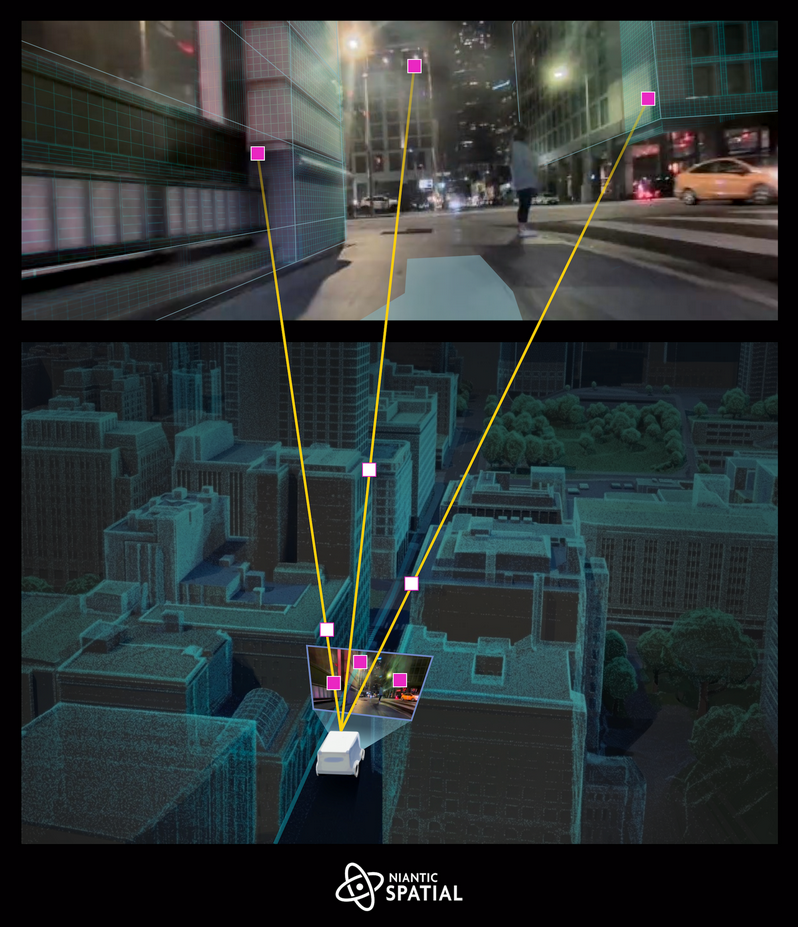
Niantic's Visual Positioning System (VPS) solves this by allowing robots to navigate using visual landmarks rather than radio signals.
Using four on-board cameras, Coco Robotics' machines compare real-time visual feeds against Niantic's global 3D image database to determine their exact location.
The system offers centimetre-level precision, which is critical for tasks like approaching the correct building entrance, navigating curbs, or stopping at a specific doorstep.
Because the data was captured by players walking on foot, it provides a unique street-level perspective that satellite imagery cannot replicate.
The dataset powering this technology was built through years of in-game features
In 2020, Niantic introduced "AR Mapping" tasks, where players were rewarded with in-game items — such as Poké Balls or Poffins — for scanning real-world monuments and landmarks with their phone cameras.
These millions of scans, often taken from multiple angles and under varying weather conditions, allowed Niantic to build Large Geospatial Models (LGM).
This model functions similarly to Large Language Models (LLMs) like GPT, but instead of predicting the next word in a sentence, it predicts the physical environment based on visual cues.
The announcement has reignited debates regarding user consent and data ethics
While players voluntarily submitted scans for game rewards, many were unaware their efforts were building a commercial infrastructure for third-party robotics companies.
"It's a stark example of how crowdsourced data, seemingly collected for one purpose, can be quietly repurposed years later for something quite different," noted a report in Popular Science.
Critics have described the system as an "imaginary gig economy", where millions of users perform the labour-intensive task of mapping the world in exchange for digital "trinkets" with no real-world value.
Niantic's Terms of Service state that the company retains broad rights over user-uploaded AR content, allowing them to monetise or share the data as they see fit.
