


 Cover image via
 Follow us on Instagram, TikTok, and WhatsApp for the latest stories and breaking news.
More children are now exposed to harmful online trends that are dangerous for their physical and mental wellbeing, a UK-based special educational needs tutoring firm warns
Bright Heart Education recently analysed the most harmful trends currently circulating online.
For each trend, Ryan Stevenson, the company's co-founder and director, evaluated health risks, real-world incidents, and parental guidance.
According to the team, parents should be aware of these three online trends.
1. Viral skincare videos

Image for illustration purposes only.
Image via SHVETS production / PexelsOne of the most visible examples is the "Sephora Kids" phenomenon, where children flocked to the store to buy potent adult skincare products seen in viral skincare routine videos.
Products containing 1% retinol, 10% AHA, or 20% Vitamin C can cause physical harm if used without medical guidance.
In California, a girl, 11, required treatment for burning and blistering after attempting an anti-ageing routine she saw online.
Stevenson suggested that parents should watch such content together with their children and ask questions like "Why are they showing this product?" and "Who is paying for this message?".
2. Online gaming platform Roblox
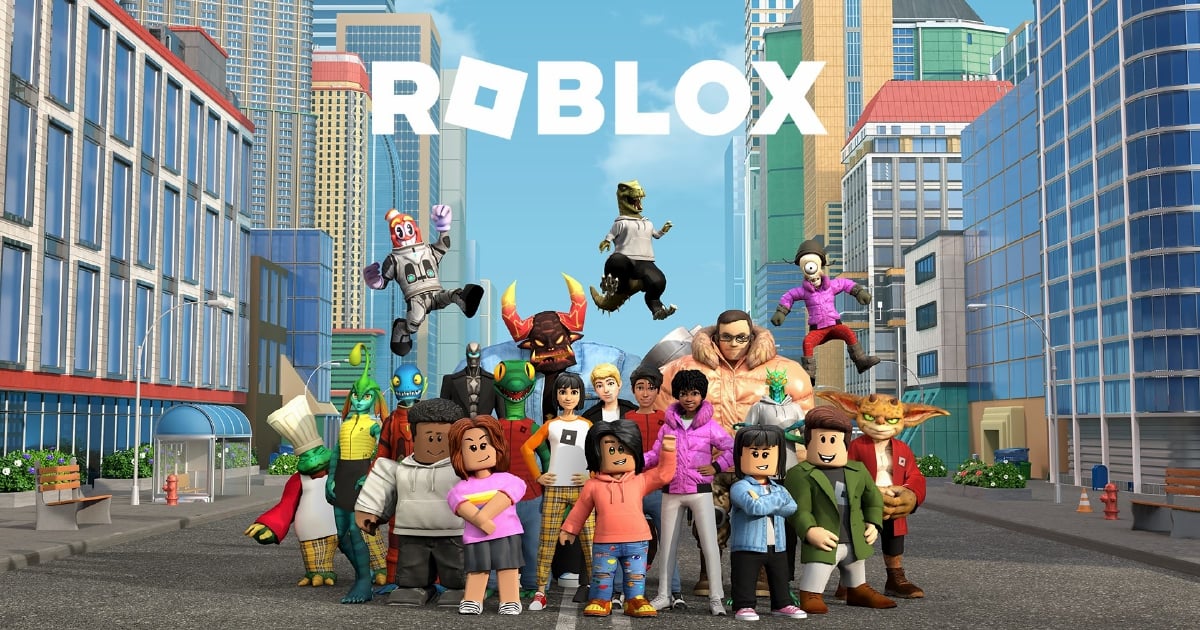
Roblox is another digital frontier that often feels like a playground but carries the weight of an adult marketplace.
While marketed for children, it features sophisticated in-game currency systems and is linked to reports of overspending, scams, and grooming.
Stevenson noted that gaming platforms often combine risks involving safeguarding, financial spending, and excessive screen time.
3. Blackout or Fire Challenge
Beyond the aesthetic and financial traps, more visceral dangers like the "Blackout" and "Benadryl" challenges emerged.
These trends were framed as 'legal' highs, with the former involving oxygen deprivation and the latter urging the ingestion of diphenhydramine (DHP).
Similarly, the "Fire Challenge" led to serious injuries, including a recent case in Chicago.
Participants set themselves on fire and attempted to extinguish the flames before sustaining burns.
Stevenson warned that children often fail to grasp long-term consequences, noting that online videos can create a 'false sense of control' that does not exist in reality.
"Parental controls help, but conversations matter too: explain plainly what can go wrong, and why these 'challenges' are genuinely dangerous," Stevenson suggested.
