


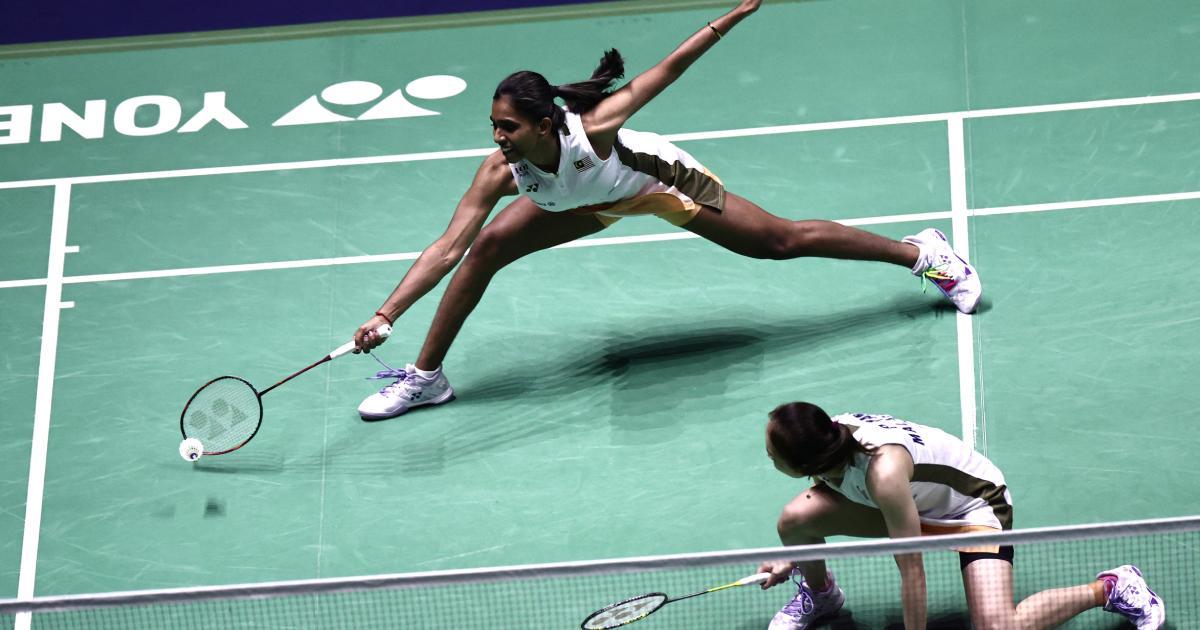
 Cover image via Thibaud Moritz/AFP
Follow us on Instagram, TikTok, and WhatsApp for the latest stories and breaking news.
The Badminton World Federation (BWF) has approved a major overhaul of the sport's scoring system, officially replacing the long-standing 3×21 format with a new 3×15 structure
The decision was passed during the 87th BWF Annual General Meeting in Horsens, Denmark, after securing a two-thirds majority vote, 198 in favour and 43 against. The outcome marks a breakthrough for the federation, which had previously failed to push through similar proposals in 2018 and 2021.
Under the new format, matches will still be played as best-of-three games. However, each game will now be played to 15 points instead of 21.
The rally-point system remains unchanged, meaning a point is awarded on every rally regardless of who serves.
There are, however, key adjustments to how games are closed out.
At 14-all, players must win by a two-point margin. If the score reaches 20-all, the next point decides the game, setting a hard cap at 21.
In a deciding third game, players will switch ends when the leading side reaches 8 points, down from 11 under the current system. The mid-game interval will also take place at 8 points, while the standard 120-second break between games remains unchanged.
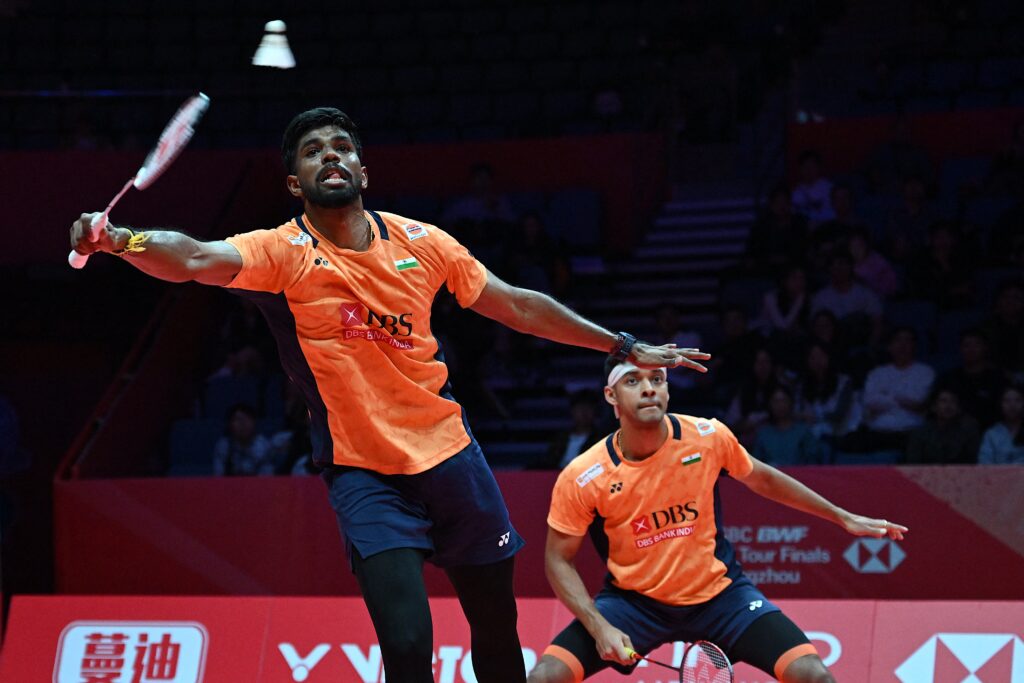
India's Satwiksairaj Rankireddy and Chirag Shetty play a point during their men's doubles match against Indonesia's Fajar Alfian and Muhammad Shohibul Fikri at the BWF Badminton World Tour Finals
Image via Jade Gao/AFPWhy is the change happening now?
The BWF has positioned the shift as part of a broader effort to modernise the sport.
Shorter games are expected to make match durations more predictable, which is a key concern for broadcasters and tournament organisers. Under the 3×21 format, matches can sometimes stretch beyond 90 minutes.
The federation has also cited player welfare as a factor, arguing that reducing the number of points per game could help ease the physical demands placed on athletes across long competitive seasons.
There is also a clear commercial consideration.
Shorter, faster-paced matches are seen as more appealing to younger audiences, especially in a media environment where attention spans are fragmented across multiple platforms.
Mixed reaction from players and coaches
The change has split opinion across the badminton community.
Olympic champion Chen Yufei has voiced support for the change, saying a 15-point scoring system will make the matches "shorter and more exciting".
Critics argue that the new format risks stripping away some of the sport's tactical depth.
Former world number one Saina Nehwal and coach Vimal Kumar are among those who have raised concerns that shorter games leave less room for comebacks, endurance-based play, and momentum swings that often define high-level matches.
Players with aggressive, attacking styles are widely expected to benefit under the 15-point format, where early leads become harder to overturn.
Under the new rules, the way points are tallied will shift to prioritise intensity over endurance. Here's a table comparing the key changes:
| Feature | Old System (3×21) | New System (3×15) |
|---|---|---|
| Winning Score | 21 Points | 15 Points |
| Game Format | Best of 3 | Best of 3 (Unchanged) |
| Deuce Rule | At 20-all (Lead by 2) | At 14-all (Lead by 2) |
| Sudden Death Cap | Max 30 Points | Max 21 Points |
| Mid-game Interval | 60s at 11 points | 60s at 8 points |
| Change of Ends | At 11 points (3rd set) | At 8 points (3rd set) |
When it takes effect
The new scoring system will come into force from the first week of 2027, starting 4 January.
The BWF has said the lead time is intended to give national associations, clubs, and stakeholders sufficient time to adapt — including training methods, competition structures, and broadcast systems.
Despite the shift, the 3×21 format will not disappear entirely.
It will remain an approved alternative, allowing national associations, leagues, and local organisers to continue using the existing system for domestic competitions if they choose.
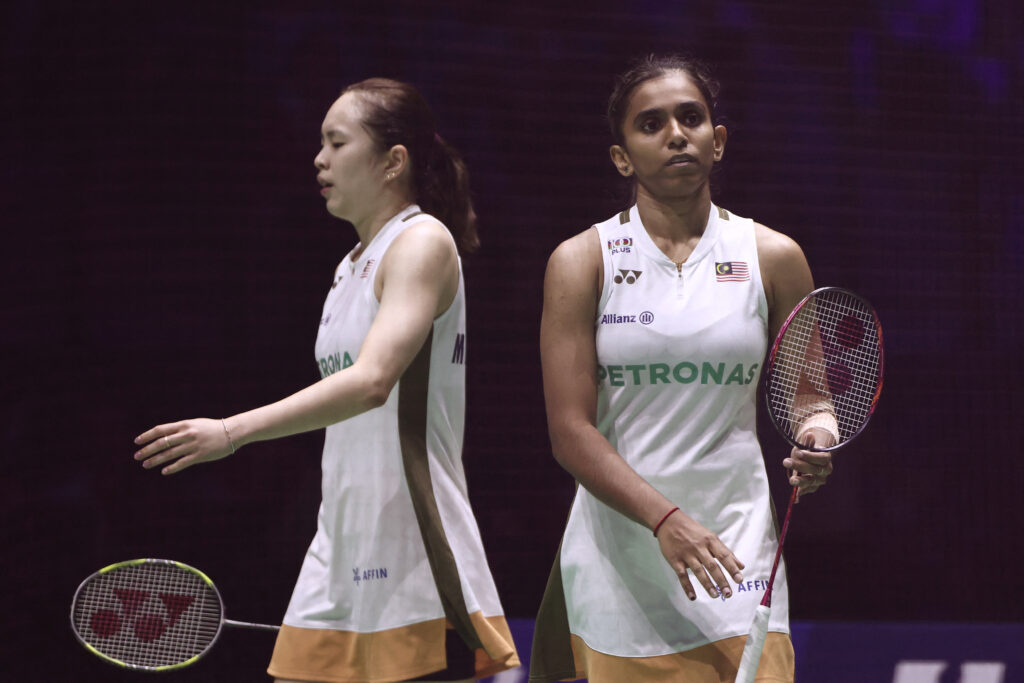
Malaysia's Pearly Tan (L) and Thinaah Muralitharan play against China's Liu Sheng Shu and Tan Ning during the women's doubles final match at the Badminton BWF World Championships.
Image via Thibaud Moritz/AFP