


 Cover image via
Follow us on Instagram, TikTok, and WhatsApp for the latest stories and breaking news.
Existing urban planning policies must be reassessed to ensure religious infrastructure is inclusive and keeps pace with growing populations
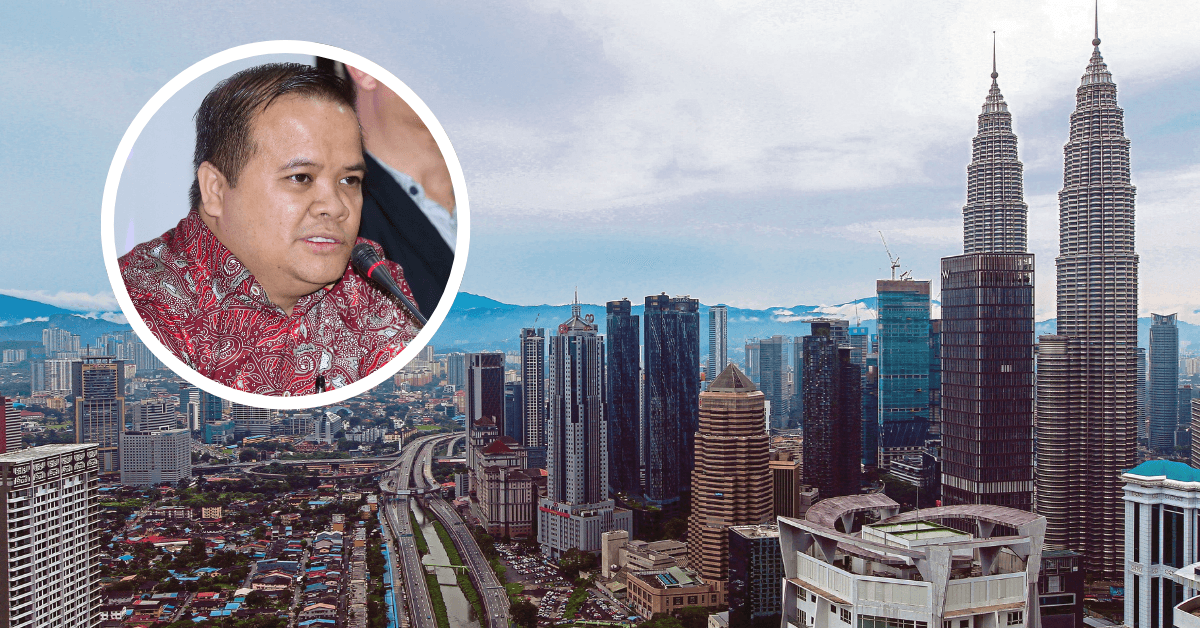
Universiti Kebangsaan Malaysia urban sociology professor Dr Novel Lyndon said urban planners often prioritise facilities for the majority faith, leaving minority or multi-faith needs to be addressed later or more flexibly.
Current planning guidelines, he added, encourage developers to provide land for religious facilities, but do not require them to do so.
Novel said unauthorised religious structures often emerge not because communities ignore planning laws, but due to unmet demand.
"Common contributing factors include rapid population growth without corresponding social and religious infrastructure, lengthy approval processes, or repeated rejections of formal applications," he said.
Temporary arrangements, such as using shoplots, houses or factory units, can gradually become permanent, especially when communities prioritise immediate spiritual needs over regulatory compliance.
Building houses of worship is rarely easy
Communities face multiple challenges, from limited land in built-up areas and high development costs to prolonged approval processes involving multiple agencies and political sensitivities.
Local objections, sometimes framed around traffic, noise or parking, can also stem from social or faith-related concerns.
Unclear or inconsistent policies further complicate approval.
Who builds religious facilities?
Most religious facilities are funded and built by community groups through fundraising efforts.
Developers occasionally contribute land or build facilities through as part of corporate social responsibility initiatives, but such cases are not the norm.
Construction by local authorities is uncommon and usually limited to state mosques or heritage sites.
From a social anthropology perspective, Novel said informal or unregistered places of worship reflect more than gaps in policy: they show how communities adapt to preserve their identity, belonging and daily practices in rapidly growing urban areas.
"If formal planning processes are slow or inflexible, people will create practical solutions to meet their spiritual and social needs.
"These structures endure because they are socially legitimate, even if they are administratively invisible.
"Sustainable solutions lie not in enforcement alone, but in policies that recognise religious infrastructure as a core part of social life, involve communities as partners rather than problems, and align regulations with how people actually use and give meaning to urban space," he said.
