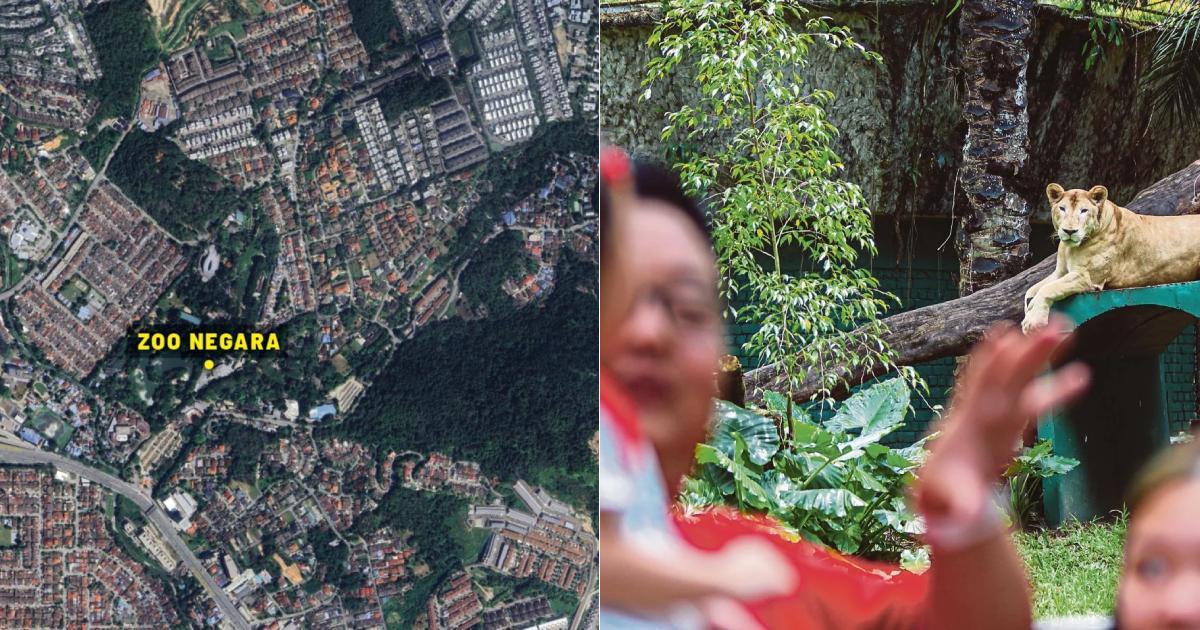
 Cover image via New Straits Times
Follow us on Instagram, TikTok, and WhatsApp for the latest stories and breaking news.
Zoo Negara is facing backlash from nearby residents and environmental groups after news broke that it sold a plot of land it had owned since 1963
According to the New Straits Times, residents of Taman Melawati claimed that the recently gazetted Ampang Jaya Municipal Council Local Plan shows the land has been reclassified for commercial use.
Several NGOs have since urged the Selangor government to explain how the sale was allowed, warning that development could harm nearby forest reserves, green spaces, and increase the risk of landslides and flooding.
A coalition of NGOs plans to hold a media briefing to share the chronology of events and outline what they believe are the negative impacts on the surrounding area.
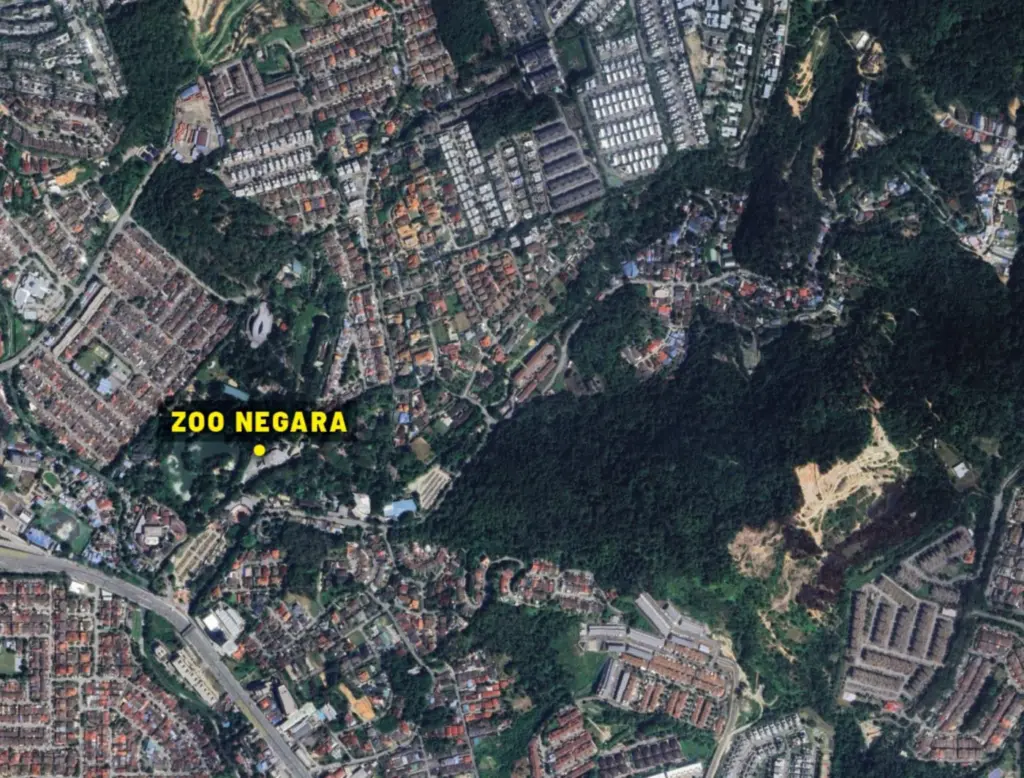
An overview map of Zoo Negara, showing the national zoo's exhibits and surrounding areas.
Image via New Straits TimesFollowing public backlash, Zoo Negara explained that the decision to sell the land was made around 2020, when they were running out of money and struggling to feed the animals
"When the COVID-19 pandemic struck, the council decided to sell [the plot] to raise money to feed the animals, pay salaries, and for maintenance," Zoo Negara deputy president Datuk Rosly Lana told New Straits Times.
Rosly admitted that the zoo was desperate at the time.
"We only had RM1 million in savings, but our expenses were between RM1.3 million and RM1.5 million a month. So, we thought, what we could do was to sell that unused land.
"The land was unsuitable for use (for zoo purposes). Being hilly, especially around this area, people were not keen to buy it because of landslide risks.
"Even approvals for development would have been difficult. So, we sold it off to keep the zoo running," he said, adding that donations also started coming in around the same time, helping the zoo cover its costs.
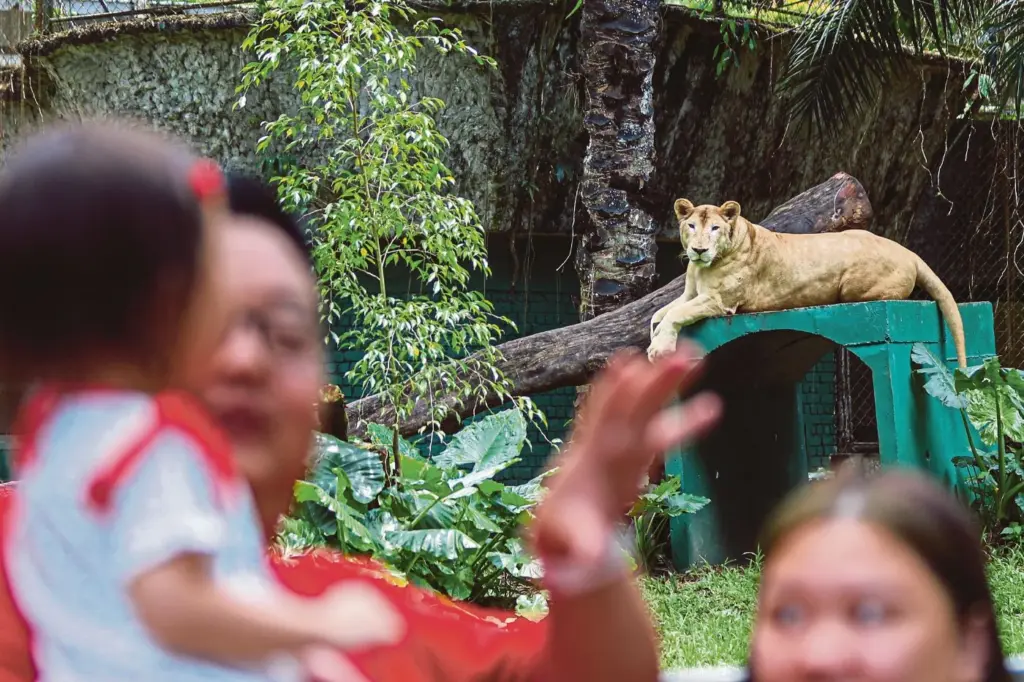
People visiting Zoo Negara during the recent school holidays.
Image via New Straits TimesThe profits from the sale were placed in a fixed deposit and are now used to meet daily operational needs, Rosly explained
"It is just enough. For upgrades, we rely on donations from the public, particularly through our animal adoption programme," he said.
According to Rosly, while the land sale has raised concerns, it was a difficult but necessary decision made under extraordinary circumstances, one that helped Malaysia's national zoo survive the pandemic.
Zoo Negara currently receives around one million visitors each year and employs more than 100 zoologists, he added.