


 Cover image via
We've all seen the "You have the right to remain silent" line in American movies, but how many of us actually know our rights here in Malaysia?
Knowing your rights can make all the difference.
Here's a practical list, based on guidelines from the Malaysian Bar, of what you can and should do if you're stopped, questioned, or arrested by the police:
1. When you're stopped by police
If the officer is not in uniform, you must ask to see their authority card:
Red card = Suspended officer. No authority. You can walk away.
Blue card = Rank of Inspector or higher
Yellow card = Below Inspector
White card = Volunteer/reserve police
Always note their name and ID number.
If the officer is in uniform:
You can identify them by their name tag and badge number. Also, jot down the number plate of their patrol car or bike.
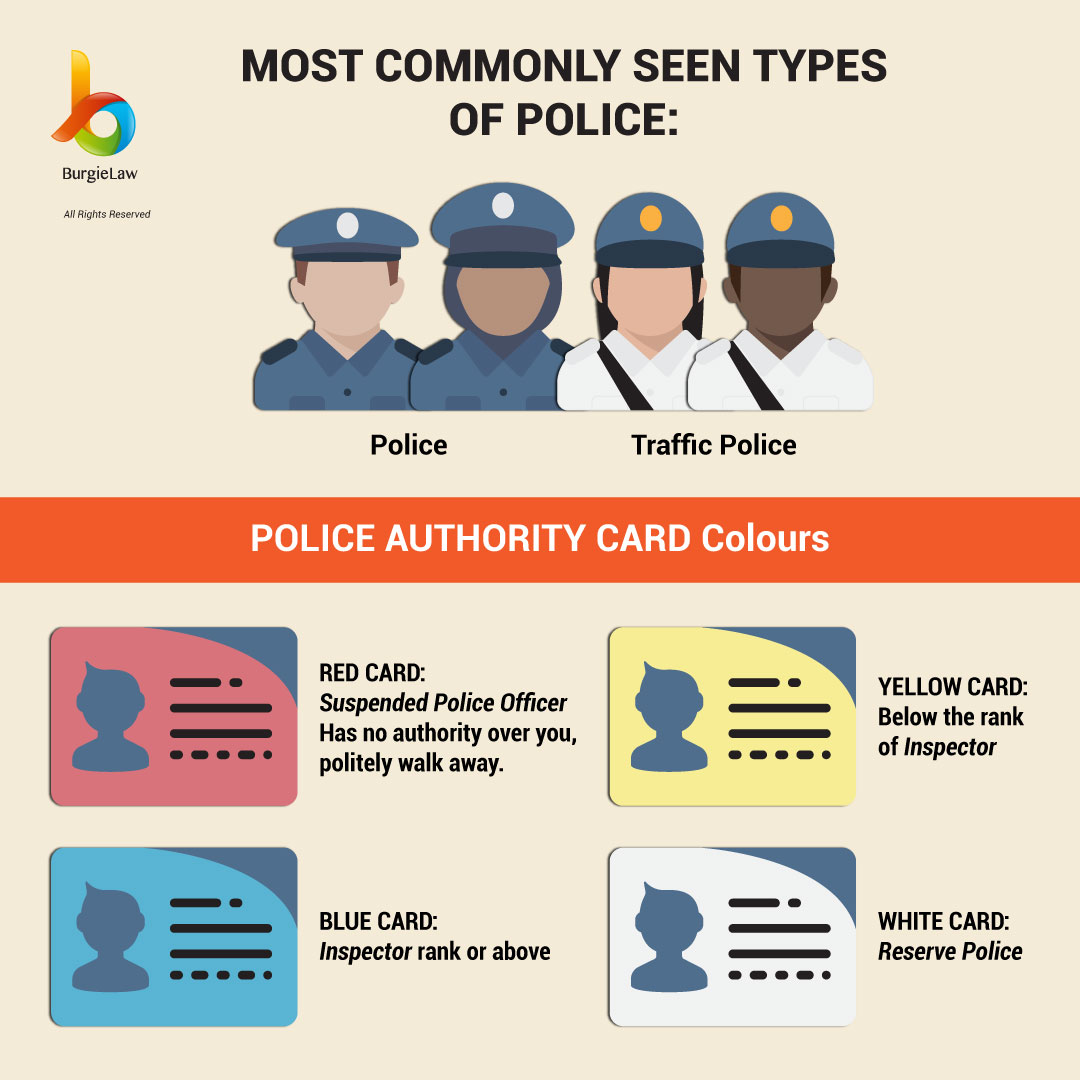
Image via Burgie Law
2. When police start asking questions
You only need to provide:
Your full name
NRIC number
Home address
Anything else? You have the right to politely ask:
"Am I under arrest?"
You're only considered arrested if:
The officer says "yes"
You're not allowed to leave
You're handcuffed or taken to a police station
If you're not under arrest, you can walk away.
Important: Police cannot arrest you just because they want to take a witness statement (called a 112 Statement).
3. Questioning by the police without arrest
You're allowed to cooperate voluntarily. If the time/place isn't convenient, you can say so. If you refuse, they can issue a formal written order to compel you — but even then, you're still not under arrest.
You have the right to:
Ask for a lawyer to be present
Refuse to answer questions that might incriminate you
Tip: Bring your own notebook. Write down all questions and your answers before reading them out. Keep these notes for yourself. Double-check what the officer writes before signing anything.
4. If you are arrested
Immediately ask:
"Why am I being arrested?"
"Which police station are you taking me to?"
If you resist arrest, the police are allowed to use reasonable force to bring you in.
Once arrested:
You have the right to call a family member, lawyer, or the Legal Aid Centre (LAC)
Tell them the time, place, reason for arrest, officer's ID, and the station you're being taken to
You can only be detained for up to 24 hours without a Magistrate's order.
5. What happens after 24 hours?
Police must either:
Release you, or
Get a Remand Order from a Magistrate to detain you further
A Magistrate can allow:
Up to 4–7 days of detention depending on the offence
A second remand for an additional 3–7 days
When brought before a Magistrate, tell them if:
You were denied food, water, toilet access, or medical help
You were beaten or threatened
Police didn't investigate during detention
You want legal representation

Image via Malay Mail
6. If police conduct a body search
Without arrest:
Only allowed in certain places (e.g. clubs during a raid), and must be done in the presence of an officer ranked Inspector or higher.
Don't let officers dig through your pockets or bag. Empty it yourself, stating each item aloud.
Only female officers can body search women.
You CANNOT be stripped naked — even during a search.
If you're arrested, then body searched:
It must happen in a private, confined space.
Even under arrest, you cannot be forced to strip.
If you are threatened or forced, lodge a report as soon as possible.
7. Questioning after arrest
You are only required to give:
Full name
Age
Address
Occupation
Everything else? You can choose to remain silent. You can say: "I will answer in court."
If police try to pressure or threaten you into giving a written statement, stay calm. If it happens, lodge a police report.
8. Can police search your car?
Yes — but only:
Under Section 24(1) of the Police Act 1967
If they reasonably suspect a crime, or are investigating you
Always ask:
To see their authority card
The reason for the search
Whether you're under investigation or arrest
9. During roadblocks or stops in public
You do not need to get out of your car unless told explicitly.
If you're asked to show your IC and license, you should comply.
If your car is searched, you can ask for a reason.
Record the encounter discreetly if you feel unsafe.
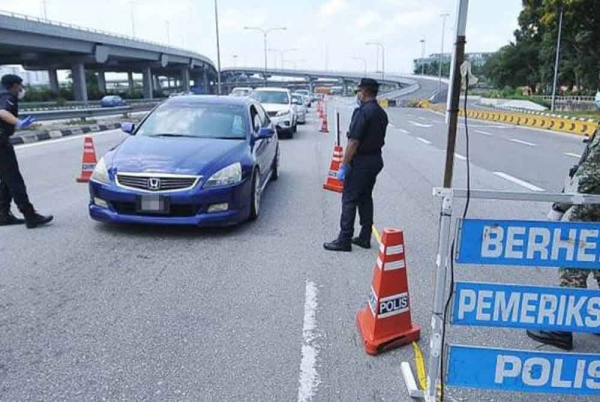
Image via Sinar Harian
10. Can police check your phone?
Only with reasonable cause — i.e. if you're suspected of an offence or being investigated.
You have the right to:
Ask why they want to check your phone
Request to go to a police station for the inspection
Call a lawyer first if unsure

