 Cover image via Anwar Ibrahim
Follow us on Instagram, TikTok, and WhatsApp for the latest stories and breaking news.
Malaysia's plan to allow children as young as 6 to enter Year One from 2027 has raised a practical question: if most parents opt for early enrolment, can schools handle the sudden surge in students?
SAYS raised the question after Prime Minister Datuk Seri Anwar Ibrahim announced the National Education Plan 2026–2035, which allows children assessed as ready to start Year One early while keeping the standard entry age at 7.
In theory, two age cohorts could enter Year One in the same year: 6-year-olds whose parents choose early enrolment, alongside 7-year-olds following the existing pathway.
Following a query by SAYS, the Prime Minister's Office referred us to Education Minister Fadhlina Sidek's detailed clarifications on controlling early entry and how schools are preparing for potential capacity pressures.
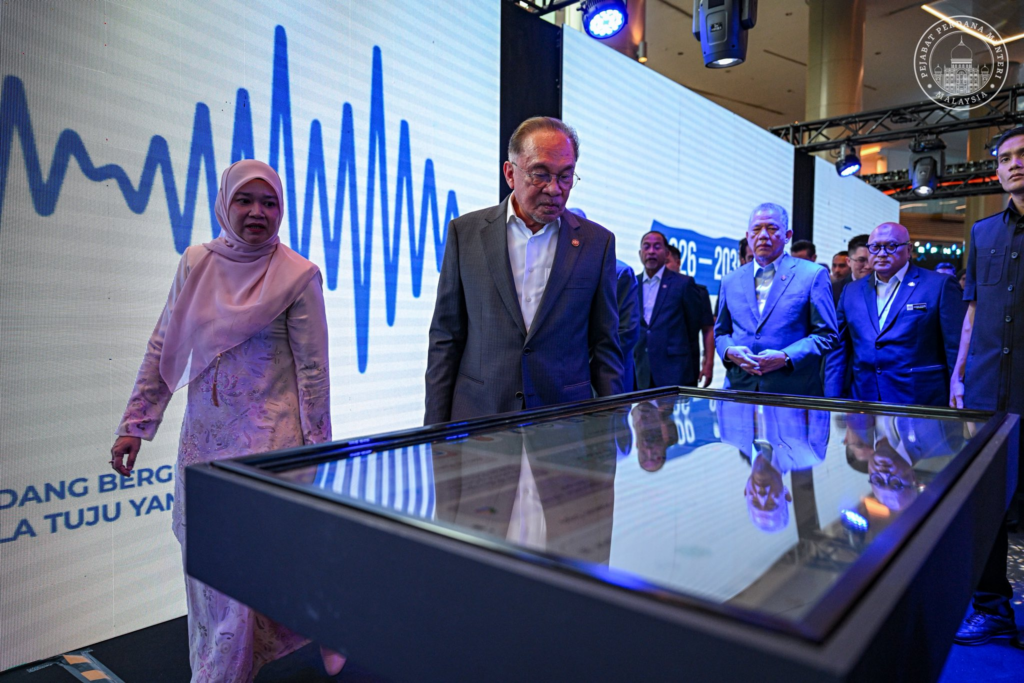
Fadhlina stressed that early Year One entry is voluntary for parents, not a blanket change to the school starting age
According to the ministry, early entry is not automatic and will be determined by ministry-led diagnostic screening and parental consent.
Children must have attended preschool at age 5 and pass the ministry's readiness screening, which assesses learning preparedness and adaptability to structured classroom environments. Only then can parents opt to enrol them in Year One at age 6.
Once admitted, students will remain in Year One for the full academic year. Their progress will be monitored by schools, and learning support will be provided to help them adapt.
Fadhlina also noted that the basic structure of Malaysia's school system will remain unchanged: six years of primary education followed by five years of secondary education, with students completing upper secondary at 16.
This means early entry does not shorten the education cycle; it simply lets eligible students start Year One earlier, provided they meet readiness criteria.
Private educational institutions will also be permitted to enrol 6-year-olds in Year One
However, they must follow the implementation methods and guidelines set by the Education Ministry.
Addressing concerns over whether schools can handle a larger Year One intake, Fadhlina said the Education Ministry is already preparing capacity expansion
She said additional classrooms will be provided in stages using the Industrial Building System (IBS) method. Infrastructure needs will be reviewed based on actual enrolment applications and on-ground requirements.
To meet teacher demand, the ministry plans to supply trained educators through the Bachelor of Teaching programme, the Postgraduate Diploma in Education, and contract teacher appointments.
The ministry stressed that capacity planning is being carried out in phases, noting that similar early-entry models are already practised in many countries.
The approach, she explained, allows children to enter the workforce earlier in adulthood, while also addressing long-term demographic challenges linked to an ageing population.
However, she emphasised that parents who feel their children are not ready will still be allowed to enrol them into Year One at age 7, maintaining flexibility during the transition period.
The primary concern is whether early enrolment will create an unusually large Year One intake in 2027, potentially combining 6-year-olds with 7-year-olds on the existing pathway
The ministry's response indicates that early entry will be regulated through screening, parental choice, and phased infrastructure expansion, suggesting that intake growth is expected to be gradual rather than sudden.
Whether this planning will be sufficient will become clearer once parents begin applying for early entry and schools start receiving actual enrolment numbers.
For now, early Year One entry remains a controlled option, not a compulsory shift, with the ministry confident that readiness screening and phased capacity building will keep classrooms from being overwhelmed.