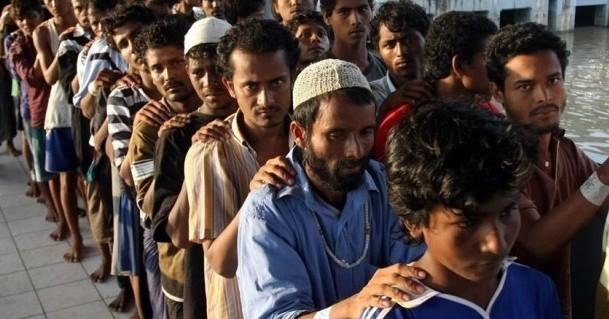
 Cover image via The Malaysian Times
It is no news that Malaysians have been greatly disappointed with the high number of blue-collar foreign workers in Malaysia, with many chiding the government's growing reliability on them
Just mid last year, in June 2015, the government informed that they would be bringing in 1.5 million Bangladeshi workers to work in various industries including, the plantation, construction and the food and beverage field.
The revelation lead to a major debate between the government authorities and members of the public about how the increasing intake of foreign workers is directly affecting the unemployment issue in the country.
**Last year, the government revealed that we have more than two million foreign workers in Malaysia, a figure that outnumbers the number of ethnic Indians in Malaysia which only stands at about 1.98 million.**
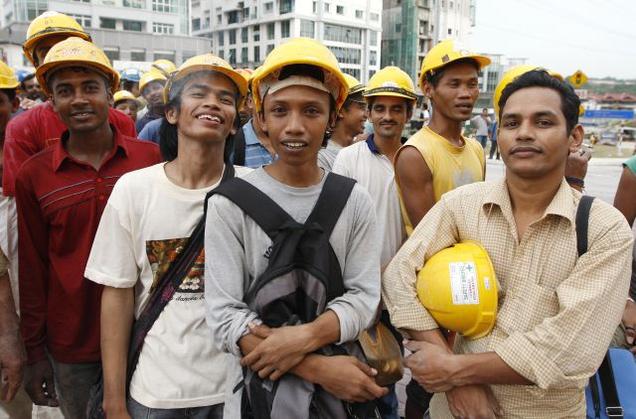
Image via The Hindu
The decade old debate boiled over recently, when Deputy Prime Minister Datuk Seri Dr Ahmad Zahid Hamidi, challenged Malaysian youths to take up the '3D' (dirty, difficult and dangerous) jobs that are usually aimed at migrant workers
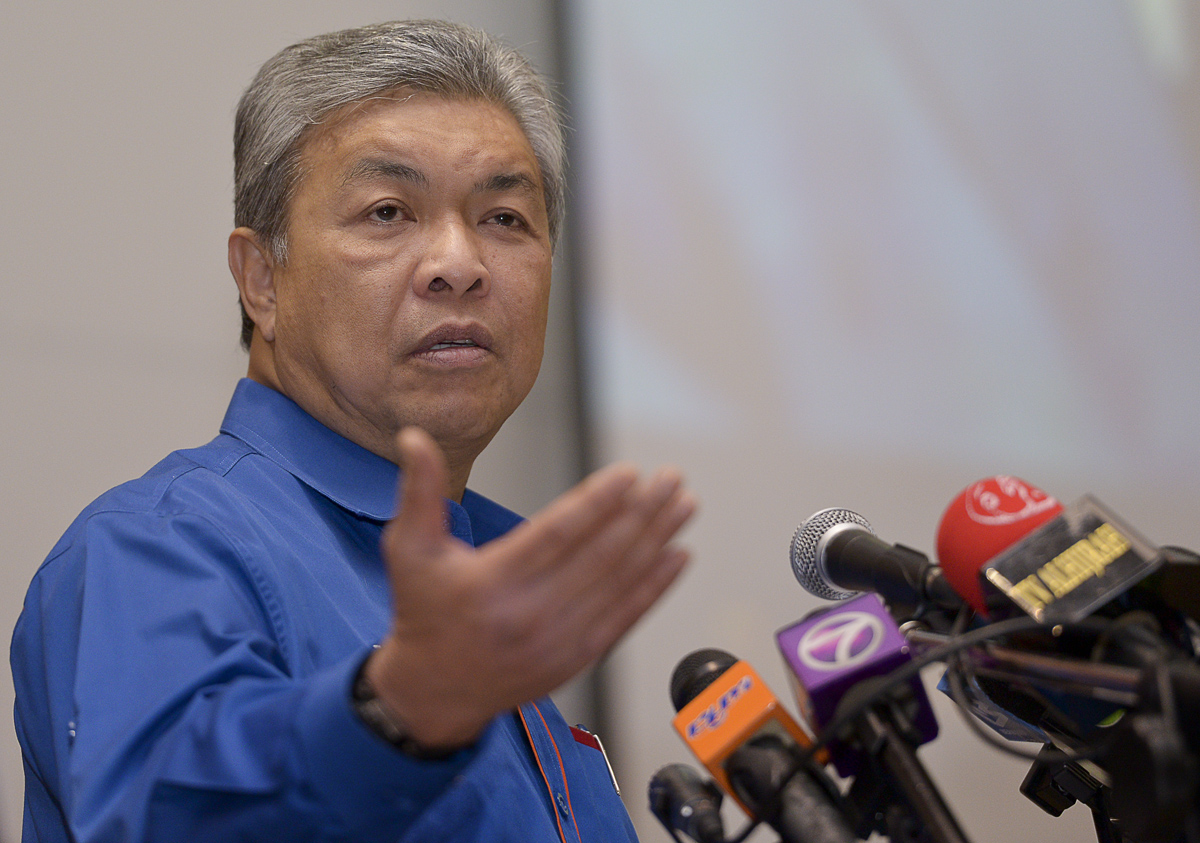
If the solution is as simple as these politicians make it sound, why is it that youths are still not interested to take up 3D jobs?

Image via South China Morning Post
Young Malaysians and most members of the opposition, insist that the country should stop relying on migrants to work in these industries and instead increase the minimum wage so that Malaysians can take up these jobs

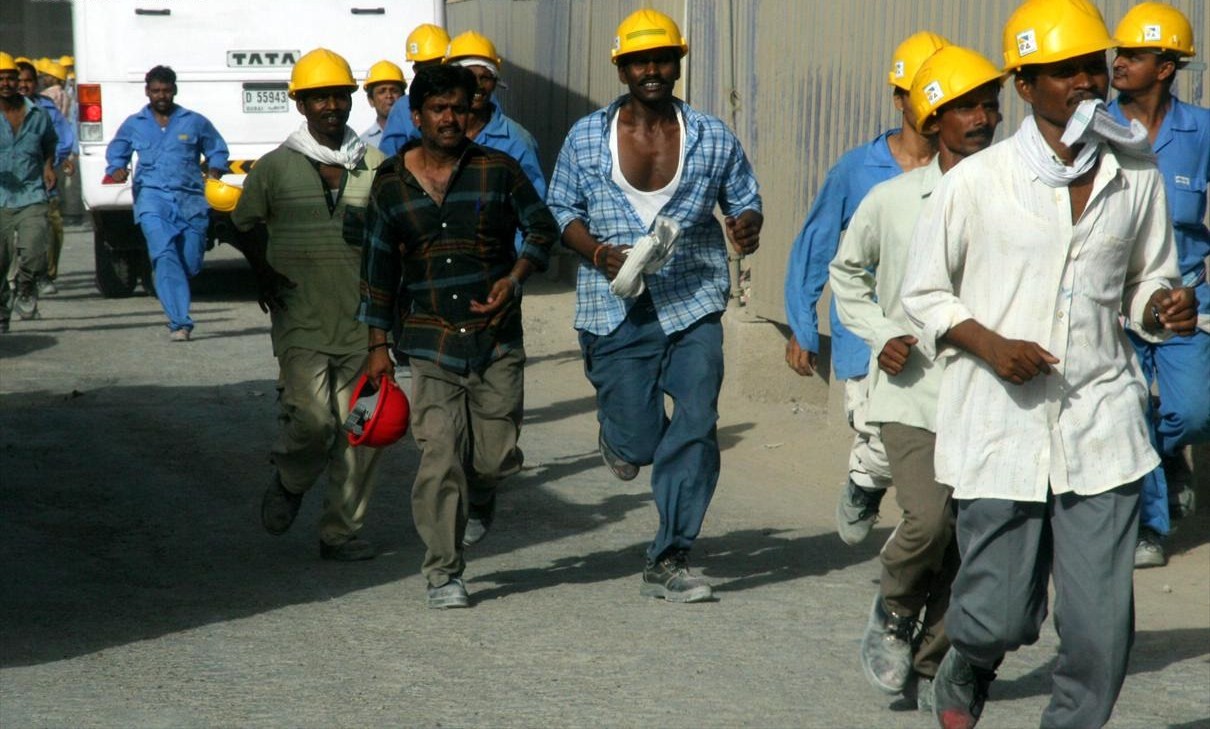
Image via Daily Mail UK
What are 3D jobs?
3D is a term that that is commonly used to describe jobs in industries that can potentially be dirty, dangerous and difficult. In Malaysia, jobs in the construction, plantation, automotive maintenance, cleaning services and other similar vocational occupations fall under the 3D category.
For years now, these jobs are usually outsourced to interested individuals from economically struggling neighbouring countries such as Nepal, Philippines, Indonesia, India and Bangladesh to name a few.
It is a known fact that individuals from these countries are forced to seek for job placements in other well developed nations due to the limited employment opportunities in their home countries.
Often poverty stricken with large families to care for, these foreign workers are obliging enough to pick up all these dirty, dangerous and difficult jobs to put food on the table.
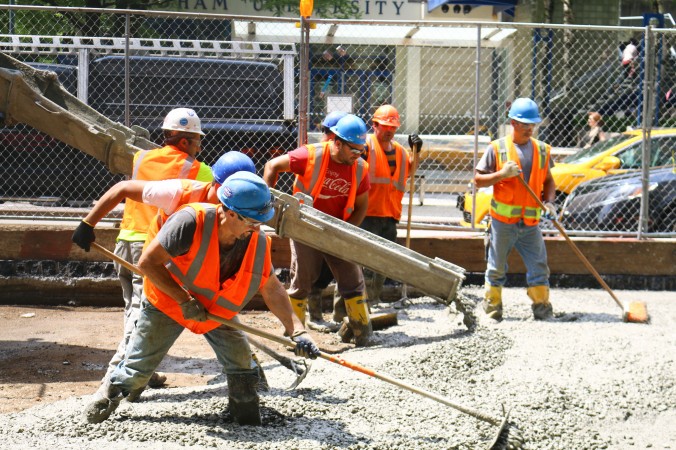
Image via EPOCH TIMES
What is the minimum wage in Malaysia?
The government informed in October 2015 that they would be increasing the minimum wage for employees in peninsular Malaysia to **RM1,000** except for those in the domestic service.
As for the ones in West Malaysia, they would see an increase of RM120, making the minimum wage **RM920.**
The new amount for wages will take in July 2016.
Despite everything the government has said in the past about Malaysian youths shunning 3D jobs for its low wages, Youth and Sports Minister Khairy Jamaluddin, stressed that 3D employers simply cannot afford to increase the salary for those in the industry

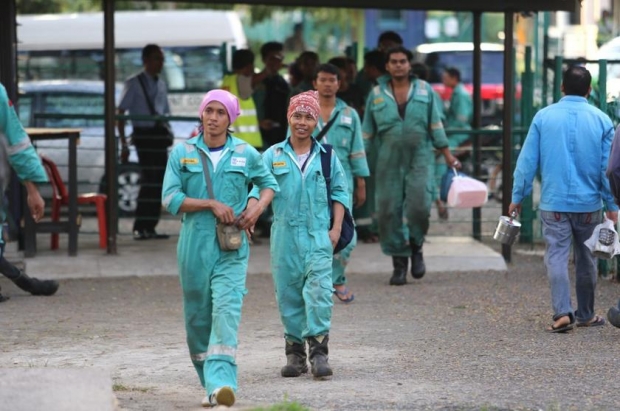
Image via The Malay Mail
Meanwhile, minister in the prime minister's department, Datuk Seri Azalina Othman is under the opinion that Malaysians "can't stand very long, take stress or work long hours"

Image via The Star