 Cover image via Naga DDB
The flood that marked the end of 2014 was the worst case of flooding in Malaysia since 1971, leaving East Coast in utter ruins

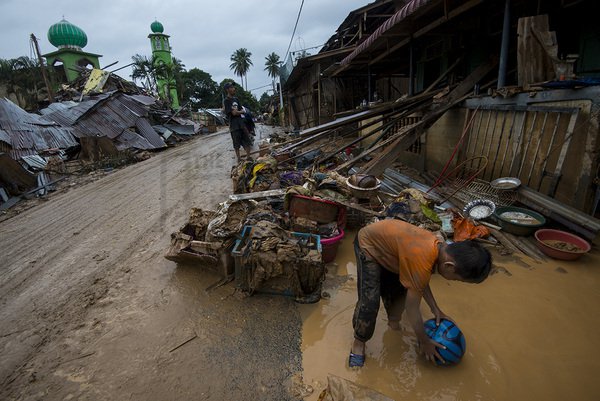
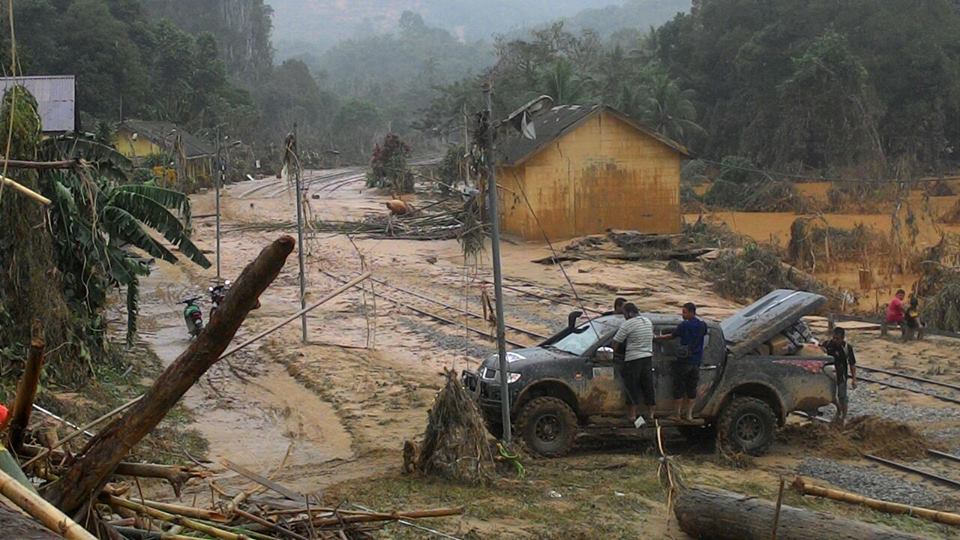
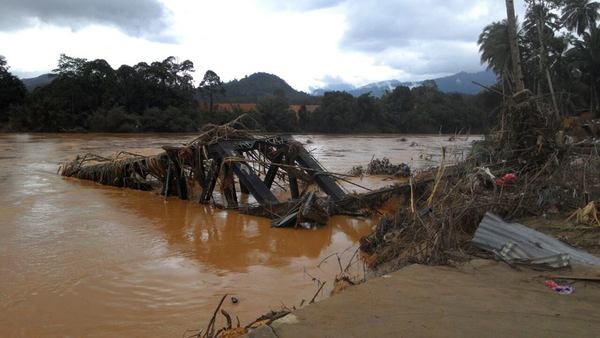
However, as the floodwaters receded, it left behind a whole lot of mud, leaving many parts of East Coast completely covered in it, including a small kindergarten in Kg. Pulau Tawar, Jerantut
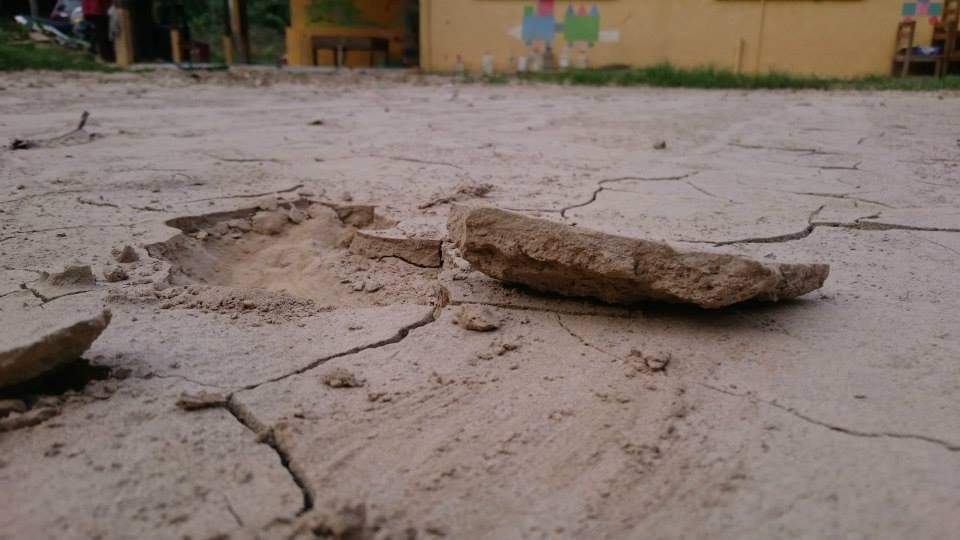
The floods brought mud in a scale never seen before
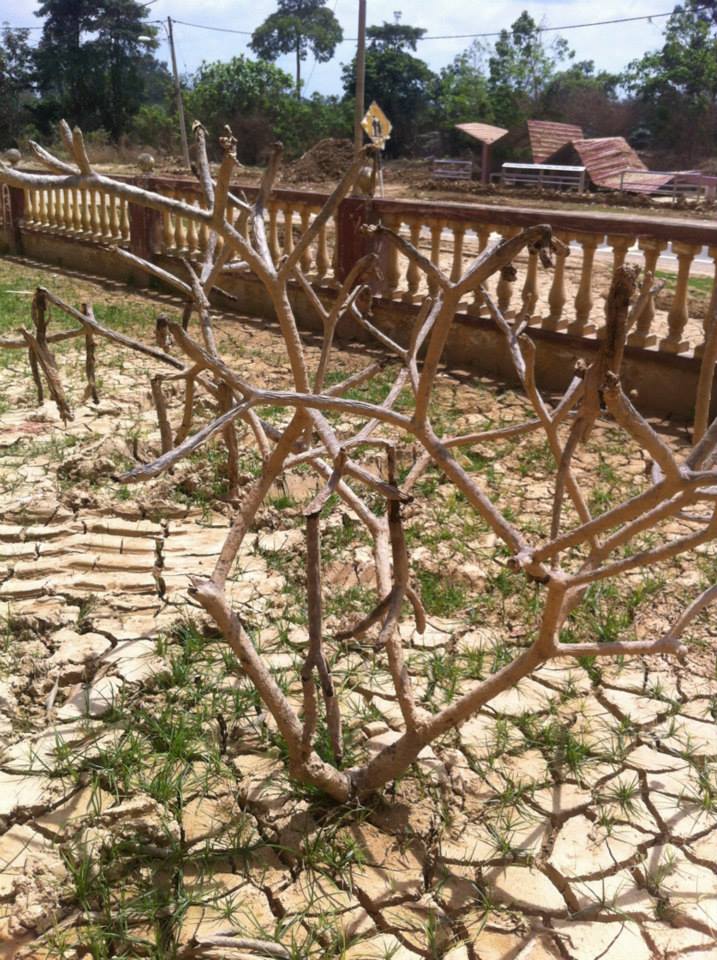
Image via null
While the floodwaters wrecked homes…
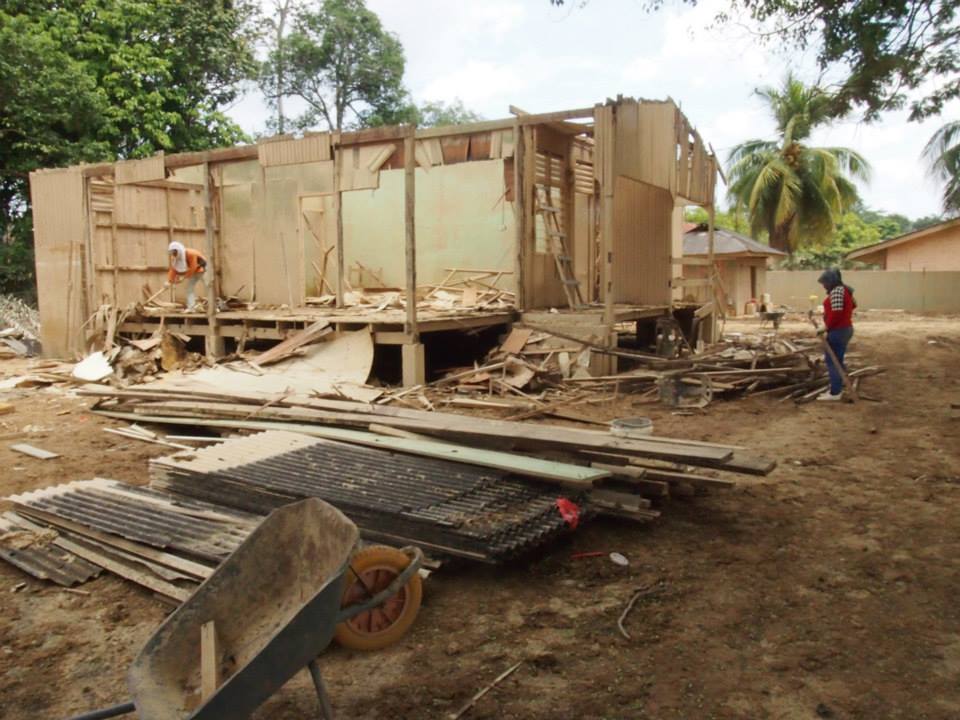
Image via null
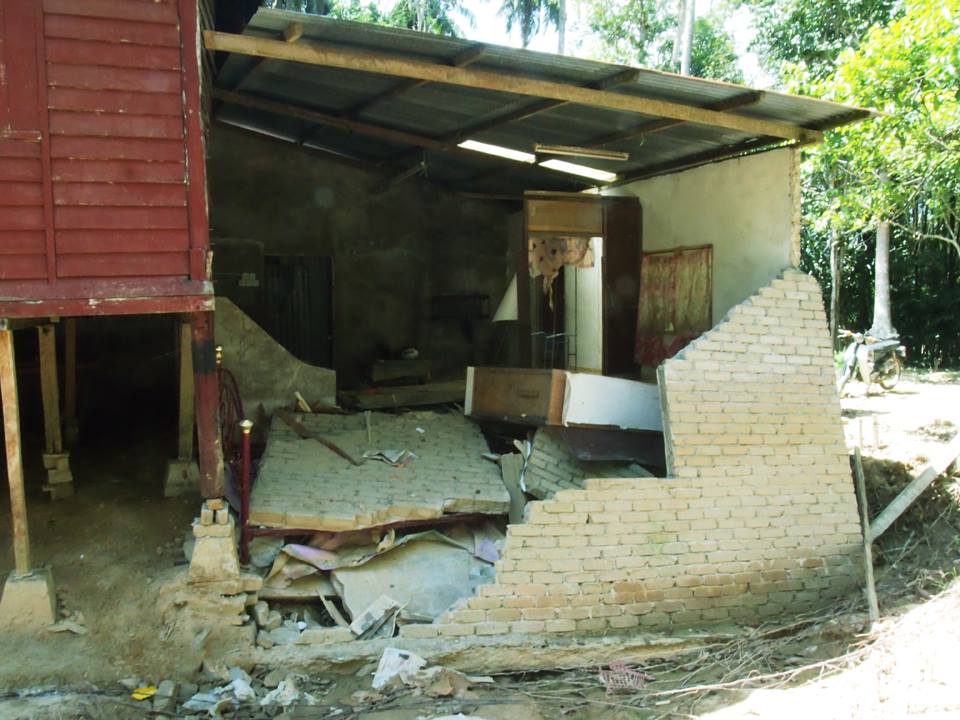
Image via null
Mud got everywhere, making areas uninhabitable!
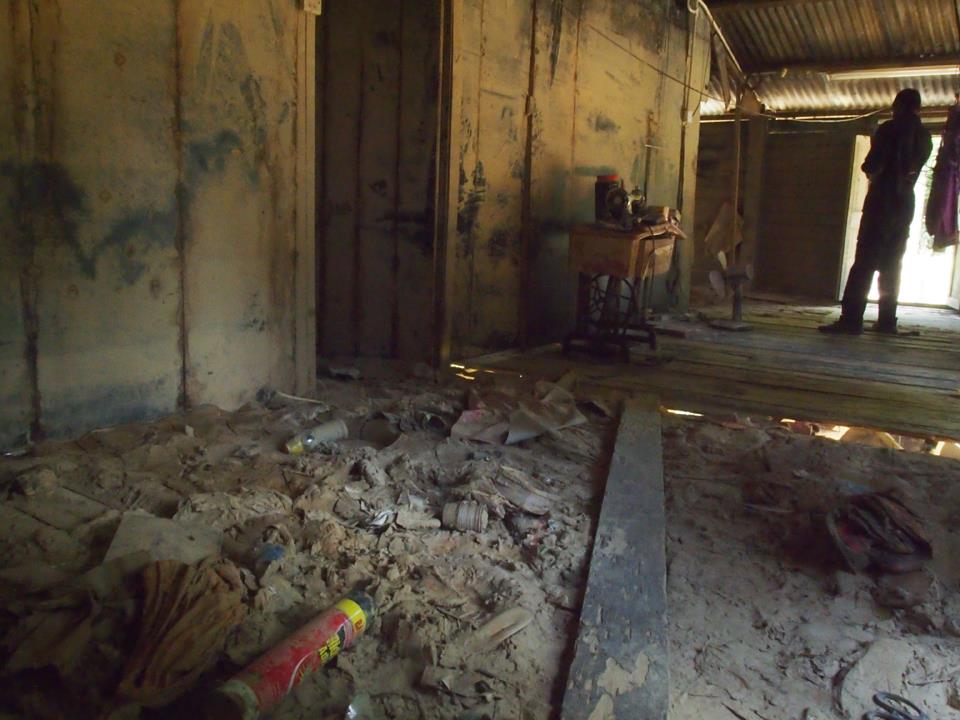
Image via null
Everywhere the floodwaters went, it left behind mud, covering everything from utensils to verandah and spoiling anything that it came in contact with from books to furniture to football fields
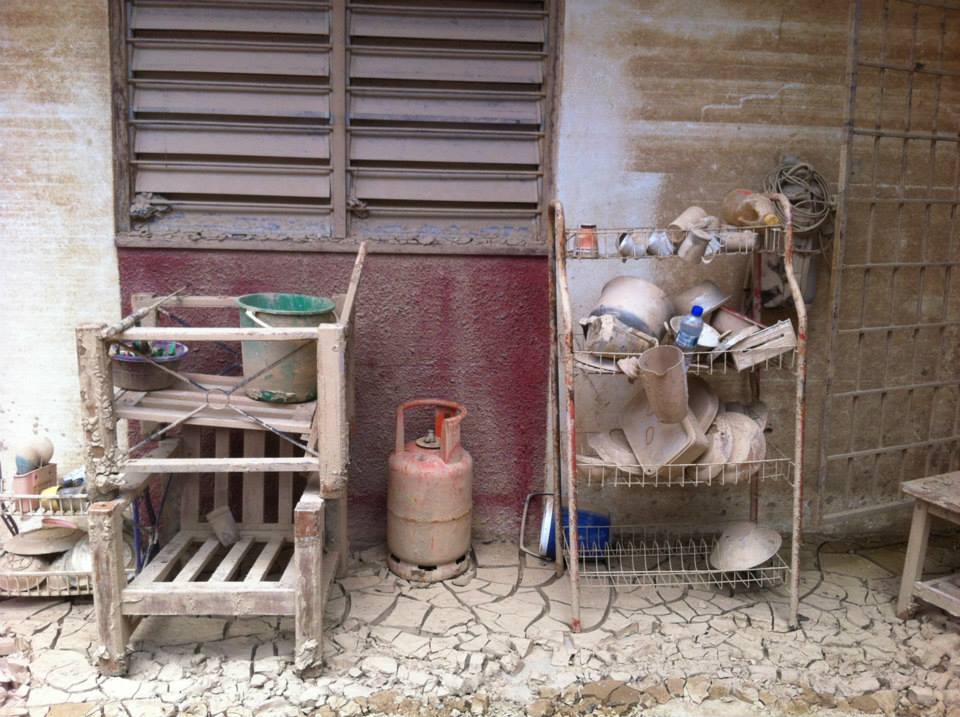
Image via null
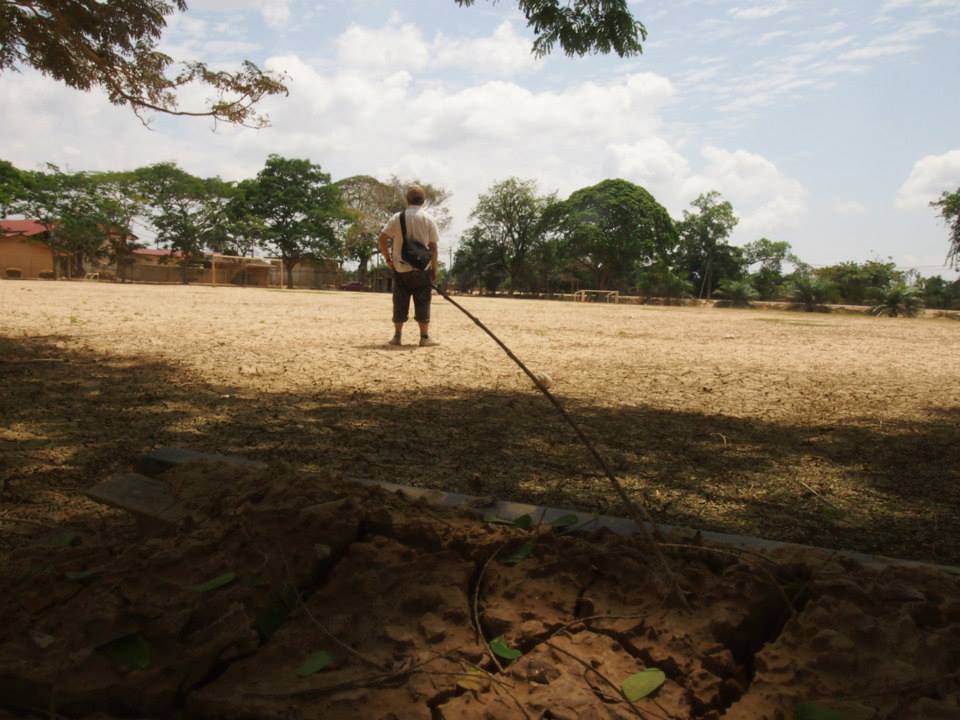
Image via null
With so much of it, while most saw only mud, a bunch of Malaysians saw a golden opportunity to bring Malaysians together this CNY for flood relief efforts in the East Coast
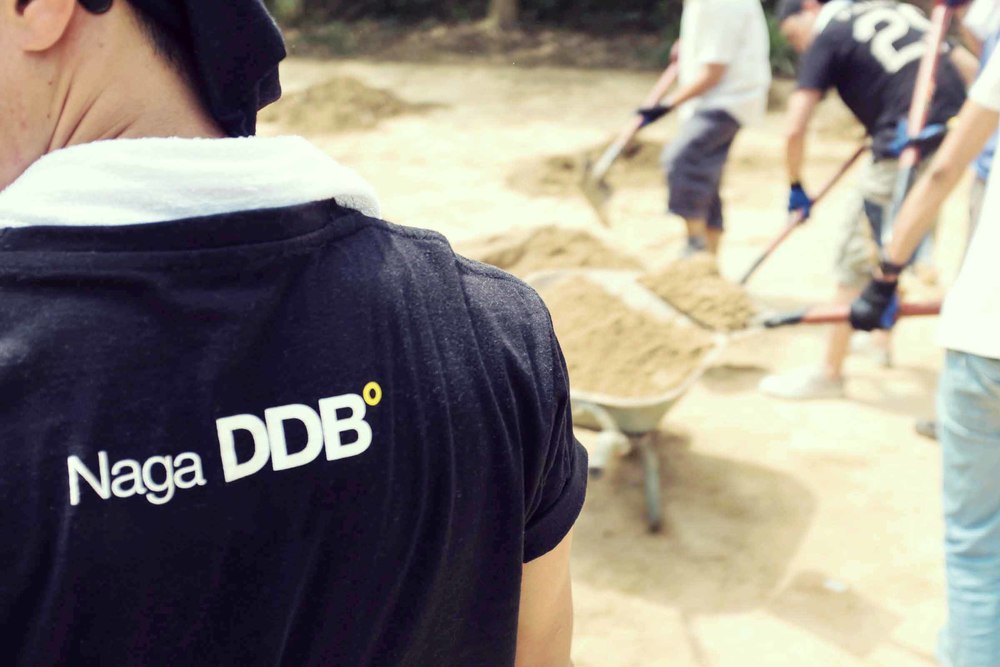
Image via null
How exactly, you ask? By turning all of that mud into "gold!"
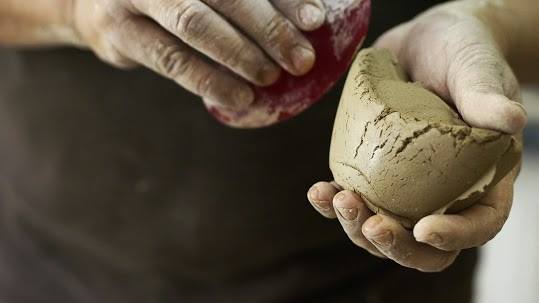
Image via null
Well, kind of! Here's the thing about all that mud:
The kind of mud that the floodwaters had left behind is called "wangnee" in Chinese, which means "yellow mud", the group's [website](http://www.missionwangnee.com/) explains. "But, the pronunciation also sounds like 'the arrival of prosperity'. This gave the mud a greater meaning."
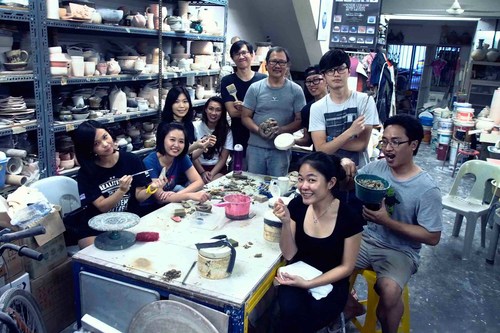
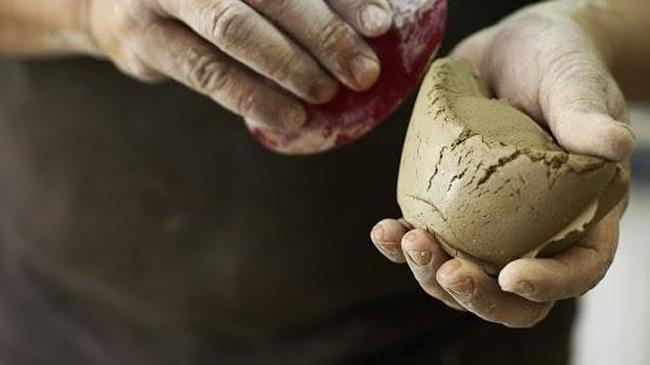
So under a project called **Mission #wangnee**, the group, who are from [Naga DDB](https://www.facebook.com/pages/Naga-DDB/509303719202513), cleaned up the mud from the site, and brought it to a pottery workshop called [A Touch of Clay](https://www.facebook.com/pages/A-Touch-of-Clay/209022219271823) in Segambut, according to [Cilisos](http://cilisos.my/whoa-these-malaysians-turned-flood-mud-into-something-awesome/).
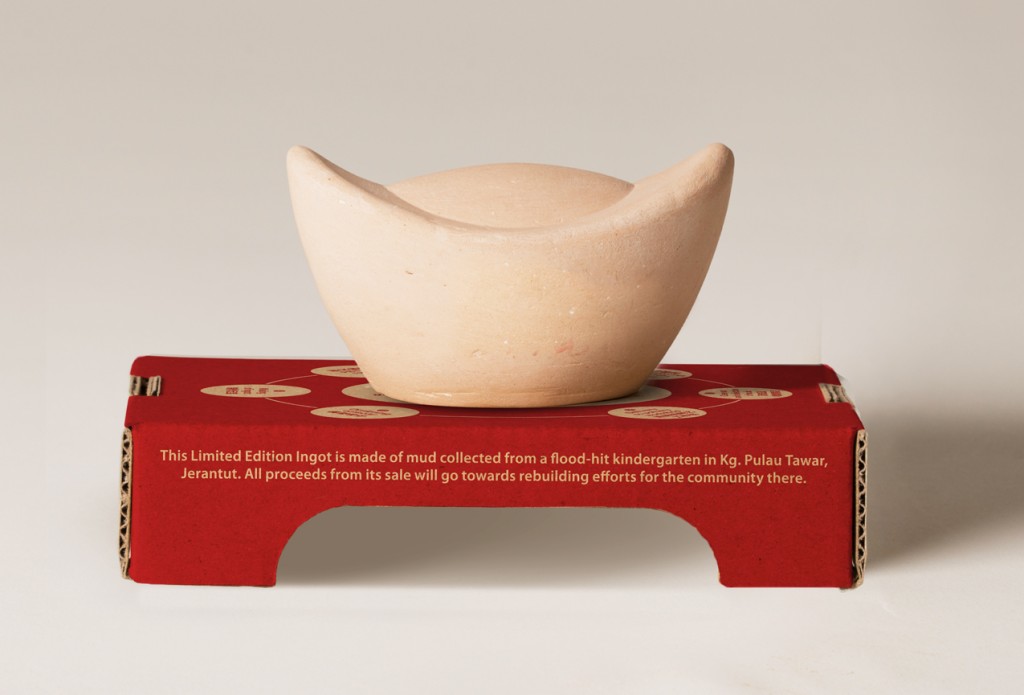
Once there, the mud was mixed with other substances to make it suitable for molding, since pure dried mud is extremely fragile, explains Cilisos. Why? To make Chinese "gold" ingots, that would go on to look something like this:
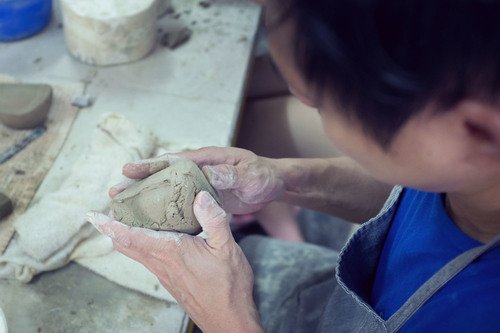
Image via null
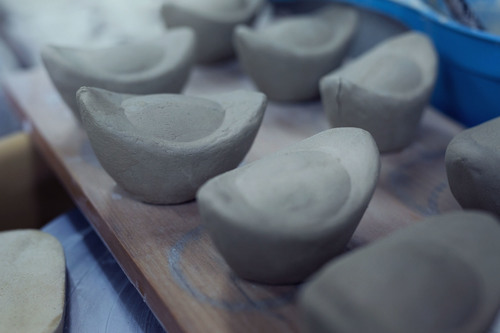
Image via null
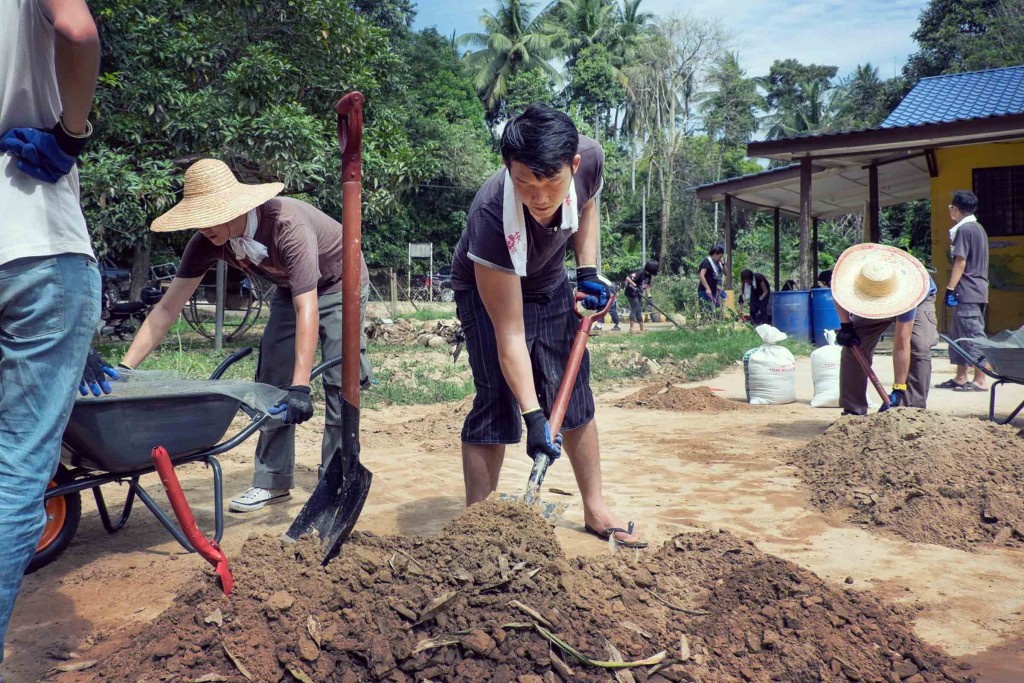
Image via null
The idea of molding the mud as "gold" ingots came about as CNY was just around the corner, and what better than Chinese "gold' ingots to symbolise prosperity during the CNY period!