 Cover image via www.gov.ph
If provoked, President Duterte explains that he would have to suspend the "writ of habeas corpus"
"If lawlessness becomes widespread, I might be forced to—I don't want to do it, I don't want to. It's just my warning to them. I don't want it because it's not good," the President said in a speech at an event to honor his mother's humanitarian efforts according to Inquirer.
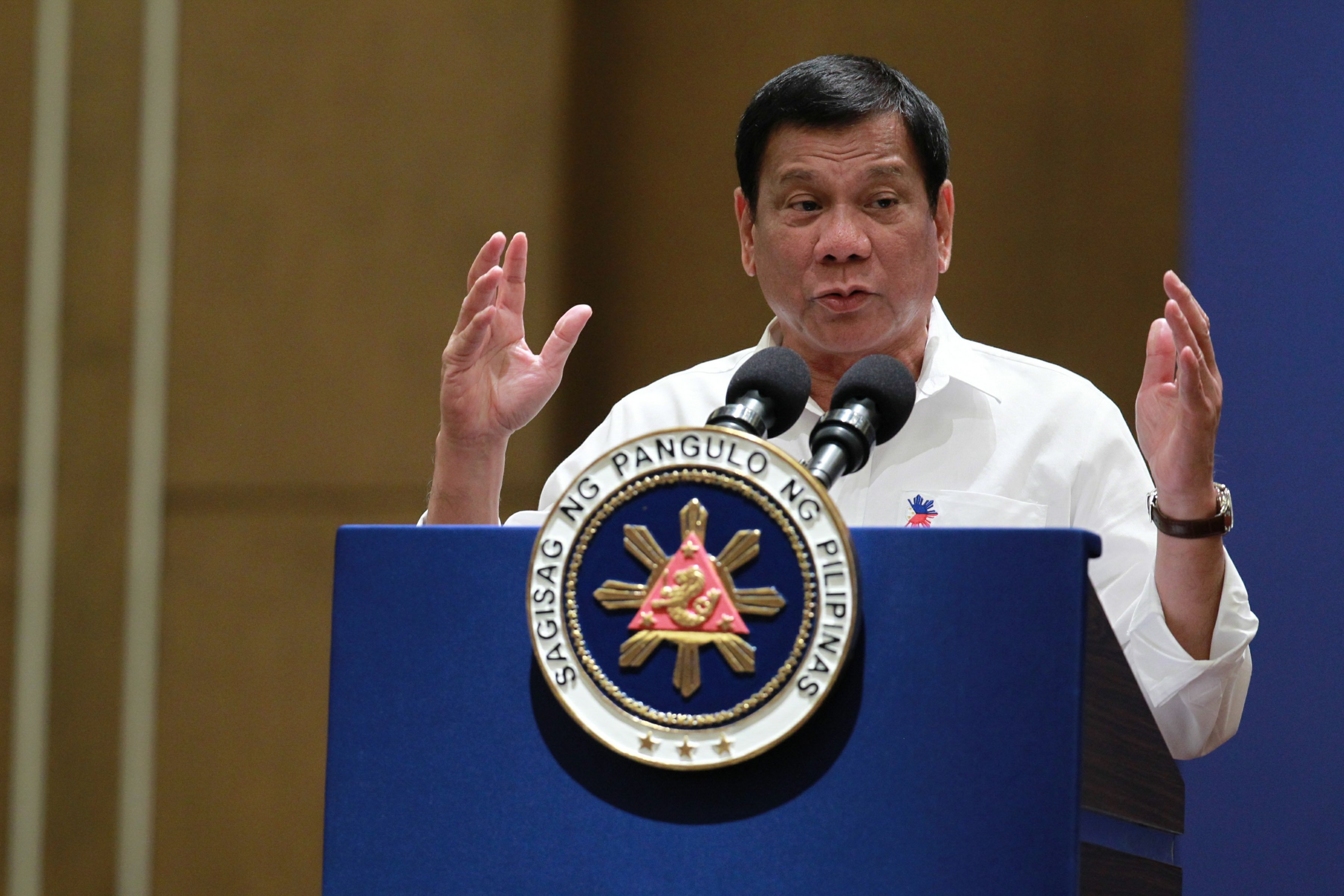
Image via Inquirer
For those who are confused, what does "writ of habeas corpus" mean?
In english, habeas corpus literally translates to "that you have the body".
To put it simply, the writ is a safeguard against warrantless arrests and illegal detention. It protects your rights so that nobody can just pick you up and throw you in a prison without any valid reason.
Only the President has the power to suspend the writ under Article 7, Section 18, which Duterte used as the legal basis for issuing the state of emergency.

Why would President Duterte want to suspend the writ of habeas corpus?
"If lawlessness becomes widespread, I might be forced to—I don't want to do it, I don't want to. It's just my warning to them. I don't want it because it's not good, But if you force my hand into it, I will declare the suspension of the writ of habeas corpus, not martial law. I have no political plans," explains the president.
To put it simply, he can suspend it if there is :
– Lawlessness widespread across the country
– In cases of invasion or rebellion
– When public safety requires it

Image via Virtualization Review
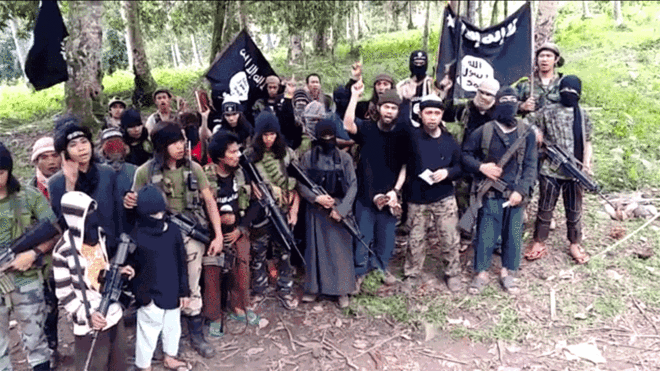
The writ has been suspended in some parts of the Philippines, multiple times:
– In 1905 during the American rule Governor-General James Francis Smith, with the consent of the Philippine Commission, suspended the privilege of the writ of habeas corpus in the provinces of Batangas and Cavite.
-In 1949, President Elpidio Quirino suspended the privilege of the writ of habeas corpus in some parts of Luzon in order to stifle the emergence of the Hukbalahap guerillas
-In 2009, President Gloria Macapagal-Arroyo suspended the writ and ordered Martial Law in some areas of Maguindanao province following the bloodiest election-related massacre of 58 people known as the "Maguindanao Massacre"
But only once was it suspended for the entire country:
In 1971, President Ferdinand Marcos suspended the privilege of writ of habeas corpus on the entire country after grenades exploded in Plaza Miranda during the public meeting of the Liberal Party.

Why are people worried?
There are many reasons why people are worried if the President does suspend the writ:
– It will allow the police to arrest and detain you without a warrant
– Your rights on proper detention will be nullified
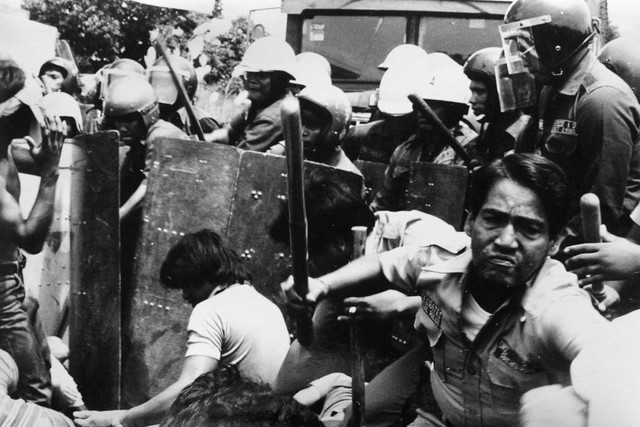
During the Martial law under Ferdinand Marcos, more than 75,000 individuals were picked up, tortured and killed. They were arrested without a warrant.
A torture worse than death, a fate by Liliosa Hilao, a consistant honor student who was picked up by drunken soldiers from the Anti- Narcotics Unit. She was eventually found dead in the detention center. CANU reported she committed suicide by drinking muriatic acid, but her body showed signs of torture: her lips bore cigarette burns, her arms had injection marks, and her body was full of bruises. According to her sister, her internal organs were removed to cover signs of torture and possible sexual abuse.

Why the public should not be worried:
In reaction to the Marcos regime, our revised 1987 constitution adopted a procedure in cases of suspension of writ and declaration of Martial law by the president.
It states that in case of invasion or rebellion, when the public safety requires it, the President may suspend the privilege of the writ of habeas corpus for a period not exceeding sixty days, or place the Philippines or any part of the country under martial law.
Within forty-eight hours from the proclamation of martial law or the suspension of the privilege of the writ of habeas corpus, the President shall submit a report in person or in writing to the Congress.
The Congress, voting jointly, by a vote of at least a majority of all its Members in regular or special session, may revoke or extend such proclamation or suspension. If Congress is not in session it shall, convene without need of a call within twenty-four hours following such proclamation or suspension.
Source: The Law Phil of the Arellano Law Foundation.
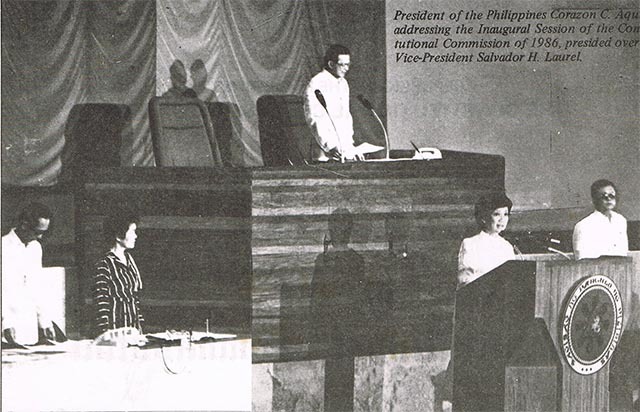
Image via Rappler